Product
Supplier
Encyclopedia
Inquiry
Home > Water Treatment Chemical > Flocculant > Ethylenediaminetetraacetic acid for Sale > EDTA (Free Acid), Ethylenediaminetetraacetic Acid, High-performance Aminopolycarboxylic Acid Organic Chelating Agent
EDTA (Free Acid), Ethylenediaminetetraacetic Acid, High-performance Aminopolycarboxylic Acid Organic Chelating Agent buy - large image1
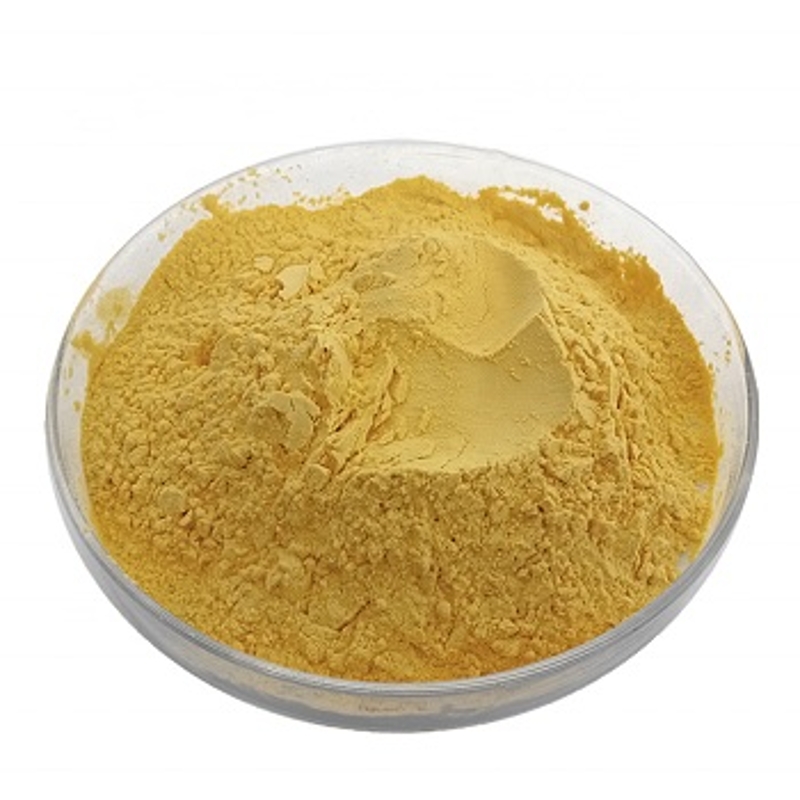
EDTA (Free Acid), Ethylenediaminetetraacetic Acid, High-performance Aminopolycarboxylic Acid Organic Chelating Agent buy - image1
EDTA (Free Acid), Ethylenediaminetetraacetic Acid, High-performance Aminopolycarboxylic Acid Organic Chelating Agent buy - image2
EDTA (Free Acid), Ethylenediaminetetraacetic Acid, High-performance Aminopolycarboxylic Acid Organic Chelating Agent buy - image3
EDTA (Free Acid), Ethylenediaminetetraacetic Acid, High-performance Aminopolycarboxylic Acid Organic Chelating Agent buy - image4
EDTA (Free Acid), Ethylenediaminetetraacetic Acid, High-performance Aminopolycarboxylic Acid Organic Chelating Agent buy - image5
EDTA (Free Acid), Ethylenediaminetetraacetic Acid, High-performance Aminopolycarboxylic Acid Organic Chelating Agent buy - image6

EDTA (Free Acid), Ethylenediaminetetraacetic Acid, High-performance Aminopolycarboxylic Acid Organic Chelating Agent

15 Inquiries

Unit Price:

$2575-2721/MT FOB

Get Latest Price
CAS No.:

60-00-4

Grade:

Industrial Grade

Content:

99%

Port:

Qingdao Port

Brand:

zhencheng

Packaging:

25 kg packed in PE film and woven bag

Price valid (until):

2026-06-30

Company Type:
Manufactory
Location:
China
Qualification:
Main Products:

Polyacrylamide,Polyaluminum Chloride,Poly Ferric Sulfate,Aluminium Sulfate,Activated Carbon / Activated Charcoal,Quartz Sand Filter Media

  • Product Description

  • Seller Information

  • Inquiry History

  • Description


    Detailed Product Specification of EDTA (Ethylene Diamine Tetraacetic Acid)

    I. Basic Product Overview

    EDTA, whose full chemical name is Ethylenediaminetetraacetic Acid and commonly abbreviated as EDTA, is a high-performance organic aminopolycarboxylate chelating agent. It appears as an odorless and tasteless white crystalline powder, serving as the core basic raw material for a series of EDTA derivatives including EDTA-2Na, EDTA-4Na, EDTA calcium sodium and others. Its molecular structure contains four carboxyl groups (-COOH) and two amino groups (-NH₂), endowing it with hexadentate coordination capability. It can form stable water-soluble complexes in a 1:1 ratio with almost all divalent and trivalent metal ions such as calcium, magnesium, iron, copper, zinc, lead, manganese and cadmium. The complex products feature resistance to hydrolysis and precipitation, high temperature resistance, acid and alkali resistance, as well as stable chemical properties.

    Boasting outstanding advantages such as powerful chelating property, ion masking performance, dispersion and scale inhibition capacity, low toxicity and low corrosivity, EDTA is widely used in numerous industries including water treatment, industrial cleaning, printing and textile dyeing, daily chemical industry, electroplating surface treatment, laboratory analysis, pharmaceutical research, papermaking, oilfield and agriculture. As an indispensable general auxiliary agent in industrial production and fine chemical industry, it features high practicality and cost performance, and can meet various demands including large-scale industrial procurement, laboratory reagent application and foreign trade export.

    Shop EDTA (Free Acid), Ethylenediaminetetraacetic Acid, High-performance Aminopolycarboxylic Acid Organic Chelating Agent-Detailed Image 1
    Shop EDTA (Free Acid), Ethylenediaminetetraacetic Acid, High-performance Aminopolycarboxylic Acid Organic Chelating Agent-Detailed Image 2

    II. Core Product Features

    2.1 Core Features

    • Superior Chelating Performance: It has a high complex stability constant for various metal ions and strong chelating capacity. It can firmly encapsulate metal ions, block adverse reactions such as scaling, catalytic oxidation, discoloration and catalytic decomposition induced by metal ions, and is applicable to a variety of complex systems.

    • Excellent chemical stability: It features stable physical and chemical properties at room temperature, high temperature resistance (decomposes at 240℃), resistance to oxidation and hydrolysis. It does not deteriorate or lose efficacy during long-term storage, and is suitable for industrial process environments with varying temperatures and pH levels.

    • Special for Acid Chelation: It exists in free acid form and is inherently acidic (pH 2.5~3.5 for 1% aqueous solution). It can adapt to acidic working conditions, acidic wastewater and acidic cleaning systems without additional acid adjustment, and its chelating efficiency is particularly outstanding in acidic environments.

    • High purity controllability: It can produce industrial-grade and reagent-grade (Analytical Reagent AR, Chemical Pure CP) products. Impurities such as iron, heavy metals, chlorides and sulfates are strictly controlled, meeting diverse purity requirements for high-end fine chemical industry, scientific research experiments and other scenarios.

    • Outstanding intermediate properties: It serves as the core raw material for the production of Disodium EDTA, Tetrasodium EDTA and various trace element chelated fertilizers (EDTA-Fe, EDTA-Zn, etc.). It features high synthesis conversion rate and low by-product generation, supporting the production of downstream products across multiple fields.

    • Excellent storage stability: It is not prone to moisture absorption, caking or weathering. It can be stored for a long time in conventional cool and dry environments, suitable for large-scale stock preparation and long-distance cross-regional transportation, and reduces warehousing and logistics costs.

    • Low toxicity and low corrosivity: It is a low-toxicity chemical raw material with no strong irritation. Under normal working conditions, it causes no severe corrosion to equipment. It has good compatibility and can be arbitrarily compounded with PAC, PAM, alkalis, surfactants and other substances without generating harmful by-products.

    • Wide applicable pH range: It exhibits excellent chelating capacity within the pH range of 3 to 11. It is adaptable to complex water quality and process conditions in multiple industries, eliminating the need for frequent adjustment of system pH and enabling convenient operation.

    • Cost-Effective: It boasts high chelating efficiency. A small dosage can achieve ideal effects of scale inhibition, heavy metal removal and ion masking, effectively reducing the overall application cost and making it suitable for large-scale industrial use.
    • 2.2 Advantages Compared with Similar Chelating Agents

      Comparison Items
      EDTA (Ethylene Diamine Tetraacetic Acid)
      Common chelating agents (e.g., citric acid)
      Chelation Range
      Almost all divalent and trivalent metal ions with a wide chelation range
      It only has a chelating effect on partial metal ions with a narrow range.
      Complex Stability
      High complexation constant, stable product, resistant to decomposition and precipitation
      Weak complex stability, easy to decompose under acidic conditions or high temperature
      Applicable pH Range
      pH 3~11, suitable for multiple working conditions
      Only suitable for acidic working conditions with a narrow pH range
      Storage Stability
      Moisture-proof, non-caking, and stable for long-term storage
      Hygroscopic and prone to caking, with strict storage requirements
      Cost-performance ratio
      Low dosage and low overall application cost
      Requires large dosage addition with relatively high cost
      Application Scenarios
      Widely applicable across multiple industries and usable as an intermediate to synthesize downstream products
      Only applicable to scenarios of simple cleaning and mild scale inhibition

      III. Detailed Applications of the Product

      3.1 Water Treatment Industry (Core Application Field)

      • Softening and scale inhibition for industrial circulating water, boiler water and central air conditioning circulating water: chelate calcium and magnesium ions in water, inhibit the formation of scale (carbonate scale, sulfate scale) on the inner walls of pipelines, heat exchangers and boilers, meanwhile restrain microbial growth, reduce equipment corrosion, extend service life of equipment and cut down equipment maintenance costs.

      • Heavy Metal Treatment of Industrial Wastewater: Targeting electroplating wastewater, printing and dyeing wastewater, chemical wastewater and mine wastewater, it chelates heavy metal ions such as lead, cadmium, mercury, copper, nickel and chromium in water to form stable water-soluble complexes. It assists PAC and PAM in coagulation and sedimentation, helping wastewater meet discharge standards for heavy metals and comply with environmental protection requirements.

      • Pretreatment for the preparation of pure water and ultrapure water: Mask metal ions such as iron and manganese in raw water, prevent these metal ions from contaminating reverse osmosis membranes and ion exchange resins, avoid scaling and clogging of membrane modules, improve water production efficiency and water purity, and ensure the stability of the pure water preparation process.

      • Water Quality Regulation: Applied to the water quality regulation of chemical wastewater, aquaculture wastewater and landscape water, it stabilizes water quality indicators, eliminates the interference of metal ions on water quality, and improves problems such as turbid and discolored water.

      • Shop EDTA (Free Acid), Ethylenediaminetetraacetic Acid, High-performance Aminopolycarboxylic Acid Organic Chelating Agent-Detailed Image 3

      3.2 Laboratory Analysis and Scientific Research Field

      • Complexometric Titration Primary Reagent: As a commonly used primary reagent in analytical chemistry, it is applied to determine the total hardness of water, the content of calcium and magnesium ions, and the concentrations of metal ions such as iron, copper, zinc and lead. It features high titration accuracy and convenient operation, making it an essential reagent for routine laboratory analysis.

      • Metal Ion Masking Agent: In spectroscopic analysis, chromatographic analysis and titration analysis, it masks interfering metal ions in samples, eliminates the influence of interfering ions on test results, and improves the accuracy and reliability of detection data.

      • Raw Materials for Scientific Research Experiments: Applied in chemical and biochemical experiments conducted in university laboratories and research institutes. They can be used to prepare standard solutions and chelating systems, supporting experimental projects including research related to metal ions, material synthesis, and regulation of enzyme activity.

      3.3 Field of Chemical Intermediate Synthesis

      • Synthesis of EDTA Series Derivatives: As a core basic raw material, various EDTA salt products such as Disodium EDTA (EDTA-2Na), Tetrasodium EDTA (EDTA-4Na), Calcium Disodium EDTA, Sodium Iron EDTA, and Sodium Zinc EDTA are synthesized through neutralization reactions, which are widely applied in various downstream industries.

      • Fine Chemical and Pharmaceutical Intermediate Synthesis: It is applied to the synthesis of high-end fine chemical products, pharmaceutical intermediates and daily chemical additives. Featuring high purity and high reactivity, it improves the purity and yield of synthetic products, meeting the stringent requirements of the fine chemical and pharmaceutical industries.

      3.4 Industrial Cleaning and Metal Surface Treatment Field

      • Acidic Descaling and Rust Removal: It is used for acidic descaling and rust removal treatment of industrial equipment such as heat exchangers, pipelines, reaction kettles and boilers. It can quickly dissolve rust scale, oxide scale and carbonate scale on the inner wall of equipment without corroding the base metal of the equipment, leaving the equipment surface clean and smooth after cleaning.

      • Metal Surface Pretreatment: It is applied to the surface pretreatment of metal workpieces and hardware products to remove metal impurities, oxide layers and rust on the workpiece surface. It provides a clean and uniform substrate for subsequent processes such as electroplating, spraying, passivation and phosphating, and improves the adhesion of subsequent processes and the quality of finished products.

      • Precision Instrument Cleaning: Designed for the gentle cleaning of precision instruments, stainless steel equipment and electronic components. It effectively removes residual surface metal ions and minor stains without damaging the precision or surface gloss of the instruments, making it suitable for the cleaning and maintenance of high-end precision equipment.

      3.5 Printing and Dyeing & Textile Industry

      • Softening of Printing and Dyeing Water: Chelates metal ions such as calcium, magnesium and iron in printing and dyeing water, prevents metal ions from combining with dyes to cause mottling, stains and precipitation, avoids uneven fabric dyeing, and improves the vividness and uniformity of dyeing color.

      • Bleaching Process Stabilizer: During fabric bleaching (hydrogen peroxide bleaching, chlorine bleaching), it chelates iron and manganese ions in water, inhibits the catalytic decomposition of bleaching agents by metal ions, prevents fabric yellowing and fiber embrittlement, protects fabric fibers, improves bleaching effect and fabric hand feel, and extends the service life of fabrics.

      • Dyeing Auxiliaries: As auxiliary agents in the dyeing system, they mask interfering metal ions in the dye liquor, stabilize the dyeing process, reduce dyeing defects, and improve the finished product rate of dyeing.

      • Shop EDTA (Free Acid), Ethylenediaminetetraacetic Acid, High-performance Aminopolycarboxylic Acid Organic Chelating Agent-Detailed Image 4

      3.6 Application in Other Industries

      • Paper Industry: Used as a papermaking bleaching auxiliary, it stabilizes the bleaching system, inhibits the decomposition of bleaching agents by metal ions, improves the brightness and stability of pulp, reduces pulp yellowing and brittleness, and enhances paper quality. Meanwhile, it is applied to papermaking wastewater treatment to chelate heavy metal ions and help wastewater meet discharge standards.

      • Oilfield Industry: Used as an auxiliary for oilfield water injection and drilling fluid, it chelates metal ions such as calcium, magnesium and barium in formation water, prevents scaling and blockage of oil wells and oil pipelines, and ensures smooth water injection and crude oil transportation efficiency. Meanwhile, it stabilizes the performance of drilling fluid and avoids interference of metal ions with drilling processes.

      • Agricultural Sector: Serving as a chelating agent for foliar fertilizers and water-soluble fertilizers, it chelates trace elements such as iron, zinc, manganese and copper, improves the absorption and utilization rate of trace elements by crops, prevents the solidification and inactivation of metal ions in soil, promotes crop growth, enhances crop quality, and reduces fertilizer waste.

      • Daily Chemical Industry: As an intermediate for high-end daily chemical raw materials, it is used in the synthesis of metal ion stabilizers for skin care products and washing and care products (shampoos, body washes). It inhibits product deterioration, delamination and discoloration caused by metal ions, and improves product stability and shelf life.

      • Pharmaceutical and Biological Fields: It acts as an enzyme inhibitor in biological experiments, chelating magnesium and calcium ions, inhibiting the activity of nucleases and proteases, and protecting nucleic acid and protein samples from degradation. Meanwhile, as a raw material for pharmaceutical chelating preparations, it is applied in heavy metal detoxification and the synthesis of stabilizers for blood products.

      • Shop EDTA (Free Acid), Ethylenediaminetetraacetic Acid, High-performance Aminopolycarboxylic Acid Organic Chelating Agent-Detailed Image 5
      • Shop EDTA (Free Acid), Ethylenediaminetetraacetic Acid, High-performance Aminopolycarboxylic Acid Organic Chelating Agent-Detailed Image 6
      • Shop EDTA (Free Acid), Ethylenediaminetetraacetic Acid, High-performance Aminopolycarboxylic Acid Organic Chelating Agent-Detailed Image 7
      • IV. Product Specifications and Parameters

        4.1 Core Physical and Chemical Parameters

        Project Name
        Detailed Parameters
        Chinese Name
        Ethylenediaminetetraacetic Acid
        English Name
        Ethylenediaminetetraacetic Acid
        Abbreviation
        EDTA (Free Acid)
        CAS Number
        60-00-4
        Molecular formula
        C₁₀H₁₆N₂O₈
        Molecular weight
        292.24
        Appearance and Properties
        White crystalline powder, odorless and tasteless, with uniform crystals, no caking and no mechanical impurities
        Melting Point
        240℃(Decomposition)
        pH value of 1% aqueous solution
        2.5~3.5(Strongly acidic)
        Water solubility
        Sparingly soluble in cold water at 20℃, only 0.2g/100mL; slightly soluble in hot water; freely soluble in alkaline solutions such as sodium hydroxide, sodium carbonate and ammonia water, and insoluble in organic solvents including ethanol and diethyl ether
        Density (20℃)
        1.56g/cm³
        Stability
        Stable at room temperature, resistant to oxidation and hydrolysis, and decomposes above 240℃
        Toxicity
        Low toxicity, oral LD₅₀ in rats ≈ 4.5g/kg, no strong irritation
        Chelation Ratio
        Forms a 1:1 complex with most metal ions

        4.2 Industrial Grade Specification Parameters (Mainstream General Type)

        Test Items
        Standard Indicators
        Detection Method
        Ethylenediaminetetraacetic Acid Content
        ≥99.0%
        Complexometric Titration
        Moisture
        ≤0.5%
        Karl Fischer Method
        Chloride (as Cl⁻)
        ≤0.01%
        Precipitation Titration
        Sulfate (as SO₄²⁻)
        ≤0.05%
        Gravimetric Method
        Iron (calculated as Fe)
        ≤0.001%
        Spectrophotometry
        Heavy Metals (calculated as Pb)
        ≤0.001%
        Atomic Absorption Spectrophotometry
        Water Insoluble Matter
        ≤0.05%
        Filtration and Drying Method
        pH value of 1% aqueous solution
        2.5~3.5
        pH meter determination method
        Appearance
        White crystalline powder, free of impurities and caking
        Visual Inspection Method

        4.3 Reagent Grade Specifications (Analytical Reagent, AR)

        Test Items Standard Index Detection Method
        Ethylenediaminetetraacetic Acid Content
        ≥99.5%
        Complexometric Titration
        Moisture
        ≤0.3%
        Karl Fischer Method
        Chloride (as Cl⁻)
        ≤0.005%
        Precipitation Titration
        Sulfate (as SO₄²⁻)
        ≤0.02%
        Gravimetric Method
        Iron (as Fe)
        ≤0.0005%
        Spectrophotometry
        Heavy Metals (as Pb)
        ≤0.0005%
        Atomic Absorption Spectrophotometry
        Water Insoluble Matter
        ≤0.02%
        Filtration and Drying Method
        pH value of 1% aqueous solution
        2.5~3.5
        pH meter method

        4.4 Reagent Grade Specifications (Chemical Pure, CP)

        Test Items Standard Indicators
        Ethylenediaminetetraacetic Acid Content
        ≥98.0%
        Moisture
        ≤0.5%
        Chloride (as Cl⁻)
        ≤0.01%
        Sulfate (as SO₄²⁻)
        ≤0.05%
        Iron (as Fe)
        ≤0.001%
        Heavy Metals (as Pb)
        ≤0.001%
        Water Insoluble Matter
        ≤0.05%

        V. Quality Standards and Test Methods

        5.1 Implementation Standards

        • Industrial-grade EDTA: Complies with the national standards GB/T 1401-2018 Disodium Ethylenediaminetetraacetate and GB/T 3049-2006 Chemical Products for Industrial Use - General Method for the Determination of Iron Content - 1,10-Phenanthroline Spectrophotometric Method, and also meets the internal enterprise control standards (indicators can be customized according to customer requirements).

        • Reagent-grade EDTA (Analytical Reagent AR, Chemical Pure CP): Complies with the national standards GB/T 1401-2018 *Disodium Ethylenediaminetetraacetate*, GB/T 601-2016 *Chemical Reagents — Preparation of Standard Volumetric Solutions*, and GB/T 602-2002 *Chemical Reagents — Preparation of Standard Solutions for the Determination of Impurities*, meeting the general quality requirements for chemical reagents.

        • Export-grade EDTA: Compliant with international standards such as USP (United States Pharmacopeia), EP (European Pharmacopoeia), and BP (British Pharmacopoeia). Complete documentation including corresponding Certificate of Analysis (COA) and MSDS can be provided as required by the exporting country or region, fully meeting international procurement standards.

        5.2 Core Test Methods

        • Assay of Main Content: Complexometric titration is adopted, with standard zinc solution as the titrant and Eriochrome Black T as the indicator. Titration is performed in an ammonia-ammonium chloride buffer solution (pH≈10). The main content of EDTA is calculated according to the volume consumed in titration, with the titration error not exceeding 0.1%.

        • Moisture Determination: The Karl Fischer method is adopted with a Karl Fischer titrator to measure the moisture content in the product. The drying method (drying to constant weight at 105℃) is also applicable, which is suitable for rapid batch detection.

        • Determination of Heavy Metals: Atomic absorption spectrophotometry is used to determine the content of heavy metal ions such as lead and iron. For low-concentration heavy metals, spectrophotometry can be adopted to ensure that the detection accuracy meets standard requirements.

        • Chloride Determination: Precipitation titration is adopted, with silver nitrate as the titrant and potassium chromate as the indicator. Titration is carried out under nitric acid acidic conditions to determine the chloride content.

        • Determination of Sulfate: The gravimetric method is adopted. Barium chloride solution is added to form barium sulfate precipitate, followed by filtration, drying and weighing, and the sulfate content is then calculated.

        • Determination of Water-Insoluble Substances: Dissolve the product in hot water, filter with quantitative filter paper, dry the filter paper and residue to constant weight, and calculate the content of water-insoluble substances.

        • pH Value Determination: Prepare a 1% (mass concentration) EDTA aqueous solution, allow it to stand until reaching room temperature, measure with a calibrated pH meter, record the pH value, and ensure it is within the range of 2.5 to 3.5.

        • Visual Inspection: Adopt the visual observation method. Observe the color and appearance of the product under natural light to confirm that there are no impurities, lumps or peculiar odors, and the product complies with standard requirements.

        5.3 Quality Control Requirements

        • Raw Material Control: Select high-purity core raw materials such as ethylenediamine and chloroacetic acid. Conduct strict inspection before incoming materials to ensure that the main content and impurity content of raw materials meet production requirements, and prevent unqualified raw materials from being put into production.

        • Production Process Control: Operate strictly in accordance with production process parameters, control key indicators such as reaction temperature, reaction time, pH value and feeding ratio, conduct sampling inspection for each process procedure to ensure stable production process and uniform product quality.

        • Finished Product Inspection: Before delivery of each batch of products, full-index inspection (including main content, moisture, impurities, pH, etc.) shall be conducted. Products can only be delivered after passing the inspection. Each batch of products is accompanied by a corresponding Certificate of Analysis (COA) to ensure traceability of product quality.

        • Shelf Life Control: The product shelf life is 2 years under sealed storage conditions. Any product past its shelf life must undergo a full-index re-inspection. Only qualified products are permitted for use, and unqualified products are strictly prohibited from leaving the factory.

        • Quality Traceability: Establish a comprehensive quality traceability system to record information covering raw material procurement, production processes, finished product inspection, warehousing and transportation, so as to ensure rapid traceability and timely disposal once quality problems occur.
        • VI. Packaging Specifications, Storage and Transportation

          6.1 Packaging Specifications (Customizable)

          6.1.1 Conventional Packaging

          • 25kg per bag: The inner layer is a food-grade PE moisture-proof inner film, and the outer layer is a thickened laminated woven bag. It boasts excellent sealing performance with moisture-proof, pollution-proof and damage-proof properties. The surface of the bag is clearly marked with product name, CAS number, content, net weight, executive standard, manufacturer, production date, shelf life, storage conditions and other information, facilitating identification and warehouse management.

          • Small packages: 1kg/5kg/10kg. Packaged in food-grade PE plastic bottles or aluminum foil bags with tight sealing, easy to carry, store and use in small batches. Suitable for scenarios such as laboratory reagents, sample delivery and small-scale trial use.

          • Shop EDTA (Free Acid), Ethylenediaminetetraacetic Acid, High-performance Aminopolycarboxylic Acid Organic Chelating Agent-Detailed Image 8

          6.1.2 Custom Packaging (Foreign Trade/Bulk Purchasing)

          • 25kg/Cardboard Drum: Lined with moisture-proof PE inner film and covered with high-strength cardboard drum on the outer layer. It features pressure resistance, moisture proofing and damage prevention, making it suitable for long-distance sea transportation and foreign trade export. Custom printing of English product information, company LOGO and customs clearance marks (such as UN mark and origin mark) is available on the drum surface to meet export packaging requirements.

          • 1000kg/Ton Bag: Flexible bulk bag (ton bag) with a moisture-proof PE inner lining. It boasts strong load-bearing capacity, ideal for large-scale industrial procurement and full-truck transportation, helping improve transportation efficiency and reduce packaging and logistics costs. Product information and LOGO can be printed as customized by customers.

          • Reagent Grade Packaging: Analytical grade and chemical grade products are packaged in transparent reagent plastic bottles. The bottle body is marked with information such as reagent grade, content, production date and shelf life. It has excellent sealing performance to prevent the reagent from moisture absorption and contamination, complying with laboratory reagent packaging standards.

          6.2 Storage Rules

          • Storage Environment: Store in a cool, dry, well-ventilated and clean warehouse. Keep away from fire sources and heat sources (temperature not exceeding 30℃), avoid direct sunlight and rain exposure, and control the relative humidity of the warehouse below 60%.

          • Separate Storage: Store separately from oxidants, strong acids, strong alkalis, toxic and harmful substances, and odorous substances to prevent product deterioration or hazardous reactions caused by mixed storage; store products of different grades and batches separately for easy management and traceability.

          • Sealing Requirements: The product shall be stored in a strictly sealed condition. Seal it promptly after opening to prevent moisture absorption and dust contamination. Reagent-grade products shall be kept in a desiccator to avoid moisture absorption that may affect purity and application performance.

          • Stacking Requirements: The stacking height shall not exceed 10 layers to avoid extrusion and damage; products shall be placed on pallets and kept off the ground (with a ground clearance of ≥10cm) to prevent moisture dampness and mildew; it is strictly prohibited to place heavy objects on the packaging to avoid product leakage caused by damaged packaging.

          6.3 Transportation Rules

          • Mode of Transportation: EDTA is a non-dangerous good and shall be transported as general regular cargo. It can be delivered by road, railway, sea and air (small batch), complying with national transportation safety regulations. For foreign trade export, sea and air transportation are available, with a full set of customs declaration documents provided.

          • Transportation Requirements: During transportation, protection against rain, moisture, sunlight, extrusion and collision shall be ensured to avoid package damage and leakage. Transportation vehicles must be clean and dry with no residues of toxic, harmful or odorous goods. Mixed transportation with oxidants, strong acids and strong alkalis is strictly prohibited.

          • Foreign Trade Transportation: Provide complete customs declaration documents (including commercial invoice, packing list, COA, MSDS, customs declaration form, certificate of origin, etc.). The packaging shall comply with the packaging standards of the exporting country/region, be marked with English product information and shipping marks, and ensure smooth customs clearance.

          • Handling Requirements: Handle with care. Avoid violent impact and extrusion on the package to prevent package damage which may cause product leakage and contamination. Handling personnel shall wear gloves to avoid direct contact with the product (though low in toxicity, this can reduce skin irritation).
          • VII. Multi-dimensional Image Display

            7.1 Real Photos of Product Details

            Shop EDTA (Free Acid), Ethylenediaminetetraacetic Acid, High-performance Aminopolycarboxylic Acid Organic Chelating Agent-Detailed Image 9 Shop EDTA (Free Acid), Ethylenediaminetetraacetic Acid, High-performance Aminopolycarboxylic Acid Organic Chelating Agent-Detailed Image 10


            VIII. Safety and Environmental Protection Instructions

            8.1 Safety Instructions

            • Toxicity: EDTA is a low-toxicity chemical raw material. The oral LD₅₀ for rats is approximately 4.5g/kg. It has no strong corrosivity and is non-flammable and non-explosive. Under normal use conditions, it poses no obvious harm to the human body.

            • Operation Protection: Operators are recommended to wear disposable gloves, masks and goggles during use to avoid direct skin and eye contact with the product. In case of skin contact, rinse immediately with plenty of clean water for 10 to 15 minutes. If accidentally ingested, seek medical attention promptly and drink plenty of water to boost metabolism.

            • Precautions for Use: Strictly prohibit mixed storage and use with oxidants, strong acids and strong alkalis to prevent chemical reactions; direct addition to food is forbidden (food-grade applications require EDTA derivatives such as EDTA-2Na).

            • Emergency Handling: In case of package damage or product leakage, isolate the leaked area immediately, cover and absorb the leakage with dry sand, collect the waste for proper disposal, and avoid contaminating soil and water bodies.

            8.2 Environmental Description

            • Environmental Impact: EDTA itself is hardly biodegradable. Its complexes formed with metal ions tend to accumulate in water bodies. Long-term and large-scale discharge may pose certain impacts on aquatic organisms, so the discharge concentration must be strictly controlled.

            • Wastewater Treatment: Wastewater after the use of EDTA shall be treated through sewage treatment processes such as coagulation sedimentation and oxidative decomposition. It can only be discharged after ensuring that heavy metal ions and residual EDTA meet relevant standards, so as to comply with environmental protection discharge regulations.

            • Packaging Recycling: Waste packaging (PE inner film, woven bags, fiber drums, reagent bottles) shall be sorted and recycled. PE inner film and plastic bottles can be recycled and reused; fiber drums can be recycled for papermaking to prevent environmental pollution from random disposal.

            IX. Summary of Product Advantages

            • Strong chelating ability: It features a hexadentate coordination structure, enabling stable 1:1 complexation with almost all metal ions. The complex products are stable, resistant to decomposition and precipitation, compatible with various complex systems, and deliver high chelating efficiency.

            • Controllable Purity: Industrial-grade and reagent-grade products can be manufactured with strictly controlled impurity content, meeting diverse purity requirements for laboratories, fine chemical industry, industrial production and other scenarios, featuring stable and reliable quality.

            • Wide Application: It covers multiple industries including water treatment, laboratory, chemical synthesis, industrial cleaning, printing and dyeing, agriculture and more. It has multiple functions such as chelation, scale inhibition, masking and rust removal with strong versatility.

            • Convenient Storage and Transportation: It is moisture-proof and non-caking. It can be stored for a long time in conventional cool and dry environments, suitable for long-distance transportation and bulk stocking, with low warehousing and transportation costs.

            • Cost-effective: Low dosage required and low overall usage cost. It can replace ordinary chelating agents, improve production efficiency and product quality, and reduce enterprise production costs.

            • Compliance Guaranteed: The quality conforms to national and international standards with complete qualifications. Full sets of documents such as COA and MSDS are available to meet diverse demands including domestic procurement and foreign trade export, ensuring safe and compliant application.

            • Customized Services: We support packaging customization (specifications, printing) and indicator customization (purity, impurity content). We provide comprehensive pre-sales consultation, in-sales follow-up, and after-sales technical support to meet the personalized needs of different customers.

    Basic Info
    Product Name:

    Ethylenediaminetetraacetic acid

    Other Name:

    Glycine,N,N′-1,2-ethanediylbis[N-(carboxymethyl)-;Acetic acid,(ethylenedinitrilo)tetra-;N,N′-1,2-Ethanediylbis[N-(carboxymethyl)glycine];Celon A;Celon ATH;Complexon II;3,6-Diazaoctanedioic acid,3,6-bis(carboxymethyl)-;Edathamil;Edetic acid;EDTA (chelating agent);Endrate;Ethylenediaminetetraacetic acid;Metaquest A;Nervanaid B acid;Nullapon B acid;Nullapon BF acid;Perma Kleer 50 acid;Sequestrene AA;Sequestric acid;Sequestrol;Trilon BW;Versene;Ethylenediamine-N,N,N′,N′-tetraacetic acid;Ethylenediaminetetraacetate;Acetic acid,2,2′,2′′,2′′′-(1,2-ethanediyldinitrilo)tetrakis-;Ethylenedinitrilotetraacetic acid;Cheelox;Chemcolox 340;Titriplex;EDTA;Havidote;ICRF 185;Clewat TAA;Trilon BS;Gluma Cleanser;YD 30;Titriplex II;Chelest 3A;Dissolvine E;Quastal Special;Acroma DH 700;Techrun DO;NSC 97243;NSC 97404;Zonon AO;Dissolvine Z;Ethylene-N,N′-biscarboxymethyl-N,N′-diglycine;Sequestrene K 4;Clewat TTA;WS;WS (chelating agent);Dotite 4H;PrefGel;Dissolvine NA-X;Chelest A;2,2′,2′′,2′′′-(ethane-1,2-diylbis(azanetriyl))tetraacetic acid;Kurewat-N;Disolvin NA 2-S;PM 17;[[2-(Bis-carboxymethyl-amino)-ethyl]-carboxymethyl-amino]-acetic acid;OM 002;Ethylenediaminetetraaacetic acid;Circuposit 3350M1;2-([2-[Bis(carboxymethyl)amino]ethyl](carboxymethyl)amino)acetic acid;13440-78-3;20539-27-9;26627-46-3;30485-87-1;30485-88-2;30485-90-6;32757-10-1;94108-75-5;161122-33-4;402925-67-1;675141-16-9;1586747-13-8;1799367-75-1

    CAS No.:

    60-00-4

    Molecular Formula:

    C10H16N2O8

    InChIKeys:

    InChIKey=KCXVZYZYPLLWCC-UHFFFAOYSA-N

    Molecular Weight:

    292.24300

    Exact Mass:

    292.24

    EC Number:

    200-449-4

    HScode:

    2921219000

    Categories:

    Flocculant

    Characteristics
    PSA:

    155.68000

    XLogP3:

    -0.43

    Appearance:

    White crystals or powder

    Density:

    0.086 g/cm3

    Melting Point:

    245 °C

    Boiling Point:

    614.2ºC at 760 mmHg

    Flash Point:

    325.2ºC

    Refractive Index:

    n20/D 1.363

    Water Solubility:

    H2O: 0.5 g/L (25 ºC)

    Storage Conditions:

    Although edetic acid is fairly stable in the solid state, edetate salts are more stable than the free acid, which decarboxylates if heated above 150°C. Disodium edetate dihydrate loses water of crystallization when heated to 120°C. Edetate calcium disodium is slightly hygroscopic and should be protected from moisture.
    Aqueous solutions of edetic acid or edetate salts may be sterilized by autoclaving, and should be stored in an alkali-free container.
    Edetic acid and edetates should be

    Vapor Pressure:

    <0.013 hPa (20 °C)

    Toxicity:

    LD50 orally in Rabbit: 2580 mg/kg

    PH:

    Between 6,5 and 7,5 (1 % solution)

    Hazard Identification

    Classification of the substance or mixture

    Eye irritation, Category 2

    GHS label elements, including precautionary statements

    Pictogram(s)

    Signal word

    Warning

    Hazard statement(s)

    H319 Causes serious eye irritation

    Precautionary statement(s)
    Prevention

    P264 Wash ... thoroughly after handling.

    P280 Wear protective gloves/protective clothing/eye protection/face protection/hearing protection/...

    Response

    P305+P351+P338 IF IN EYES: Rinse cautiously with water for several minutes. Remove contact lenses, if present and easy to do. Continue rinsing.

    Storage

    none

    Disposal

    none

    Other hazards which do not result in classification

    no data available

    Handling and Storage

    Precautions for safe handling

    NO open flames. Prevent deposition of dust. Closed system, dust explosion-proof electrical equipment and lighting. Handling in a well ventilated place. Wear suitable protective clothing. Avoid contact with skin and eyes. Avoid formation of dust and aerosols. Use non-sparking tools. Prevent fire caused by electrostatic discharge steam.

    Conditions for safe storage, including any incompatibilities

    Separated from strong oxidants, metals and food and feedstuffs.Chelating agents, by their very nature, tend to be corrosive to metals such as copper, zinc, and iron. The alkaline salts corrode aluminum severely, and contact with these salts should be avoided. Stainless steel and most polymers or coatings that are able to withstand dilute alkali are acceptable as construction materials. Solid chelating agents should be stored in a cool, dry place to avoid caking. Chelating agents

  • Seller Information
    Business Type:

    Manufactory

    Main Products:

    Polyacrylamide,Polyaluminum Chloride,Poly Ferric Sulfate,Aluminium Sulfate,Activated Carbon / Activated Charcoal,Quartz Sand Filter Media

    Location:

    No. 162, Shuanghe Village, Jiajinkou Town, Gongyi City

    Payment Terms:

    TT against copy of documents,D/P,L/C,100% TT in advance

    Year of Establishment:

    2014

    Certifications:

    trademark,Business License

    Henan Zhencheng Environmental Protection Technology Co., Ltd., founded in 2000, focuses on deep cultivation in the environmental protection field. It is mainly engaged in the whole-process services of production, sales, inspection, analysis and on-site commissioning of water treatment chemicals, water purifiers, activated carbon, filter media and fillers, and is committed to providing professional and efficient water treatment solutions for various industries.
    The company's main products cover multiple series, including:
    • Polyacrylamide (PAM)
    • Polyaluminum Chloride (PAC)
    • Poly Aluminum Ferric Chloride
    • Poly Ferric Sulfate (PFS)
    • Ferrous Sulfate
    • Activated Carbon
    • Filter Media
    • Fillers, etc.
    The company always adheres to the bottom line of quality. Its products strictly implement relevant national and industry standards, and adopt advanced production processes and testing equipment to ensure that each batch of products meets quality requirements. With stable and reliable product quality, the company's products are widely used in many core fields such as papermaking, printing and dyeing, sewage treatment, chemical industry, coal gas, metallurgy, urban construction and environmental protection, providing strong support for water purification and environmental governance in various industries.
    Over the years, the company has deeply cultivated the market and pursued innovation. Its products are sold to many countries and regions at home and abroad. With high-quality products and considerate services, it has won high praise and wide trust from global users, and its brand popularity and industry influence have steadily improved.
    Upholding the philosophy of "equality and mutual benefit, friendly cooperation and win-win development", Henan Zhencheng Environmental Protection Technology Co., Ltd. is willing to make acquaintances with friends from all walks of life at home and abroad, carry out comprehensive and in-depth cooperation in environmental protection engineering project construction, technical exchange, product promotion and other aspects, work together to purify water quality, protect the ecological environment, and build a beautiful home where man and nature live in harmony.
  • Inquiry History
    15 Inquiries
    Country Product Purchase Quantity Date Posted
    Morocco

    acid edta supplier disodique 99 %

    40 MT Apr 1, 2026
    Australia

    Ethylenediaminetetraacetic acid

    1.00 MT Nov 5, 2024
    Kuwait

    edta acid

    1 20' Fcl Aug 15, 2024
    India

    EDTA Acid

    10.00 MT Aug 13, 2024
    Egypt

    EDTA - 4Na

    50 MT Aug 13, 2024
    Russia

    Ethylenediaminetetraacetic acid

    1 MT Jan 23, 2024
    Bangladesh

    (EDTA) Ethylenediaminetetraacetic acid

    1.00 20' Fcl Jun 1, 2026
    Pakistan

    Ethylene Diamine Tetra Acetic Acid

    1 20' Fcl Jul 28, 2025
    India

    EDTA ACID

    12.00 TON Jul 1, 2025
    South Korea

    ETDA

    1 20' Fcl Jul 10, 2024
    India

    EDTA

    1.00 MT Jun 3, 2024
    Nigeria

    EDTA

    1000 G May 3, 2024
    Kuwait

    EDTA

    20000.00 KG Jan 30, 2024
    Bangladesh

    (EDTA) Ethylenediaminetetraacetic acid

    1.00 20' Fcl Apr 16, 2026
    Russia

    Diethylenetriamine

    1 MT Jun 5, 2026
    Post an enquiry for this product
pic ×

Scan the QR Code to Share

All products displayed on this website are only for non-medical purposes such as industrial applications or scientific research, and cannot be used for clinical diagnosis or treatment of humans or animals. They are not medicinal or edible.

According to relevant laws and regulations and the regulations of this website, units or individuals who purchase hazardous materials should obtain valid qualifications and qualification conditions.

The information shown above is provided by the enterprise itself, and the authenticity, accuracy and legitimacy of the content are the responsibility of the publishing company. ECHEMI does not bear any guarantee responsibility for this. Please be aware that risks in internet transactions objectively exist.

Feedback & Suggestions
Send Message

Thank you for your feedback. If you require further assistance, please contact us by email at info@echemi.com or call us at +86-532-55729510.