Polyferric Sulfate PFS (Core Agent for Iron Salt Water Treatment): Polyferric, Polyferric Sulfate, Basic Ferric Sulfate, Hydroxyl Ferric Sulfate
14 Inquiries
10028-22-5
Industrial Grade
21%
Qingdao Port
zhencheng
25 kg packed in PE film and woven bag
2026-06-30
Polyacrylamide,Polyaluminum Chloride,Poly Ferric Sulfate,Aluminium Sulfate,Activated Carbon / Activated Charcoal,Quartz Sand Filter Media
-
Product Description
-
Seller Information
-
Inquiry History
-
Description
Detailed Specification for Solid Polyferric Sulfate (Solid PFS) ProductI. Product Overview
Solid Polyferric Sulfate (English name: Solid Polyferric Sulfate, abbreviated as Solid PFS) is a new-type, high-efficiency, and environmentally friendly inorganic polymer flocculant. It belongs to the core iron salt-based water treatment agent, with a general molecular structure formula of [Fe₂(OH)ₙ(SO₄)₃₋ₙ/₂]ₘ (where n < 2, m > 10). It is a polymer prepared from industrial-grade ferrous sulfate through multiple sophisticated processes such as hydrolysis, polymerization, high-temperature drying, and sieving under the action of specific oxidants and catalysts.
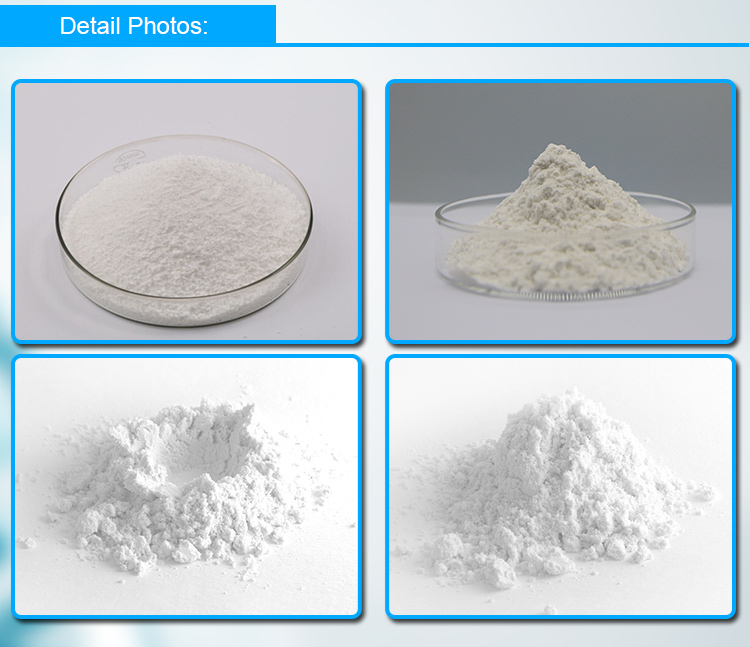
This product appears as a light yellow to yellowish-brown amorphous powder or uniform granules, with no irritating odor, non-toxic, non-volatile properties. It is easily soluble in water, and after dissolution, it rapidly hydrolyzes to form polynuclear hydroxyl complex ions. Through multiple synergistic effects such as electric neutralization, adsorption bridging, and sweeping and netting, it can quickly coagulate pollutants in water bodies such as suspended particles, colloidal impurities, phosphorus elements, organic matter, and heavy metal ions, achieving rapid separation of mud and water, thereby purifying water quality.
Solid polyferric sulfate, with its significant advantages such as strong flocculation effect, wide application range, low dosage, low treatment cost, safety, and no residue, is widely used in various fields including domestic drinking water purification, municipal sewage treatment, various industrial wastewater treatments, sludge dewatering conditioning, and river and lake water body governance. It is currently one of the most widely used and most adaptable flocculants in the water treatment industry, capable of meeting the diversified usage needs of different users, different water qualities, and different discharge standards.
This product is strictly produced, inspected, and delivered in accordance with the national standard GB/T 14591-2016 "Water Treatment Agent - Polyferric Sulfate". Each production process undergoes strict quality control, and each batch of products must pass full-item index testing to ensure that all indicators meet or exceed the national standard requirements. At the same time, products with different specifications and purities can be customized according to the special needs of users to adapt to various complex water treatment scenarios.II. Physical and Chemical Properties of the Product
The physical and chemical properties of solid polyferric sulfate are stable, and all performance indicators meet the usage standards for industrial grade and drinking water grade. The specific detailed parameters are as follows:
- Appearance properties: Light yellow, yellowish-brown amorphous powder or uniform granules, no obvious mechanical impurities, good fluidity, no caking (under sealed and dry storage conditions); if exposed to a humid environment, slight moisture absorption and caking may occur, but the caking does not affect the use effect. After dissolution, it can be added normally without generating additional impurities.
- Odor: No irritating odor, non-toxic, harmless, free of toxic and harmful volatile components. No harmful gases are generated during operation, and there is no obvious irritation to the human respiratory tract or skin.
- Solubility: Easily soluble in water with a fast dissolution rate. At room temperature (25°C), when solid PFS is added to clean water and stirred for 10-20 minutes, it can be completely dissolved. After dissolution, a reddish-brown transparent or semi-transparent aqueous solution is formed with no obvious insoluble substances. The dissolution rate accelerates as the water temperature rises. It can still dissolve normally in a low-temperature environment (0-10°C), only with a slightly prolonged dissolution time.
- Acidity and alkalinity: The pH value of a 1% aqueous solution is 2.0-3.0, showing weak acidity. It can be used without significantly adjusting the pH value of the water body, is suitable for most water environments, and will not cause drastic fluctuations in the acidity and alkalinity of the water body.
- Stability: Under sealed, dry, cool, and well-ventilated storage conditions, the product has good stability with a shelf life of up to 12 months. If stored in a humid and high-temperature environment, it may absorb moisture and agglomerate, but this does not affect the content of the active ingredients of the product. After dissolution, it can still perform the flocculation function normally.
- Corrosiveness: It has weak corrosiveness to commonly used water treatment equipment and pipelines such as carbon steel, stainless steel, PE, PP, and PVC, which is much lower than that of traditional chemicals like ferric chloride and sulfuric acid. There is no need for special anti-corrosion treatment on existing equipment, and it can be directly put into use, effectively extending the service life of the equipment and reducing equipment maintenance costs.
- Safety: It does not contain harmful substances such as aluminum ions, free chlorine, heavy metals (arsenic, lead, cadmium, mercury, hexavalent chromium, etc.). The treated effluent has no residues, no secondary pollution, and no phenomenon of iron ion transfer in the aqueous phase. It can be safely used for the purification of domestic drinking water and meets the national sanitary and safety standards for drinking water; after treatment, the sludge has no residual harmful components and can be used for subsequent disposal such as farmland improvement and garbage landfilling.
- Density: The bulk density of the solid is 1.3-1.5g/cm³, which is convenient for storage and transportation. The storage capacity per unit volume is high, which can effectively reduce storage and transportation costs.
- Particle size: The particle size of powdery products is 80-120 mesh, and the particle size of granular products is 2-5mm. The particle size specifications can be customized according to user needs to adapt to different dissolution and dosing equipment.
-
III. Product Production Process
Solid polyferric sulfate is produced using advanced domestic spray drying technology. The production process is mature and stable, with a high degree of automation and high production efficiency, enabling large-scale industrial production. At the same time, pollutant emissions during the production process are strictly controlled, meeting international environmental protection standards. The specific production process is as follows:
1.Raw material preparation and screening: Industrial-grade ferrous sulfate (FeSO₄·7H₂O) is selected as the main raw material with a purity of ≥98%. The contents of heavy metals and mechanical impurities in the raw materials are strictly controlled; at the same time, auxiliary raw materials such as industrial-grade sulfuric acid, oxidants (hydrogen peroxide or sodium chlorate), and special catalysts are prepared. All raw materials have undergone strict inspection to ensure they meet production standards and prevent unqualified raw materials from entering the production process.
- 2.Raw material pretreatment: Put the qualified ferrous sulfate raw materials into the pretreatment tank, add an appropriate amount of clean water, stir and dissolve to prepare a ferrous sulfate aqueous solution; then add an appropriate amount of industrial-grade sulfuric acid to adjust the acidity of the solution, remove impurities in the raw materials, let it stand for precipitation, and filter to remove insoluble impurities to obtain a pure ferrous sulfate mother liquor, ensuring the stability of subsequent reactions and the purity of the product.
- 3.Oxidative polymerization reaction: Feed the pretreated ferrous sulfate mother liquor into the reaction kettle, control the reaction temperature at 60-80℃, add oxidants and special catalysts, turn on the stirring device, and carry out the oxidative polymerization reaction; during the reaction process, strictly control parameters such as reaction temperature, acidity, and reaction time to oxidize ferrous ions (Fe²⁺) to ferric ions (Fe³⁺), and at the same time make the ferric ions undergo hydrolysis and polymerization reactions to form polynuclear hydroxyl complex iron polymers, which are the liquid polyferric sulfate semi-finished products.
- 4.Semi-finished product filtration and impurity removal: Send the reacted liquid polyferric sulfate semi-finished product into precision filtration equipment. Through multi-stage filtration, remove trace insoluble impurities, unreacted raw material residues, etc. in the solution to ensure the purity of the liquid semi-finished product and prevent impurities from affecting the subsequent drying effect and the quality of the final product.
- 5.High-temperature spray drying: Send the qualified filtered liquid polyferric sulfate semi-finished product into the spray drying tower, control the drying temperature at 200-250℃, atomize the liquid into tiny droplets through a high-pressure atomization device, and the droplets quickly dehydrate in the high-temperature air flow to form a powdery solid product; during the spray drying process, strictly control parameters such as drying temperature and air flow rate to ensure uniform product particle size, qualified moisture content, and avoid agglomeration, scorching and other phenomena.
- 6.Cooling and screening: Send the dried solid product into a cooler to cool it to room temperature (around 25℃), then send it into screening equipment. Through screens of different specifications, screen out products with uniform particle size, remove unqualified large particles, fine powders, etc., to ensure that the product particle size meets the standards; the unqualified products after screening can be sent back to the dissolution tank for secondary processing, so as to improve raw material utilization and reduce production costs.
- 7.Quality inspection: Take samples of the qualified products after screening and send them to the testing center for a full range of tests on indicators such as total iron content, basicity, pH value, insoluble substances, reducing substances, and heavy metals. The testing standards are strictly implemented in accordance with GB/T 14591-2016 "Water Treatment Agent - Polyferric Sulfate". Only products that meet all the standards can proceed to the next packaging step; unqualified products need to be reprocessed and re-inspected until they meet the standards.
- 8.Packaging and warehousing: For the qualified solid polyferric sulfate products that have passed the inspection, use standardized packaging. After sealed packaging, send them to the finished product warehouse, store them in categories, and properly label them (including product name, specification, production batch, production date, shelf life, manufacturer, etc.) to facilitate subsequent outbound delivery, transportation, and traceability.
-
IV. Product Mechanism of Action
In the process of water treatment, solid polyferric sulfate achieves efficient removal of various pollutants in water bodies mainly through the synergistic effect of multiple mechanisms such as electric neutralization, adsorption bridging, sweeping and net trapping, chemical precipitation, decolorization and deodorization. The specific mechanisms of action are as follows:
- 1. Electric Neutralization: After solid polyferric sulfate dissolves in water, it rapidly hydrolyzes to generate a large number of positively charged polynuclear hydroxyl complex cations (such as [Fe₂(OH)₄]²⁺, [Fe₃(OH)₆]³⁺, etc.). However, the surfaces of suspended particles and colloidal impurities (such as sediment, algae, organic colloids, etc.) in water bodies usually carry negative charges. Positive and negative charges attract each other, causing an electric neutralization reaction, which reduces the ζ potential of colloidal particles (the absolute value of ζ potential decreases to below 20-30mV). This makes the colloidal particles lose stability, undergo destabilization and aggregation, and form tiny flocs.
- 2. Adsorption and Bridging Effect: The long-chain structure of polymers formed by the hydrolysis of solid polyferric sulfate has strong adsorption capacity. It can simultaneously adsorb multiple destabilized colloidal particles and suspended particles in water bodies, connecting the dispersed particles together like a bridge. This causes tiny flocs to collide and merge with each other, forming large and dense alum flocs, which facilitates subsequent sedimentation and separation.
- 3. Sweeping and Netting Effect: During the sedimentation process of alum flocs, the flocs themselves have a certain weight and volume, acting like "brooms" to sweep and net tiny suspended particles, algae, organic debris, etc., in the water that have not been completely destabilized. They carry these substances into the sedimentation tank together, achieving complete separation of mud and water and further improving the water purification effect.
- 4. Chemical Precipitation: The ferric ions (Fe³⁺) generated by the hydrolysis of solid polyferric sulfate can quickly react with phosphate ions (PO₄³⁻) in water to form water-insoluble iron phosphate (FePO₄) precipitates, achieving deep removal of phosphorus in water, with a total phosphorus removal rate of 95%-99%. At the same time, ferric ions can also react with heavy metal ions in water (such as chromium, nickel, copper, zinc, cadmium, etc.) to form corresponding hydroxide precipitates (such as Cr(OH)₃, Ni(OH)₂, etc.). Through precipitation separation, the removal of heavy metal ions is achieved, with a removal rate of over 90%.
- 5. Decolorization and Deodorization: The polymer complex ions of solid polyferric sulfate have strong adsorption capacity, which can adsorb colored and odorous substances in water such as dye molecules, humus, and sulfides. At the same time, through coprecipitation, these substances are settled and removed together, thereby achieving the effects of decolorization and deodorization. It can effectively remove the chromaticity and odor in printing and dyeing wastewater, aquaculture wastewater, etc., making the treated effluent colorless, odorless, clear and transparent.
The above multiple mechanisms of action work synergistically, enabling solid polyferric sulfate to exhibit excellent performance in turbidity removal, phosphorus removal, decolorization, oil removal, demulsification, COD/BOD removal, heavy metal removal, deodorization, and other aspects. It can be adapted to water treatment scenarios with different water qualities and different types of pollutants, with stable and reliable treatment effects, which are far superior to traditional flocculants such as ferrous sulfate and aluminum sulfate.
V. Product Features and Advantages
5.1 Core Performance Advantages
- Strong flocculation effect, dense alum flocs, and fast sedimentation speed: Solid polyferric sulfate has a fast hydrolysis rate, forming coarse, dense alum flocs with a fast sedimentation speed, which can reach 12-18 m/h, much higher than that of traditional flocculants (the sedimentation speed of ferrous sulfate is 5-8 m/h, and that of aluminum sulfate is 8-10 m/h); it has a good mud-water separation effect, which can significantly shorten the sedimentation time, improve water treatment efficiency, reduce the floor area of sedimentation tanks, and lower the investment cost of water treatment equipment.
- Excellent deep phosphorus removal capability, the first choice for upgrading standards: It has a highly efficient removal effect on orthophosphate, organic phosphorus, and polymeric phosphorus in water bodies. The total phosphorus removal rate can reach 95%-99%, which can stably meet strict discharge standards such as urban sewage Class 1A, quasi-Class IV, and surface water Class IV. It is the first-choice agent for upgrading and transforming sewage treatment plants and ensuring industrial wastewater discharge up to standard. Meanwhile, no other auxiliary agents need to be added during the phosphorus removal process, which can reduce water treatment costs.
- Extremely wide applicable pH range and strong adaptability: It is applicable to water bodies with a pH value ranging from 4 to 11, with the optimal pH value for use being 6 to 9. It can achieve good treatment effects on acidic, neutral, and alkaline wastewater. There is no need to significantly adjust the pH value of the water body, which simplifies the water treatment process and reduces the cost of pH adjustment. It is particularly suitable for the treatment of industrial wastewater with large pH fluctuations (such as printing and dyeing wastewater, chemical wastewater, etc.).
- Strong adaptability to low-temperature and low-turbidity water, suitable for use all year round: It can still maintain good flocculation effect in low-temperature (0-10℃), low-turbidity, and slightly polluted source water, solving the problems of traditional flocculants (such as aluminum sulfate) which have poor flocculation effect, small flocs, and slow sedimentation at low temperatures in winter; it can play a stable role in drinking water purification in northern winter, municipal sewage treatment, and industrial wastewater treatment in low-temperature environments, realizing all-year-round use.
- Free of aluminum ions, safe with no residue, environmentally friendly and non-toxic: Compared with traditional aluminum salt flocculants (such as aluminum sulfate, polyaluminum chloride), solid polyferric sulfate does not contain aluminum ions, will not cause aluminum residue in water bodies, and avoids the harm of aluminum ions to human health (such as affecting bone development and damaging the nervous system) and the ecological environment; at the same time, the product does not contain harmful substances such as free chlorine and heavy metals. The effluent after treatment has no residue and no secondary pollution. The sludge is easy to dewater, contains no harmful components, and can be safely disposed of, which meets the national environmental protection policies and the requirements of sustainable development.
- Low corrosivity, friendly to equipment, and low maintenance cost: Its corrosivity is much lower than that of traditional agents such as ferric chloride and sulfuric acid. It has extremely weak corrosivity to commonly used water treatment equipment and pipelines such as carbon steel, stainless steel, PE, PP, and PVC. There is no need for special anti-corrosion treatment on existing equipment, and it can be put into use directly; at the same time, the product does not contain harmful impurities, will not block pipelines and dosing equipment, reduces the incidence of equipment failures, and lowers equipment maintenance costs and downtime losses.
- Small dosage and low comprehensive treatment cost: The product has a high content of active ingredients (total iron content). Under the same treatment effect, the dosage is only 1/3 - 1/2 of that of traditional ferrous sulfate and 1/2 - 2/3 of that of aluminum sulfate. At the same time, the sludge output is moderate (sludge output is 20% - 30% less than that of traditional aluminum salt flocculants), and the sludge dewatering difficulty is low, which can reduce the sludge treatment cost. Overall, the use of solid polyferric sulfate can reduce the comprehensive cost of water treatment by 15% - 30%, with extremely high cost performance.
- Comprehensive functions, multi-purpose in one product, and wide application scenarios: It has multiple functions such as flocculation, turbidity removal, decolorization, oil removal, demulsification, COD/BOD removal, heavy metal removal, deodorization, and sludge dewatering conditioning. There is no need to add multiple agents, which can simplify the water treatment process and reduce the cost of agent procurement; it can be widely used in various fields such as drinking water, municipal sewage, industrial wastewater, sludge dewatering, and river regulation, and is suitable for various complex water treatment scenarios.
-
5.2 Advantages of Product Form
- Solid form, convenient storage and transportation, low cost: Compared with liquid polyferric sulfate, solid products have smaller volume, lighter weight, and higher bulk density, occupying less space for storage and facilitating long-term storage; there is no need to use special tank trucks during transportation, and ordinary trucks can be used for transportation. The transportation cost is 60%-70% lower than that of liquid products, which is especially suitable for long-distance transportation and large-volume supply.
-
- Fast dissolution rate, convenient use, and automatic dosing capability: Powdered and granular products have good fluidity, are easily soluble in water, can be completely dissolved after stirring for 10-20 minutes without obvious agglomeration; they can be formulated into aqueous solutions of different concentrations according to the needs of water treatment processes, and automatic dosing can be realized through dosing pumps, which is simple and convenient to operate, can improve the efficiency of water treatment operations, and reduce labor intensity.
-
- High purity, few impurities, and stable use effect: Adopting advanced production technology and strict quality control, the product has high purity and low content of insoluble substances (≤0.5%), which will not block pipelines and dosing equipment, nor affect the water treatment effect; at the same time, the product quality is uniform and stable, with small differences in performance indicators among different batches, which can ensure the stability and consistency of the water treatment effect.
-
- Long shelf life and convenient storage: Under sealed, dry, cool, and ventilated storage conditions, the shelf life can reach 12 months, which is much longer than that of liquid polyferric sulfate (with a shelf life of 6 months). No special conditions are required during storage; only moisture, high temperature, and exposure to sunlight need to be avoided. This makes it convenient for enterprises to store for a long time to meet sudden water treatment needs.
5.3 Quality Advantages
- Strictly following national standards for production, ensuring that indicators meet the standards: The product is strictly produced and inspected in accordance with GB/T 14591-2016 "Water Treatment Agent - Polyferric Sulfate". Various indicators such as total iron content, basicity, insoluble substances, pH value, and heavy metals all meet or exceed the national standard requirements, which can ensure the stable and reliable quality of the product.
-
- Comprehensive quality control system with full-process traceability: A full-process quality control system has been established covering raw material procurement, production process, finished product inspection, and packaging and warehousing. Each process has detailed quality records, and each batch of products has a unique production batch number, enabling full-process traceability of product quality and ensuring that unqualified products do not enter the market.
-
- Professional testing team, precise quality control: We have a professional quality testing center equipped with advanced testing equipment (such as atomic absorption spectrophotometers, pH meters, densitometers, etc.) and professional testing personnel, which can accurately test various indicators of products to ensure that product quality meets standards; at the same time, we can provide third-party testing reports according to user needs to enhance product credibility.
-
VI. Main Uses and Application Scenarios
Solid polyferric sulfate has an extremely wide range of applications, covering various fields such as domestic drinking water purification, municipal sewage treatment, various industrial wastewater treatments, sludge dewatering conditioning, and river and lake water treatment. It can meet the water treatment needs of different industries and different water qualities. The specific uses and application scenarios are as follows:6.1 Drinking Water Treatment Field
Solid polyferric sulfate can be safely used for domestic drinking water purification, meeting the national drinking water hygiene and safety standards, and is mainly applied in the following scenarios:
- Raw water purification in urban water supply plants: Used for the treatment of raw water (river water, reservoir water, groundwater, etc.) in water supply plants, such as turbidity removal, algae removal, iron and manganese removal, and organic matter removal. It can quickly remove impurities such as suspended particles, algae, and humus from raw water, reduce the turbidity of raw water, improve water quality, and ensure that the effluent water meets GB 5749-2022 "Standards for Drinking Water Quality".
-
- Centralized water supply purification in villages and towns: Suitable for water treatment in small centralized water supply stations in villages, towns, mountainous areas, etc. It can simplify the water treatment process, reduce equipment investment and operating costs, quickly purify source water, solve problems such as turbidity and peculiar smell in drinking water for villagers and townspeople, and ensure the safety of residents' drinking water.
-
- Emergency drinking water purification: In emergency situations such as floods, earthquakes, etc., it can be used for emergency drinking water purification, quickly removing suspended impurities, bacteria, viruses, etc. from water, achieving rapid purification of drinking water, and ensuring the safety of drinking water for disaster-stricken people.
-
- Groundwater purification: Used for purifying groundwater with excessive iron and manganese content, it can remove iron ions (Fe²⁺) and manganese ions (Mn²⁺) from groundwater, making the groundwater meet drinking water standards. It is suitable for scenarios such as rural groundwater drinking and industrial groundwater reuse.
-
6.2 Municipal Sewage Treatment Field
Solid polyferric sulfate is a core agent for municipal sewage treatment. It can be used in primary treatment of domestic sewage, advanced treatment of secondary biochemical effluent, upgrading and reconstruction of sewage plants, etc. The specific applications are as follows:
- Primary treatment of domestic sewage: Used as a pre-treatment for domestic sewage, it quickly removes pollutants such as suspended particles, COD, BOD, and SS from the sewage, reduces the load of subsequent biochemical treatment, and improves the efficiency of biochemical treatment.
-
- Advanced treatment of secondary biochemical effluent: Used for the advanced treatment of secondary biochemical effluent from municipal sewage, focusing on removing phosphorus, suspended solids, chromaticity, etc. from the water, so that the effluent meets the first-class A discharge standard for urban sewage (GB 18918-2002) and can be reused as reclaimed water (such as for greening irrigation, road cleaning, landscape water, etc.).
-
- Upgrading and reconstruction of sewage treatment plants: To address the issue of substandard effluent quality (such as excessive total phosphorus) in existing sewage treatment plants, adding solid polyferric sulfate can achieve advanced phosphorus removal. It enables the effluent to meet higher discharge standards without large-scale modification of existing equipment, reduces the cost of upgrading and reconstruction, and shortens the reconstruction cycle.
-
- Sewage treatment in residential communities, schools, hospitals, and commercial areas: Suitable for water treatment in various small-scale sewage treatment stations (such as residential community sewage treatment stations, school sewage treatment stations, hospital sewage treatment stations, etc.), it can quickly purify sewage, achieve up-to-standard discharge or reclaimed water reuse, and solve the problem of sewage treatment in small-scale places.
-
6.3 Industrial Wastewater Treatment Field
Solid polyferric sulfate is suitable for the treatment of various types of industrial wastewater, especially industrial wastewater with high turbidity, high chromaticity, high phosphorus, high heavy metals, and high organic matter. The specific application scenarios are as follows:
- Treatment of printing and dyeing wastewater: Printing and dyeing wastewater is characterized by high chromaticity, high COD, large amount of suspended solids, and complex water quality. Solid polyferric sulfate can efficiently decolorize, remove COD and suspended solids, and at the same time remove pollutants such as phosphorus and heavy metals in the wastewater. The treated effluent can meet the discharge standards or be reused, making it the preferred agent for printing and dyeing wastewater treatment. It can be used for wastewater treatment in various printing and dyeing enterprises such as cotton spinning, chemical fiber, wool spinning, and silk.
-
- Papermaking wastewater treatment: Used for the treatment of papermaking wastewater, it can quickly remove fibers, suspended solids, COD, BOD, etc. from the wastewater, realize white water recovery (which can be recycled for papermaking production), and reduce water resource consumption; at the same time, it can remove the chromaticity and odor in papermaking wastewater, so that the treated wastewater can meet the discharge standards, and is suitable for wastewater treatment in enterprises such as pulping and papermaking.
-
- Electroplating and metallurgical wastewater treatment: Electroplating and metallurgical wastewater contains a large amount of heavy metal ions (such as chromium, nickel, copper, zinc, cadmium, lead, etc.). Solid polyferric sulfate can react with heavy metal ions to form insoluble hydroxide precipitates, achieving efficient removal of heavy metal ions with a removal rate of over 90%. At the same time, it can remove suspended solids, COD, etc. in the wastewater, enabling the treated wastewater to meet discharge standards. It is suitable for wastewater treatment in enterprises such as electroplating plants, metallurgical plants, and non-ferrous metal processing plants.
-
- Treatment of chemical and pharmaceutical wastewater: Chemical and pharmaceutical wastewater is characterized by complex composition, high toxicity, high COD, high chromaticity, and large fluctuations in pH value. Solid polyferric sulfate can achieve multiple effects such as demulsification, oil removal, flocculation, decolorization, and COD removal, reduce the toxicity of wastewater, improve the biodegradability of wastewater, and lay a foundation for subsequent biochemical treatment; it is suitable for wastewater treatment in enterprises such as chemical, pharmaceutical, and fine chemical industries.
-
- Treatment of food processing and breeding wastewater: Food processing and breeding wastewater contains a large amount of pollutants such as organic matter, suspended solids, ammonia nitrogen, and phosphorus. Solid polyferric sulfate can quickly remove suspended solids and organic matter from water, assist in removing ammonia nitrogen and phosphorus, and deodorize at the same time, so that the treated wastewater can meet the discharge standards; it is suitable for wastewater treatment in enterprises such as food processing plants, breeding farms, and slaughterhouses.
-
- Coal washing, sand washing, and mine wastewater treatment: Coal washing, sand washing, and mine wastewater contain a large amount of sediment and suspended solids, resulting in turbid water quality. Solid polyferric sulfate can quickly achieve mud-water separation, enabling the reuse of clear water (such as recycled water for coal washing and sand washing) and reducing water resource waste. At the same time, it can remove pollutants such as heavy metals and phosphorus from the wastewater, allowing the treated wastewater to meet discharge standards. It is suitable for wastewater treatment in enterprises such as coal mines, sand washing plants, and mines.
-
- Treatment of leather, paint, and coating wastewater: Leather, paint, and coating wastewater contain a large amount of pollutants such as grease, colloids, organic substances, and chromaticity. Solid polyferric sulfate can achieve demulsification, oil removal, flocculation, and decolorization, remove COD, suspended solids, etc. from the wastewater, so that the treated wastewater can meet the discharge standards; it is suitable for wastewater treatment in enterprises such as leather factories, paint factories, and coating factories.
-
- Breaking complexation treatment of electroplating wastewater: For electroplating wastewater containing complexed heavy metals (such as cyanide-complexed heavy metals), solid polyferric sulfate can destroy the structure of heavy metal complexes, release heavy metal ions, and then remove them through chemical precipitation, achieving the standard removal of heavy metal ions.
6.4 Sludge Dewatering and Conditioning Field
Solid polyferric sulfate can be used as a sludge dewatering conditioner, and when used in conjunction with polyacrylamide (PAM), it is applied to the dewatering conditioning of various types of sludge. The specific applications are as follows:
- Municipal sludge dewatering: It is used for the dewatering and conditioning of excess sludge from municipal wastewater treatment plants. It can improve the fluidity and dewatering performance of sludge, reduce the sludge moisture content (the sludge moisture content can be reduced from 98%-99% to 80%-85%), and facilitate the transportation and subsequent disposal of sludge (such as landfill, incineration, farmland improvement, etc.).
-
- Industrial sludge dewatering: It is used for the dewatering and conditioning of sludge generated by industrial enterprises such as printing and dyeing, papermaking, electroplating, and chemical industries. It can adjust the dosage according to the characteristics of different types of sludge, improve sludge dewatering performance, and reduce sludge treatment costs; it is especially suitable for the conditioning of difficult-to-dewater sludge (such as printing and dyeing sludge, chemical sludge).
-
- Principle of sludge conditioning: Solid polyferric sulfate can neutralize the negative charges on the surface of sludge particles, destabilizing and aggregating the sludge particles. At the same time, it adsorbs the moisture in the sludge, improves the floc structure of the sludge, and enhances the filter-press performance of the sludge. When used in conjunction with PAM, it can further strengthen the strength of sludge flocs, improve dehydration efficiency, and reduce sludge output.
-
6.5 Other Application Fields
- Purification of rivers, lakes, and landscape water bodies: It is used for the purification and treatment of natural water bodies such as rivers, lakes, and landscape water. It can remove pollutants such as suspended particles, algae, organic matter, and phosphorus from the water, improve water transparency, eliminate water odors, inhibit algae growth, and restore the aquatic ecological environment. It is suitable for the purification and treatment of urban landscape lakes, rivers, constructed wetlands, park water bodies, etc.
-
- Improvement of aquaculture water bodies: It is used for the improvement of aquaculture water bodies. It can remove suspended particles, organic matter, ammonia nitrogen, phosphorus, etc. from the water, improve water quality, increase dissolved oxygen in the water, inhibit the growth of harmful bacteria and algae, and provide a good growth environment for aquaculture organisms. It is suitable for water improvement in aquaculture sites such as fish ponds, shrimp ponds, and crab ponds.
-
- Pretreatment of landfill leachate: It is used for the pretreatment of leachate from landfills. It can remove pollutants such as suspended solids, COD, BOD, and heavy metals from the leachate, reduce the subsequent treatment load, and lay a foundation for the advanced treatment of leachate (such as biochemical treatment and membrane treatment). It is suitable for the treatment of leachate from landfills and waste incineration plants.
-
- Industrial production additives: used in the sand purification of the foundry industry, which can remove impurities in the sand, improve the strength and air permeability of the sand; used in the building materials industry, can be used as a concrete admixture to improve the performance of concrete; used in the leather industry.
-
VII. Technical Indicators and Quality Standards
This product strictly complies with the national standard GB/T 14591-2016 "Water Treatment Agent - Polyferric Sulfate". At the same time, products with different specifications and purities can be customized according to the special needs of users to ensure that the products meet the users' application requirements. The specific technical indicators, quality standards, and inspection rules are as follows:7.1 Technical Indicators (Solid PFS)
Solid polyferric sulfate is divided into two grades: superior grade and first grade. The technical indicators of different grades are shown in the table below, and all indicators comply with the requirements of GB/T 14591-2016 "Water Treatment Agent - Polyferric Sulfate".
ItemIndicator requirements for superior grade productsIndicator requirements for first-grade productsTest methodMass fraction of total iron (Fe), % ≥21.019.0GB/T 14591-2016Basicity, %12.0~16.012.0~16.0GB/T 14591-2016Mass fraction of reducing substances (calculated as Fe²⁺), % ≤0.150.15GB/T 14591-2016Mass fraction of insoluble matter, % ≤0.30.5GB/T 14591-2016pH (1% aqueous solution)2.0~3.02.0~3.0GB/T 14591-2016Arsenic (As), mg/kg ≤510GB/T 14591-2016Lead (Pb), mg/kg ≤1020 GB/T 14591-2016Cadmium (Cd), mg/kg ≤0.51 GB/T 14591-2016Mercury (Hg), mg/kg ≤0.250.5 GB/T 14591-2016Hexavalent chromium (Cr⁶⁺), mg/kg ≤2.55 GB/T 14591-2016Particle size (80-120 mesh), % ≥9590 Sieving methodBulk density, g/cm³1.3-1.51.3-1.5Density meter method7.2Quality Standard Requirements
7.2.1 Requirements for Appearance Quality
- First-class product: Uniform powder or granules from light yellow to yellowish-brown, with no obvious mechanical impurities, no caking, and good fluidity.
-
- First-class product: Light yellow to yellowish-brown powder or granules, no obvious mechanical impurities, a small amount of slight caking is allowed (the caking can be easily crushed without affecting use), and good fluidity.
7.2.2 Requirements for Physicochemical Quality
- Core physicochemical indicators such as total iron content, basicity, reducing substances, insoluble matter, and pH value must meet the technical requirements of the corresponding grade, and there must be no exceeding of standards.
-
- After the product is dissolved, the aqueous solution should be in a reddish-brown transparent or semi-transparent state, with no obvious insoluble substances, stable flocculation effect, large alum flocs, and fast sedimentation speed.
-
- The product has no pungent odor, is non-toxic and harmless, and does not contain harmful components such as aluminum ions and free chlorine. The effluent after treatment has no residues and no secondary pollution.
-
-
- 7.3 Inspection Rules
-
7.3.1 Factory Inspection
- Each batch of products must undergo factory inspection, and the inspection items include: appearance, total iron content, basicity, pH value, insoluble substances, and reducing substances.
-
- Factory inspection is the responsibility of the enterprise's quality inspection center. The inspection is carried out using the inspection methods specified in GB/T 14591-2016. Each batch of products must be accompanied by a factory inspection report and a product certificate of conformity, and can only leave the factory after passing the inspection.
-
- If any unqualified items are found in the factory inspection, the batch of products shall be subject to double sampling re-inspection, and can leave the factory only after passing the re-inspection; if the re-inspection is still unqualified, the batch of products shall be judged as unqualified, prohibited from leaving the factory, and shall be reworked or destroyed.
-
7.3.2 Formal Inspection
- During normal production, a type inspection shall be conducted at least once a year, and the inspection items shall include all indicators specified in the national standards (including physical and chemical indicators, heavy metal indicators, etc.).
-
- A type inspection shall be conducted immediately under any of the following circumstances:
-
-
- When there are significant changes in raw materials, production processes, or production equipment that may affect product quality,
-
- When resuming production after a long-term shutdown,
-
- When the national quality supervision authority puts forward requirements for type inspection,
-
- When a new product is put into production or an old product is converted to production,
-
- When the user puts forward special inspection requirements,
-
- Formal inspection can be conducted by the enterprise's quality inspection center or entrusted to a third-party authoritative testing institution. The inspection report must be archived for future reference to ensure that product quality is traceable.
-
7.3.3 Judgment Rules
- If all inspection items meet the requirements of this standard, the batch of products is judged to be qualified;
-
- If one or more inspection items are unqualified, double sampling can be conducted for re-inspection. If all items are qualified after re-inspection, the batch of products shall be judged as qualified.
-
- If there are still unqualified items after re-inspection, the batch of products shall be judged as unqualified and prohibited from leaving the factory, being sold, and being used.
-
7.4 Quality Assurance and After-sales Service
- Our company promises that all products leaving the factory comply with the requirements of GB/T 14591-2016 "Water Treatment Agent - Polyferric Sulfate", with stable and reliable quality. We can provide relevant qualification documents such as product inspection reports, certificates of conformity, and MSDS.
-
- If users find product quality issues during use (such as excessive indicators, poor flocculation effect, etc.), they can contact our company in a timely manner. Our company will respond within 24 hours, arrange professional and technical personnel to visit and troubleshoot, solve the problems, and can return or exchange the products if necessary.
-
- Our company can provide free technical guidance services. Based on the user's water quality, treatment process, discharge standards, etc., we will formulate a reasonable dosing plan for the user, help the user optimize the water treatment process, reduce treatment costs, and ensure that the treatment effect meets the standards.
-
VIII. Precautions for Use
- Solid polyferric sulfate is an acidic agent, and its aqueous solution is acidic. Operators should wear protective equipment such as gloves, goggles, and masks to avoid direct contact with the skin and eyes. If it accidentally comes into contact with the skin, immediately rinse with plenty of water. If it accidentally gets into the eyes, immediately rinse with plenty of flowing water for at least 15 minutes, and seek medical attention if necessary.
-
- It is strictly prohibited to mix and store or mix and add solid polyferric sulfate with strong alkaline substances (such as sodium hydroxide, quicklime, etc.), so as to avoid chemical reactions, the production of toxic and harmful gases, and at the same time affecting the effect of the agent.
-
- Dissolution and dosing equipment should be made of corrosion-resistant materials such as PE, PP, and PVC. The use of easily corrodible materials like carbon steel and stainless steel should be avoided to prevent corrosion and damage to the equipment.
-
- When preparing an aqueous solution, you should first add water, then add the medicine, and stir while adding to avoid solid particles caking, which affects the dissolution rate and the effectiveness of the agent; do not directly dry add, otherwise it will lead to excessive local concentration, form caking, fail to fully react, and affect the treatment effect.
-
- The dosage should be adjusted in real-time according to changes in water quality to avoid insufficient dosage (resulting in poor treatment efficiency) or excessive dosage (increasing treatment costs and potentially causing the iron content in the effluent to exceed the standard).
-
- When used in conjunction with PAM, PFS must be added first. After a thorough reaction, PAM is then added. They must not be added simultaneously, as this will affect the flocculation effect.
-
- During the storage of the product, moisture, high temperatures, and exposure to direct sunlight should be avoided. If slight caking occurs, it can be crushed and used normally without affecting the efficacy of the agent; if the caking is severe and cannot be crushed, its use should be prohibited.
-
- The treated sludge should be properly disposed of to avoid random stacking and prevent secondary pollution; PFS used in drinking water treatment must ensure
-
-
Basic Info-
Product Name:
Ferric sulfate
Other Name:Sulfuric acid,iron(3+) salt (3:2);Iron sulfate (Fe2(SO4)3);Ferric sulfate;Iron persulfate;Iron sesquisulfate;Iron(III) sulfate;Diiron trisulfate;Iron sulfate (2:3);Iron(3+) sulfate;Diiron(3+) sulfate;Amersep 5320;PIX 115;ViscoStat;FS-Pix;PIX 123;PIX 112;Stat Gel;497092-38-3;1299332-62-9
CAS No.:10028-22-5
Molecular Formula:Fe.3/2H2O4S
InChIKeys:InChIKey=MVZXTUSAYBWAAM-UHFFFAOYSA-N
Molecular Weight:399.88
Exact Mass:399.725
EC Number:233-072-9
UNII:3HWS7HF5XD
Categories:
Characteristics-
PSA:
266
XLogP3:-0.77660
Appearance:Yellow-gray Powder
Density:3.097 g/cm3 @ Temp: 18 °C
Melting Point:480 °C (decomp)
Boiling Point:101-118 °C @ Press: 760 Torr
Water Solubility:soluble in water.Sparingly soluble in alcohol.Almost insoluble in acetone and ethyl acetate.Insoluble in sulfuric acid and ammonia.
Storage Conditions:Store at RT.
Toxicity:Peritoneal-mouse LD50: 168 mg/kg
Flammability characteristics:Non-combustible; produces toxic iron and sulfur oxide fumes in the fire
Hazard IdentificationClassification of the substance or mixture
Corrosive to metals, Category 1
Acute toxicity - Category 4, Oral
Skin irritation, Category 2
Serious eye damage, Category 1
GHS label elements, including precautionary statements
Pictogram(s)

Signal word Danger
Hazard statement(s) H302 Harmful if swallowed
H315 Causes skin irritation
H318 Causes serious eye damage
Precautionary statement(s) Prevention P234 Keep only in original packaging.
P264 Wash ... thoroughly after handling.
P270 Do not eat, drink or smoke when using this product.
P280 Wear protective gloves/protective clothing/eye protection/face protection/hearing protection/...
Response P390 Absorb spillage to prevent material damage.
P301+P317 IF SWALLOWED: Get medical help.
P330 Rinse mouth.
P302+P352 IF ON SKIN: Wash with plenty of water/...
P321 Specific treatment (see ... on this label).
P332+P317 If skin irritation occurs: Get medical help.
P362+P364 Take off contaminated clothing and wash it before reuse.
P305+P354+P338 IF IN EYES: Immediately rinse with water for several minutes. Remove contact lenses, if present and easy to do. Continue rinsing.
P317 Get medical help.
Storage P406 Store in a corrosion resistant/...container with a resistant inner liner.
Disposal P501 Dispose of contents/container to an appropriate treatment and disposal facility in accordance with applicable laws and regulations, and product characteristics at time of disposal.
Other hazards which do not result in classification
no data available
Handling and StoragePrecautions for safe handling
Handling in a well ventilated place. Wear suitable protective clothing. Avoid contact with skin and eyes. Avoid formation of dust and aerosols. Use non-sparking tools. Prevent fire caused by electrostatic discharge steam.
Conditions for safe storage, including any incompatibilities
Keep well closed and protected from light.
-
Seller Information
-
Business Type:
Manufactory
-
Main Products:
Polyacrylamide,Polyaluminum Chloride,Poly Ferric Sulfate,Aluminium Sulfate,Activated Carbon / Activated Charcoal,Quartz Sand Filter Media
-
Location:
No. 162, Shuanghe Village, Jiajinkou Town, Gongyi City
-
Payment Terms:
TT against copy of documents,D/P,L/C,100% TT in advance
-
Year of Establishment:
2014
-
Certifications:
trademark,Business License
Henan Zhencheng Environmental Protection Technology Co., Ltd., founded in 2000, focuses on deep cultivation in the environmental protection field. It is mainly engaged in the whole-process services of production, sales, inspection, analysis and on-site commissioning of water treatment chemicals, water purifiers, activated carbon, filter media and fillers, and is committed to providing professional and efficient water treatment solutions for various industries.The company's main products cover multiple series, including:- Polyacrylamide (PAM)
- Polyaluminum Chloride (PAC)
- Poly Aluminum Ferric Chloride
- Poly Ferric Sulfate (PFS)
- Ferrous Sulfate
- Activated Carbon
- Filter Media
- Fillers, etc.
The company always adheres to the bottom line of quality. Its products strictly implement relevant national and industry standards, and adopt advanced production processes and testing equipment to ensure that each batch of products meets quality requirements. With stable and reliable product quality, the company's products are widely used in many core fields such as papermaking, printing and dyeing, sewage treatment, chemical industry, coal gas, metallurgy, urban construction and environmental protection, providing strong support for water purification and environmental governance in various industries.Over the years, the company has deeply cultivated the market and pursued innovation. Its products are sold to many countries and regions at home and abroad. With high-quality products and considerate services, it has won high praise and wide trust from global users, and its brand popularity and industry influence have steadily improved.Upholding the philosophy of "equality and mutual benefit, friendly cooperation and win-win development", Henan Zhencheng Environmental Protection Technology Co., Ltd. is willing to make acquaintances with friends from all walks of life at home and abroad, carry out comprehensive and in-depth cooperation in environmental protection engineering project construction, technical exchange, product promotion and other aspects, work together to purify water quality, protect the ecological environment, and build a beautiful home where man and nature live in harmony. -
-
Inquiry History14 Inquiries
Country Product Purchase Quantity Date Posted
Germany
Polyferric Sulfate
500 TON Jun 14, 2024
Australia
Ferric Sulphate 21%
1 20' Fcl Mar 9, 2026
Philippines
Ferric sulfate
50 MT Feb 10, 2026
Philippines
Ferric sulfate
60 MT Feb 6, 2026
Zambia
FERRIC SULPHATE
1.00 MT Sep 15, 2025
Indonesia
Ferric Sulfate
20 TON Sep 6, 2024
Democratic Republic of the Congo
POLYFERRIC SULFATE PFS ACID PLANT CONSUMABLES
12000 KG Jul 11, 2024
Jordan
Ferric sulphate granular
400 MT Dec 18, 2023
Azerbaijan
Iron (III) Sulfate
500.00 TON Sep 27, 2023
Canada
Ferric Sulfate pharma grade
50 KG Oct 15, 2024
Jordan
ferric sulfate
400 TON Nov 10, 2023
South Korea
Ferric sulfate
100 KG Jul 19, 2023
Mongolia
iron(iii)sulfate
52 MT Aug 7, 2025
Kazakstan
Polyferric Sulfate
7 MT Dec 23, 2025 Post an enquiry for this product
Related Products
-
Sulfuric acid list
7664-93-9
More Choices Find All Products for Sale
| Product Name | Grade / Content | Price | Supplier Name | Details |
|---|---|---|---|---|
| 10028-22-5 98% White Powder CAS 10028-22-5 Polyferric sulfate (PFS) in bulk | Industrial Grade/99.99 | Solutions Healthcare Services LLC | Inquiry | |
| Polymer Ferric Sulphate 96% packed in bag | Industrial Grade/96 | Zibo Dazhong Chemical Co.,Ltd. | Inquiry | |
| Flocculation Poly Ferric Sulphate/PFS -HOOCHEMTEC | Industrial Grade/21 | ZHENGZHOU HOO CHEMTEC CO.,LTD | Inquiry | |
| Ferric sulfate | Different Grade/99.9 | $0.1/KG EXW | Amitychem | Inquiry |
| Ferric Sulfate 99% Powder SAA0998912345 SAA | Industrial Grade/99 | $2300-2500/MT FOB | M A M M TRANDING ENTERPRISE | Inquiry |
Related Searches
- Aluminum magnesium hydroxide sulfate for sale
- (+)-Albuterol sulfate (1:1) for sale
- Benzenediazonium, 2-methoxy-4-(phenylamino)-, sulfate (1:1) for sale
- propyl hydrogen sulfate for sale
- 1-Octanaminium, N,N,N-trimethyl-, methyl sulfate (1:1) for sale
- Benzothiazolium, 2-[[[4-(dimethylamino)phenyl]imino]methyl]-3-ethyl-, ethyl sulfate (1:1) for sale
- Isoproterenol sulfate suppliers
- Vindesine sulfate suppliers
- Chromium hydroxide sulfate (Cr(OH)(SO4)) suppliers
- 1,4-Phenylenediamine Sulfate suppliers
- Guanidine, sulfate (1:?) suppliers
- 2-Amino-4-[(2-hydroxyethyl)amino]anisole sulfate suppliers