Product
Supplier
Encyclopedia
Inquiry
API Monensin buy - large image1
API Monensin buy - image1

API Monensin

3 Inquiries

Unit Price: Get Latest Price
CAS No.:

17090-79-8

Grade:

Pharmaceutical Grade

Content:

99%

Port:

shanghai

Brand:

Hyper Chem

Packaging:

20kg/Drum 25kg/Drum

Price valid (until):

2026-07-03

Company Type:
Trader
Location:
China
Qualification:
Main Products:

Pharmaceuticals,Peptide,Cosmetics,Nutritional Supplements

  • Product Description

  • Seller Information

  • Inquiry History

  • Description

    Name

    Monensin

    CAS number

    17090-79-8

    Description

    Monensin is a well-characterized polyether ionophore antibiotic widely used as an anticoccidial and fermentation-modulating agent. In vitro studies demonstrate that Monensin disrupts transmembrane ion gradients by exchanging Na⁺ and H⁺ across biological membranes, leading to osmotic imbalance, mitochondrial dysfunction, and inhibited growth of Gram-positive bacteria and protozoan parasites, including Eimeria spp. sporozoites. This ion transport disruption underpins its potent antiparasitic and antimicrobial activity at the cellular level. In vivo, Monensin is extensively applied in veterinary medicine, particularly in poultry and ruminants, where it effectively controls coccidiosis and optimizes rumen microbial populations. In cattle, it shifts volatile fatty acid production toward increased propionate yield, improving feed efficiency and energy utilization while reducing methane emissions. Its dual in vitro and in vivo bioactivity makes Monensin a valuable compound for research in membrane transport biology, veterinary parasitology, and agricultural productivity enhancement, with proven efficacy in modulating microbial ecosystems and improving animal health outcomes.

    Related CAS #

    17090-79-8 (free acid) 22373-78-0 (sodium)

    Synonym

    Monensin; Monensin A; Monensic acid; Monensina; Monensin ionophore, Monensin antibiotic, Monensin anticoccidial, Monensin mechanism of action, ionophore antibiotics, veterinary antimicrobial compounds, coccidiosis control agent, Eimeria treatment research, rumen fermentation modifier, feed efficiency cattle additive, methane reduction livestock, Na+/H+ ion transport inhibitor, microbial membrane disruptor, in vitro ionophore activity, in vivo Monensin effects, livestock growth performance enhancer, animal nutrition additive research, protozoal parasite inhibitor, Gram-positive bacteria control agent

    Appearance

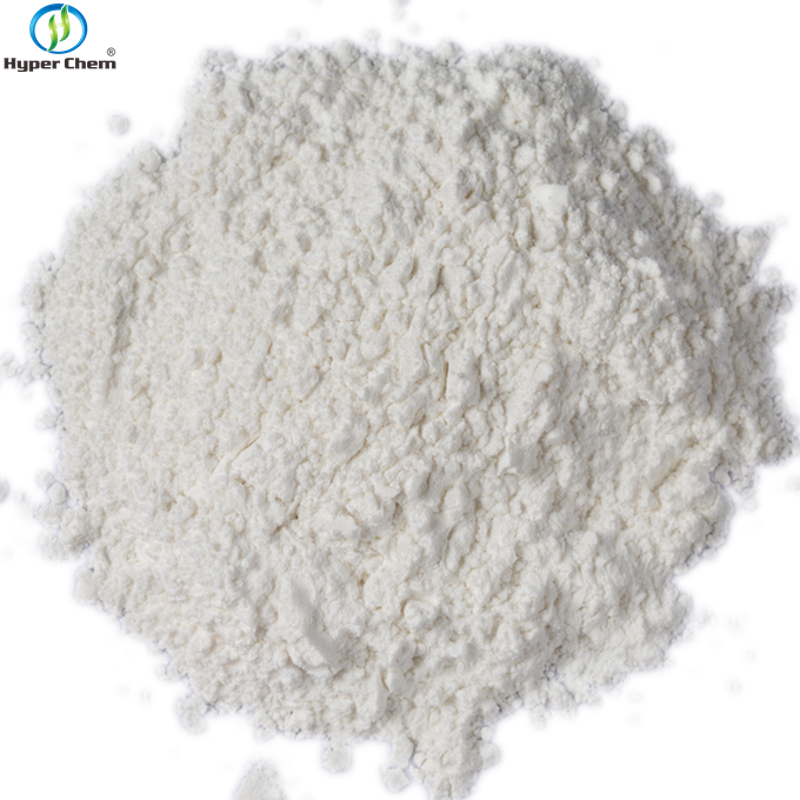
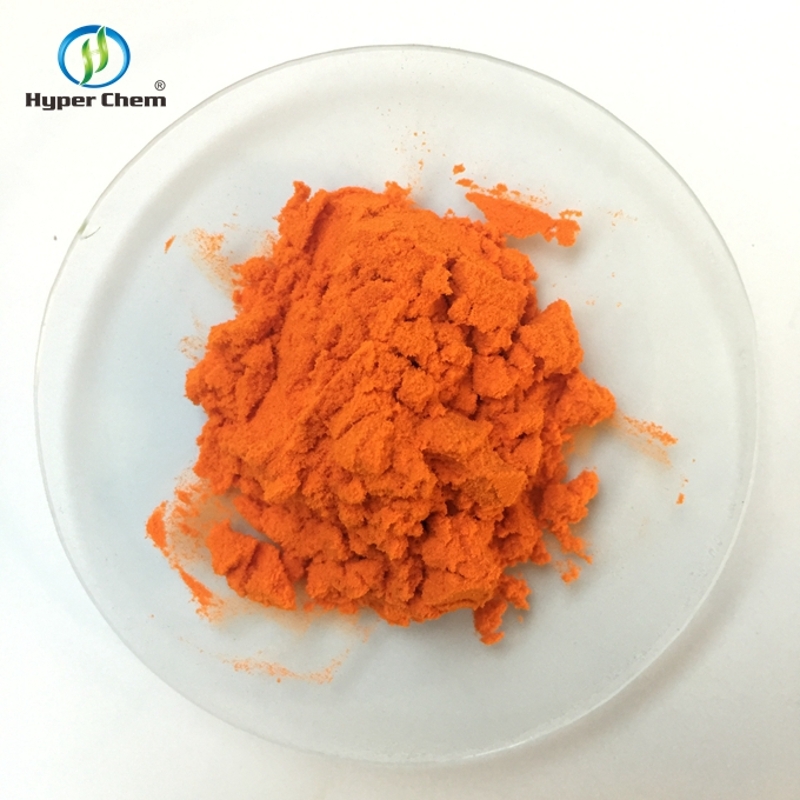
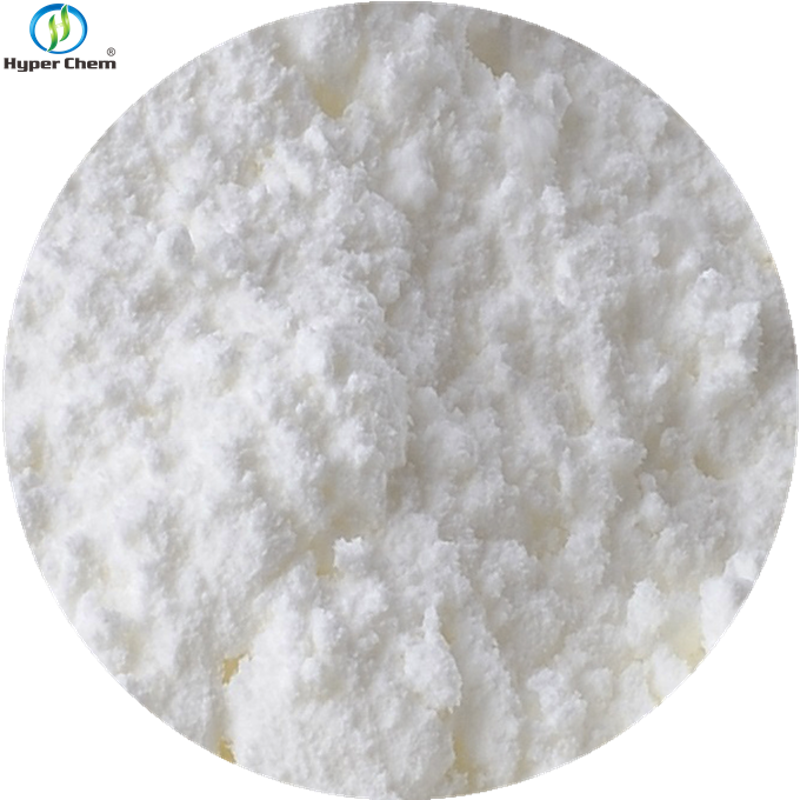
    Solid powder

    Quality Standard

    USP, EP, BP, CP

    Shipping Condition

    Shipped under ambient temperature as non-hazardous chemical. This product is stable enough for a few weeks during ordinary shipping and time spent in Customs.

    Storage Condition

    Dry, dark and at 0 - 4 for short term (days to weeks) or -20 for long term (months to years).

    Shelf Life

    >2 years if stored properly

    Sample package

    Aluminium foil bag

    Commercial package

    Aluminium Tin, Fiber drum

    Origin

    China


    Monensin More Info

    Monensin, also known as monensic acid, is an ionophore antibiotic belonging to the polyether monocarboxylic acid chemical family, which is a subclass of polyketides. It was discovered in 1967 by Agtarap and co-workers as a product of fermentation of Streptomyces cinnamonensis bacteria and was first synthesized in 1979 by Kishi.


    Chemical Identifiers:


    CAS Number: 22373-78-0

    Molecular Formula: C₃₆H₆₁NaO₁₁

    Molecular Weight: 692.85 g/mol

    Synonyms and Brand Names

    Common synonyms for Monensin include: Rumensin, Coban, Elancoban, Monensin A sodium salt, Monensin sodium salt, Sodium monensin. Other brand names include Monensin A Sodium Salt and Romensin.


    Product Forms and Specifications

    Monensin is available in multiple formulations including granular, powder, and premix forms. The commercial specifications include monensin sodium concentrations ranging from 8% to 20% in premix formulations. The product typically appears as white to pale yellow powder. Purity levels commonly range from 90% to 99%.


    Primary Applications and Indications

    Veterinary Animal Health

    Coccidiosis Control in Poultry:

    Monensin is primarily used as an anticoccidial agent for the prevention and treatment of coccidiosis in chickens and turkeys. It is effective against multiple Eimeria species including E. tenella, E. acervulina, E. brunetti, E. maxima, E. necatrix, E. mitis, and E. praecox in chickens. For turkeys, it targets E. adenoeides, E. meleagrimitis, E. gallopavonis, E. meleagridis, E. dispersa, E. adenoeides, and E. meleagrimitis.


    Livestock Applications:


    Beef Cattle: Used for improved feed efficiency in beef cattle (steers and heifers) fed in confinement for slaughter

    Dairy Cattle: Helps increase milk yield, control ketosis, and reduce bloat

    Goats: Prevents coccidiosis caused by Eimeria crandallis, Eimeria christenseni, and Eimeria ninakohlyakimovae in goats

    Laboratory Research Applications

    Monensin is widely used in biochemical research as a sodium ionophore. It is used to:


    Block Golgi apparatus transport in eukaryotic cells

    Disrupt vesicular transport

    Induce apoptosis in cancer cell studies

    Studies on bacterial, fungal, and parasitic infections

    Ion-selective electrodes and analytical chemistry research

    Mechanism of Action

    Monensin functions as a monovalent ionophore antibiotic that neutralizes acidic intracellular compartments. It forms lipophilic complexes with monovalent cations such as Li+, Na+, K+, and Rb+, facilitating their transport across cell membranes. The drug effect is optimal during the first two days of the coccidia life cycle, inhibiting sporozoites and first-generation schizonts.


    Monensin mediates Na+/H+ exchange and induces the expansion of multivesicular bodies (MVBs) while modulating exocytosis. The ionophore effect modifies the normal concentration gradient of Na+/K+, leading to cell death.


    Safety and Regulatory Information

    Species Toxicity

    Horses and Equines: Monensin is highly toxic to horses and other equines. The lethal dose for most horses is 2-3 mg/kg, equivalent to about 1,000 mg (1 gram) for the average horse. Ingestion by horses is fatal and can cause myocardial necrosis, heart failure, and death. There is no specific antidote for monensin or lasalocid toxicity.


    Other Animals: Consumption by unapproved species may result in toxic reactions. Dogs and pigs can also be affected by monensin ingestion.


    Usage Restrictions

    Intended Use: Feed additive only, NOT for human or medicinal use

    Veterinary Use Only: Federal law restricts the use of monensin medicated feed to licensed veterinarians

    Species Restrictions: Monensin medicated feeds are safe for use in cattle and goats only

    Withdrawal Time: Cattle must not be slaughtered within 28 days of the last treatment with certain combinations

    Storage and Handling

    Monensin sodium salt should be stored at -20°C in a dry environment for up to three years to maintain stability. For laboratory use, the typical storage condition is 4°C, sealed, away from moisture. Commercial feed additives should be stored in a cool and dry place. The product is typically packaged in 25kg drum or equivalent packaging.


    Physical and Chemical Characteristics

    Appearance: White to pale yellow crystalline powder


    Solubility: Soluble in ethanol to 100 mM

    EC Number: EINECS 244-941-7

    Grade: Available in pharmaceutical grade, veterinary grade, and research grade


    Clinical Signs of Monensin Poisoning in Horses

    Symptoms include depression, abnormal gaits (incoordination, weakness, and paresis), reduced appetite, colic, diarrhea, intermittent sweating, stiffness, and muscle weakness. Clinical signs may also include increased heart and respiratory rates, low blood pressure, and increased urination. The drug causes oxidative damage to mitochondria, particularly affecting cardiac muscle, which has the highest density of mitochondria.


    Shop API Monensin-Detailed Image 1

    Basic Info
    Product Name:

    Monensin

    Other Name:

    Monensin;1,6-Dioxaspiro[4.5]decane-7-butyric acid,2-[5-ethyltetrahydro-5-[tetrahydro-3-methyl-5-[tetrahydro-6-hydroxy-6-(hydroxymethyl)-3,5-dimethyl-2H-pyran-2-yl]-2-furyl]-2-furyl]-9-hydroxy-β-methoxy-α,γ,2,8-tetramethyl-;1,6-Dioxaspiro[4.5]decane,monensin deriv.;Monensic acid;Monensin A;Elancoban;Monelan;Stereoisomer of 2-[2-ethyloctahydro-3′-methyl-5′-[tetrahydro-6-hydroxy-6-(hydroxymethyl)-3,5-dimethyl-2H-pyran-2-yl][2,2′-bifuran]-5-yl]-9-hydroxy-β-methoxy-α,γ,2,8-tetramethyl-1,6-dioxaspiro[4.5]decane-7-butanoic acid;A 3823A;Rumensin CRC;Rumensin 90;1392-52-5;802902-12-1;1174269-36-3;1192273-30-5;2232232-61-8

    CAS No.:

    17090-79-8

    Molecular Formula:

    C36H62O11

    InChIKeys:

    InChIKey=GAOZTHIDHYLHMS-KEOBGNEYSA-N

    Molecular Weight:

    692.85

    Exact Mass:

    670.87

    EC Number:

    244-941-7

    NSC Number:

    343257

    DSSTox ID:

    DTXSID4048561

    Color/Form:

    Crystals

    Characteristics
    PSA:

    153

    XLogP3:

    log Kow = 5.43 (est)

    Density:

    1.0773 (rough estimate)

    Melting Point:

    103-105 °C

    Boiling Point:

    608.24°C (rough estimate)

    Refractive Index:

    1.5465 (estimate)

    Water Solubility:

    In water, 3.0X10⁻³ mg/L at 25 °C (est)

    Storage Conditions:

    2-8°C

    Vapor Pressure:

    5.2X10⁻²³ mm Hg at 25 °C (est)

    Toxicity:

    LD50 of monensin complex in mice, chicks (mg/kg): 43.8 ± 5.2, 284 ± 47 orally (Haney, Hoehn)

    Specific rotation:

    D +47.7°

    Dissociation Constants:

    pKa = 6.6 (in 66% N,N-dimethylformamide)|pKa = 4.2 (est)

    Experimental Properties:

    Very stable under alkaline conditions.|Off-white to tan, crystalline powder. MP: 267-269 °C. Specific optical rotation: +47.3 deg at 25 °C/D (methanol). Soluble in chloroform, methanol and other organic solvents; slightly soluble in water. Practically insolluble in solvent hexane. /Monensin sodium salt/

    Hazard Identification

    Classification of the substance or mixture

    no data available

    GHS label elements, including precautionary statements

    Pictogram(s) no data available
    Signal word

    no data available

    Hazard statement(s)

    no data available

    Precautionary statement(s)
    Prevention

    no data available

    Response

    no data available

    Storage

    no data available

    Disposal

    no data available

    Other hazards which do not result in classification

    no data available

    Handling and Storage

    Precautions for safe handling

    Handling in a well ventilated place. Wear suitable protective clothing. Avoid contact with skin and eyes. Avoid formation of dust and aerosols. Use non-sparking tools. Prevent fire caused by electrostatic discharge steam.

    Conditions for safe storage, including any incompatibilities

    Conditions for safe storage, including any incompatibilities: Keep container tightly closed in a dry and well-ventilated place. Recommended storage temperature: 2-8 deg C. Keep in a dry place. Monensin sodium salt

  • Seller Information
    Business Type:

    Trader

    Main Products:

    Pharmaceuticals,Peptide,Cosmetics,Nutritional Supplements

    Location:

    Rm. 803, Tower 4, LOFT49 Creative City Pioneer Zone, No.88 Jiru Rd. Gongshu Dist., Hangzhou, 310015 ZJ, China

    Payment Terms:

    TT against copy of documents,D/P,L/C,D/A,O/A,TT against B/L draft before shipment,100% TT in advance

    Average lead Time:

    10

    Total Annual Revenue:

    $5 million-$10 million

    Total Employees:

    11-50

    Year of Establishment:

    2013

    Certifications:

    Certification Report by Bureau Veritas

    About HyperChem

    Established in 2013, Hyper Chem has exclusive tie-ups with leading manufacturers, supplying raw materials produced in GMP and ISO 9002 certified facilities, and provides high-quality ingredients and raw materials to meet the needs of a diverse range of pharmaceutical cosmetics ingredients and nootropic supplements companies worldwide.

    Our Competitiveness

    One-stop supply

    Wide Range Of products including pharmaceutical, Cosmetic Ingredients and nootropic supplements

    Among all the pharmaceuticals,

    90% of them with GMP certificates,

    85% of them with DMF files and

    50% of them passed FDA approval,

    30% get CEP certificate

    20% are new R&D products.

    Custom Repackaging Service


    We can efficiently repackage your material into sample sizes, custom batch-specific sizes, or semi-bulk package sizes according to your specifications. And ensures the product is packaged in a quality-controlled environment and will maintain its integrity throughout every stage of the process.

    Quality Control/Quality Assurance


    HyperChem is committed to delivering on its promises of top-quality products with verified quality data.

    All materials are vigorously inspected by the factory and/or outsourced analytical laboratories to ensure each and every lot meets or exceeds our reference standards.

    Trade assurance service with 100% payment protection, It is best achieved by delivering products and services 100% right the first time, on time, every time.

    Professional

    Transparent Communication

    Fast Reaction,

    Professional Suggestion

    Beyond Expectation.

    We have exclusive partnerships with research and production facilities across the country and we offer varied pharmaceutical services in the most cost-efficient way. The production facilities are GMP, WHO-GMP, EU GMP and US FDA approved and are backed by strong regulatory support such as Dossier, DMF, Tech Pack and relevant Stability studies for regulatory filings.

  • Inquiry History
    3 Inquiries
    Country Product Purchase Quantity Date Posted
    Thailand

    Monensin

    4000 KG Sep 9, 2024
    Brazil

    Monensin

    27 MT Oct 6, 2023
    Peru

    Monensin

    100 G Jun 2, 2026
    Post an enquiry for this product
pic ×

Scan the QR Code to Share

All products displayed on this website are only for non-medical purposes such as industrial applications or scientific research, and cannot be used for clinical diagnosis or treatment of humans or animals. They are not medicinal or edible.

According to relevant laws and regulations and the regulations of this website, units or individuals who purchase hazardous materials should obtain valid qualifications and qualification conditions.

The information shown above is provided by the enterprise itself, and the authenticity, accuracy and legitimacy of the content are the responsibility of the publishing company. ECHEMI does not bear any guarantee responsibility for this. Please be aware that risks in internet transactions objectively exist.

Feedback & Suggestions
Send Message

Thank you for your feedback. If you require further assistance, please contact us by email at info@echemi.com or call us at +86-532-55729510.