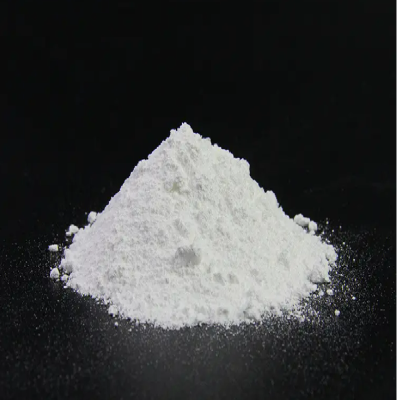
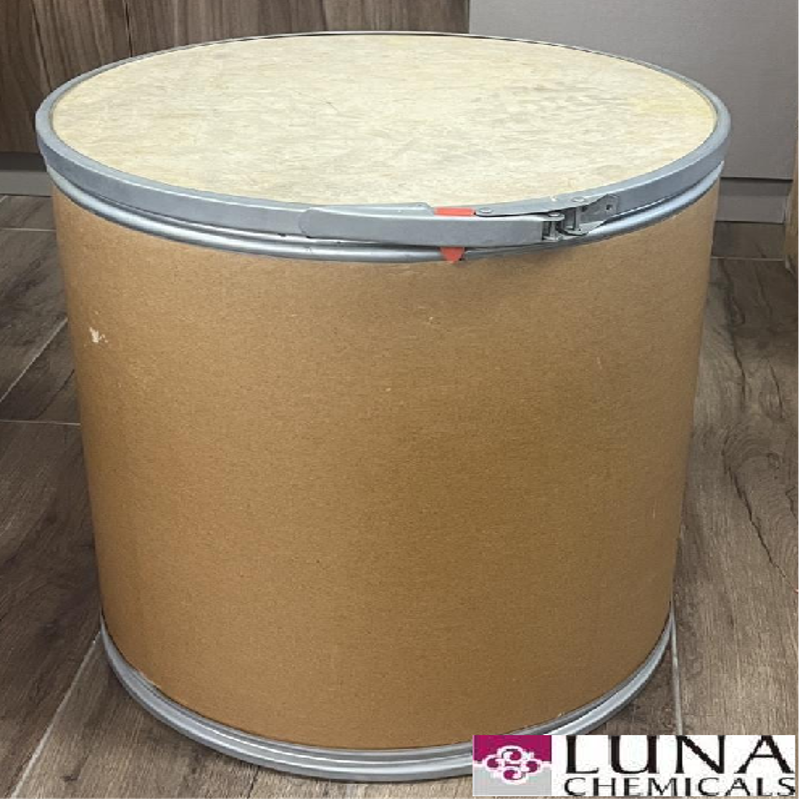
| Overview | Iodomethane is also commonly called methyl iodide. It is a volatile liquid related to methane by replacement of hydrogen. Iodomethane is miscible with common organic solvents. It is colourless, although upon exposure to light, samples develop a purplish tinge. Iodomethane (methyl iodide) is widely used in organic synthesis to deliver a methyl group, via the transformation called methylation.[1]
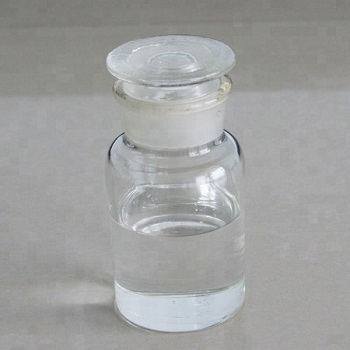
Iodomethane(also known as methyl iodide), is a kind of alkyl halide. It is naturally emitted by rice plantations in small amounts. Algae are a great natural producer of it with annual output of being greater than 214,000 tons. Therefore, it exists in ocean in large amount. Terrestrial fungi and bacteria also produce certain amount of iodomethane[2, 3]. It is used in organic synthesis as a source of methyl groups.
Methyl iodide had been approved for use as a pesticide by the United States Environmental Protection Agency in 2007 as a pre-plant biocide used to control insects, plant parasitic nematodes, soil borne pathogens, and weed seeds in vegetables such as. It was registered for use as a pre-plant soil treatment for field grown strawberries, peppers, nut crops, tomatoes, grape vines, ornamentals and turf and nursery grown strawberries, stone fruits, tree nuts, and conifer trees. After the discovery phase in a consumer lawsuit, the manufacturer withdrew the fumigant citing its lack of market viability[4]. |
| Physicochemical properties | Iodomethane, an alkyl halide, is a colorless to pale yellow liquid with an acrid odor. It is stable at room temperature in sealed containers, non-corrosive to metals, and incompatible with strong oxidizing and reducing agents. On exposure to light and moisture, the color turns yellow, red or brown due to decomposition and the liberation of free iodine. When heated to decomposition in air at 270 degree, toxic iodine vapors are emitted. Iodomethane is soluble in water, and is miscible with alcohol and ether[5-7]. |
| Synthesis | Iodomethane can be synthesized by the following several methods[8]:
I. The reaction between methanol with phosphorus triiodide
II. The reaction of dimethyl sulfate with potassium iodide in the presence of calcium carbonate
III. The reaction of methanol with aqueous hydrogen iodide.
IV. The reaction of iodoform with potassium hydroxide and dimethyl sulfate in the presence of ethanol. |
| Application | Iodomethane is a useful methylating agent that mediates the alkylation of carbon, oxygen, sulfur, nitrogen and phosphorus nucleophiles[9, 10]. For example, phenol reacts with methyl iodide to give anisole. In the Monsanto process, the in situ formed iodomethane reacts with carbon monoxide in the presence of a rhodium complex to give acetyl iodide, which on hydrolysis yields acetic acid[11]. It reacts with magnesium to form the Grignard reagent, methyl-magnesium iodide used in organic synthesis[12]. It also finds applications as an intermediate in the manufacture of pharmaceuticals and in phase-transfer catalysts.
Methyl iodide can also be used as a kind of pesticide used to control insects, plant parasitic nematodes, soil borne pathogens, and weed seeds in vegetables. It can be used in the field growing strawberries, peppers, nut crops, tomatoes, grape vines, ornamentals and turf and nursery growing strawberries, stone fruits, tree nuts, and conifer trees. Its fumigant action is thought to be via the nucleophilic displacement(SN2) reaction in various amino acids and peptides within target organisms. It can also be used as a fire extinguisher[4, 5, 13, 14]. |
| Regulation | Methyl bromide is scheduled for elimination as a soil fumigant and iodomethane has been proposed as an alternative[15-18]. Based on the atmospheric lifetime, global warming potential, and ozone depletion potential, the U.S. Environmental Protection Agency(USEPA) has identified iodomethane as a reduced risk alternative to methyl bromide.
In October, 2007, the USEPA issued a one year time-limited registration of iodomethane. In April 2009, USEPA extended conditional registration of iodomethate without specifying any time limits. The USEPA website provides details of the registration[19]. An application for California registration is currently being evaluated by DPR. Due to its acute toxicity, proposed products containing iodomethane are labeled as restricted use pesticides. |
| Warning and toxicity | Iodomethane may have certain toxicity when exposure to human and animals[20-22]. In humans, acute[short-term] exposure when inhaling iodomethane may depress the central nervous system(CNS), irritate the lungs and skin, and affect the kidneys[20]. Massive acute inhalation exposure to methyl iodide has led to pulmonary edema. Acute inhalation exposure of humans to methyl iodide has resulted in nausea, vomiting, vertigo, ataxia, slurred speech, drowsiness, skin blistering, and eye irritation[20, 21]. Chronic(long-term) exposure of humans to methyl iodide by inhalation may affect the CNS and cause skin burns in animals and humans. EPA has not classified methyl iodide for potential carcinogenicity[20-22]. |
| References | - K. R. Redeker; N.-Y. Wang; J. C. Low; A. McMillan; S. C. Tyler & R. J. Cicerone[2000]. "Emissions of Methyl Halides and Methane from Rice Paddies". Science. 290[5493]: 966–969. doi:10.1126/science.290.5493.966.
- https://www.sfgate.com/green/article/Methyl-iodide-gains-state-OK-for-use-on-crops-2455128.php
- https://www.mercurynews.com/2012/03/20/maker-of-methyl-iodide-scraps-controversial-pesticide/https://sitem.herts.ac.uk/aeru/ppdb/en/Reports/1233.htm
- Keigwin, Richard P. "Iodomethane; Notice of Receipt of Request to Voluntarily Cancel Iodomethane Pesticide Registrations and Amend a Registration." Federal Register[2012].
- DPR. 2002a. Product chemistry #1. Volume No. 52875-4, Department of Pesticide Regulation, Registration Branch, Sacramento, California.
- Meister, R.T., ed. 2004. Crop protection handbook. Meister Publishing Company, Willoughby.
- O’Neil, M.J. 2001. The Merck index, 13th ed. Merck & Co., Whitehouse Station, New Jersey.
- http://www.orgsyn.org/demo.aspx?prep=CV2P0399
- Sulikowski, Gary A., and M. M. Sulikowski. Iodomethane. e-EROS Encyclopedia of Reagents for Organic Synthesis. John Wiley & Sons, Ltd, 2005.
- Erk, B.; Boll, R., Trippel, S.; Anielski, D.; Foucar, L.; Rudek, B.; Rudenko, A. Imaging charge transfer in iodomethane upon x-ray photoabsorption. Science 2014, 345[6194], 288-291.
- Dong, Y.; Brooks, J. D.; Chen, T. L.; Mullins, D. R.; Cox, D. F. Reactions of methyl groups on a non-reducible metal oxide: The reaction of iodomethane on stoichiometric alpha-Cr 2 O 3[0001]. Surf. Sci. 2015, 641, 148-153.
- Bodewitz, H. W. J. J., et al. "The formation of grignard compounds—V: The reaction of iodomethane with magnesium in allyl phenyl ether. A second-order cidnp spectrum." Tetrahedron 34.16(1978]: 2523-2527.
- https://sitem.herts.ac.uk/aeru/ppdb/en/Reports/1233.htm
- G.D. Clayton and F.E. Clayton, Eds. Patty's Industrial Hygiene and Toxicology. Volume IIB. 3rd revised ed. John Wiley & Sons, New York. 1981.
- Ohr, H.D., J.J. Sims, N.M. Grech, J.O. Becker, and M.E. Mcgriffen. 1996. Methyl iodide, an ozone-safe alternative to methyl bromide as a soil fumigant. Plant Dis. 80(7]: 731-735.
- Sims, J.J., N.M. Grech, J.O. Becker, M.E. McGiffen, and H.D. Ohr. 1995. Methyl iodide: a potential alternative to methyl bromide. Page 46 in Proc. Of the Second Annual Int. Res. Conf. On Methyl Bromide Alternatives and Emissions Reductions, San Diego. 6-8 Nov. 1995. Methyl Bromide Alternative Outreach, Fresno, CA.
- U.S. Environmental Protection Agency. 1993. Protection of stratospheric ozone. RED. Reg. 58(51]:15014-15049.
- The United Nations Environmental Programmes. 1995. The Montreal protocol on substances that deplete the ozone layer. 1994 Report of the Methyl Bromide Technical Option Committee. UNEP, Nairobi, Kenya.
- http://www.epa.gov/pesticides/factsheets/iodomethane_fs.htm
- M. Sittig. Handbook of Toxic and Hazardous Chemicals and Carcinogens. 2nd ed. Noyes Publications, Park Ridge, NJ. 1985.
- The Merck Index. An Encyclopedia of Chemicals, Drugs, and Biologicals. 11th ed. Ed. S. Budavari. Merck and Co. Inc., Rahway, NJ. 1989.
- https://www.epa.gov/sites/production/files/2016-09/documents/methyl-iodide.pdf
|
| Description | Methyl iodide is a colorless liquid with a pungent, ether-like odor. Turns yellow, red, or brown on exposureto light and moisture. Molecular weight = 141.94; Specificgravity (H2O:1) 5 2.28; Boiling point = 42.8℃; Vaporpressure 5 400 mmHg; Freezing/Melting point 5 2 66.7℃.It is noncombustible. Hazard Identification (based on NFPA704 M Rating System): Health 2, Flammability 1, Reactivity0. Slightly soluble in water; solubility 5 1%. |
| Chemical Properties | light yellow to light pink liquid |
| Chemical Properties | Methyl iodide is a colorless liquid. Pungent, ethereal odor. Turns yellow, red, or brown on exposure to light and moisture. |
| Physical properties | Clear, colorless liquid which may become yellow, red, or brown on exposure to light and moisture |
| Uses | Methyl iodide is used in the analysis of pyridine; microscopy; as an embedding materialfor examining diatoms (Merck 1996); and asa methylating agent. |
| Uses | .Iodomethane is an approved pesticide used to control insects, plant parasitic nematodes, soil borne pathogens and weed seeds. |
| Uses | Methylating agent; in microscopy because of its high refractive index; as imbedding material for examining diatoms; in testing for pyridine. Light sensitive etching agent for electronic circuits; component in fire extinguishers. |
| Definition | ChEBI: A member of the class of iodomethanes that is methane in which one of the hydrogens is replaced by iodine. |
| Definition | (methyl iodide; CH3I) A liquid alkyl halide made by reaction of methanol with iodine in the presence of red phosphorus. |
| Production Methods | Methyl iodide has had very limited use as a chemical intermediate (methylations), and in microscopy because of its high refractive index, as imbedding materials for examining diatoms, and in tests for pyridine. It has been proposed as a fire extinguisher and insecticidal fumigant. It is a product of natural biological processes. Methyl iodide is a currently registered pesticide. |
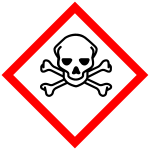
| General Description | A colorless liquid that turns brown on exposure to light. Denser than water. Contact may irritate skin, eyes and mucous membranes. Very toxic by ingestion, inhalation and skin absorption. |
| Air & Water Reactions | Soluble in water. Sinks and slowly decomposes in water forming poisonous vapor cloud of HI. |
| Reactivity Profile | Halogenated aliphatic compounds, such as Iodomethane, are moderately or very reactive. Reactivity generally decreases with increased degree of substitution of halogen for hydrogen atoms. Low molecular weight haloalkanes are highly flammable and can react with some metals to form dangerous products. Materials in this group are incompatible with strong oxidizing and reducing agents. Also, they are incompatible with many amines, alkylphosphines, nitrides, azo/diazo compounds, alkali metals (sodium), and epoxides. |
| Hazard | Toxic by ingestion, inhalation, and skinabsorption; narcotic, irritant to skin. Eye damageand central nervous system impairment. Question-able carcinogen. |
| Health Hazard | The acute toxicity of methyl iodide is moderate by ingestion, inhalation, and skin contact. This substance is readily absorbed through the skin and may cause systemic toxicity as a result. Methyl iodide is moderately irritating upon contact with the skin and eyes. Methyl iodide is an acute neurotoxin. Symptoms of exposure (which may be delayed for several hours) can include nausea, vomiting, diarrhea, drowsiness, slurred speech, visual disturbances, and tremor. Massive overexposure may cause pulmonary edema, convulsions, coma, and death.
Chronic exposure to methyl iodide vapor may cause neurotoxic effects such as dizziness, drowsiness, and blurred vision. There is limited evidence for the carcinogenicity of methyl iodide to experimental animals; it is not classified as an OSHA "select carcinogen." |
| Health Hazard | Inhalation of vapor causes lung congestion and pulmonary edema. Higher concentrations causes rapid narcosis and death. Contact with liquid irritates eyes and burns skin. |
| Health Hazard | The acute oral toxicity and inhalation toxicity of methyl iodide is moderate in test animals. It is more toxic than methyl bromide.The toxic symptoms are nausea, vomiting,diarrhea, ataxia, drowsiness, slurred speech,visual disturbances, and tremor. Pulmonaryedema, coma, and death can result from massive exposures. The vapors are an irritantto the eyes. Repeated exposures may causedepression of the central nervous system.Prolonged contact with the liquid can causeskin burn and dermatitis. The reported valuesof LD50, as well as LC50, for this compoundas published in the literature show variations.The fatal doses by inhalation and ingestionare 900 ppm/h in mice and 150 mg/kg inrats, respectively (Buckell 1950)
.Methyl iodide exhibited carcinogenic pro perties in test animals. Administration of thiscompound produced tumors in lungs andcolon. ACGIH (1986) lists it as a suspectedhuman carcinogen. |
| Fire Hazard | Noncombustible. High vapor pressure may cause containers to burst at elevated temperatures. |
| Flammability and Explosibility | Noncombustible. High vapor pressure may cause containers to burst at elevated temperatures. |
| Safety Profile | Confirmed carcinogen with experimental neoplastigenic and tumorigenic data. A poison by ingestion, intraperitoneal, and subcutaneous routes. Moderately toxic by inhalation and skin contact. A human skin irritant. Human mutation data reported. A strong narcotic and anesthetic. Explosive reaction with trialkylphosphines, silver chlorite. Violent reaction with oxygen (at 3000C), sodium. When heated to decomposition it emits toxic fumes of I-. |
| Potential Exposure | Methyl iodide is used in fire extinguishers; as an intermediate in the manufacture of pharmaceuticals and some pesticides. |
| First aid | If this chemical gets into the eyes, remove anycontact lenses at once and irrigate immediately for at least15 min, occasionally lifting upper and lower lids. Seek med-First Aid: If this chemical gets into the eyes, remove anycontact lenses at once and irrigate immediately for at least15 min, occasionally lifting upper and lower lids. Seek med-ical attention immediately. If this chemical contacts theskin, remove contaminated clothing and wash immediatelywith soap and water. Seek medical attention immediately. Ifthis chemical has been inhaled, remove from exposure,begin rescue breathing (using universal precautions, includ-ing resuscitation mask) if breathing has stopped and CPR ifheart action has stopped. Transfer promptly to a medicalfacility. When this chemical has been swallowed, get medi-cal attention. If victim is conscious, administer water ormilk. Do not induce vomiting. Medical observation isrecommended for 24- -48 h after breathing overexposure, aspulmonary edema may be delayed. As first aid for pulmo-nary edema, a doctor or authorized paramedic may consideradministering a corticosteroid spray.Note to physician:Treatfor methemoglobinemia.Spectrophotometry may be required for precise determina-tion of levels of methemoglobin in urine. |
| Carcinogenicity | Druckrey et al. reported local sarcomas following weekly subcutaneous injection in BD strain rats. Strain A mice (a susceptible strain) that were injected with methyl iodide were reported to have a slight but significant increase in the number of lung tumors per mouse. Poirer et al. administered iodomethane dissolved in tricaprylin to male and female strain A mice (10/sex/dose) three times weekly by intraperitoneal injection. There was a marginally statistically significant trend for increased lung tumors in treated mice but the outcome was considered equivocal: no clear dose–response relationship and occurrence of spontaneous tumors in untreated mice.
Under the 2005 Guidelines for Carcinogen Risk Assessment (121), the lack of available evidence suggests that there is “inadequate information to assess the carcinogenic potential for iodomethane.”
An early evaluation by the IARC classified iodomethane as carcinogenic in rats. Two subsequent evaluations (123, 124) determined that there is limited evidence for carcinogenicity in experimental animals and the compound is not classifiable regarding carcinogenicity to humans. ACGIH has also reviewed iodomethane carcinogenicity and classified it as category A2, suspected human carcinogen; however, the A2 classification was withdrawn in 1996. Iodomethane was delisted as a carcinogen in the NTP 5th Annual Report on Carcinogens on the basis of the 1986 IARC reevaluation. NTP has not tested iodomethane for carcinogenicity. The State of California determined under Proposition 65 that methyl iodide is a carcinogen, based on the 1977 IARC evaluation. Neither a Toxicological Profile nor an Environmental Health Criteria Monograph has been published. |
| Environmental fate | Chemical/Physical. Anticipated products from the reaction of methyl iodide with ozone or OH radicals in the atmosphere are formaldehyde, iodoformaldehyde, carbon monoxide, and iodine radicals (Cupitt, 1980). With OH radicals, CH2, methyl radical, HOI and water are possible reaction products (Brown et al., 1990). The estimated half-life of methyl iodide in the atmosphere, based on a measured rate constant for the vapor phase reaction with OH radicals, ranges from 535 h to 32 wk (Garraway and Donovan, 1979).
Hydrolyzes in water forming methyl alcohol and hydriodic acid. The estimated half-life in water at 25 °C and pH 7 is 110 d (Mabey and Mill, 1978). At 70 °C, the hydrolysis rate was determined to be 3.2 x 10⁻⁵/sec which is equivalent to a half-life of 6 h. (Glows and Wren, 2003). May react with chlorides in seawater to form methyl chloride (Zafiriou, 1975). |
| storage | Color Code—Blue: Health Hazard/Poison: Storein a secure poison location. Prior to working with thischemical you should be trained on its proper handling andstorage. Store in tightly closed containers in a cool, wellventilated area away from oxidizers. Where possible, automatically pump liquid from drums or other storage containers to process containers. A regulated, marked area shouldbe established where this chemical is handled, used, orstored in compliance with OSHA Standard 1910.1045. |
| Shipping | UN2644 Methyl iodide, Hazard Class: 6.1; Labels: 6.1-Poison Inhalation Hazard, Inhalation Hazard Zone B |
| Purification Methods | Methyl iodide deteriorates rapidly with liberation of iodine if exposed to light. It is usually purified by shaking with dilute aqueous Na2S2O3 or NaHSO3 until colourless, then washing with water, dilute aqueous Na2CO3, and more water, drying with CaCl2 and distilling. It is stored in a brown bottle away from sunlight in contact with a small amount of mercury, powdered silver or copper. (Prolonged exposure of mercury to methyl iodide forms methylmercuric iodide.) Methyl iodide can be dried further using CaSO4 or P2O5. An alternative purification is by percolation through a column of silica gel or activated alumina, then distillation. The solution can be degassed by using a repeated freeze-pump-thaw cycle. [Beilstein 1 IV 87.] |
| Incompatibilities | May form explosive mixture with air. Slowly reacts with water forming poisonous hydrogen iodide. Incompatible with oxidizers (chlorates, nitrates, peroxides, permanganates, perchlorates, chlorine, bromine, fluorine, etc.); contact may cause fires or explosions. Keep away from alkaline materials, strong bases, strong acids, oxoacids, epoxides. Violent reaction with strong oxidizers, strong reducing agents, strong bases; trialkylphosphines, silver chlorite; calcium, oxygen, sodium. Decomposes @ 270�C. Halogenated aliphatic compounds are moderately or very reactive. Halogenated organics generally become less reactive as more of their hydrogen atoms are replaced with halogen atoms. Low molecular weight haloalkanes are highly flammable and can react with some metals to form dangerous products. Materials in this group are incompatible with strong oxidizing and reducing agents. Also, they are incompatible with many amines, alkylphosphines, nitrides, azo/diazo compounds, alkali metals (sodium), and epoxides |
| Toxics Screening Level | The initial threshold screening level (ITSL) for methyl iodide (a.k.a., iodomethane) is 120 μg/m3 with an 8 hour averaging time (AT). |
| Waste Disposal | Consult with environmental regulatory agencies for guidance on acceptable disposal practices. Generators of waste containing this contaminant (≥100 kg/mo) must conform to EPA regulations governing storage, transportation, treatment, and waste disposal |








 India
India
 Russia
 Bahrain
 Turkey