Product
Supplier
Encyclopedia
Inquiry
Home > Pharmaceutical Intermediates > Blood Glucose Regulators > Hydroquinone for Sale > Hydroquinone | Pharmaceutical Grade | 99.99% Purity | 10mg 20mg 30mg Vials | Lyophilized Powder | CAS 123-31-9
Hydroquinone | Pharmaceutical Grade | 99.99% Purity | 10mg 20mg 30mg Vials | Lyophilized Powder | CAS 123-31-9 buy - large image1
Hydroquinone | Pharmaceutical Grade | 99.99% Purity | 10mg 20mg 30mg Vials | Lyophilized Powder | CAS 123-31-9 buy - image1
Hydroquinone | Pharmaceutical Grade | 99.99% Purity | 10mg 20mg 30mg Vials | Lyophilized Powder | CAS 123-31-9 buy - image2
Hydroquinone | Pharmaceutical Grade | 99.99% Purity | 10mg 20mg 30mg Vials | Lyophilized Powder | CAS 123-31-9 buy - image3
Hydroquinone | Pharmaceutical Grade | 99.99% Purity | 10mg 20mg 30mg Vials | Lyophilized Powder | CAS 123-31-9 buy - image4
Hydroquinone | Pharmaceutical Grade | 99.99% Purity | 10mg 20mg 30mg Vials | Lyophilized Powder | CAS 123-31-9 buy - image5
Hydroquinone | Pharmaceutical Grade | 99.99% Purity | 10mg 20mg 30mg Vials | Lyophilized Powder | CAS 123-31-9 buy - image6

Hydroquinone | Pharmaceutical Grade | 99.99% Purity | 10mg 20mg 30mg Vials | Lyophilized Powder | CAS 123-31-9

TDS 25 Inquiries

Unit Price:

$33-34/G FOB

Get Latest Price
CAS No.:

123-31-9

Grade:

Pharmaceutical Grade

Content:

99.99%

Port:

Shanghai

Brand:

Orient

Packaging:

Vial/Bottle/Bag/Carton

Price valid (until):

2026-07-24

Company Type:
Trader
Location:
China
Qualification:
Main Products:

pharmaceutical intermediates,peptides,electronic chemicals

  • Product Description

  • Seller Information

  • Inquiry History

  • Description
    As an integrated chemical foreign trade firm, we combine independent R&D, manufacturing, bespoke production and global distribution, focusing on delivering high-quality chemical supplies and comprehensive professional services to clients around the globe.
    With rich experience accumulated in the chemical sector, we have built a complete industrial layout. Stable product performance, flexible custom manufacturing solutions and thoughtful customer support have won wide recognition from partners worldwide.
    We own a modern, well-equipped chemical manufacturing plant equipped with intelligent automated production lines and strict quality inspection systems. Built in accordance with international standards and certified by relevant industrial authorities, our plant adopts standardized, safe and environmentally compliant production procedures. Every link from raw material procurement to finished product packaging is operated and monitored by professional teams to maintain stable and consistent product quality.
    To meet diversified demands from buyers, we have a dedicated customization team composed of experienced chemical engineers. We provide comprehensive tailor-made solutions including formula adjustment, customized product specifications and exclusive packaging design. Whether you need small trial batches or large bulk orders, we maintain smooth communication throughout the customization process to match your specific requirements accurately.
    Driven by our global development layout, our sales network covers more than 100 countries and regions across Asia, Europe, Africa, the Americas and Oceania. We have established long-term cooperative relationships with local distributors and end users, gaining widespread recognition and positive feedback via stable products, reasonable pricing and complete after-sales support.
    Our core corporate values are “people first, integrity foremost”. We attach importance to employees by offering pleasant working environments, competitive welfare packages and systematic training channels, helping every staff member grow together with the enterprise. We conduct all businesses in good faith, strictly comply with international trade rules and fulfill all contractual obligations to maintain a sound reputation in the chemical industry.
    In the future, we will continuously upgrade our R&D and manufacturing capabilities, expand our global sales channels, and strive to develop into a reliable and well-established global chemical trading enterprise. We sincerely welcome customers from all over the world to send inquiries and establish win-win cooperation for shared development.

    Isopropyl alcohol Basic information
    descriptionProduction ProcessUsesToxicityLimited use
    Product Name: Isopropyl alcohol
    Synonyms: Isopropanol, pure, 99.5+%;Isopropanol, residue free, for electronic use, 99.8%;Isopropanol, water <50 ppm, extra dry over mol. sieve, 99.5%;Isopropanol, water <50 ppm, extra dry, 99.8%;2-PROPANOL (IPA);Isopropanol, conform to ACS, for spectroscopy, 99.5%;Isopropanol, DNAse, RNAse and Protease free, for molecular biology, 99.5%;Isopropanol, for analysis ACS, 99.6%
    CAS: 67-63-0
    MF: C3H8O
    MW: 60.1
    EINECS: 200-661-7
    Product Categories: IPA, solvent;Blends- CHROMASOLV LC-MS;2-Propanol (Isopropanol);Multi-Compendial;Pharmacopoeia;Pharmacopoeia A-Z;Pharmacopoeial Organics;Amber Glass Bottles;Solvent Bottles;Solvent by Type;Solvent Packaging Options;Solvents;Aluminum Bottles;Anhydrous Solvents;Solvent by Application;Sure/Seal Bottles;ACS and Reagent Grade Solvents;ACS Grade;ACS Grade Solvents;Carbon Steel Flex-Spout Cans;Closed Head Drums;Drums Product Line;Semi-Bulk Solvents;Plant Biotechnology;Plant Molecular Biology;Plant Nucleic Acid Purification;Core Bioreagents;DNA &;Life Science Reagents for DNA/RNA Electrophoresis;Life Science Reagents for Protein Electrophoresis;Organics;Analytical Chemistry;Solvents for HPLC & Spectrophotometry;Solvents for Spectrophotometry;HPLC Solvents;pH Papers/Sticks;Special Applications;Test Papers/Sticks;2-Propanol (Isopropanol);Reagent Grade SolventsSolvents;ReagentSemi-Bulk Solvents;Amber Glass Bottles;ReagentSolvents;Solvent Bottles;VerSA-Flow? Products;LEDA HPLC;Life Science Reagents for Protein Expression and Purification;Molecular Biology;Reagents;Research Essentials;RNA Purification;NMR;Spectrophotometric Solvents;Spectroscopy Solvents (IR;UV/Vis);Life Science Reagents for RNAi;GC Solvents;Pesticide Residue Analysis (PRA) Solvents;Solvents for GC applications;Solvents for Organic Residue Analysis;Trace Analysis Reagents &;solvent;LC-MS Grade Solvents (CHROMASOLV);LC-MS Rinsing Solutions;Analytical Reagents;Analytical/Chromatography;Chromatography Reagents &;HPLC/UHPLC Solvents (CHROMASOLV);LC-MS Solvents &;Pre-Blended Mobile Phase Solvents;Products;Reagents (CHROMASOLV);Returnable Containers;Water and Water Solutions;Semiconductor Grade Chemicals;Semiconductor Solvents;Electronic Chemicals;Materials Science;Micro/NanoElectronics;CHROMASOLV Plus;HPLC &;HPLC Plus Grade Solvents (CHROMASOLV);UHPLC Solvents (CHROMASOLV);Plastic Bottles;67-63-0;bc0001
    Mol File: 67-63-0.mol
    Shop Isopropyl alcohol67-63-0-Detailed Image 1

    Isopropyl alcohol Chemical Properties
    Melting point  -89.5 °C
    Boiling point  82 °C(lit.)
    density  0.785 g/mL at 25 °C(lit.)
    vapor density  2.1 (vs air)
    vapor pressure  33 mm Hg ( 20 °C)
    FEMA  2929 | ISOPROPYL ALCOHOL
    refractive index  n20/D 1.377(lit.)
    Fp  53 °F
    storage temp.  Store at +5°C to +30°C.
    solubility  water: soluble (completely)
    form  Low Melting Solid
    pka 17.1(at 25℃)
    color  colorless
    Specific Gravity approximate 0.785(20/20℃)(Ph.Eur.)
    Relative polarity 0.546
    PH 7.0 (20°C)
    Odor Like ethyl alcohol; sharp, somewhat unpleasant; characteristic mild alcoholic; nonresidual.
    Odor Threshold 26ppm
    Odor Type alcoholic
    biological source synthetic
    explosive limit 2-13.4%(V)
    Water Solubility  miscible
    Thermal Conductivity 0.13 W/(m·K) at 25 ℃
    FreezingPoint  -89.5℃
    λmax λ: 260 nm Amax: 0.02
    λ: 280 nm Amax: 0.01
    Merck  14,5208
    JECFA Number 277
    BRN  635639
    Henry's Law Constant 1.2×100 mol/(m3Pa) at 25℃, Burkholder et al. (2019)
    Exposure limits ACGIH:TLV-TWA 200 ppm (491 mg/m3); TLV-STEL 400 ppm (984 mg/m3)
    OSHA:PEL-TWA 400 ppm (980 mg/m3)
    NIOSH:REL-TWA 400 ppm; REL-STEL 500 ppm
    Dielectric constant 18.0(Ambient)
    Stability: Volatile
    Cosmetics Ingredients Functions SOLVENT
    VISCOSITY CONTROLLING
    ANTIFOAMING
    PERFUMING
    Cosmetic Ingredient Review (CIR) Isopropyl alcohol (67-63-0)
    InChI 1S/C3H8O/c1-3(2)4/h3-4H,1-2H3
    InChIKey KFZMGEQAYNKOFK-UHFFFAOYSA-N
    SMILES CC(C)O
    LogP 0.050
    Surface tension 21.3mN/m at 293.15K
    CAS DataBase Reference 67-63-0(CAS DataBase Reference)
    IARC 3 (Vol. 15, Sup 7, 71) 1999
    NIST Chemistry Reference Isopropyl alcohol(67-63-0)
    EPA Substance Registry System Isopropanol (67-63-0)
    Absorption in accordance

    Safety Information
    Hazard Codes  Xi,F,Xn
    Risk Statements  11-36-67-40-10-36/38
    Safety Statements  7-16-24/25-26-36/37
    RIDADR  UN 1219
    OEB A
    OEL TWA: 400 ppm (980 mg/m3), STEL: 500 ppm (1225 mg/m3)
    WGK Germany  1
    RTECS  NT8050000
    3-10
    Autoignition Temperature 750 °F
    TSCA  TSCA listed
    HS Code  2905 12 00
    HazardClass  3
    PackingGroup  II
    Storage Class 3 - Flammable liquids
    Hazard Classifications Eye Irrit. 2
    Flam. Liq. 2
    STOT SE 3
    Hazardous Substances Data 67-63-0(Hazardous Substances Data)
    Toxicity LD50 orally in rats: 5.8 g/kg (Smyth, Carpenter)
    IDLH 2,000 ppm [10% LEL]
    MSDS Information
    Provider Language
    ACROS English
    ALFA English

    Isopropyl alcohol Usage And Synthesis
    description Isopropanol is also known as isopropyl alcohol. It is the simplest secondary alcohol and is one of the isomers of n-propanol. It is a kind of flammable liquid which is colorless with strong smell being similar to the smell of the mixture of ethanol and acetone. It is soluble in water, alcohol, ether, benzene, chloroform and most organic solvents and is miscible with water, alcohol, ether and can form azeotrope with water. Density (specific gravity): 0.7863g/cm3, melting point:-88.5 ℃, boiling point: 82.5 ℃, flash point: 11.7 ℃, ignition point: 460 ℃, refractive index: 1.3772. Its vapor can cause slight irritation on the eyes, nose and throat; it can be absorbed through the skin. Its vapor can form explosive mixture with air. Its explosion limit is 2.0% to 12% (by volume). It belongs to a moderate explosive hazardous material and flammable, low toxic substance. The toxicity of its vapors is twice as high as ethanol while oral administration causes the opposite toxicity.
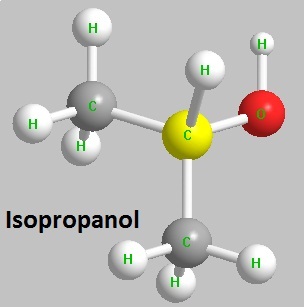
    Shop Isopropyl alcohol67-63-0-Detailed Image 2
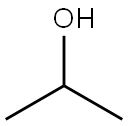
    Figure 1 is the structural formula of isopropanol.
    In many cases, isopropanol can substitute ethanol as the solvent and is a good solvent and chemical raw materials which can be applied to not only painting, pharmaceuticals, pesticides, cosmetics and other industries, but also the production of acetone, isopropyl ester, isopropylamine (the raw material for production of atrazine), di-isopropyl ether, isopropyl acetate and thymol crystal etc. It was the first product which is made from the petroleum raw material in the history of the development of petrochemicals.
    Production Process In 1855, Frenchman M. Berthelot first reported the production of isopropanol through the hydration reaction between propylene and sulfuric acid, called indirect hydration. In 1919, the Americans C. Ellis had conducted industrial development on this. At the end of 1920, the American Standard Oil Company of New Jersey adopted the approach of Ellis Act and established the production equipment for putting into formal production. In 1951, the British company Imperial Chemical Industries began to produce isopropanol with the direct hydration method from propylene. Since then, many countries have used this method and made related improvements.
    Indirect hydration reaction: propylene is first reacted with sulfuric acid to obtain isopropyl hydrogen sulfate, which generates isopropanol after hydrolysis, and the reaction of the formula:
    CH3CH = CH2 + H2SO4 → (CH3) 2CHOSO3H
    (CH3) 2CHOSO3H + H2O─ → (CH3) 2CHOH + H2SO4
    the concentration of the applied sulfuric acid is generally greater than 60% (by mass), and the reaction is conducted at 2~2.8MPa and 60~65 ° C; The hydrolysis reaction happens at slight increased pressure and at below 30 ° C.
    Direct hydration: propylene directly has hydration reaction with water in the presence of a catalyst upon heating and increased pressure to generate isopropanol with a selectivity of 96%. Reaction is: CH3CH = CH2 + H2O → (CH3) 2CHOH; the used catalyst includes tungsten compound, phosphate and ion exchange resin; the commonly used catalyst is phosphoric acid catalyst with carrier (see solid acid catalyst) with conditions of 2~6MPa, 240~260 ° C. Compared with the indirect method, this method does not have issue regarding to sulfuric acid corrosion and dilute acid concentration and therefore, it dominant in industrial production.
    The above information is edited by the Chemicalbook of Dai Xiongfeng.
    Uses Isopropyl alcohol is an important chemical products and raw materials. It is mainly applied to various fields including pharmaceutical, cosmetics, plastics, fragrances, paint as well as being used as the dehydrating agent and cleaning agent in and electronics industry. It can also be used as the reagent for determination of barium, calcium, magnesium, nickel, potassium, sodium and strontium. It can also be used as the reference material of chromatographic analysis.
    In the manufacturing industry of circuit board, it is used as a cleaning agent, and the production of PCB holes for conductivity. Many people find that it can not only clean the motherboard with excellent performance, but also get the best results. In addition, it is used for other electronic devices, including cleaning disc cartridge, floppy disk drives, magnetic tape, and the laser tip of the disc driver of CD or DVD player.
    Isopropyl alcohol can also be used as the solvent of oil and gel as well as for the manufacture of fishmeal feed concentrate. Low-quality isopropanol can also be used in automotive fuels. As the raw material of production of acetone, the usage amount of isopropanol is reducing. There are several compounds which are synthesized from isopropanol, such as isopropyl ester, methyl isobutyl ketone, di-isopropylamine, di-isopropyl ether, isopropyl acetate, thymol and many kinds of esters. We can supply isopropanol of different quality depending on the end use it. The conventional quality of anhydrous isopropanol is more than 99%, while the special grade isopropanol content is higher than 99.8% (for flavors and drugs).
    Toxicity ADI value is not specified (FAO/WHO, 2001).
    LD5050: 45rag/kg (rat, oral).
    Limited use FEMA (mg/kg): soft drinks: 25; sweets: 10 to 75; baked good: 75.
    Description Isopropanol is a clear, colorless alcohol that is used in the production of acetone and as a solvent in the manufacture of various industrial and commercial products. It is used by the public for a number of different purposes and is commonly known as rubbing alcohol. It is flammable and miscible with both water and many different organic solvents. Isopropanol can be prepared via three different methods: indirect hydration of propylene (the ‘strong acid’ method), direct hydration of propylene, and catalytic hydrogenation of acetone.
    Chemical Properties Isopropyl alcohol is a clear, colorless, mobile, volatile, flammable liquid with a characteristic, spirituous odor resembling that of a mixture of ethanol and acetone; it has a slightly bitter taste.It is miscible with water, ethyl ether, and ethyl alcohol. Isopropyl alcohol is incompatible with strong oxidizers, acetaldehyde, chlorine, ethylene oxide, acids, and isocyanates.
    Occurrence Reported found in apple and cognac aromas (esterified). Also found in apple, banana, grapefruit and lime juice, melon, papaya, pear, onion, peas, rutabaga, tomato, wheat bread, cheeses, milk, boiled egg, cooked beef, pork and mutton, hop oil beer, rum, cocoa, coffee, scotch whiskey, grape wines, peanut, pecan, soybean, honey, beans, plum brandy, walnut, crab, clam, prickly pear and clary sage.
    Uses Isopropyl alcohol is used in the production of acetone, isopropyl halides, glycerin, and aluminum isopropoxide; employed widely as an industrial solvent for paints, polishes, and insecticides; as an antiseptic (rubbing alcohol); and in organic synthesis for introducing the isopropyl or isopropoxy group into the molecule. Being a common laboratory solvent like methanol, the exposure risks are always high; however, its toxicity is comparatively low.
    Preparation Isopropyl alcohol may be prepared from propylene; by the catalytic reduction of acetone, or by fermentation of certain carbohydrates.
    Definition ChEBI: Isopropyl Alcohol is a secondary alcohol that is propane in which one of the hydrogens attached to the central carbon is substituted by a hydroxy group. It is an isomer of propyl alcohol with antibacterial properties.
    Application Isopropyl Alcohol is used in a variety of applications including as a solvent for industrial processes and coating; as a component in cleaning, car care and deicing products; as a wetting agent for printing inks and as a feedstock in the manufacture of ester and Mogas/Luboil additives.
    isopropyl alcohol is a carrier, anti-bacterial, and solvent for skin care lotions. Isopropyl alcohol is made from propylene, a petroleum derivative.
    When compared to ethanol, 50% less is required for nucleic acid precipitation, thus minimizing the total volume to be centrifuged for DNA or RNA recovery.
    Isopropyl alcohol 70% is used as an ingredient in alcohol swabs and alcohol wipes for wound cleaning, it is found in hand sanitizers, and in ear drops to prevent swimmer's ear.
    Aroma threshold values Detection: 40 to 601 ppm
    General Description Volatile, colorless liquid with a sharp musty odor like rubbing alcohol. Flash point of 53°F. Vapors are heavier than air and mildly irritating to the eyes, nose, and throat. Density approximately 6.5 lb / gal. Used in making cosmetics, skin and hair preparations, pharmaceuticals, perfumes, lacquer formulations, dye solutions, antifreezes, soaps, window cleaners. Sold in 70% aqueous solution as rubbing alcohol.
    Air & Water Reactions Highly flammable. Water soluble.
    Reactivity Profile Isopropyl Alcohol can react with AIR and OXYGEN over time to form unstable peroxides that can explode. Contact with 2-butanone increases the rate of peroxide formation. An explosive reaction occurs when Isopropanol is heated with (aluminum isopropoxide + crotonaldehyde). Forms explosive mixtures with trinitromethane and hydrogen peroxide. Reacts with barium perchlorate to form a highly explosive compound. Ignites on contact with dioxygenyl tetrafluoroborate, chromium trioxide and potassium-tert-butoxide. Vigorous reactions occur with (hydrogen + palladium), nitroform, oleum, COCl2, aluminum triisopropoxide and oxidizing agents. Reacts explosively with phosgene in the presence of iron salts. Incompatible with acids, acid anhydrides, halogens and aluminum . Isopropanol can react with PCl3, forming toxic HCl gas. (Logsdon, John E., Richard A. Loke., sopropyl Alcohol. Kirk-Othmer Encyclopedia of Chemical Technology. John Wiley & Sons, Inc. 1996.).
    Health Hazard Exposures to isopropyl alcohol cause irritation to the eyes and mucous membranes. Exposures to isopropyl alcohol for 3–5 min (400 ppm) caused mild irritation of the eyes, nose, and throat, and at 800 ppm these symptoms became severe. Ingestion or an oral dose of 25 mL in 100 mL of water produced hypotension, facial flushing, bradycardia, and dizziness. Ingestion in large quantities caused extensive hemorrhagic tracheobronchitis, bronchopneumonia, and hemorrhagic pulmonary edema. Prolonged skin contact with isopropyl alcohol caused eczema and sensitivity. Delayed dermal absorption is attributed to a number of pediatric poisonings that have occurred following repeated or prolonged sponge bathing with isopropyl alcohol to reduce fever. In several cases, symptoms included respiratory distress, stupor, and coma. Laboratory animals exposed to isopropyl alcohol develop poisoning with symptoms of hind leg paralysis, unsteadiness, lack of muscular coordination, respiratory depression, and stupor. Isopropyl alcohol is a potent CNS depressant, and in large doses causes cardiovascular depression.
    Fire Hazard Isopropyl Alcohol(IPA) is highly flammable in its liquid and vapor forms and flammable atmospheres can be created at temperatures as low as 540°F /120℃ . This means that any environment where IPA is being used needs to be well ventilated. It should be kept away from heat and open flame. As the vapour is heavier than air, it may spread along the ground, so care needs to be taken that the vapour is not ignited by a distant source.
    Pharmaceutical Applications Isopropyl alcohol (propan-2-ol) is used in cosmetics and pharmaceutical formulations, primarily as a solvent in topical formulations.( It is not recommended for oral use owing to its toxicity.
    Although it is used in lotions, the marked degreasing properties of isopropyl alcohol may limit its usefulness in preparations used repeatedly. Isopropyl alcohol is also used as a solvent both for tablet film-coating and for tablet granulation, where the isopropyl alcohol is subsequently removed by evaporation. It has also been shown to significantly increase the skin permeability of nimesulide from carbomer 934.
    Isopropyl alcohol has some antimicrobial activity and a 70% v/v aqueous solution is used as a topical disinfectant. Therapeutically, isopropyl alcohol has been investigated for the treatment of postoperative nausea or vomiting.
    Safety Isopropyl alcohol is about twice as toxic as ethanol and should therefore not be administered orally; isopropyl alcohol also has an unpleasant taste. Symptoms of isopropyl alcohol toxicity are similar to those for ethanol except that isopropyl alcohol has no initial euphoric action, and gastritis and vomiting are more prominent; see Alcohol. Delta osmolality may be useful as rapid screen test to identify patients at risk of complications from ingestion of isopropyl alcohol. The lethal oral dose is estimated to be about 120–250mL although toxic symptoms may be produced by 20 mL.
    Adverse effects following parenteral administration of up to 20mL of isopropyl alcohol diluted with water have included only a sensation of heat and a slight lowering of blood pressure. However, isopropyl alcohol is not commonly used in parenteral products.
    Although inhalation can cause irritation and coma, the inhalation of isopropyl alcohol has been investigated in therapeutic applications.
    Isopropyl alcohol is most frequently used in topical pharmaceutical formulations where it may act as a local irritant. When applied to the eye it can cause corneal burns and eye damage.
    LD50 (dog, oral): 4.80 g/kg
    LD50 (mouse, oral): 3.6 g/kg
    LD50 (mouse, IP): 4.48 g/kg
    LD50 (mouse, IV): 1.51 g/kg
    LD50 (rabbit, oral): 6.41 g/kg
    LD50 (rabbit, skin): 12.8 g/kg
    LD50 (rat, IP): 2.74 g/kg
    LD50 (rat, IV): 1.09 g/kg
    LD50 (rat, oral): 5.05 g/kg
    Synthesis Synthetically prepared from acetylene or propylene.
    Carcinogenicity CD-1 mice were exposed by inhalation to 0, 500, 2500, or 5000 ppm of isopropanol vapor for 6 h/day, 5 days/week for 18 months. An additional group of mice (all exposure levels) were assigned to a recovery group that were exposed to isopropanol for 12 months and then retained until study termination at 18 months. There was no increased frequency of neoplastic lesions in any of the isopropanol-exposed animals. Nonneoplastic lesions were limited to the testes (males) and the kidney. In the testes, enlargement of the seminal vesicles occurred in the absence of associated inflammatory or degenerative changes. The kidney effects included tubular proteinosis and/or tubular dilatation. The incidence of testicular and kidney effects was not increased in the isopropanol-exposed recovery animals.
    Environmental Fate The vast majority of isopropanol in the environment originates from manufacturing processes. Small amounts are produced by certain microbes, fungi, and yeast. The high volatility of isopropanol ensures that when it is released into the environment in any state, it eventually ends up in the atmosphere. There, it can be degraded by hydroxyl radicals or it can return to soil or water through precipitation. Its half-life in the environment is approximately 3.2 days and is highly biodegradable; bioaccumulation in plants and animals does not occur.
    storage Isopropyl alcohol should be stored in a cool, dry, well-ventilated area in tightly sealed containers with a proper label. Outside or detached storage is preferable. Inside storage should be a flammable liquids storage room or cabinet. Workers should not store isopropyl alcohol above 37°C (100°F). Containers of isopropyl alcohol should be protected from physical damage and contact with air, and should be stored separately from strong oxidizers, acetaldehyde, chlorine, ethylene oxide, acids, and isocyanates. Isopropyl alcohol should be transported to the nearest laboratory as quickly as possible in cool containers.
    Purification Methods Isopropyl alcohol is prepared commercially by dissolution of propene in H2SO4, followed by hydrolysis of the sulfate ester. Major impurities are water, lower alcohols and oxidation products such as aldehydes and ketones. Purification of isopropanol follows substantially the same procedure as for n-propyl alcohol. Isopropanol forms a constant-boiling mixture, b 80.3o, with water. Most of the water can be removed from this 91% isopropanol by refluxing with CaO (200g/L) for several hours, then distilling. The distillate can be dried further with CaH2, magnesium ribbon, BaO, CaSO4, calcium, anhydrous CuSO4 or Linde type 5A molecular sieves. Distillation from sulfanilic acid removes ammonia and other basic impurities. Peroxides [indicated by liberation of iodine from weakly acid (HCl) solutions of 2% KI] can be removed by refluxing with solid stannous chloride or with NaBH4 then the alcohol is fractionally distilled. To obtain isopropanol containing only 0.002M of water, sodium (8g/L) is dissolved in material dried by distillation from CaSO4. Isopropyl benzoate (35mL) is then added and, after refluxing for 3hours, the alcohol is distilled through a 50-cm Vigreux column (p 11). [Hine & Tanabe J Am Chem Soc 80 3002 1958.] Other purification steps for isopropanol include refluxing with solid aluminium isopropoxide, refluxing with NaBH4 for 24hours, and removing acetone by treatment with, and distillation from, 2,4-dinitrophenylhydrazine. Peroxides re-form in isopropanol if it is kept for several days in contact with air. [Beilstein 1 IV 1461.]
    Toxicity evaluation Isopropanol is similar to other alcohols in its ability to induce central nervous system (CNS) depression by enhancing inhibitory neuronal activity and antagonizing excitatory neuronal activity. It also can cause localized irritation upon contact with skin and mucous membranes after dermal exposure and ingestion, respectively.
    Incompatibilities Incompatible with oxidizing agents such as hydrogen peroxide and nitric acid, which cause decomposition. Isopropyl alcohol may be salted out from aqueous mixtures by the addition of sodium chloride, sodium sulfate, and other salts, or by the addition of sodium hydroxide.
    Toxics Screening Level The initial threshold screening level (ITSL) for isopropyl alcohol is 220 μg/m3 based on an annual averaging time.
    Precautions Workers should wash hands and face thoroughly after handling isopropyl alcohol. Workers should wear gloves, safety glasses and a face shield, boots, apron, and a full impermeable suit is recommended if exposure is possible to a large portion of the body.
    Regulatory Status Included in the FDA Inactive Ingredients Database (oral capsules, tablets, and topical preparations). Included in nonparenteral medicines licensed in the UK. Included in the Canadian List of Acceptable Non-medicinal Ingredients.

    Shop Isopropyl alcohol | Pharmaceutical Grade | 99.99% Purity | 10mg 20mg 30mg Vials | Lyophilized Powder | CAS 67-63-0-Detailed Image 3

    Shop Isopropyl alcohol | Pharmaceutical Grade | 99.99% Purity | 10mg 20mg 30mg Vials | Lyophilized Powder | CAS 67-63-0-Detailed Image 4
    Shop Isopropyl alcohol | Pharmaceutical Grade | 99.99% Purity | 10mg 20mg 30mg Vials | Lyophilized Powder | CAS 67-63-0-Detailed Image 5
    Shop Isopropyl alcohol | Pharmaceutical Grade | 99.99% Purity | 10mg 20mg 30mg Vials | Lyophilized Powder | CAS 67-63-0-Detailed Image 6
    Shop Isopropyl alcohol | Pharmaceutical Grade | 99.99% Purity | 10mg 20mg 30mg Vials | Lyophilized Powder | CAS 67-63-0-Detailed Image 7
    Shop Isopropyl alcohol | Pharmaceutical Grade | 99.99% Purity | 10mg 20mg 30mg Vials | Lyophilized Powder | CAS 67-63-0-Detailed Image 8
    Shop Isopropyl alcohol | Pharmaceutical Grade | 99.99% Purity | 10mg 20mg 30mg Vials | Lyophilized Powder | CAS 67-63-0-Detailed Image 9
    Shop Isopropyl alcohol | Pharmaceutical Grade | 99.99% Purity | 10mg 20mg 30mg Vials | Lyophilized Powder | CAS 67-63-0-Detailed Image 10
    Shop Isopropyl alcohol | Pharmaceutical Grade | 99.99% Purity | 10mg 20mg 30mg Vials | Lyophilized Powder | CAS 67-63-0-Detailed Image 11
    Shop Isopropyl alcohol | Pharmaceutical Grade | 99.99% Purity | 10mg 20mg 30mg Vials | Lyophilized Powder | CAS 67-63-0-Detailed Image 12
    Shop Isopropyl alcohol | Pharmaceutical Grade | 99.99% Purity | 10mg 20mg 30mg Vials | Lyophilized Powder | CAS 67-63-0-Detailed Image 13


    Shop Isopropyl alcohol | Pharmaceutical Grade | 99.99% Purity | 10mg 20mg 30mg Vials | Lyophilized Powder | CAS 67-63-0-Detailed Image 14
    Shop Isopropyl alcohol | Pharmaceutical Grade | 99.99% Purity | 10mg 20mg 30mg Vials | Lyophilized Powder | CAS 67-63-0-Detailed Image 15
    Shop Isopropyl alcohol | Pharmaceutical Grade | 99.99% Purity | 10mg 20mg 30mg Vials | Lyophilized Powder | CAS 67-63-0-Detailed Image 16
    Shop Isopropyl alcohol | Pharmaceutical Grade | 99.99% Purity | 10mg 20mg 30mg Vials | Lyophilized Powder | CAS 67-63-0-Detailed Image 17
    Shop Isopropyl alcohol | Pharmaceutical Grade | 99.99% Purity | 10mg 20mg 30mg Vials | Lyophilized Powder | CAS 67-63-0-Detailed Image 18
    Shop Isopropyl alcohol | Pharmaceutical Grade | 99.99% Purity | 10mg 20mg 30mg Vials | Lyophilized Powder | CAS 67-63-0-Detailed Image 19
    Shop Isopropyl alcohol | Pharmaceutical Grade | 99.99% Purity | 10mg 20mg 30mg Vials | Lyophilized Powder | CAS 67-63-0-Detailed Image 20
    Shop Isopropyl alcohol | Pharmaceutical Grade | 99.99% Purity | 10mg 20mg 30mg Vials | Lyophilized Powder | CAS 67-63-0-Detailed Image 21
    Shop Isopropyl alcohol | Pharmaceutical Grade | 99.99% Purity | 10mg 20mg 30mg Vials | Lyophilized Powder | CAS 67-63-0-Detailed Image 22
    Shop Isopropyl alcohol | Pharmaceutical Grade | 99.99% Purity | 10mg 20mg 30mg Vials | Lyophilized Powder | CAS 67-63-0-Detailed Image 23
    Shop Isopropyl alcohol | Pharmaceutical Grade | 99.99% Purity | 10mg 20mg 30mg Vials | Lyophilized Powder | CAS 67-63-0-Detailed Image 24
    Shop Isopropyl alcohol | Pharmaceutical Grade | 99.99% Purity | 10mg 20mg 30mg Vials | Lyophilized Powder | CAS 67-63-0-Detailed Image 25
    Shop Isopropyl alcohol | Pharmaceutical Grade | 99.99% Purity | 10mg 20mg 30mg Vials | Lyophilized Powder | CAS 67-63-0-Detailed Image 26
    Shop Isopropyl alcohol | Pharmaceutical Grade | 99.99% Purity | 10mg 20mg 30mg Vials | Lyophilized Powder | CAS 67-63-0-Detailed Image 27
    Shop Isopropyl alcohol | Pharmaceutical Grade | 99.99% Purity | 10mg 20mg 30mg Vials | Lyophilized Powder | CAS 67-63-0-Detailed Image 28
    Shop Isopropyl alcohol | Pharmaceutical Grade | 99.99% Purity | 10mg 20mg 30mg Vials | Lyophilized Powder | CAS 67-63-0-Detailed Image 29
    Shop Isopropyl alcohol | Pharmaceutical Grade | 99.99% Purity | 10mg 20mg 30mg Vials | Lyophilized Powder | CAS 67-63-0-Detailed Image 30
    Shop Isopropyl alcohol | Pharmaceutical Grade | 99.99% Purity | 10mg 20mg 30mg Vials | Lyophilized Powder | CAS 67-63-0-Detailed Image 31


    Certificates

    Basic Info
    Product Name:

    Hydroquinone

    Other Name:

    1,4-Benzenediol;Hydroquinone;Arctuvin;p-Benzenediol;Benzohydroquinone;Benzoquinol;p-Dihydroxybenzene;Eldoquin;Hydroquinol;Quinol;Tecquinol;Tenox HQ;p-Dioxybenzene;p-Hydroquinone;1,4-Dihydroxybenzene;p-Hydroxyphenol;HE 5;Diak 5;Eldopaque;Phiaquin;4-Hydroxyphenol;Dihydroquinone;p-Quinol;BQ(H);p-Dihydroquinone;1,4-Benzoquinol;p-Phenylenediol;Eldoquin Forte;Solaquin Forte;Black & White Bleaching Cream;Eldopacque;Aida;Eldopaque Forte;NSC 9247;Solution Q;1,4-p-Benzenediol;1,4-Phenylenediol;1,4-Benzenediol (hydroquinone);8027-02-9;57534-13-1

    CAS No.:

    123-31-9

    UN No.:

    2662

    Molecular Formula:

    C6H6O2

    InChIKeys:

    InChIKey=QIGBRXMKCJKVMJ-UHFFFAOYSA-N

    Molecular Weight:

    110.11100

    Exact Mass:

    110.11

    EC Number:

    204-617-8

    HScode:

    2907221000

    Characteristics
    PSA:

    40.46000

    XLogP3:

    1.09780

    Appearance:

    Hydroquinone appears as light colored crystals or solutions. May irritate the skin, eyes and mucous membranes. Mildly toxic by ingestion or skin absorption.

    Density:

    1.332 g/cm3

    Melting Point:

    170-171 °C

    Boiling Point:

    285-287 °C

    Flash Point:

    165ºC

    Refractive Index:

    1.689

    Water Solubility:

    H2O: 70 g/L (20 ºC)

    Storage Conditions:

    Conditions for safe storage, including any incompatibilities: Keep container tightly closed in a dry and well-ventilated place. Air and light sensitive.

    Vapor Pressure:

    1 mm Hg ( 132 °C)

    Vapor Density:

    3.81 (vs air)

    Toxicity:

    LD50 orally in rats: 320 mg/kg (Woodard)

    Flammability characteristics:

    Combustible Solid; dust cloud may explode if ignited in an enclosed area.

    Explosive limit:

    Dust cloud may explode if ignited in an enclosed area.

    Odor:

    Odorless

    Taste:

    A slightly bitter taste in aqueous solutions

    Hazard Identification

    Classification of the substance or mixture

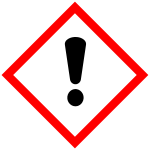
    Acute toxicity - Category 4, Oral

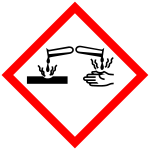
    Serious eye damage, Category 1

    Skin sensitization, Category 1

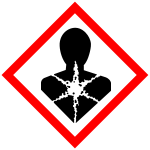
    Germ cell mutagenicity, Category 2

    Carcinogenicity, Category 2

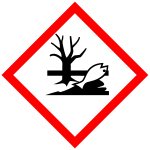
    Hazardous to the aquatic environment, short-term (Acute) - Category Acute 1

    GHS label elements, including precautionary statements

    Pictogram(s)
    Signal word

    Danger

    Hazard statement(s)

    H302 Harmful if swallowed

    H318 Causes serious eye damage

    H317 May cause an allergic skin reaction

    H341 Suspected of causing genetic defects

    H351 Suspected of causing cancer

    H400 Very toxic to aquatic life

    Precautionary statement(s)
    Prevention

    P264 Wash ... thoroughly after handling.

    P270 Do not eat, drink or smoke when using this product.

    P280 Wear protective gloves/protective clothing/eye protection/face protection/hearing protection/...

    P261 Avoid breathing dust/fume/gas/mist/vapours/spray.

    P272 Contaminated work clothing should not be allowed out of the workplace.

    P203 Obtain, read and follow all safety instructions before use.

    P273 Avoid release to the environment.

    Response

    P301+P317 IF SWALLOWED: Get medical help.

    P330 Rinse mouth.

    P305+P354+P338 IF IN EYES: Immediately rinse with water for several minutes. Remove contact lenses, if present and easy to do. Continue rinsing.

    P317 Get medical help.

    P302+P352 IF ON SKIN: Wash with plenty of water/...

    P333+P317 If skin irritation or rash occurs: Get medical help.

    P321 Specific treatment (see ... on this label).

    P362+P364 Take off contaminated clothing and wash it before reuse.

    P318 IF exposed or concerned, get medical advice.

    P391 Collect spillage.

    Storage

    P405 Store locked up.

    Disposal

    P501 Dispose of contents/container to an appropriate treatment and disposal facility in accordance with applicable laws and regulations, and product characteristics at time of disposal.

    Other hazards which do not result in classification

    no data available

    Handling and Storage

    Precautions for safe handling

    NO open flames. Closed system, dust explosion-proof electrical equipment and lighting. Prevent deposition of dust. Handling in a well ventilated place. Wear suitable protective clothing. Avoid contact with skin and eyes. Avoid formation of dust and aerosols. Use non-sparking tools. Prevent fire caused by electrostatic discharge steam.

    Conditions for safe storage, including any incompatibilities

    Separated from strong bases and food and feedstuffs.Keep well closed and protected from light.

  • Seller Information
    Business Type:

    Trader

    Main Products:

    pharmaceutical intermediates,peptides,electronic chemicals

    Location:

    Room 102, 1st Floor, East Office Building, No. 45 Pengwan Road, Qianwan Bonded Port Area, Qingdao Zone, China (Shandong) Pilot Free Trade Zone

    Payment Terms:

    100% TT in advance

    Average lead Time:

    10

    Total Annual Revenue:

    $10 million-$25 million

    Total Employees:

    51-100

    Year of Establishment:

    2024

    A reliable supplier is like insurance.

    We are mainly specilized in supply of pharmaceutical intermediates, electronic chemicals,food additives, and other fine chemical products.
    Integrity is the foundation, quality is life. We would like to work together with you to build a greener and brighter future.

    Website: orientchem.cc
    Email: scarlett@orientchem.cc
    WhatsApp: +86 17753254221

  • Inquiry History
    25 Inquiries
    Country Product Purchase Quantity Date Posted
    Israel

    High quality hydroquinone 99.9% cas 123-31-9

    100 G Sep 28, 2023
    Cameroon

    High quality hydroquinone 99.9% cas 123-31-9

    1 KG Jul 6, 2023
    Russia

    Hydroquinone

    1 20' Fcl May 29, 2026
    South Africa

    Hydroquinone

    40 MT Mar 24, 2026
    United Kingdom

    Hydroquinone

    60000 KG Dec 11, 2025
    South Korea

    hydroquinone

    1 KG Aug 26, 2025
    India

    hydroaquinone

    5.00 KG Nov 14, 2024
    France

    Hydroquinone

    500 G Jun 7, 2024
    Malaysia

    Hydroquinone

    500 MT Apr 26, 2024
    Malaysia

    Hydroquinone

    25 KG Apr 12, 2024
    Brazil

    Hidroquinona 60%

    1 KG Mar 28, 2024
    Lebanon

    Hydroquinone

    1 MT Jul 14, 2023
    United Arab Emirates

    hydroquinone

    50 MT Jan 2, 2024
    Hongkong, China

    Hydroquinone

    1 20' Fcl Dec 3, 2024
    United States

    Hydroquinone 99.6%

    5 MT Sep 17, 2024
    Russia

    Hydroquinone for synthesis

    265 TON Jun 25, 2024
    Russia

    Hydroquinone (CAS# 123-31-9)

    120 MT May 17, 2024
    India

    Hydroquinone

    500 KG Feb 13, 2024
    India

    factory best price Hydroquinone 99.9% top grade likes

    16 MT Dec 30, 2023
    United Kingdom

    HYDROQUINONE 99% White needle crystal or free-flow crystalline powder Photo grade

    10 KG Sep 28, 2023
    • 1
    • 2
    • Go to Page Go
    Post an enquiry for this product
pic ×

Scan the QR Code to Share

All products displayed on this website are only for non-medical purposes such as industrial applications or scientific research, and cannot be used for clinical diagnosis or treatment of humans or animals. They are not medicinal or edible.

According to relevant laws and regulations and the regulations of this website, units or individuals who purchase hazardous materials should obtain valid qualifications and qualification conditions.

The information shown above is provided by the enterprise itself, and the authenticity, accuracy and legitimacy of the content are the responsibility of the publishing company. ECHEMI does not bear any guarantee responsibility for this. Please be aware that risks in internet transactions objectively exist.

Feedback & Suggestions
Send Message

Thank you for your feedback. If you require further assistance, please contact us by email at info@echemi.com or call us at +86-532-55729510.