Product
Supplier
Encyclopedia
Inquiry
Home > Pharmaceutical Intermediates > Blood Glucose Regulators > n-Pentane for Sale > Pentane | Pharmaceutical Grade | 99.99% Purity | 10mg 20mg 30mg Vials | CAS 109-66-0
Pentane | Pharmaceutical Grade | 99.99% Purity | 10mg 20mg 30mg Vials |  CAS  109-66-0 buy - large image1
Pentane | Pharmaceutical Grade | 99.99% Purity | 10mg 20mg 30mg Vials |  CAS  109-66-0 buy - image1
Pentane | Pharmaceutical Grade | 99.99% Purity | 10mg 20mg 30mg Vials |  CAS  109-66-0 buy - image2
Pentane | Pharmaceutical Grade | 99.99% Purity | 10mg 20mg 30mg Vials |  CAS  109-66-0 buy - image3
Pentane | Pharmaceutical Grade | 99.99% Purity | 10mg 20mg 30mg Vials |  CAS  109-66-0 buy - image4
Pentane | Pharmaceutical Grade | 99.99% Purity | 10mg 20mg 30mg Vials |  CAS  109-66-0 buy - image5
Pentane | Pharmaceutical Grade | 99.99% Purity | 10mg 20mg 30mg Vials |  CAS  109-66-0 buy - image6

Pentane | Pharmaceutical Grade | 99.99% Purity | 10mg 20mg 30mg Vials | CAS 109-66-0

TDS 4 Inquiries

Unit Price:

$33-34/G FOB

Get Latest Price
CAS No.:

109-66-0

Grade:

Pharmaceutical Grade

Content:

99.99%

Port:

Shanghai

Brand:

Orient

Packaging:

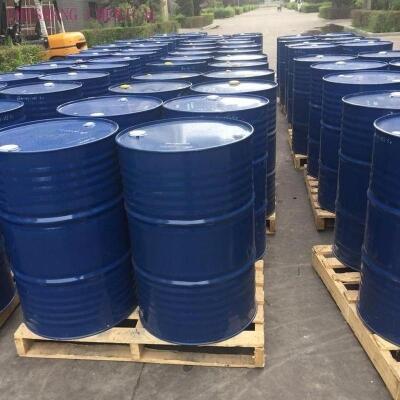
Vial/Bottle/Bag/Carton

Price valid (until):

2028-12-20

Company Type:
Trader
Location:
China
Qualification:
Main Products:

pharmaceutical intermediates,peptides,electronic chemicals

  • Product Description

  • Seller Information

  • Inquiry History

  • Description

    Product Detail
    Pentane Basic information
    Product Name:
    Pentane
    Synonyms:
    PETANE;PENTANE;PENTANE-195;PENTANE FRACTION;PETROLEUM SPIRIT 30/40;N-PENTAN;N-PENTANE;NORMAL PENTANE
    CAS:
    109-66-0
    MF:
    C5H12
    MW:
    72.15
    EINECS:
    203-692-4
    Product Categories:
    Anhydrous Solvents;Organics;refrigerants;Pestanal/Residue Analysis;GC Capillary;ReagentSolvents;Carbon Steel Cans with NPT Threads;Reagent Grade Solvents;ReagentSemi-Bulk Solvents;Solvent by Application;GC Capillary;Aluminum Bottles;Amber Glass Bottles;Reagent;Standard Materials for GC;Analytical Chemistry;Solvent Bottles;Solvent Packaging Options;Purge &;Purge and Trap Solvents;Trap Solvents;Analytical Reagents;Chromatography Reagents &;GC Solvents;Solvents for GC applications;CHROMASOLV for HPLC;HPLC &;HPLC Grade Solvents (CHROMASOLV);HPLC/UHPLC Solvents (CHROMASOLV);Semi-Bulk Solvents;n-Paraffins (GC Standard);CHROMASOLV(R) HPLC Grade Solvents;Alpha Sort;P;PA - PEN;P-SAlphabetic;Volatiles/ Semivolatiles;Analytical Reagents for General Use;O-P, Puriss p.a.;Puriss p.a.;CHROMASOLV for HPLCSolvents;Semi-Bulk Solvents;VerSA-Flow? Products;Anhydrous Grade SolventsSolvents;AnhydrousSolvents;Returnable Container Solvents;Solvent Bottles;Sure/Seal? Bottles;Amber Glass Bottles;Spectrophotometric Grade Solvents;Spectrophotometric GradeSolvents;Purge&Trap;Chromatography/CE Reagents;Solvents - GC/SH;Analytical Reagents;Analytical/Chromatography;Trace Analysis Reagents;Chemical Class;Hydrocarbons;NeatsAlphabetic;UHPLC Solvents (CHROMASOLV);VerSA-Flow Products;CHROMASOLV Solvents (HPLC, LC-MS);Solvents
    Mol File:
    109-66-0.mol

    Pentane Chemical Properties
    Melting point 
    -130 °C
    Boiling point 
    36 °C
    density 
    0.626 g/mL at 25 °C(lit.)
    vapor density 
    2.48 (vs air)
    vapor pressure 
    26.98 psi ( 55 °C)
    refractive index 
    n20/D 1.358
    Fp 
    −57 °F
    storage temp. 
    Store at +5°C to +30°C.
    solubility 
    ethanol: soluble(lit.)
    form 
    Liquid
    pka
    >14 (Schwarzenbach et al., 1993)
    Specific Gravity
    0.63
    color 
    Colorless
    Odor
    Like a gasoline.
    Relative polarity
    0.009
    Odor Threshold
    1.4ppm
    explosive limit
    1.4-8%(V)
    Water Solubility 
    insoluble
    Thermal Conductivity
    0.1119 W/(m·K) at 25 ℃
    λmax
    λ: 200 nm Amax: ≤0.70
    λ: 210 nm Amax: ≤0.20
    λ: 220 nm Amax: ≤0.07
    λ: 230 nm Amax: ≤0.02
    λ: 250 nm Amax: ≤0.004
    Merck 
    14,7116
    BRN 
    969132
    Henry's Law Constant
    1.20 at 25 °C (Jnsson et al., 1982)
    Exposure limits
    ACGIH:TLV-TWA 1000 ppm (2950 mg/m3)
    OSHA:PEL-TWA 1000 ppm (2950 mg/m3)
    NIOSH:REL-TWA 120 ppm; REL-Ceiling 610 ppm [15-min]
    Dielectric constant
    1.8(20℃)
    Cosmetics Ingredients Functions
    SOLVENT
    PROPELLANT
    InChI
    1S/C5H12/c1-3-5-4-2/h3-5H2,1-2H3
    InChIKey
    OFBQJSOFQDEBGM-UHFFFAOYSA-N
    SMILES
    CCCCC
    LogP
    3.390
    Surface tension
    15.93mN/m at 293.15K
    CAS DataBase Reference
    109-66-0(CAS DataBase Reference)
    NIST Chemistry Reference
    Pentane(109-66-0)
    EPA Substance Registry System
    Pentane (109-66-0)
    Safety Information
    Hazard Codes 
    F+,Xn,N,F
    Risk Statements 
    12-51/53-65-66-67
    Safety Statements 
    9-16-29-33-61-62
    RIDADR 
    UN 1265 3/PG I/II (PENTANES, liquid)
    OEB
    A
    OEL
    TWA: 120 ppm (350 mg/m3), Ceiling: 610 ppm (1800 mg/m3) [15-minute]
    WGK Germany 
    2
    RTECS 
    RZ9450000

    3-10
    Autoignition Temperature
    500 °F
    TSCA 
    TSCA listed
    HazardClass 
    3
    PackingGroup 
    II
    HS Code 
    29011090
    Storage Class
    3 - Flammable liquids
    Hazard Classifications
    Aquatic Chronic 2
    Asp. Tox. 1
    Flam. Liq. 2
    STOT SE 3
    Hazardous Substances Data
    109-66-0(Hazardous Substances Data)
    Toxicity
    LC (in air) in mice: 377 mg/l (Fühner)
    IDLH
    1,500 ppm [10% LEL]

    MSDS Information
    Provider
    Language
    Pentane
    English
    SigmaAldrich
    English
    ACROS
    English
    ALFA
    English
    Pentane Usage And Synthesis
    Chemical Properties
    n-Pentane is a flammable liquid. It has applications in industry as an aerosol propellant and as an important component of engine fuel.

    pentane lewis structure
    N-propane is a CNS depressant. Studies with dogs have indicated that it induces cardiac sensitization. In high concentrations it causes incoordination and inhibition of the righting refl exes.
    N-pentane is being used primarily in Europe in integral-skin flexible foams. Pentane is twice as effective as CFC-11 as a blowing agent.
    Chemical Properties
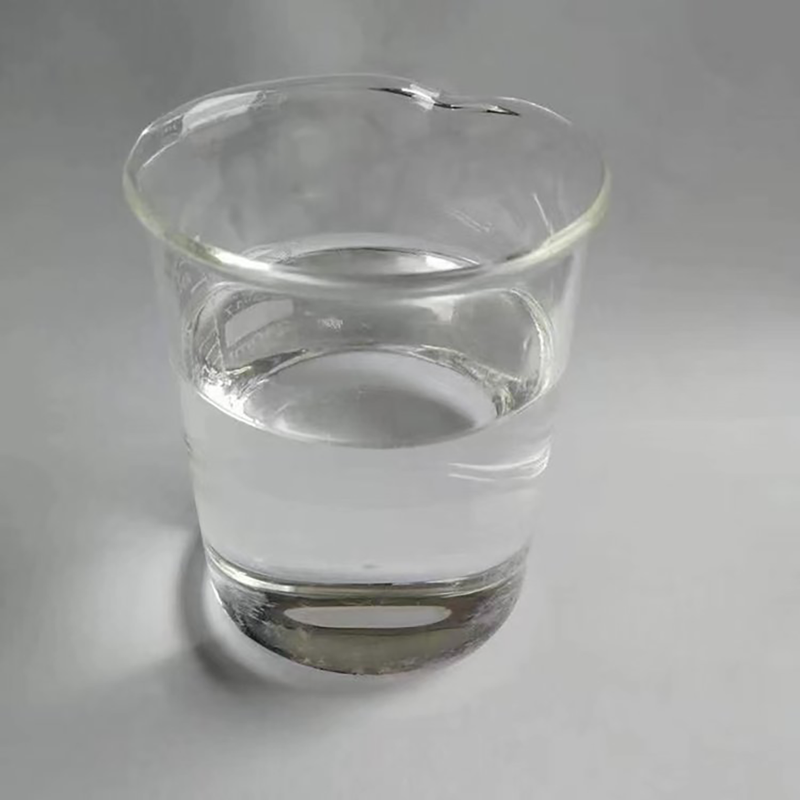
    Pentane is a colorless liquid. Gas above 36C. Gasoline-like odor.
    Physical properties
    Clear, colorless, volatile liquid with an odor resembling gasoline. An odor threshold concentration of 1.4 ppmv was reported by Nagata and Takeuchi (1990).
    Uses
    n-Pentane occurs in volatile petroleum fractions(gasoline) and as a constituent ofpetroleum ether. It is used as a solvent, in themanufacture of low-temperature thermometers,and as a blowing agent for plastics.
    Uses
    n-Pentane is a flammable liquid. It has diverse uses in industry—for instance, as an aerosol propellant and as an important component of engine fuel. n-Pentane is a CNS depressant. Laboratory studies in dogs indicate that prolonged exposure to high concentrations of n-pentane induces cardiac sensitization, poor coordination, and inhibition of the righting reflexes. NIOSH has recommended limits of n-pentane for working areas.
    Uses
    Fuel; solvent; chemical synthesis
    Production Methods
    Pentane is produced by fractional distillation of natural gas liquids and crude oil. It is also produced by the catalytic crackdown of naphtha.
    Definition
    A straightchain alkane obtained by distillation of crude oil.
    Definition
    pentane: A straight-chain alkanehydrocarbon, C5H12; r.d. 0.63; m.p.–129.7°C; b.p. 36.1°C. It is obtainedby distillation of petroleum.
    General Description
    A clear colorless liquid with a petroleum-like odor. Flash point 57°F. Boiling point 97°F. Less dense than water and insoluble in water. Hence floats on water. Vapors are heavier than air.
    Air & Water Reactions
    Highly flammable. Insoluble in water.
    Reactivity Profile
    Pentane is incompatible with strong oxidizers. Pentane is also incompatible with strong acids, alkalis, and oxygen. Mixtures with chlorine gas have produced explosions. Pentane will attack some forms of plastics, rubber, and coatings. .
    Health Hazard
    n-Pentane did not exhibit any marked toxicityin animals. However, inhalation ofits vapors at high concentrations can causenarcosis and irritation of the respiratorypassages. Such effects may be observedwithin the range 5–10% concentration inair. In humans, inhalation of 5000 ppm for10 minutes did not cause respiratory tractirritation or other symptoms (Patty and Yant1929).
    There is no report in the literature indicatingany adverse effects from pentaneother than narcosis and irritation. An intravenousLD50 value in mouse is recorded as446 mg/kg (NIOSH 1986).
    Fire Hazard
    Behavior in Fire: Containers may explode
    Flammability and Explosibility
    Extremely flammable
    Chemical Reactivity
    Reactivity with Water No reaction; Reactivity with Common Materials: No reaction; Stability During Transport: Stable; Neutralizing Agents for Acids and Caustics: Not pertinent; Polymerization: Not pertinent; Inhibitor of Polymerization: Not pertinent.
    Safety Profile
    Moderately toxic by inhalation and intravenous routes. Narcotic in high concentration. The liquid can cause blisters on contact. Flammable liquid. Highly dangerous fire hazard when exposed to heat, flame, or oxidizers. Severe explosion hazard when exposed to heat or flame. Shock can shatter metal containers and release contents. To fight fire, use foam, CO2, dry chemical. When heated to decomposition it emits acrid smoke and irritating fumes
    Potential Exposure
    Pentane is used in manufacture of ice, low-temperature thermometers; in solvent extraction processes; as a blowing agent in plastics; as a fuel; as a chemical intermediate (for amylchlorides, e.g.).
    Source
    Schauer et al. (1999) reported pentane in a diesel-powered medium-duty truck exhaust at an emission rate of 1,860 μg/km.
    A constituent in gasoline. Harley et al. (2000) analyzed the headspace vapors of three grades of unleaded gasoline where ethanol was added to replace methyl tert-butyl ether. The gasoline vapor concentrations of pentane in the headspace were 14.2 wt % for regular grade, 12.6 wt % for midgrade, and 9.3 wt % for premium grade.
    California Phase II reformulated gasoline contained pentane at a concentration of 27.6 g/kg. Gas-phase tailpipe emission rates from gasoline-powered automobiles with and without catalytic converters were 4.29 and 536 mg/km, respectively (Schauer et al., 2002).
    Schauer et al. (2001) measured organic compound emission rates for volatile organic compounds, gas-phase semi-volatile organic compounds, and particle-phase organic compounds from the residential (fireplace) combustion of pine, oak, and eucalyptus. The gas-phase emission rate of pentane was 4.7 mg/kg of pine burned. Emission rates of pentane were not measured during the combustion of oak and eucalyptus.
    Environmental fate
    Biological. n-Pentane may biodegrade in two ways. The first is the formation of pentyl hydroperoxide, which decomposes to 1-pentanol followed by oxidation to pentanoic acid. The other pathway involves dehydrogenation to 1-pentene, which may react with water giving 1- pentanol (Dugan, 1972). Microorganisms can oxidize alkanes under aerobic conditions (Singer and Finnerty, 1984). The most common degradative pathway involves the oxidation of the terminal methyl group forming 1-pentanol. The alcohol may undergo a series of dehydrogenation steps forming an aldehyde (valeraldehyde) then a fatty acid (valeric acid). The fatty acid may then be metabolized by β-oxidation to form the mineralization products, carbon dioxide and water (Singer and Finnerty, 1984). Mycobacterium smegnatis was capable of degrading pentane to 2- pentanone (Riser-Roberts, 1992).
    Photolytic. When synthetic air containing gaseous nitrous acid and pentane was exposed to artificial sunlight (λ = 300–450 nm) methyl nitrate, pentyl nitrate, peroxyacetal nitrate, and peroxypropionyl nitrate formed as products (Cox et al., 1980).
    Chemical/Physical. Complete combustion in air yields carbon dioxide and water. Pentane will not hydrolyze because it does not contain a hydrolyzable functional group.
    Shipping
    UN1265 Pentanes Hazard Class: 3; Labels: 3-Flammable liquid.
    Purification Methods
    Stir the pentane with successive portions of conc H2SO4 until there is no further coloration during 12hours, then with 0.5N KMnO4 in 3M H2SO4 for 12hours, wash with water and aqueous NaHCO3. Dry it with MgSO4 or Na2SO4, then P2O5 and fractionally distil it through a column packed with glass helices. It is also purified by passage through a column of silica gel, followed by distillation and storage with sodium hydride. An alternative purification is by azeotropic distillation with MeOH, which is subsequently washed out from the distillate (using water), followed by drying and re-distilling. For removal of carbonyl-containing impurities, see n-heptane. Also purify it by fractional freezing (ca 40%) on a copper coil through which cold air is passed, then wash with conc H2SO4 and fractionally distil it. [Beilstein 1 IV 303.]
    Toxicity evaluation
    The mechanism of toxicity is suspected to be similar to other solvents that rapidly induce anesthesia-like effects, that is a ‘nonspecific narcosis’ due to disruption (solvation) of the integrity of the cellular membranes of the central nervous system. The effect is similar to the ‘high’ experienced upon exposure to other aliphatic hydrocarbon solvents.
    As seen with other short-chain alkanes, upon inhalation, pentane is moderately toxic and may cause irritation of the respiratory tract and narcosis. The narcotic action of pentane (observed following 1-h exposure to 90 000–120 000 ppm) is, however, much less pronounced than effects seen following exposure to the C1–C4 alkanes. Although the actual biochemical mechanismof toxicity has not been discerned, the narcotic effects seen are most likely related to its physical solvent properties.
    Incompatibilities
    Vapors may form explosive mixture with air. Incompatible with oxidizers (chlorates, nitrates, peroxides, permanganates, perchlorates, chlorine, bromine, fluorine, etc.); contact may cause fires or explosions. Keep away from alkaline materials, strong bases, strong acids, oxoacids, epoxides. Attacks some plastics, rubbers, and coatings.
    Toxics Screening Level
    The initial threshold screening level (ITSL) for pentane is 17700 μg/m3 based on an 8-hour averaging time.
    Waste Disposal
    Dissolve or mix the material with a combustible solvent and burn in a chemical incinerator equipped with an afterburner and scrubber. All federal, state, and local environmental regulations must be observed.
    Pentane Preparation Products And Raw materials
    Preparation Products
    1-AMINOCYCLOPROPANECARBONITRILE-->2-AMINOPENT-4-YNENITRILE-->ETHYL 1-TERT-BUTYL-3-(TRIFLUOROMETHYL)-1H-PYRAZOLE-4-CARBOXYLATE-->4-BROMO-3-(TRIFLUOROMETHYL)-1-PHENYL-1H-PYRAZOLE-->2,2,4,6,7-Pentamethyldihydrobenzofuran-5-sulfonyl chloride-->1-TERT-BUTYL-3-(TRIFLUOROMETHYL)-1H-PYRAZOLE-4-CARBOXYLIC ACID-->tert-Butyldimethylsilyl chloride-->Bis(pinacolato)diboron-->2-Bromo-5-hydroxypyridine radical ion(1+)-->2,4,6-Triisopropylbenzenesulfonyl chloride-->Di-tert-butylchlorophosphane-->5-METHOXY-QUINAZOLIN-4-YLAMINE-->TERT-BUTYL 4-FORMYLPYRIDIN-3-YLCARBAMATE-->1-Heptanol-->1-Bromo-4-methoxybutane-->EUROPIUM D-3-TRIFLUOROACETYLCAMPHORATE-->1-TERT-BUTYL-4-BROMO-3-(TRIFLUOROMETHYL)-1H-PYRAZOLE-->(TRIMETHYLSILYL)ACETIC ACID-->4-BROMO-1-METHYL-3-(TRIFLUOROMETHYL)-1H-PYRAZOLE-->3-TRIFLUOROACETYL-D-CAMPHOR-->HEPTENOPHOS-->Fexofenadine-->4,6-DIHYDROXY-5-METHYLPYRIMIDINE-->2-METHOXYPHENOXYACETIC ACID-->Cyclopentane-->2-Methylbutane-->Ketamine hydrochloride-->Cyclobutanol-->4-Benzyloxybenzeneboronic acid-->1-Cyclopentenecarboxylic acid-->2-(4-Bromophenyl)-2-methylpropionic acid-->3-Aminopyridazine hydrochloride-->ORNOPROSTIL-->(S)-2-Methylproline-->3,6,9,12-tetraoxahexadecan-1-ol-->2-Amino-5-nitropyrimidine-->1,4-Dibromopentane-->DI-TERT-BUTYLDICHLOROSILANE-->Cefepime-->CHLOROMETHYL METHYL SULFIDE

    Shop Pentane | Pharmaceutical Grade | 99.99% Purity | 10mg 20mg 30mg Vials |  CAS  109-66-0-Detailed Image 1


    Shop Pentane | Pharmaceutical Grade | 99.99% Purity | 10mg 20mg 30mg Vials |  CAS  109-66-0-Detailed Image 2
    Shop Pentane | Pharmaceutical Grade | 99.99% Purity | 10mg 20mg 30mg Vials |  CAS  109-66-0-Detailed Image 3
    Shop Pentane | Pharmaceutical Grade | 99.99% Purity | 10mg 20mg 30mg Vials |  CAS  109-66-0-Detailed Image 4
    Shop Pentane | Pharmaceutical Grade | 99.99% Purity | 10mg 20mg 30mg Vials |  CAS  109-66-0-Detailed Image 5
    Shop Pentane | Pharmaceutical Grade | 99.99% Purity | 10mg 20mg 30mg Vials |  CAS  109-66-0-Detailed Image 6
    Shop Pentane | Pharmaceutical Grade | 99.99% Purity | 10mg 20mg 30mg Vials |  CAS  109-66-0-Detailed Image 7
    Shop Pentane | Pharmaceutical Grade | 99.99% Purity | 10mg 20mg 30mg Vials |  CAS  109-66-0-Detailed Image 8
    Shop Pentane | Pharmaceutical Grade | 99.99% Purity | 10mg 20mg 30mg Vials |  CAS  109-66-0-Detailed Image 9
    Shop Pentane | Pharmaceutical Grade | 99.99% Purity | 10mg 20mg 30mg Vials |  CAS  109-66-0-Detailed Image 10
    Shop Pentane | Pharmaceutical Grade | 99.99% Purity | 10mg 20mg 30mg Vials |  CAS  109-66-0-Detailed Image 11
    Shop Pentane | Pharmaceutical Grade | 99.99% Purity | 10mg 20mg 30mg Vials |  CAS  109-66-0-Detailed Image 12
    Shop Pentane | Pharmaceutical Grade | 99.99% Purity | 10mg 20mg 30mg Vials |  CAS  109-66-0-Detailed Image 13
    Shop Pentane | Pharmaceutical Grade | 99.99% Purity | 10mg 20mg 30mg Vials |  CAS  109-66-0-Detailed Image 14
    Shop Pentane | Pharmaceutical Grade | 99.99% Purity | 10mg 20mg 30mg Vials |  CAS  109-66-0-Detailed Image 15
    Shop Pentane | Pharmaceutical Grade | 99.99% Purity | 10mg 20mg 30mg Vials |  CAS  109-66-0-Detailed Image 16
    Shop Pentane | Pharmaceutical Grade | 99.99% Purity | 10mg 20mg 30mg Vials |  CAS  109-66-0-Detailed Image 17
    Shop Pentane | Pharmaceutical Grade | 99.99% Purity | 10mg 20mg 30mg Vials |  CAS  109-66-0-Detailed Image 18
    Shop Pentane | Pharmaceutical Grade | 99.99% Purity | 10mg 20mg 30mg Vials |  CAS  109-66-0-Detailed Image 19


    Certificates

    Basic Info
    Product Name:

    n-Pentane

    Other Name:

    Pentane;n-Pentane;Skellysolve A;Norpar 5S;NSC 72415;E 0121;M 004;Exxsol Pentane 80;Guchen MG 132;MG 132;8031-35-4;2063998-93-4

    CAS No.:

    109-66-0

    Molecular Formula:

    C5H12

    InChIKeys:

    InChIKey=OFBQJSOFQDEBGM-UHFFFAOYSA-N

    Molecular Weight:

    72.14880

    Exact Mass:

    72.15

    EC Number:

    923-583-1

    UNII:

    4FEX897A91

    ICSC Number:

    0534

    NSC Number:

    72415

    UN Number:

    1265

    DSSTox ID:

    DTXSID2025846|DTXSID5029001

    Color/Form:

    Colorless liquid [Note: A gas above 97 degrees F. May be utilized as a fuel].

    HScode:

    2930909019

    Characteristics
    PSA:

    0

    XLogP3:

    2.19650

    Appearance:

    N-pentane appears as a clear colorless liquid with a petroleum-like odor. Flash point 57°F. Boiling point 97°F. Less dense than water and insoluble in water. Hence floats on water. Vapors are heavier than air.

    Density:

    0.62638 g/cm3 @ Temp: 20 °C

    Melting Point:

    -129.7 °C

    Boiling Point:

    36.1 °C

    Flash Point:

    -49ºC

    Refractive Index:

    1.358

    Water Solubility:

    ethanol: soluble (lit.)

    Storage Conditions:

    2-8ºC

    Vapor Pressure:

    527mmHg at 25°C

    Vapor Density:

    2.48

    Toxicity:

    LC (in air) in mice: 377 mg/l (Fühner)

    Flammability characteristics:

    Class IA Flammable Liquid: Fl.P. below 73°F and BP below 100°F.

    Explosive limit:

    vol% in air: 1.5.8

    Odor:

    Pleasant

    OH:

    3.94e-12 cm3/molecule*sec

    Henrys Law Constant:

    1.25 atm-m3/mole|Henry's Law constant = 1.25 atm-cu m/mole at 25 °C

    Experimental Properties:

    Specific gravity: 0.64529 at 0 °C/4 °C; 0.62638 at 20 °C/4 °C; 0.6163 at 30 °C/4 °C|Heat of combustion: 3509.0 kJ/mol (liquid)|2.35 mg/cu m equals approx 1 ppm /from table/|Heat of fusion: 8.40 KJ/mol|For more Other Experimental Properties (Complete) data for n-Pentane (10 total), please visit the HSDB record page.

    Air and Water Reactions:

    Highly flammable. Insoluble in water.

    Reactive Group:

    Hydrocarbons, Aliphatic Saturated

    Reactivity Alerts:

    Highly Flammable

    Reactivity Profile:

    N-PENTANE is incompatible with strong oxidizers. It is also incompatible with strong acids, alkalis, and oxygen. Mixtures with chlorine gas have produced explosions. It will attack some forms of plastics, rubber, and coatings. (NTP, 1992).

    Autoignition Temperature:

    500 °F (USCG, 1999)|500 °F (260 °C)|260 °C

    Heat of Combustion:

    3272 kJ/mol (gas); 3245 kJ/mol (liquid)

    Ionization Potential:

    10.34 eV

    Flammable Limits:

    Lower flammable limit: 1.5% by volume; Upper flammable limit: 7.8% by volume.|Class IA Flammable Liquid: Fl.P. below 73°F and BP below 100°F.

    Physical Dangers:

    The vapour is heavier than air and may travel along the ground; distant ignition possible. The vapour is heavier than air and may accumulate in lowered spaces causing a deficiency of oxygen.

    Corrosivity:

    Will attack some forms of plastics, rubber, and coatings.

    Heat of Vaporization:

    26.43 kJ/mol at 25 °C

    Critical Temperature & Pressure:

    Critical temperature: 469.7 K; critical pressure: 3.37 MPa ; critical volume: 310 cu cm/mole

    Hazard Identification

    Classification of the substance or mixture

    Flammable liquids, Category 2

    Aspiration hazard, Category 1

    Specific target organ toxicity – single exposure, Category 3

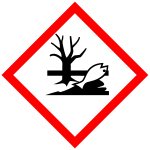
    Hazardous to the aquatic environment, long-term (Chronic) - Category Chronic 2

    GHS label elements, including precautionary statements

    Pictogram(s)
    Signal word

    Danger

    Hazard statement(s)

    H225 Highly flammable liquid and vapour

    H304 May be fatal if swallowed and enters airways

    H336 May cause drowsiness or dizziness

    H411 Toxic to aquatic life with long lasting effects

    Precautionary statement(s)
    Prevention

    P210 Keep away from heat, hot surfaces, sparks, open flames and other ignition sources. No smoking.

    P233 Keep container tightly closed.

    P240 Ground and bond container and receiving equipment.

    P241 Use explosion-proof [electrical/ventilating/lighting/...] equipment.

    P242 Use non-sparking tools.

    P243 Take action to prevent static discharges.

    P280 Wear protective gloves/protective clothing/eye protection/face protection/hearing protection/...

    P261 Avoid breathing dust/fume/gas/mist/vapours/spray.

    P271 Use only outdoors or in a well-ventilated area.

    P273 Avoid release to the environment.

    Response

    P303+P361+P353 IF ON SKIN (or hair): Take off immediately all contaminated clothing. Rinse affected areas with water [or shower].

    P370+P378 In case of fire: Use ... to extinguish.

    P301+P316 IF SWALLOWED: Get emergency medical help immediately.

    P331 Do NOT induce vomiting.

    P304+P340 IF INHALED: Remove person to fresh air and keep comfortable for breathing.

    P319 Get medical help if you feel unwell.

    P391 Collect spillage.

    Storage

    P403+P235 Store in a well-ventilated place. Keep cool.

    P405 Store locked up.

    P403+P233 Store in a well-ventilated place. Keep container tightly closed.

    Disposal

    P501 Dispose of contents/container to an appropriate treatment and disposal facility in accordance with applicable laws and regulations, and product characteristics at time of disposal.

    Other hazards which do not result in classification

    no data available

    Handling and Storage

    Precautions for safe handling

    NO open flames, NO sparks and NO smoking. NO contact with strong oxidizing agents. Closed system, ventilation, explosion-proof electrical equipment and lighting. Prevent build-up of electrostatic charges (e.g., by grounding). Do NOT use compressed air for filling, discharging, or handling. Use non-sparking handtools. Handling in a well ventilated place. Wear suitable protective clothing. Avoid contact with skin and eyes. Avoid formation of dust and aerosols. Use non-sparking tools. Prevent fire caused by electrostatic discharge steam.

    Conditions for safe storage, including any incompatibilities

    Fireproof. Separated from strong oxidants. Cool. Well closed. Store in an area without drain or sewer access. Provision to contain effluent from fire extinguishing.Storage temp: ambient. Venting: open (flame arrester) or pressure-vacuum.

  • Seller Information
    Business Type:

    Trader

    Main Products:

    pharmaceutical intermediates,peptides,electronic chemicals

    Location:

    Room 102, 1st Floor, East Office Building, No. 45 Pengwan Road, Qianwan Bonded Port Area, Qingdao Zone, China (Shandong) Pilot Free Trade Zone

    Payment Terms:

    100% TT in advance

    Average lead Time:

    10

    Total Annual Revenue:

    $10 million-$25 million

    Total Employees:

    51-100

    Year of Establishment:

    2024

    A reliable supplier is like insurance.

    We are mainly specilized in supply of pharmaceutical intermediates, electronic chemicals,food additives, and other fine chemical products.
    Integrity is the foundation, quality is life. We would like to work together with you to build a greener and brighter future.

    Website: orientchem.cc
    Email: scarlett@orientchem.cc
    WhatsApp: +86 17753254221

  • Inquiry History
    4 Inquiries
    Country Product Purchase Quantity Date Posted
    Serbia

    N-Pentane

    150 KG Jul 15, 2026
    Malaysia

    N-PENTANE

    1 20' Fcl Jan 3, 2024
    Serbia

    N Pentane

    200 MT Jun 17, 2026
    Saudi Arabia

    N-Pentane

    10 MT Jul 17, 2024
    Post an enquiry for this product
pic ×

Scan the QR Code to Share

All products displayed on this website are only for non-medical purposes such as industrial applications or scientific research, and cannot be used for clinical diagnosis or treatment of humans or animals. They are not medicinal or edible.

According to relevant laws and regulations and the regulations of this website, units or individuals who purchase hazardous materials should obtain valid qualifications and qualification conditions.

The information shown above is provided by the enterprise itself, and the authenticity, accuracy and legitimacy of the content are the responsibility of the publishing company. ECHEMI does not bear any guarantee responsibility for this. Please be aware that risks in internet transactions objectively exist.

Feedback & Suggestions
Send Message

Thank you for your feedback. If you require further assistance, please contact us by email at info@echemi.com or call us at +86-532-55729510.