| Description | Product Basic Information
Product Full Name: Daraxonrasib
CAS Registry Number: 2765081-21-6
Alternative Names: RMC-6236, RAS-IN-2
Molecular Formula: C ₄₄ H₅₈N₈O₅S
Molecular Weight: 811.05 g/mol
Chemical Classification: Macrocyclic non-covalent tri-complex small-molecule research compound
Product Grade: Laboratory Research Grade, Preclinical Study Grade
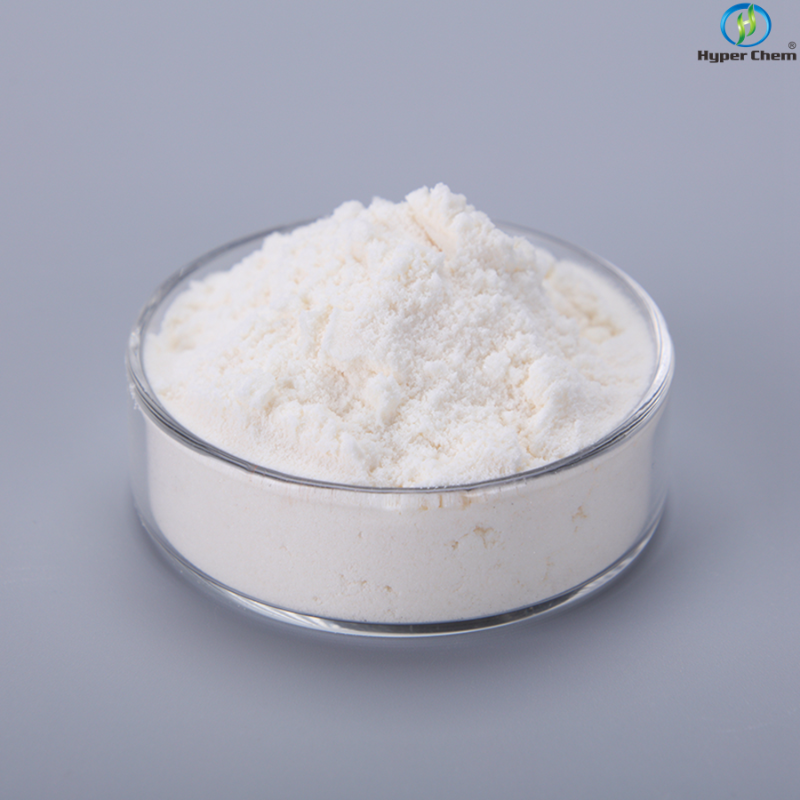
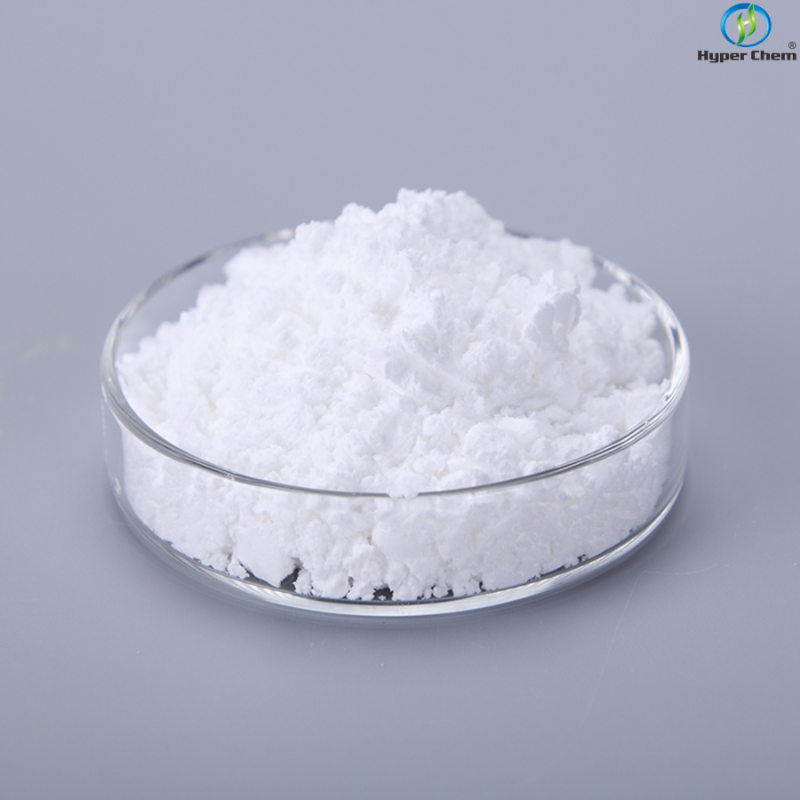
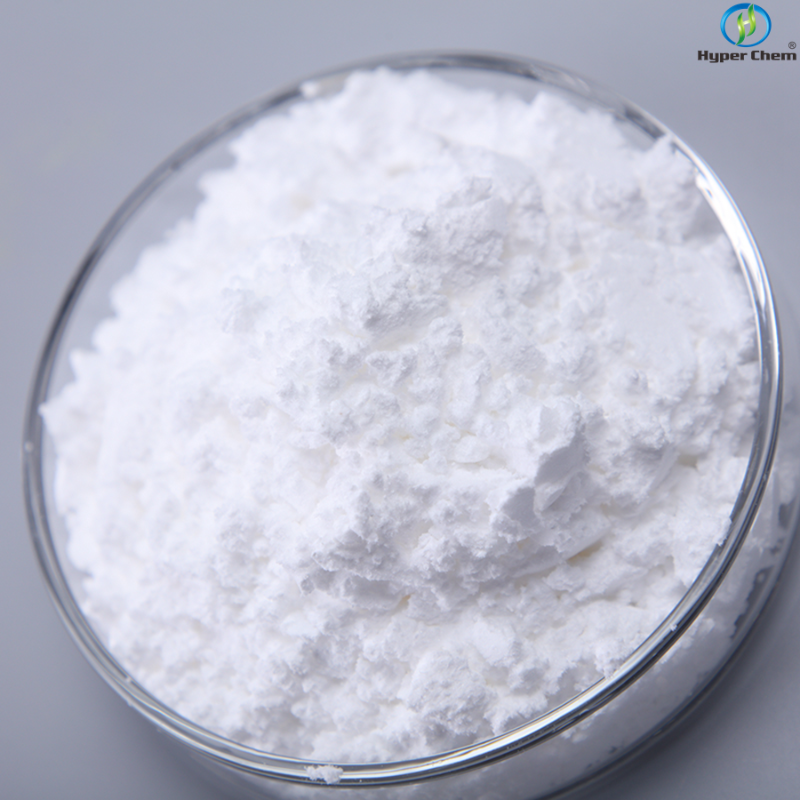
Appearance: Off-white to pale yellow crystalline solid powder
Storage Requirement: Sealed storage at -20 ℃ under dry and inert nitrogen protection, avoid repeated freeze-thaw cycles
Valid Shelf Life: 24 months under recommended storage environment
Purity Standard: HPLC Assay ≥ 98.0%, individual single impurity ≤ 0.1%, heavy metal residue ≤ 10 ppm, residual solvent meets ICH Q3C guidelines
Standard Supporting Documents: Full COA, HPLC chromatogram, mass spectrum identification report, complete SDS safety data sheet, customs declaration specification sheet
Core Product Introduction & Mechanism Advantages
Daraxonrasib, also widely recognized by its code RMC-6236 or research alias RAS-IN-2, represents a landmark innovative macrocyclic small-molecule research compound developed for the study of RAS-dependent cell signal transduction pathways, and it has become an indispensable core tool reagent for global pharmaceutical research laboratories, university life science departments, and biotech preclinical screening platforms. Distinct from traditional targeted research compounds that only bind single mutant protein subtypes, this molecule adopts an exclusive tri-complex molecular glue working mode, which overcomes the long-standing technical bottleneck that the activated GTP-binding conformation of RAS protein lacks stable ligand binding pockets, greatly expanding the depth and breadth of RAS-related basic mechanism research and preclinical candidate compound screening work.
The unique pharmacological working logic of Daraxonrasib relies on the endogenous chaperone protein cyclophilin A (CypA) widely expressed inside mammalian cells. After entering cell cytoplasm, Daraxonrasib first forms a stable binary binding complex with CypA via high-affinity non-covalent intermolecular forces; the combined binary complex will then specifically recognize and lock the switch I and switch II structural regions of GTP-bound activated RAS protein (denoted as RAS(ON)), finally assembling a highly stable ternary composite structure of CypA-Daraxonrasib-RAS(ON) inside cells. Once this ternary complex is formed, the binding interface between activated RAS protein and downstream effector proteins such as BRAF is completely occupied and blocked, cutting off the continuous transmission of MAPK/ERK downstream cascade signals driven by abnormal RAS activation, thereby effectively suppressing the abnormal proliferation activity of cell strains carrying various oncogenic RAS gene mutations, and inducing cell cycle arrest and apoptotic biological responses in target research cell models.
Compared with conventional RAS research compounds limited to single KRAS G12C mutation subtypes, Daraxonrasib delivers broad-spectrum selective inhibitory activity covering almost all mainstream carcinogenic RAS variants, including KRAS G12D, G12V, G12R, G13 mutant series, wild-type KRAS, NRAS and HRAS protein subtypes, filling the market gap of high-purity broad-spectrum pan-RAS research reagents that can simultaneously study multiple RAS mutation types without switching different compound raw materials in experiments. In standardized in vitro cell activity verification experiments, this product shows nanomolar-level potent inhibitory efficiency against RAS-mutated pancreatic, lung, colorectal and neuroblastoma cell lines, with typical EC₅₀ values ranging from 1.2 nM to 220 nM in different cell models, providing highly stable and repeatable experimental data support for quantitative pharmacological activity evaluation, gene expression sequencing analysis, combined compound synergy screening and drug resistance mechanism exploration research projects.
The molecular structural optimization route of Daraxonrasib fully balances target binding affinity, water solubility and metabolic stability of macrocyclic compounds, adopting rigid cyclopropyl skeleton modification and methylpiperazine side chain adjustment to significantly enhance the cation-π interaction between the molecule and CypA amino acid residues, lifting the binding affinity to CypA by more than 20 times compared with early lead compounds, while optimizing the compound’s cell membrane permeability to guarantee stable intracellular target occupancy under oral administration simulation conditions in preclinical animal model research, making it the preferred research reagent for both in vitro cell level testing and in vivo xenograft tumor model mechanism verification. Multiple published peer-reviewed papers from ACS Medicinal Chemistry, EBioMedicine and PLoS One journals have systematically cited Daraxonrasib as the standard positive control compound for pan-RAS pathway research, confirming its high recognition and authority in the global life science research industry.
Main Application Scenarios & Laboratory Usage
This high-purity Daraxonrasib powder is exclusively manufactured and supplied for scientific research experimental use, and is not applicable to human body administration or veterinary clinical treatment. Its mainstream application scenarios cover all links of early-stage biopharmaceutical target research and preclinical candidate screening, detailed as follows:
Basic signal transduction mechanism research: Used to explore the upstream and downstream regulatory network of RAS-MAPK signaling axis, verify the protein-protein interaction relationship between RAS and multiple effector molecules, and analyze the biological function of different RAS isoforms in cell proliferation, migration and apoptosis processes;
Preclinical compound activity screening: Served as positive reference control reagent during high-throughput screening of novel anti-proliferative small-molecule candidates, evaluate the synergistic anti-proliferative effect when combined with BCL-2 pathway modulators, MEK research reagents and other targeted compounds, and explore combined research schemes to overcome single-agent experimental limitations;
Tumor genetic mutation model research: Applied to in vitro culture of patient-derived primary tumor cells and genetically engineered RAS mutant cell lines, observe changes in cell viability, colony formation ability and cycle distribution after compound intervention, and support transcriptome, proteome and phosphoprotein sequencing analysis of treated cell samples;
In vivo preclinical animal model testing: Dissolved in laboratory-approved organic solvent systems for oral administration research in immunodeficient xenograft tumor mice, monitor tumor volume change, body weight fluctuation and survival cycle of model animals, conduct pharmacodynamic evaluation of target-dependent anti-proliferative effects, and analyze compound tissue distribution characteristics;
Drug resistance mechanism exploratory research: Establish long-term compound intervention cell strains to simulate acquired drug resistance phenotypes of RAS-targeted intervention, compare differential gene and protein expression between sensitive and resistant cell groups, and screen potential combined intervention targets to reverse resistance phenotypes;
Academic laboratory teaching and research projects: Supplied to university medical colleges, life science research institutes and graduate student laboratories for undergraduate and postgraduate experimental courses, academic dissertation research and laboratory internal standard reagent reserve.
Standard laboratory preparation guidance for reference: For in vitro cell culture experiments, dissolve Daraxonrasib solid powder in anhydrous DMSO to prepare 10 mM mother liquor stock solution, perform aseptic filtration with 0.22 μm organic filter membrane, and store subpackaged mother liquor at -20 ℃ in dark environment; during cell intervention, dilute the mother liquor with complete cell culture medium to the required working concentration range, and ensure the final DMSO volume ratio in culture medium does not exceed 0.1% to avoid solvent-induced cell toxicity interference on experimental results. For in vivo animal administration tests, formulate suspension solutions with PEG400, ethanol and normal saline mixed solvent system according to published literature formulas to achieve uniform oral administration administration for model animals.
Product Quality Control & Supply Advantages
Our factory implements full-process closed-loop quality control for every batch of Daraxonrasib raw powder, covering raw material synthesis intermediate inspection, crude product purification recrystallization monitoring, finished product multi-dimensional purity testing and finished batch stability accelerated verification. The complete quality inspection system includes high-performance liquid chromatography (HPLC) for purity quantification, mass spectrometry (MS) for molecular weight identity confirmation, nuclear magnetic resonance spectroscopy (NMR) for full molecular structural identification, loss on drying test, water content test, heavy metal residue detection and microbial limit test, and each shipment batch is attached with a fully traceable COA report with complete spectral data attachments to meet the strict document review requirements of university laboratories and biotech R&D platforms for reagent procurement.
We maintain stable mass production capacity of Daraxonrasib, with flexible minimum order quantity supporting small-batch laboratory trial orders from 10 mg to 100 g, and bulk kilogram-level supply for large-scale pharmaceutical screening projects. All finished solid powder products adopt double-layer vacuum aluminum foil packaging with desiccant and nitrogen filling protection inside the bottle, matched with external shock-proof foam carton packaging to avoid moisture absorption and structural degradation during long-distance international sea and air transportation. We support customized split packaging specifications according to customer laboratory storage habits, and provide global door-to-door logistics delivery service covering North America, Europe, Southeast Asia, Oceania and other major biotech research regions, with professional export customs clearance documents pre-prepared for all shipments to simplify cross-border import procedures for buyers.
Our technical support team consists of pharmaceutical chemistry and cell pharmacology professionals with more than 8 years of research reagent service experience. After order confirmation, we provide free technical consultation services including compound solubility parameter inquiry, experimental formulation reference scheme, storage stability guidance and literature retrieval support related to Daraxonrasib research, solving all technical difficulties encountered by customers during experimental operation, and establishing long-term batch reservation cooperation channels for regular laboratory procurement clients to guarantee uninterrupted reagent supply for long-cycle research projects.
Important Product Disclaimer
This Daraxonrasib compound powder is strictly limited to laboratory scientific research use only. It is prohibited to be used as raw material for human clinical treatment, veterinary medication, food additives, cosmetic raw materials or daily chemical products;
All experimental data and mechanism descriptions in this page are summarized based on published public academic research literature, only for reference of laboratory experimental design, and do not constitute any medical diagnosis or treatment guidance;
Operators must wear professional laboratory protective equipment including lab coat, nitrile gloves and goggles during compound weighing, dissolution and experimental operation, and all waste liquid and solid waste generated after experiments shall be disposed of in accordance with local laboratory hazardous waste management regulations;
The product cannot be mixed with strong oxidizing chemical reagents during storage and experimental use to prevent unexpected chemical reactions;
This product is not classified as controlled chemical substances under international and domestic standard regulatory catalogs, all export and import documents comply with global cross-border chemical commodity supervision requirements.
|








 Australia
 Hungary
 United States
 South Africa
 India
India
 Italy
Italy