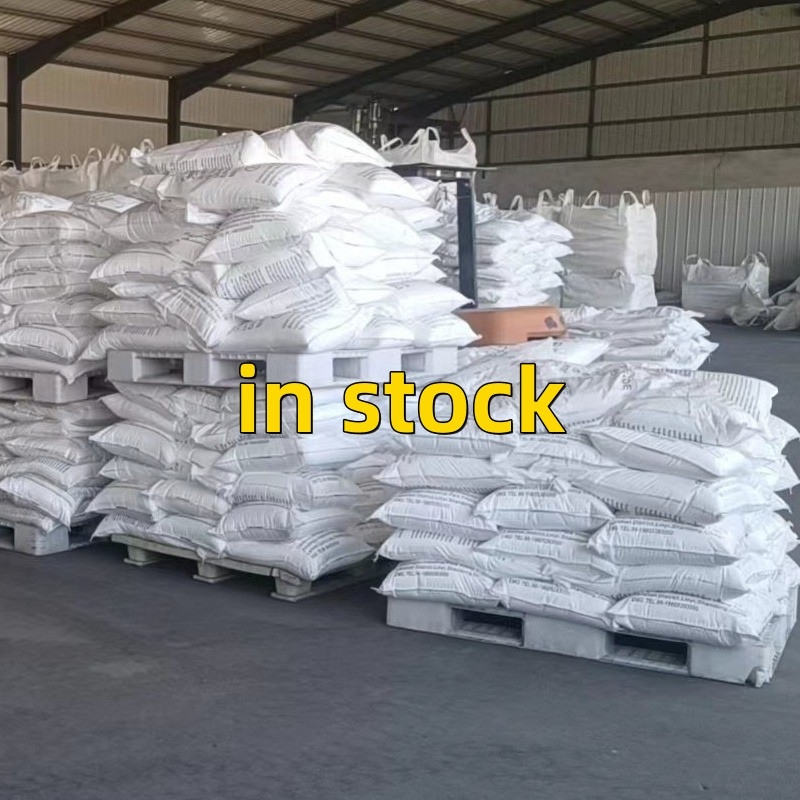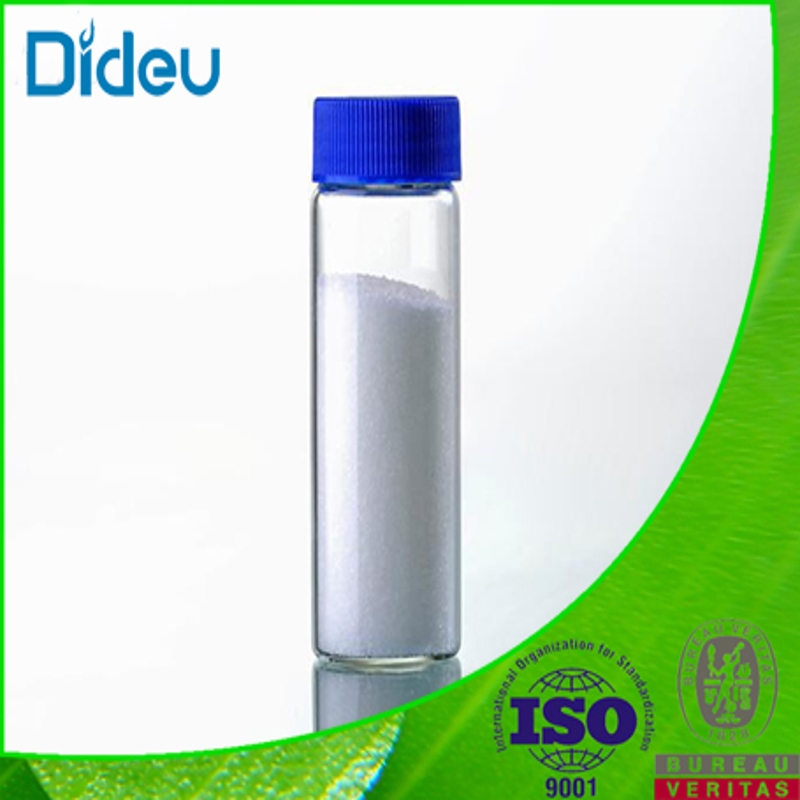
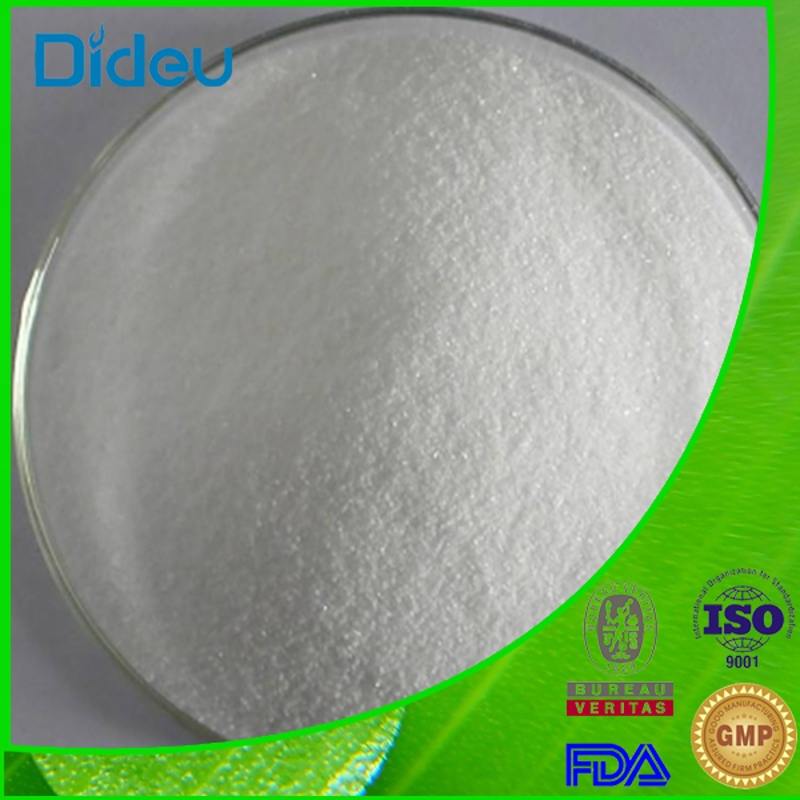

Silicon Dioxide Dideu
71 Inquiries
7631-86-9
99%
shanghai
Dideu
25KG/BAG
2026-09-05
Chemical Pesticides,Food Additives,Agrochemicals,Active Pharm Ingredients,Flavors and Fragrances,Chemical Catalyst
-
Product Description
-
Seller Information
-
Inquiry History
-
DescriptionECHEMI Editorial ReferenceDiatomaceous earth is a transparent to gray, odorless amorphous powder. Amorphous silica, the noncrystalline form of SiO2, is a transparent to gray, odorless, amorphous powder white crystals or powder
Silicon dioxide occurs almost everywhere on earth. It is one of the most important and abundant oxides on earth, constituting about 60% weight of the earth’s crust as silica itself or in combination with other metal oxides in silicates. It commonly is found as sand in the vast ocean and river shores, their beds, deserts, rocks, and minerals.Silicon dioxide exists in several structural forms: polymorphic crystalline silica, synthetic quartz crystals, amorphous silica, and vitreous silica. This classification is not complete as there are other forms of silica synthesized for specialized applications.
Silica is an inert, naturally occurring mineral used as a carrier in some pesticide products and is sometimes used as an insecticide to control crawling insects, acting via its abrasive and desiccant properties. It is moderately soluble in water and stable in the environment. It is generally considered non-toxic to biodiversity and humans. However, there are some concerns that exposure to crystalline silica particles that are small enough to reach the lungs can cause lung cancer.
white crystals or powder
ChEBI: A silicon oxide made up of linear triatomic molecules in which a silicon atom is covalently bonded to two oxygens.Basic Info-
Product Name:
Silicon dioxide
Other Name:SILICA GEL 60 PF254 FOR PREPARATIVE LAYE;LICHROSORB SI 100 (10 MYM) 10 G;TLC-SILICA GEL 60 GF254 MEAN PARTICLE SI;LICHROSORB SI 100 (10 MYM) 100 G;SEA SAND EXTRA PURE 5 KG;SILICA GEL 60 GF254 FOR THIN-LAYER CHROM;SILICA GEL 60 PF254 + 366 FOR PREPARATIV;SEA SAND EXTRA PURE 25 KG
CAS No.:7631-86-9
Molecular Formula:O2Si
InChIKeys:VYPSYNLAJGMNEJ-UHFFFAOYSA-N
Molecular Weight:60.08
Exact Mass:60.08
EC Number:231-545-4
TSCA:TSCA listed
Color/Form:White to yellow
HScode:2811221000
Categories:
Characteristics-
PSA:
34.14000
Physical Properties:Colorless amorphous (i.e., fused silica) or crystalline (i.e., quartz) material having a low thermal expansion coefficient and excellent optical transmittance in far UV. Silica is insoluble in strong mineral acids and alkalis except HF, concentrated H3PO4, NH4HF2, concentrated alkali metal hydroxides. Owing to its good corrosion resistance to liquid metals such as Si, Ge, Sn, Pb, Ga, In, Tl, Rb, Bi, and Cd, it is used as crucible container for melting these metals, while silica is readily attacked in an inert atmosphere by molten metals such as Li, Na, K Mg, and Al. Quartz crystals are piezoelectric and pyroelectric. Maximum service temperature 1090°C.
XLogP3:-0.61840
Appearance:White to yellow suspension
Density:2.2-2.6 g/mL at 25 °C
Melting Point:>1600 °C(lit.)
Boiling Point:>100 °C(lit.)
Flash Point:2230°C
Refractive Index:1.46
Water Solubility:insoluble
Storage Conditions:Refrigerator (+4°C)
Vapor Pressure:13.3hPa at 1732℃
Toxicity:LC inhalation in rat: > 200gm/m3/1H
Flammability characteristics:Noncombustible Solid
Explosive limit:Silica gel at -78 deg C adsorbs 4.5 wt % of ozone, and below this temperature the concentration increases rapidly. At below -112 deg C ozone liquefies and there is a potential explosion hazard at temperatures below -100 deg C if organic material is present.
Odor:at 100.00%. odorless
Taste:Tasteless
PH:5-8 (100g/l, H2O, 20℃)(slurry)
PKA:6.65-9.8[at 20 ℃]
Critical Temperature & Pressure:2-8°C
Hazard IdentificationClassification of the substance or mixture
Not classified.
GHS label elements, including precautionary statements
Pictogram(s) No symbol. Signal word No signal word
Hazard statement(s) none
Precautionary statement(s) Prevention none
Response none
Storage none
Disposal none
Other hazards which do not result in classification
no data available
Handling and StoragePrecautions for safe handling
Handling in a well ventilated place. Wear suitable protective clothing. Avoid contact with skin and eyes. Avoid formation of dust and aerosols. Use non-sparking tools. Prevent fire caused by electrostatic discharge steam.
Conditions for safe storage, including any incompatibilities
Store the container tightly closed in a dry, cool and well-ventilated place. Store apart from foodstuff containers or incompatible materials.
-
-
Seller Information
-
Business Type:
Manufactory
-
Main Products:
Chemical Pesticides,Food Additives,Agrochemicals,Active Pharm Ingredients,Flavors and Fragrances,Chemical Catalyst
-
Location:
https://www.dideu.com/en/
-
Payment Terms:
TT against copy of documents,D/P,L/C,D/A,O/A,TT against B/L draft before shipment,100% TT in advance
-
Average lead Time:
7 days
-
Total Annual Revenue:
Above $100 million
-
Total Employees:
Above 1000
-
Year of Establishment:
2016
Company Certificates-
 ISO Certificate
-
 REACH
REACH
">Company Profile -
-
Inquiry History71 Inquiries
Country Product Purchase Quantity Date Posted  India
India
Silicon dioxide
30.00 KG Jun 13, 2025  Kenya
Kenya
Silica Dioxide
1 MT Oct 27, 2023  United States
Octadecyl Bonded Phase Filler
100 KG Jun 15, 2024
United States
black diesel oil bleaching chemical
100 TON Jun 13, 2024  Belgium
Silicon dioxide
100.00 KG Jun 5, 2025  Georgia
Colloidal silicon dioxide
50 KG Mar 25, 2024  Bangladesh
COLLOIDAL ANHYDROUS SILICA (AEROSIL-200)
2000 KG Aug 18, 2026
Bangladesh
COLLOIDAL ANHYDROUS SILICA (AEROSIL-200)
2000 KG Aug 7, 2026
India
Silica mesoporous, 1 μm particle size, pore size ~2 nm
15.3 G Apr 18, 2025  Philippines
Silicon Dioxide
600 KG Aug 6, 2026
India
Silicon dioxide
100 KG Jul 13, 2026
India
Silica
2000.00 KG Apr 23, 2026  South Korea
Silica 96%
1 KG Apr 16, 2026  Egypt
Egypt
silicon dioxide
1 KG Mar 2, 2026  Brazil
Thermal Silica Aerogel Granular Powder
1 KG Feb 26, 2026
India
Tysil 175 Silica
2000.00 KG Feb 26, 2026
India
Silicon Dioxide
1.00 KG Feb 11, 2026  Singapore
Silicon Dioxide
1 KG Feb 10, 2026  Germany
Silicon Dioxide
1 40' Fcl Feb 4, 2026
Brazil
Silicon dioxide
10 MT Jan 23, 2026 Post an enquiry for this product
More from this Seller
-
-

-
ADRENOCHROME 99% solid 54-06-8 Dideu
Chemical Grade / 99%
$1/KG FOB
-
-
-

-
Squalane 99% Dideu
Pharmaceutical Grade / 99%
-
-
-

-
High Quality Nefiracetam 99% powder 77191-36-7 Shaanxi Dideu Medichem Co.Ltd
Chemical Grade / 99%
$1/G FOB
-
-
-

-
Dideu support high quality Calcium Hypoclorite
Industrial Grade / 99%
-
-
-

-
Trenbalone acetate 99%
Industrial Grade / 99.0%
-


Hot Related Products
-
 soda ash Lisa shop
 -
 TUODA-Sodium carbonate
 -
 Sodium carbonate99%
 -
 soda ash light white powder
 -
 Cheap Price High Quality Anhydrous Sodium Carbonate CAS 497-19-8 Global Warehouse
 -
99% Used for food processing") Food grade Sodium Carbonate (Soda Ash)99% Used for food processing
Food grade Sodium Carbonate (Soda Ash)99% Used for food processing -
 sodium carbonate light/ heavy / food grade
 -
 SILICA CAS 14464-46-1
 -
 China Factory Soda Ash Sodium Carbonate CAS 497-19-8 in large stock
 -
 CAS 1344-09-8 High Purity") Sodium Silicate Solid / Powder (Na2SiO3) CAS 1344-09-8 High Purity
Sodium Silicate Solid / Powder (Na2SiO3) CAS 1344-09-8 High Purity$500-650/MT FOB