TEXTILE GRADE CARBOXYMETHYL STARCH CMS PRINTING THICKENER
PRODUCT OVERVIEW
FSX Textile Grade Carboxymethyl Starch, commonly known as CMS, is a modified starch-based thickener developed for textile printing paste preparation and related textile processing applications.
CMS is produced by introducing carboxymethyl groups into the starch structure. The resulting modified starch can provide water dispersibility, viscosity development, paste stability and rheological control according to the selected product grade.
Printing-grade CMS can be evaluated for reactive, disperse and pigment printing systems. The appropriate grade should be selected according to the dye system, fabric type, printing method, required viscosity, degree of substitution and final printing performance.
FSX Chemical supports product selection and sample matching for textile printing mills, printing paste manufacturers, textile auxiliary formulators, chemical distributors and industrial buyers.
PRODUCT INFORMATION
Product Name: Carboxymethyl Starch
Abbreviation: CMS / CMS-Na
Chemical Type: Modified Starch Derivative
CAS Number: 9063-38-1, when applicable to the confirmed product specification
Grade: Textile Printing Grade
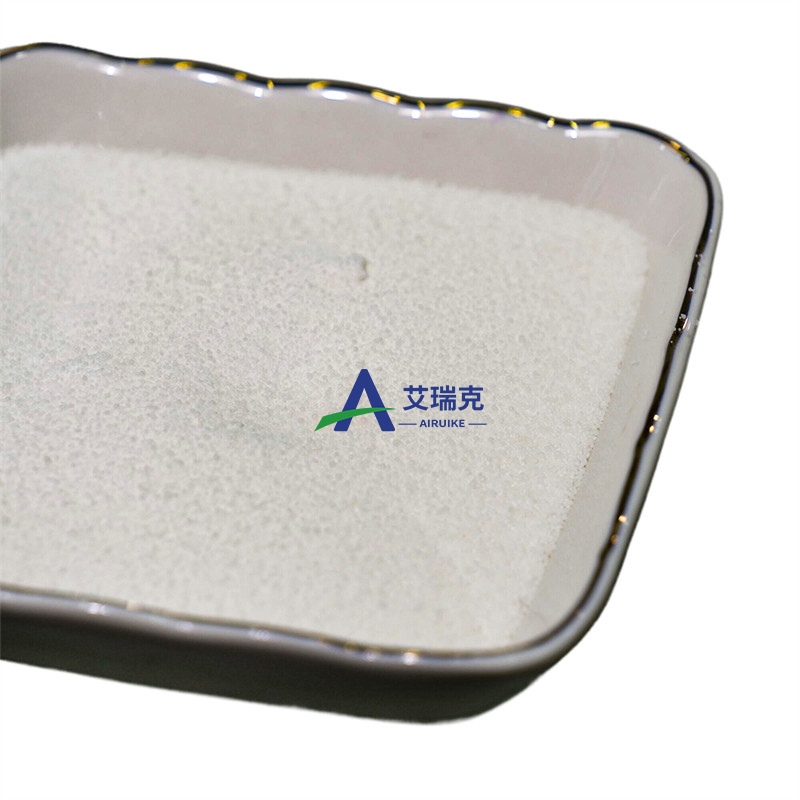
Appearance: White to off-white powder
Application: Textile Printing Paste
Brand: FSX CHEMICAL
Model: FSX-CMS-TP
Packaging: 25 kg kraft paper bag with inner PE liner
KEY FEATURES
-
Textile Printing Grade
This CMS product is positioned for textile printing applications rather than pharmaceutical or food use. It is intended for evaluation as a printing paste thickener and rheology modifier.
-
Viscosity Development
Carboxymethyl Starch can develop viscosity in water under appropriate preparation conditions. Different viscosity grades can be supplied according to the printing process and customer requirements.
-
Rheological Control
The appropriate CMS grade can help control printing paste flow, screen transfer and penetration. Rheological performance should be matched to the printing machine, screen mesh, fabric and pattern.
-
Printing Paste Stability
CMS can help maintain the consistency and uniform distribution of formulation components during paste preparation, storage and application.
-
Sharp Pattern Definition
Controlled paste flow can help reduce excessive spreading and support clearer outlines and fine printing details. Final results depend on the complete formulation and printing conditions.
-
Color Yield Support
A correctly selected CMS thickener can support dye transfer and color performance. Color yield is also affected by dyes, auxiliaries, fabric preparation, drying, fixation and washing conditions.
-
Cost-Controlled Formulation Route
CMS can be evaluated as a full or partial alternative to other natural or synthetic printing thickeners. Replacement ratios must be confirmed through laboratory and production trials.
-
Custom Grade Matching
Product grade can be matched according to viscosity, degree of substitution, purity, particle size, dye system and printing method.
MAIN APPLICATIONS
Reactive Dye Printing
Specialized printing-grade CMS can be evaluated for reactive dye printing on cotton, viscose and other cellulosic fabrics.
Compatibility with reactive dyes depends on the degree of substitution, substitution uniformity, purity and complete printing formulation. Laboratory testing is required before commercial production.
Disperse Dye Printing
Suitable CMS grades can be evaluated in disperse printing formulations for polyester and selected synthetic fabrics.
The final grade should be selected according to dye type, fabric construction, printing process, fixation conditions and wash-off requirements.
Pigment Printing
CMS can be evaluated as a thickener or rheology-control component in pigment printing formulations. Compatibility with pigments, binders, emulsifiers and other auxiliaries should be tested.
Flat Screen Printing
The appropriate CMS grade can help control paste transfer and printing definition in flat screen printing.
Rotary Screen Printing
Selected viscosity and rheology grades can be evaluated for continuous rotary screen textile printing.
Printing Paste Formulation
Textile auxiliary manufacturers can use CMS as a modified starch component when developing compound or customized printing thickener systems.
POTENTIAL BENEFITS
• Controllable viscosity
• Modified starch-based thickening
• Printing paste rheology control
• Paste stability support
• Screen printing compatibility
• Pattern definition support
• Color yield support
• Different viscosity grades available
• Grade matching for different dye systems
• Potential reduction of thickener formulation cost
• Factory-direct bulk supply
• Free sample evaluation
• TDS, SDS and COA support
TYPICAL SPECIFICATIONS
The following parameters must be confirmed according to the selected grade and official Technical Data Sheet:
Product Name: Carboxymethyl Starch
Abbreviation: CMS / CMS-Na
Grade: Textile Printing Grade
Appearance: White to off-white powder
Ionic Character: Anionic, when confirmed by the selected grade
Viscosity: According to the selected grade
Degree of Substitution: According to the selected grade
Purity or Active Content: According to the selected grade
pH Value: According to the selected grade
Moisture: According to the selected grade
Ash Content: According to the selected grade
Particle Size: According to the selected grade
Insoluble Matter: According to the selected grade
Application: Textile printing paste
Packaging: 25 kg per bag
Viscosity values are only meaningful when the complete testing method is provided. The solution concentration, temperature, spindle, rotation speed, hydration time and measuring instrument should be specified.
RECOMMENDED PASTE PREPARATION
-
Add the required amount of clean water to the mixing tank.
-
Start moderate agitation before adding the CMS powder.
-
Add CMS slowly and evenly into the moving water.
-
Avoid adding a large amount of powder at one time, as this may cause lump formation.
-
Continue stirring until the powder is uniformly dispersed.
-
Allow sufficient hydration time for viscosity development.
-
Add dyes, pigments and auxiliaries according to the selected printing formulation.
-
Adjust the final viscosity according to the fabric, printing process, screen mesh and pattern requirements.
-
Conduct laboratory testing before production-scale use.
The optimum dosage depends on CMS grade, viscosity, degree of substitution, dye system, fabric, printing equipment and formulation.
GRADE SELECTION
Reactive Printing Grade
For reactive printing applications, a suitable degree of substitution and chemical compatibility are important. The grade must be tested with the actual reactive dye and printing formulation.
Disperse Printing Grade
For disperse printing applications, the grade should be evaluated for paste stability, screen performance, color yield, fixation and wash-off.
Pigment Printing Grade
For pigment printing, compatibility with binder, pigment dispersion and other formulation components should be confirmed.
Compound Thickener Grade
CMS can also be evaluated as one component of a blended printing thickener system. Blending ratios should be determined through laboratory testing.
IMPORTANT APPLICATION NOTICE
Carboxymethyl Starch should not be promoted as a universal direct replacement for sodium alginate in every printing process.
Performance depends on:
• Degree of substitution
• Substitution uniformity
• Product purity
• Molecular structure
• Viscosity and rheology
• Water retention
• Dye or pigment chemistry
• Fabric type
• Printing equipment
• Drying and fixation conditions
• Washing process
For reactive printing in particular, the remaining hydroxyl groups may interact with certain reactive dyes. A suitable printing-grade CMS and a compatible formulation must be confirmed through testing.
PRODUCT MATCHING INFORMATION
To recommend a suitable CMS grade, please provide:
• Dye system
• Fabric type
• Flat screen or rotary screen printing
• Required viscosity
• Complete viscosity testing method
• Required degree of substitution
• Existing thickener name or model
• Current printing paste formulation
• Main problem to be improved
• Target color yield
• Sharpness and penetration requirements
• Monthly or annual consumption
QUALITY CONTROL
FSX Chemical operates its own research and development laboratory and textile printing application laboratory.
Important product parameters can be inspected according to the selected CMS grade and customer specification. Batch documentation can include:
• Technical Data Sheet
• Safety Data Sheet
• Certificate of Analysis
• Product specification
• Packaging information
• Storage instructions
PACKAGING
Standard Packaging: 25 kg kraft paper bag with inner PE liner.
Alternative packaging can be discussed according to order quantity and export requirements.
STORAGE
Store the product in a cool, dry and well-ventilated place.
Protect the CMS powder from moisture, direct sunlight and heat. Keep the packaging tightly closed. Reseal opened bags carefully to prevent moisture absorption and contamination.
SHELF LIFE
The official shelf life should follow the product label and Technical Data Sheet. Storage temperature and humidity can affect powder condition and viscosity performance.
FREE SAMPLE AND TECHNICAL SUPPORT
Free samples are available for qualified laboratory evaluation.
Customers can provide their current CMS sample, TDS, COA, viscosity testing method, printing formulation or target performance through the ECHEMI inquiry system.
Our technical team can review the application information and recommend a suitable grade for laboratory and production testing.
FREQUENTLY ASKED QUESTIONS
Q1: What does CMS mean?
CMS means Carboxymethyl Starch, a modified starch derivative used as a thickener, binder and rheology modifier in industrial formulations.
Q2: Is this a pharmaceutical-grade Sodium Starch Glycolate?
No. This product page is for Textile Printing Grade Carboxymethyl Starch. It is not positioned as a pharmaceutical tablet disintegrant.
Q3: Can CMS be used in textile printing paste?
Yes. Suitable CMS grades can be evaluated as thickeners and rheology modifiers in textile printing paste formulations.
Q4: Is it suitable for reactive dye printing?
Specialized CMS grades can be evaluated for reactive printing. Suitability depends on degree of substitution, purity, dye chemistry and the complete printing formulation. Laboratory testing is required.
Q5: Can CMS replace sodium alginate?
CMS may be evaluated as a full or partial alternative in selected formulations. It should not be treated as a universal one-to-one replacement without testing.
Q6: Can it be used for disperse and pigment printing?
Matched CMS grades can be evaluated for disperse and pigment printing. The appropriate grade should be selected according to the dye system and application conditions.
Q7: Do you provide different viscosity grades?
Yes. Different viscosity and application grades can be supplied. Please provide the complete viscosity testing method and printing requirements.
Q8: Can you provide a free sample?
Free samples are available for qualified laboratory testing. Sample quantity and international courier arrangements will be confirmed before shipment.
Q9: What documents are available?
The applicable TDS, SDS and COA can be provided according to the selected product grade.
ABOUT FSX CHEMICAL
FSX Chemical manufactures and supplies textile printing thickeners, including Carboxymethyl Starch, Sodium Carboxymethyl Cellulose, Sodium Alginate, digital printing paste and compound printing thickeners.
With our own research and development laboratory and textile printing application laboratory, we support product selection, sample matching, batch verification and application testing.
We aim to provide textile printing mills, textile auxiliary formulators and chemical distributors with stable product quality, professional technical support and competitive factory-direct supply.







 Bangladesh
 India
India
 United States
 Ecuador
 Pakistan