Product
Supplier
Encyclopedia
Inquiry
Home > Agrochemicals > Fertilizers > Ammonium sulfate for Sale > Ammonium Sulphate Fertilizer Nitrogen 21% White Granular
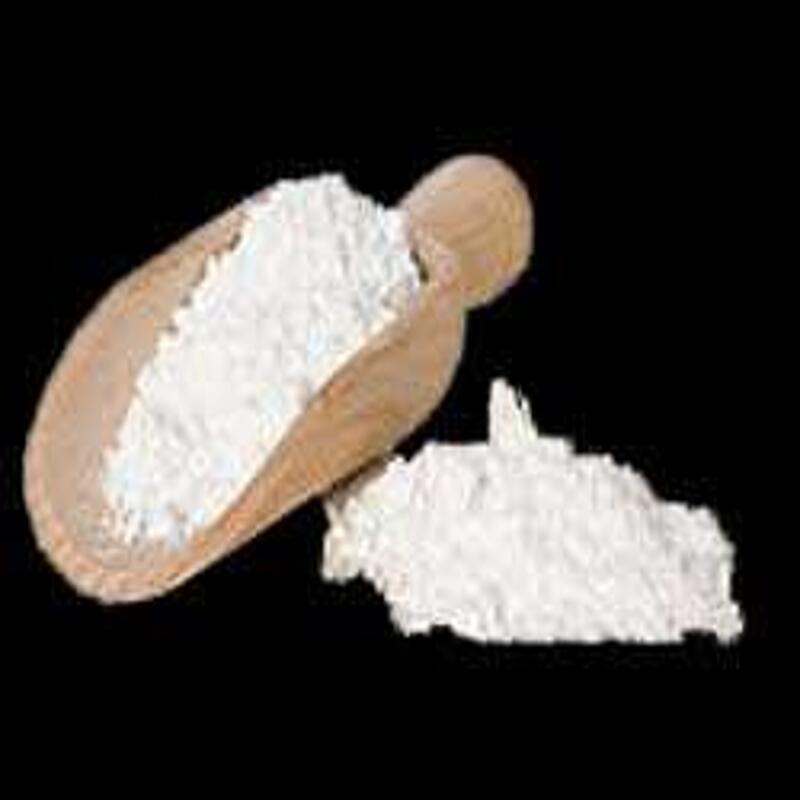
Ammonium Sulphate Fertilizer Nitrogen 21% White Granular buy - large image1
Ammonium Sulphate Fertilizer Nitrogen 21% White Granular buy - image1
Ammonium Sulphate Fertilizer Nitrogen 21% White Granular buy - image2

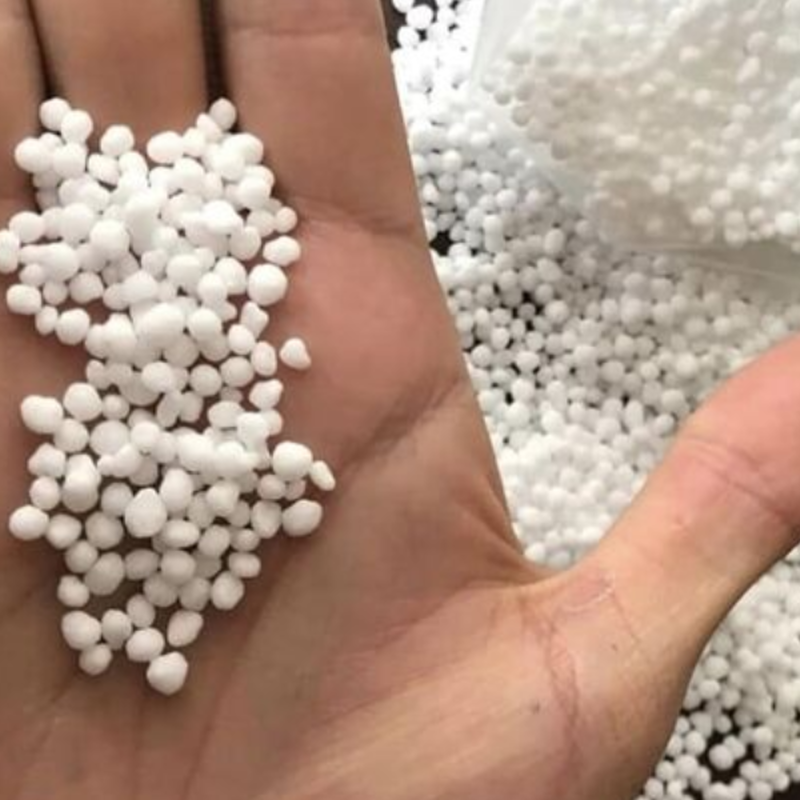
Ammonium Sulphate Fertilizer Nitrogen 21% White Granular

121 Inquiries

Unit Price:

$250-290/MT FOB

Get Latest Price
CAS No.:

7783-20-2

Grade:

Agricultural Grade

Content:

99%

Port:

Antwerp, Belgium

Brand:

FMC

Packaging:

25kg/PP Bag, 50kg/PP Bag, 1000kg/IBC

Price valid (until):

2026-10-30

Company Type:
Distributor
Location:
Belgium
Qualification:
Main Products:

Dihexa,Semax Powder,Piracetam Powder,Pramiracetam Powder,Noopept Powder,Oxiracetam Powder

  • Product Description

  • Seller Information

  • Inquiry History

  • Description

    Glycerol (Glycerine) — High-Purity Multifunctional Polyol

    Glycerol, commonly known as glycerine, is a high-purity, multifunctional trihydric alcohol distinguished by its colorless and transparent appearance, odorless character, viscous consistency, and mildly sweet taste. With the molecular formula C₃H₈O₃, glycerol is a three-carbon polyol containing three hydroxyl (-OH) functional groups, which are responsible for its exceptional affinity for water and broad formulation versatility.

    Its combination of high hygroscopicity, excellent water solubility, chemical stability, low volatility, humectant performance, solvent capacity, plasticizing properties, and cryoprotective functionality has established glycerol as an important raw material, excipient, processing aid, and chemical intermediate across numerous industrial sectors.

    Glycerol is widely incorporated into food and beverage products, pharmaceutical formulations, cosmetics and personal-care products, chemical and polymer systems, textiles, tobacco products, biotechnology, and other specialty industrial applications.

    Chemical and Physical Characteristics

    Parameter Specification / Description
    Product Name Glycerol / Glycerine
    Chemical Formula C₃H₈O₃
    CAS Number 56-81-5
    EINECS Number 200-289-5
    Chemical Class Trihydric alcohol / Polyol
    Molecular Structure Three-carbon backbone containing three hydroxyl (-OH) groups
    Appearance Colorless, transparent, viscous liquid
    Odor Odorless
    Taste Mildly sweet
    Solubility Highly soluble in water; readily miscible with many polar solvents and alcohols
    Purity ≥99.7%
    Origin China
    Available Grades Food / Cosmetic / USP
    Primary Functional Properties Humectant, solvent, plasticizer, carrier, viscosity modifier, stabilizer, cryoprotectant

    The presence of three hydroxyl groups enables glycerol to establish strong hydrogen-bonding interactions with water. This molecular characteristic accounts for its exceptional moisture-retention capability, high water affinity, and broad compatibility with aqueous formulations.

    As a result, glycerol can perform multiple functions within a single formulation, including acting as a humectant, solvent, carrier, plasticizer, viscosity modifier, stabilizing agent, and cryoprotective medium.

    Origin, Manufacture, and Refining

    Glycerol occurs naturally as a fundamental structural component of triglycerides, which form the principal constituents of vegetable oils and animal fats. Commercial glycerol is therefore closely associated with the processing of fats and oils.

    Major industrial sources include:

    • Vegetable-oil processing

    • Biodiesel production

    • Fat and oil saponification

    • Soap manufacturing

    Crude glycerol obtained from these processes may contain water, salts, fatty-acid residues, methanol, catalyst residues, and other impurities. Depending on the intended application, it can undergo a series of purification and refining operations, including filtration, separation, concentration, distillation, decolorization, and other purification processes.

    Through appropriate refining and quality-control procedures, glycerol can be produced in grades suitable for applications requiring stringent purity and specification requirements, including food, cosmetic, pharmaceutical, and USP applications.

    Major Industrial Applications

    1. Food and Beverage Industry

    Glycerol is a versatile ingredient and processing aid in food applications, primarily due to its humectant, solvent, plasticizing, and texture-modifying properties.

    Typical functions include:

    • Moisture retention: Helps maintain product moisture and reduce undesirable drying.

    • Texture modification: Contributes to softness, mouthfeel, and consistency in selected formulations.

    • Carrier and solvent: Facilitates the incorporation of certain flavors, extracts, and functional ingredients.

    • Stability enhancement: Supports consistent physical characteristics during storage.

    • Sweetening contribution: Provides mild sweetness in appropriate food formulations.

    Its strong water-binding capacity makes glycerol particularly valuable where maintaining controlled moisture levels is essential to product quality and shelf stability.

    2. Pharmaceutical and Healthcare Applications

    High-purity glycerol is an established pharmaceutical excipient and functional ingredient because of its solvency, hygroscopicity, viscosity-modifying capability, and plasticizing performance.

    It is utilized in:

    • Oral liquids and syrup formulations

    • Topical creams, gels, and ointments

    • Suppository formulations

    • Selected laxative preparations

    • Pharmaceutical solvent systems

    • Excipient and carrier systems

    • Biological preservation and cryoprotective formulations

    The ability of glycerol to retain moisture and modify viscosity makes it particularly useful in formulations where physical stability, controlled consistency, and moisture management are important.

    3. Cosmetics and Personal Care

    Glycerol is one of the most widely utilized humectants in cosmetic and personal-care formulations. Its strong affinity for water enables it to attract and retain moisture, supporting the development of products designed to maintain a hydrated and conditioned feel.

    It is commonly incorporated into:

    • Facial and body moisturizers

    • Creams and lotions

    • Cleansers

    • Soaps and syndet formulations

    • Hair-care products

    • Serums

    • Gels

    • Skin-conditioning preparations

    • Personal-care formulations requiring moisture retention

    In addition to its humectant function, glycerol can contribute to formulation viscosity, sensory characteristics, ingredient dispersion, and overall product consistency.

    4. Chemical, Polymer, and Coatings Industries

    Beyond its direct formulation applications, glycerol serves as a versatile chemical intermediate and renewable carbon-based feedstock for the synthesis of downstream chemical products.

    Its applications include the production and formulation of:

    • Alkyd resins

    • Plasticizers

    • Coatings

    • Surface-treatment materials

    • Polymer systems

    • Chemical intermediates

    • Glycerol-derived specialty chemicals

    The three reactive hydroxyl groups provide opportunities for chemical modification and derivatization, allowing glycerol to participate in the synthesis of a broad range of value-added materials.

    5. Textile and Dyeing Industry

    Glycerol can provide useful hygroscopic, lubricating, dispersing, and solvent characteristics in textile-processing operations.

    Potential applications include:

    • Textile lubricating systems

    • Moisture-retention formulations

    • Dyeing auxiliaries

    • Finishing formulations

    • Dispersing systems

    • Penetrating agents

    • Selected anti-shrinkage and conditioning treatments

    Its compatibility with aqueous systems can assist in maintaining formulation consistency and facilitating the distribution of selected processing ingredients.

    6. Tobacco Industry

    Glycerol is employed as a humectant and solvent in tobacco-related formulations. Its moisture-retention properties help regulate moisture content and contribute to the desired physical characteristics of the finished product.

    7. Biotechnology, Microbiology, and Laboratory Applications

    Glycerol is extensively used in biotechnology and laboratory environments because of its ability to reduce freezing-related damage to biological materials.

    Common applications include:

    • Cryopreservation of microbial cultures

    • Preservation of biological samples

    • Microbiological culture storage

    • Molecular biology workflows

    • Cryoprotective media

    • Biotechnology research and development

    Its cryoprotective properties can help limit cellular and structural damage associated with freezing and long-term storage under appropriate conditions.

    8. Additional Industrial Applications

    The multifunctional nature of glycerol enables its incorporation into numerous other industrial processes and formulations, including:

    • Paper and pulp processing

    • Leather treatment

    • Printing formulations

    • Photographic applications

    • Rubber and elastomer processing

    • Adhesives

    • Specialty chemical formulations

    • Agricultural chemical systems

    • Industrial processing aids

    Functional Advantages

    Glycerol combines several valuable physicochemical properties within a single material:

    Exceptional Hygroscopicity

    Glycerol has a strong affinity for water, allowing it to absorb and retain moisture effectively. This makes it highly suitable for applications requiring controlled moisture management.

    Broad Solvent Compatibility

    Its high polarity and miscibility with water enable glycerol to function as an effective solvent or carrier for numerous water-soluble and polar substances.

    Plasticizing Performance

    Glycerol can increase flexibility and reduce brittleness in selected materials and formulations, making it useful as a plasticizing component.

    Viscosity Modification

    Its naturally viscous character allows glycerol to contribute to the rheological profile and consistency of liquid and semi-solid formulations.

    Chemical Stability

    Under appropriate storage and processing conditions, glycerol demonstrates good chemical stability, supporting its use across a wide variety of formulation environments.

    Cryoprotective Capability

    Glycerol can help protect biological materials against freezing-related damage, supporting its widespread use in microbiological and biotechnology applications.

    Broad Formulation Compatibility

    Its compatibility with water, alcohols, and numerous polar substances enables glycerol to function effectively across diverse formulation systems.

    Product Specifications

    Parameter Specification
    Product Name Glycerol / Glycerine
    CAS No. 56-81-5
    EINECS No. 200-289-5
    Chemical Formula C₃H₈O₃
    Purity ≥99.7%
    Origin China
    Grade / Usage Food / Cosmetic / USP
    Appearance Colorless, transparent, odorless, viscous liquid
    Other Name Glycerine

    Product Quality and Application Positioning

    With a stated purity of ≥99.7%, this glycerol is positioned as a high-purity multifunctional raw material suitable for applications requiring consistent composition, reliable functional performance, and controlled formulation characteristics.

    The availability of food, cosmetic, and USP-oriented grades allows the material to address different application requirements, subject to the applicable specifications, certifications, and regulatory standards for the intended market.

    Conclusion

    Glycerol is a highly versatile three-functional hydroxyl polyol whose combination of hygroscopicity, water miscibility, solvency, plasticizing capability, viscosity modification, chemical stability, and cryoprotective performance makes it an essential material across modern manufacturing and formulation industries.

    From food and pharmaceutical products to cosmetics, polymers, coatings, textiles, biotechnology, and specialty chemicals, glycerol provides a broad functional platform that can improve moisture management, formulation stability, processing characteristics, and product performance.

    Its ≥99.7% purity, combined with its availability in Food, Cosmetic, and USP grades, makes it a suitable choice for manufacturers and formulators seeking a reliable, multifunctional glycerol raw material for demanding commercial and industrial applications.

    Shop Ammonium Sulphate Fertilizer Nitrogen 21% White Granular-Detailed Image 1 Shop Ammonium Sulphate Fertilizer Nitrogen 21% White Granular-Detailed Image 2

    ECHEMI Editorial Reference
    White crystalline powder

    Basic Info
    Product Name:

    Ammonium sulfate

    Other Name:

    Ammonium Sulphate;Sulfuric acid ammonium salt (1:2);Sulfuric acid diammonium salt;Ammonium sulfate (2:1);Ammonium sulfate;Dolamin;Ammonium sulfate ((NH4)2SO4);Diammonium sulfate;Diammonium sulphate;Ammonium sulphate;Coaltrol LPA 40;Sulfuric acid,diammonium salt;Para-Go;Nonnen R 999-10;Actimaster AMS;Tasker Clear;Busan 1215;Oxamine 6150;122364-22-1;122393-13-9;44071-93-4;57973-73-6;64006-53-7;82168-61-4;428816-32-4

    CAS No.:

    7783-20-2

    Molecular Formula:

    H3N.1/2H2O4S

    InChIKeys:

    InChIKey=BFNBIHQBYMNNAN-UHFFFAOYSA-N

    Molecular Weight:

    132.14

    Exact Mass:

    132.020477

    EC Number:

    231-984-1

    UNII:

    SU46BAM238

    DSSTox ID:

    DTXSID1029704

    Color/Form:

    White or brown orthorhombic crystals|Orthorhombic crystals or white granules|Brownish gray to white crystals according to degree of purity

    HScode:

    31022100

    Categories:

    Fertilizers

    Characteristics
    PSA:

    90.6

    XLogP3:

    0.75190

    Appearance:

    Yellow to orange Solid

    Density:

    1.769 g/cm3 @ Temp: 50 °C

    Melting Point:

    336-339 °C (decomp)

    Boiling Point:

    330ºC at 760 mmHg

    Flash Point:

    26 °C

    Refractive Index:

    n20/D 1.396

    Water Solubility:

    H2O: 77 g/100 mL (25 ºC)

    Storage Conditions:

    2-8°C

    Vapor Pressure:

    <1 Pa (25 °C)

    Toxicity:

    Oral-rat LD50: 3000 mg/kg; Abdominal cavity-mouse LD50: 610 mg/kg

    Flammability characteristics:

    Flammable; heat produces toxic nitrogen oxides, sulfur oxides and ammonia fumes

    Explosive limit:

    May explode if mixed with oxidizers, such as potassium nitrate, potassium nitrite and potassium chlorate.

    Odor:

    Odorless

    PH:

    pH = 5.5 (0.1 M aqueous solution)

    Experimental Properties:

    Average specific heat capacity: 1.423 J/g-K at 2-55 °C; heat of solution on dissolution of 1 mol in 400 mol water: +9.92 kJ at 18 °C; integral heat of solution: +6.57 kJ/mol at 30 °C; differential heat of solution for saturated solution: +6.07 kJ/mol at 30 °C; deliquesces above 80% relative humidity|Decomposes above 280 °C

    Air and Water Reactions:

    Dissolves in water with evolution of some heat.

    Reactive Group:

    Salts, Acidic

    Reactivity Profile:

    AMMONIUM SULFATE is acidic in aqueous solution. When a little ammonium sulfate is added to fused potassium nitrite, a vigorous reaction occurs attended by flame [Mellor 2:702 1946-47].

    Autoignition Temperature:

    Not flammable (USCG, 1999)

    Corrosivity:

    Does not attack iron or aluminum /Ammoniacal solutions/

    Hazard Identification

    Classification of the substance or mixture

    Not classified.

    GHS label elements, including precautionary statements

    Pictogram(s) No symbol.
    Signal word

    No signal word

    Hazard statement(s)

    none

    Precautionary statement(s)
    Prevention

    none

    Response

    none

    Storage

    none

    Disposal

    none

    Other hazards which do not result in classification

    no data available

    Handling and Storage

    Precautions for safe handling

    Handling in a well ventilated place. Wear suitable protective clothing. Avoid contact with skin and eyes. Avoid formation of dust and aerosols. Use non-sparking tools. Prevent fire caused by electrostatic discharge steam.

    Conditions for safe storage, including any incompatibilities

    Conditions for safe storage, including any incompatibilities: Keep container tightly closed in a dry and well-ventilated place.

  • Seller Information
    Business Type:

    Distributor

    Main Products:

    Dihexa,Semax Powder,Piracetam Powder,Pramiracetam Powder,Noopept Powder,Oxiracetam Powder

    Location:

    Chaussee de Namur 249 bte 6 1300 Wavre

    Payment Terms:

    TT against copy of documents,L/C,TT against B/L draft before shipment,100% TT in advance

    Average lead Time:

    14

    Total Annual Revenue:

    $5 million-$10 million

    Total Employees:

    51-100

    Year of Establishment:

    2016

    Top Notch Chem Store is a trusted supplier of high-quality research chemicals, peptide powders, and laboratory-grade compounds designed to meet the needs of professionals, researchers, and commercial buyers worldwide. 

  • Inquiry History
    121 Inquiries
    Country Product Purchase Quantity Date Posted
    Sri Lanka

    Ammonium Sulfate CAS NO. 7783-20-2

    500 MT Oct 25, 2023
    Germany

    Crystalline Ammonium Sulfate

    11000 TON Jun 14, 2024
    India

    Ammonium Sulfate

    20.00 MT Nov 7, 2023
    India

    Ammonium Sulfate 

    10.00 MT Nov 10, 2023
    India

    Ammonium Sulfate

    10.00 MT Oct 11, 2023
    India

    ammonium sulphate

    1000 MT Sep 16, 2025
    India

    Ammonium Sulfate

    10.00 MT Oct 12, 2023
    India

    Ammonium Sulfate

    100.00 MT Oct 9, 2023
    India

    Ammonium Sulfate

    40.00 MT Oct 16, 2023
    India

    Ammonium Sulfate 

    20.00 MT Nov 1, 2023
    United Arab Emirates

    Ammonium Sulfate

    300 MT Mar 27, 2026
    Zambia

    Ammonium Sulphate

    5660 MT Aug 5, 2026
    United Kingdom

    Ammonium Sulphate Granular

    5000 MT Jun 30, 2026
    India

    ammonium sulphate

    25.00 MT Jun 22, 2026
    Germany

    (NH4)2SO4

    100 MT Apr 13, 2026
    India

    Ammonium Sulphate

    100 MT Apr 1, 2026
    India

    Ammonium Sulphate

    20.00 MT Feb 25, 2026
    Vietnam

    Ammonium Sulfate (NH4) 2so4

    2 20' Fcl Jan 13, 2026
    Germany

    Ammonium Sulfate

    500 MT Jan 4, 2026
    Philippines

    Ammonium Sulfate

    456 PCS Nov 14, 2025
    Post an enquiry for this product
pic ×

Scan the QR Code to Share

All products displayed on this website are only for non-medical purposes such as industrial applications or scientific research, and cannot be used for clinical diagnosis or treatment of humans or animals. They are not medicinal or edible.

According to relevant laws and regulations and the regulations of this website, units or individuals who purchase hazardous materials should obtain valid qualifications and qualification conditions.

The information shown above is provided by the enterprise itself, and the authenticity, accuracy and legitimacy of the content are the responsibility of the publishing company. ECHEMI does not bear any guarantee responsibility for this. Please be aware that risks in internet transactions objectively exist.

Feedback & Suggestions
Send Message

Thank you for your feedback. If you require further assistance, please contact us by email at info@echemi.com or call us at +86-532-55729510.