Product
Supplier
Encyclopedia
Inquiry
Home > Industrial Coatings > Paint Solvent > Neopentyl glycol for Sale > Neopentyl Glycol CAS 126-30-7 C5H12O2 99% White Flake Diol Monomer for Polyester Resin
Neopentyl Glycol CAS 126-30-7 C5H12O2 99% White Flake Diol Monomer for Polyester Resin buy - large image1
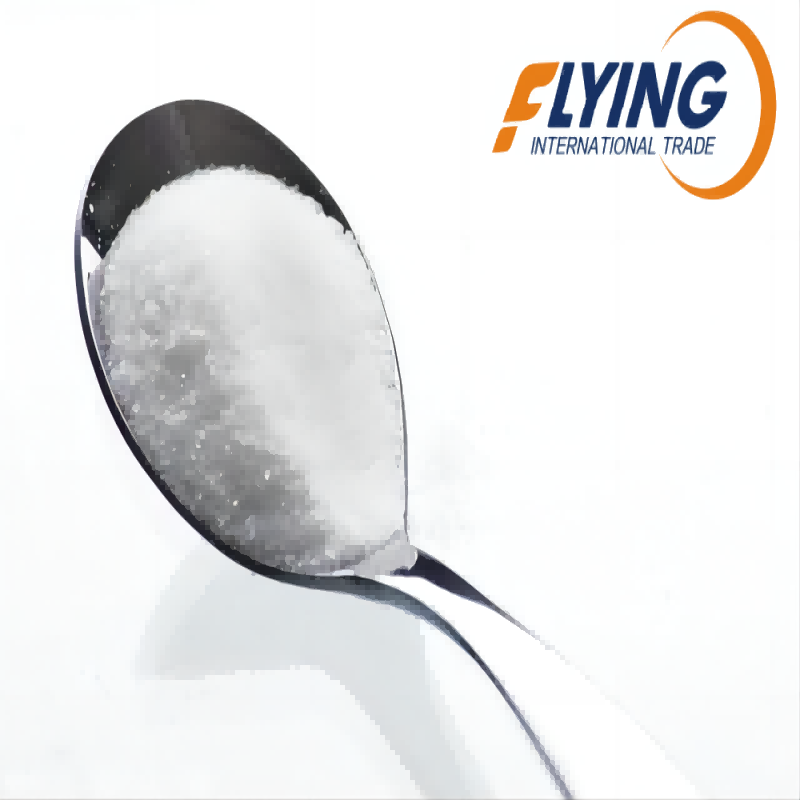
Neopentyl Glycol CAS 126-30-7 C5H12O2 99% White Flake Diol Monomer for Polyester Resin buy - image1
Neopentyl Glycol CAS 126-30-7 C5H12O2 99% White Flake Diol Monomer for Polyester Resin buy - image2
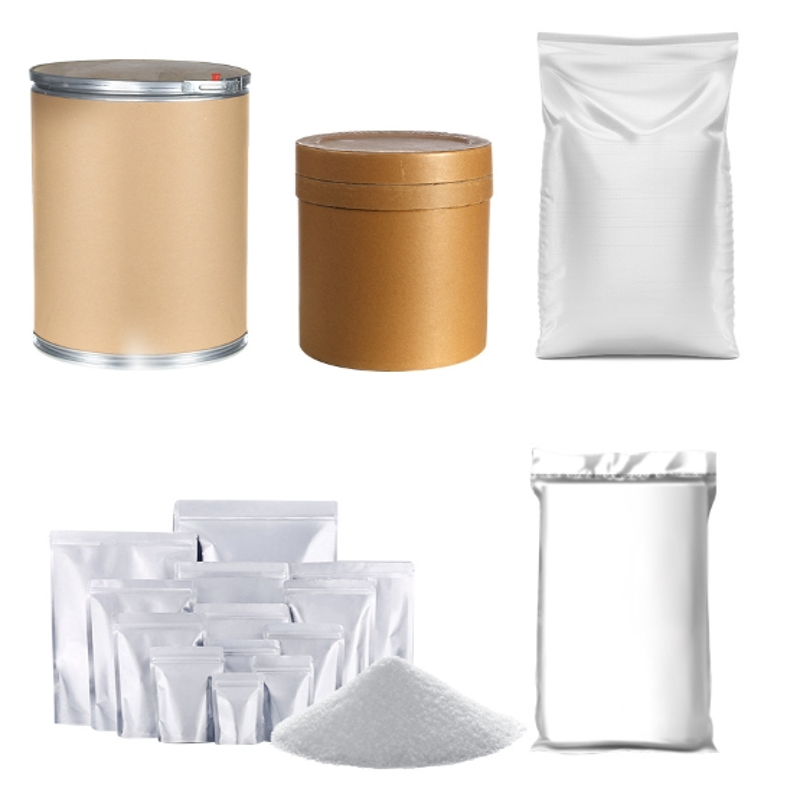
Neopentyl Glycol CAS 126-30-7 C5H12O2 99% White Flake Diol Monomer for Polyester Resin buy - image3
Neopentyl Glycol CAS 126-30-7 C5H12O2 99% White Flake Diol Monomer for Polyester Resin buy - image4

Neopentyl Glycol CAS 126-30-7 C5H12O2 99% White Flake Diol Monomer for Polyester Resin

20 Inquiries

Unit Price: Get Latest Price
CAS No.:

126-30-7

Grade:

Industrial Grade

Content:

99%

Port:

SHANGHAI

Brand:

Dideu

Packaging:

200KG/DRUM

Price valid (until):

2026-10-16

Company Type:
Manufactory
Location:
China
Payment Terms:
TT against copy of documents,D/P,L/C,D/A,O/A,TT against B/L draft before shipment,100% TT in advance
Average Lead Time:
7 days
Qualification:
Main Products:

Chemical Pesticides,Food Additives,Agrochemicals,Active Pharm Ingredients,Flavors and Fragrances,Chemical Catalyst

  • Product Details

  • Seller Information

  • Inquiry History

  • Description


      Product Detail  


    Neopentyl Glycol NPG CAS 126-30-7 99% Industrial Grade for Polyester Resin Coatings and Polyurethane

    Keywords: Neopentyl Glycol, NPG, 2,2-Dimethyl-1,3-Propanediol, CAS 126-30-7, Polyester Resin Diol

    Product Overview

    Neopentyl glycol (NPG) is an aliphatic diol of the neopentyl family, supplied as a white crystalline solid with an assay of not less than 99.0%. Its two primary hydroxyl groups sit on a quaternary carbon backbone, which gives the esters and resins built from it outstanding hydrolytic, thermal and oxidative stability. NPG is a core monomer for unsaturated and saturated polyester resins, alkyd resins, polyurethane systems, synthetic lubricant esters and a wide range of coating and ink binders.

    Key Attributes

    CAS No. 126-30-7
    IUPAC Name 2,2-dimethylpropane-1,3-diol
    Molecular Formula C5H12O2
    Molecular Weight 104.15 g/mol
    EC No. 204-781-0
    Chemical Family Aliphatic diol, neopentyl structure polyol
    Appearance White crystalline solid, hygroscopic, mild sweetish odor
    Purity / Assay Not less than 99.0%
    Melting Point 127-130 C
    Boiling Point 207-210 C
    Density 1.06-1.10 g/cm3
    Solubility Freely soluble in water, about 83 g/100 mL at 20 C; soluble in lower alcohols, lower ketones, ethers and aromatic hydrocarbons
    Storage Condition Store in a cool, dry and well-ventilated place, in a tightly closed container
    HS Code 2905.39

    Key Highlights

    • INDUSTRIAL GRADE PURITY: Assay not less than 99.0%, with controlled acid value and low moisture content, suitable for resin and coating production without additional purification.
    • NEOPENTYL STRUCTURE ADVANTAGE: The quaternary carbon between two hydroxymethyl groups delivers ester linkages with excellent resistance to hydrolysis, heat and oxidation, extending the service life of the final resin.
    • SUPERIOR COATING PERFORMANCE: NPG based alkyd and amino baking coatings show strong gloss retention, good flexibility and resistance to yellowing under prolonged exposure.
    • VERSATILE DIOL MONOMER: One raw material serves unsaturated polyester, saturated polyester, polyurethane, alkyd resin, synthetic ester lubricant and surfactant production lines.
    • WIDE SOLUBILITY RANGE: Readily dissolved in water and common organic solvents, so it can be charged in molten form or as a concentrated solution into batch and continuous reactors.
    • STABLE SOLID FORM: Crystalline solid with a melting range of 127-130 C, easy to weigh, transport and store in bags, and stable during long ocean voyages.
    • BULK SUPPLY READY: Minimum order quantity of 1 metric ton, lead time within 3 weeks, shipped by sea, with T/T and L/C payment terms accepted.
    • DOCUMENTED QUALITY: A certificate of analysis is issued for every batch, covering assay, appearance, acid value and moisture.

    Product Description

    Neopentyl glycol, CAS 126-30-7, molecular formula C5H12O2 and molecular weight 104.15 g/mol, is a bifunctional alcohol in which both hydroxyl groups are primary and attached to the same quaternary carbon. This arrangement is the origin of its commercial value: esters formed from NPG resist saponification far better than those made from straight chain glycols, so resins containing it keep their mechanical and optical properties in humid, hot or alkaline environments.

    The product is offered as a white crystalline solid of industrial grade with an assay of not less than 99.0%. It melts between 127 C and 130 C and boils between 207 C and 210 C, which allows it to be metered as a hot melt in continuous polyester plants or dissolved for use in batch reactors. Density is in the range of 1.06 to 1.10 g/cm3. NPG is hygroscopic, so bags should be resealed after each draw and stored in a dry warehouse. Solubility in water is about 83 g per 100 mL at 20 C, and the material is also freely soluble in lower alcohols, lower ketones, ethers and aromatic hydrocarbons.

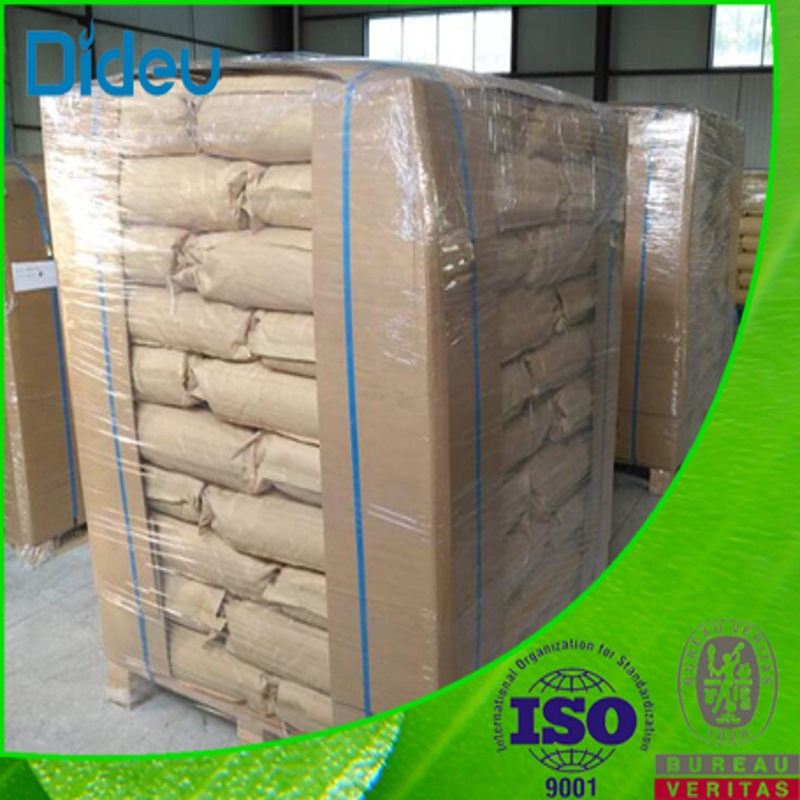
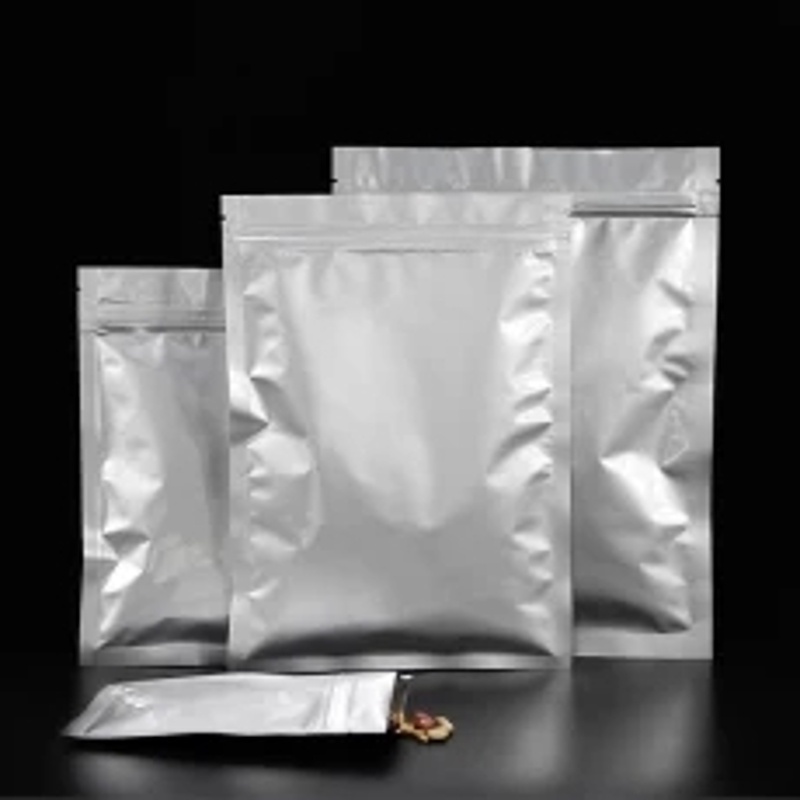
    Dideu Group supplies neopentyl glycol in 25 kg and 500 kg polyethylene bags for buyers in global markets. The minimum order quantity is 1 metric ton and the standard lead time is within 3 weeks from order confirmation. Shipments move by sea, and both T/T and L/C payment terms are accepted. Each consignment is accompanied by a certificate of analysis and the corresponding technical documentation.

    Applications

    Paints and Coatings

    NPG is a standard diol for oil free alkyd resins, amino baking enamels, coil coatings and powder coating resins. Coatings formulated with it hold gloss over long outdoor exposure and resist yellowing, which makes it a preferred choice for appliance finishes, automotive refinish systems and architectural metal coatings.

    Plastics and Polymers

    As a monomer for unsaturated polyester resins and saturated polyester resins, NPG raises the heat distortion resistance and hydrolytic stability of the cured polymer. It is used in fiber reinforced plastic parts, cast and molded articles, and insulation materials.

    Polyurethane and Elastomers

    NPG based polyester polyols are used in rigid and flexible polyurethane foams, elastomers, and as intermediates for plasticizer production. The neopentyl backbone helps the finished polyurethane resist hydrolysis and microbial attack.

    Printing Inks

    Resin binders modified with NPG give inks better adhesion to non porous substrates, improved gloss and higher resistance to solvents and water, which is valuable in packaging, metal decoration and publication gravure inks.

    Lubricants and Greases

    Esterification of NPG with fatty acids yields synthetic lubricant base oils and additives for aviation lubricants. These esters combine low volatility, good low temperature fluidity and oxidation resistance, and are used in compressor oils, metalworking fluids and grease formulations.

    Surfactants and Specialty Chemicals

    NPG is a building block for non ionic surfactants, emulsifiers, wetting agents and defoamers, and is also used in the manufacture of stabilizers and polymerization inhibitors.

    Agrochemicals and Pharmaceuticals

    The diol serves as an intermediate in the synthesis of certain insecticide active ingredients, stabilizers and pharmaceutical auxiliaries where a hydrolytically stable hydroxyl carrier is required.

    Solvent Applications

    NPG is an effective selective solvent for the separation of aromatic hydrocarbons from naphthenic and paraffinic hydrocarbon mixtures in petroleum refining operations.

    Specifications

    Item Specification Typical Value
    Assay (NPG content) Not less than 99.0% Complies with batch COA
    Appearance White crystalline solid Complies
    Acid Value Not more than 0.1 Complies with batch COA
    Moisture Not more than 0.3% Complies with batch COA
    Melting Point 127-130 C Complies with batch COA
    Color (molten) Colorless to slightly yellow Complies with batch COA

    Specifications follow the industrial standard for neopentyl glycol, solid grade. Batch specific figures are stated in the certificate of analysis issued with each shipment.

    Packaging and Shipping

    Packaging Type Standard Size
    Polyethylene bag, sealed 25 kg per bag
    Polyethylene bulk bag 500 kg per bag

    Storage Recommendations

    • Keep bags tightly closed after each use, since the product is hygroscopic.
    • Store in a cool, dry and well-ventilated warehouse.
    • Protect from direct sunlight and keep away from heat sources.
    • Stack on pallets, off the floor, and rotate stock on a first in first out basis.

    Shipping: Goods are shipped by sea for bulk orders. Lead Time: Within 3 weeks from order confirmation. Minimum Order Quantity: 1 metric ton.

    Company Profile

    Dideu Group is a professional supplier of fine chemicals and specialty chemicals, serving customers in global markets with a full range of products from lab scale reagents to industrial quantities. Our product portfolio covers resin intermediates, glycols, esters, additives and specialty building blocks for the coatings, polymer, lubricant and agrochemical industries. We work directly with established production sites and maintain strict incoming quality control, so every lot released to a customer is verified against its certificate of analysis before shipment. Our export team handles documentation, packaging and logistics for ocean freight, keeping lead times predictable for repeat buyers. Customers receive responsive technical and commercial support in their own time zone, from the first inquiry through to after sales follow up. Whether you need a single metric ton or a steady monthly contract volume, Dideu Group is ready to supply consistent quality at a competitive position.

    FAQ

    1. What is the minimum order quantity for neopentyl glycol?

    The minimum order quantity is 1 metric ton. Larger contract volumes are handled with the same lead time commitment and can be scheduled as regular monthly shipments.

    2. What is the lead time?

    Standard lead time is within 3 weeks from order confirmation. Dideu will confirm the exact shipping schedule when the order is placed.

    3. What packaging options do you offer?

    Neopentyl glycol is packed in sealed polyethylene bags, either 25 kg per bag or 500 kg per bulk bag. The packaging keeps the crystalline solid dry during handling and ocean transport.

    4. What payment terms do you accept?

    Dideu accepts both T/T and L/C. The exact terms are agreed in the sales contract according to order size and destination.

    5. Do you provide COA and technical documents?

    Yes. A certificate of analysis is issued for every batch, covering assay, appearance, acid value and moisture. The technical data sheet and full shipping documents are provided together with the order.

    6. How do you ship the goods?

    Bulk orders are shipped by sea in containers. Dideu arranges export documentation and coordinates with your forwarder or handles the freight on your behalf.

    7. How should neopentyl glycol be stored after delivery?

    Store the product in a cool, dry and well-ventilated warehouse, in tightly closed bags, protected from direct sunlight and away from heat sources. Because NPG absorbs moisture from air, reseal opened bags promptly.

    ECHEMI Editorial Reference
    COLOURLESS-TO-WHITE HYGROSCOPIC CRYSTALS.
    2,2-dimethylpropane-1,3-diol is a white crystalline solid. Melting point 130°C.|Liquid; OtherSolid; PelletsLargeCrystals; PelletsLargeCrystals, Liquid; PelletsLargeCrystals, WetSolid, OtherSolid|COLOURLESS-TO-WHITE HYGROSCOPIC CRYSTALS.
    2,2-dimethylpropane-1,3-diol is a white crystalline solid. Melting point 130°C.|Neopentyl glycol is a propane-1,3-diol carrying two methyl groups at position 2.

    Basic Info
    Product Name:

    Neopentyl glycol

    Other Name:

    1,3-Propanediol,2,2-dimethyl-;2,2-Dimethyl-1,3-propanediol;Dimethylolpropane;Neopentylene glycol;Neopentyl glycol;Neopentanediol;Hydroxypivalyl alcohol;1,3-Dihydroxy-2,2-dimethylpropane;2,2-Dimethyl-1,3-dihydroxypropane;2,2-Dimethyltrimethylene glycol;2,2-Bis(hydroxymethyl)propane;2,2-Dimethylpropan-1,3-diol;Nexcoat 600;NSC 55836;NSC 6366;2,2-Dimethylolpropane;2,2-Dimethyl-1,3-propylene glycol;2,2-Dimethylpropanediol monoacrylate monomethacrylate;3-Hydroxy-2,2-dimethylpropanol;R 2490;111109-35-4

    CAS No.:

    126-30-7

    Molecular Formula:

    C5H12O2

    InChIKeys:

    InChIKey=SLCVBVWXLSEKPL-UHFFFAOYSA-N

    Molecular Weight:

    104.148

    Exact Mass:

    104.15

    EC Number:

    204-781-0

    UNII:

    QI80HXD6S5

    ICSC Number:

    0305

    NSC Number:

    55836|6366

    UN Number:

    2811

    DSSTox ID:

    DTXSID8027036

    Color/Form:

    Needles from benzene|Crystalline solid

    HScode:

    29053990.9

    Categories:

    Paint Solvent

    Characteristics
    PSA:

    40.46

    XLogP3:

    0

    Appearance:

    white crystalline solid

    Density:

    1.1 g/cm3

    Melting Point:

    127 °C

    Boiling Point:

    210 °C

    Flash Point:

    107 °C

    Refractive Index:

    1.443

    Water Solubility:

    Solubility in water, g/100ml at 20°C: 83

    Storage Conditions:

    Keep container tightly closed in a dry and well-ventilated place. Hygroscopic.

    Vapor Pressure:

    0.0215mmHg at 25°C

    Vapor Density:

    3.6 (vs air)

    Toxicity:

    Rat oral LD50 ≥ 6400mg / kg. The oral LD50 of mice was 3200-6400 mg / kg.

    Explosive limit:

    vol% in air: 1.11.4

    Odor:

    Sweetish

    Henrys Law Constant:

    Henry's Law constant = 3.06X10⁻⁷ atm-cu m/mol at 25 °C (est)

    Experimental Properties:

    Enthalpy of vaporization: 79.4 kJ/mol at 415 K|Hydroxyl radical reaction rate constant = 8.66X10⁻¹² cu cm/molec-sec at 25 °C (est)

    Air and Water Reactions:

    Soluble in water.

    Reactive Group:

    Alcohols and Polyols

    Reactivity Profile:

    2,2-DIMETHYLPROPANE-1,3-DIOL may generate toxic gases in combination of with alkali metals, nitrides, and strong reducing agents. Reacts with inorganic acids and carboxylic acids to form esters plus water. Converted to aldehydes or acids by oxidizing agents. May initiate the polymerization of isocyanates and epoxides.

    Autoignition Temperature:

    730 °F (USCG, 1999)|750 °F (399 °C)|388 °C

    Physical Dangers:

    Dust explosion possible if in powder or granular form, mixed with air.

    Hazard Identification

    Classification of the substance or mixture

    Serious eye damage, Category 1

    GHS label elements, including precautionary statements

    Pictogram(s)

    Signal word

    Danger

    Hazard statement(s)

    H318 Causes serious eye damage

    Precautionary statement(s)
    Prevention

    P280 Wear protective gloves/protective clothing/eye protection/face protection/hearing protection/...

    Response

    P305+P354+P338 IF IN EYES: Immediately rinse with water for several minutes. Remove contact lenses, if present and easy to do. Continue rinsing.

    P317 Get medical help.

    Storage

    none

    Disposal

    none

    Other hazards which do not result in classification

    no data available

    Handling and Storage

    Precautions for safe handling

    NO open flames. Closed system, dust explosion-proof electrical equipment and lighting. Prevent deposition of dust. Handling in a well ventilated place. Wear suitable protective clothing. Avoid contact with skin and eyes. Avoid formation of dust and aerosols. Use non-sparking tools. Prevent fire caused by electrostatic discharge steam.

    Conditions for safe storage, including any incompatibilities

    Separated from oxidants. Dry.

  • Seller Information
    Business Type:

    Manufactory

    Main Products:

    Chemical Pesticides,Food Additives,Agrochemicals,Active Pharm Ingredients,Flavors and Fragrances,Chemical Catalyst

    Location:

    https://www.dideu.com/en/

    Payment Terms:

    TT against copy of documents,D/P,L/C,D/A,O/A,TT against B/L draft before shipment,100% TT in advance

    Average lead Time:

    7 days

    Total Annual Revenue:

    Above $100 million

    Total Employees:

    Above 1000

    Year of Establishment:

    2016

    Company Certificates
    • Shaanxi Dideu Medichem Co. LtdISO Certificate ISO Certificate
    • Shaanxi Dideu Medichem Co. LtdREACH REACH
    Company Profile
    ">Company Profile
  • Inquiry History
    20 Inquiries
    Country Product Purchase Quantity Date Posted
    India

    2,2-dimethylpropane-1,3-diol

    200.00 KG Aug 20, 2025
    India

    2,2-dimethylpropane-1,3-diol

    200.00 KG Jun 29, 2025
    India

    2,2-dimethylpropane-1,3-diol

    200.00 KG Aug 21, 2025
    India

    2,2-dimethylpropane-1,3-diol

    10.00 KG Jun 17, 2025
    India

    2,2-dimethylpropane-1,3-diol

    10 KG Apr 1, 2025
    India

    Neopentyl Glycol

    25 KG Aug 11, 2026
    Romania

    Neopentyl glycol

    1200 KG May 27, 2026
    India

    Neopentyl Glycol

    20 MT Mar 5, 2026
    India

    Neopentyl Glycol

    300 MT Jun 30, 2025
    India

    2,2-dimethylpropane-1,3-diol

    10.00 KG Apr 2, 2025
    United Arab Emirates

    NPG (Neopentyl Glycol)

    5 MT Mar 28, 2025
    Canada

    2,2-Dimethyl-1,3-propanediol

    1 KG Feb 19, 2025
    India

    Neopentyl Glycol

    10 MT Aug 6, 2024
    United States

    Neopentyl Glycol CAS NO.126-30-7

    20 MT Jul 17, 2024
    Pakistan

    Neopentyle Glycol

    1 20' Fcl Jul 1, 2024
    India

    Neo Pentyl glycol

    25 KG Sep 15, 2026
    South Korea

    NPG

    20 MT May 16, 2025
    Italy

    Neopentyl Glycol

    1 20' Fcl Nov 23, 2024
    India

    neopentyl glycol flakes

    50 MT Sep 19, 2024
    India

    Neopentyl glycol

    1000 KG Jul 22, 2024
    Post an enquiry for this product
pic ×

Scan the QR Code to Share

All products displayed on this website are only for non-medical purposes such as industrial applications or scientific research, and cannot be used for clinical diagnosis or treatment of humans or animals. They are not medicinal or edible.

According to relevant laws and regulations and the regulations of this website, units or individuals who purchase hazardous materials should obtain valid qualifications and qualification conditions.

The information shown above is provided by the enterprise itself, and the authenticity, accuracy and legitimacy of the content are the responsibility of the publishing company. ECHEMI does not bear any guarantee responsibility for this. Please be aware that risks in internet transactions objectively exist.

Feedback & Suggestions
Send Message

Thank you for your feedback. If you require further assistance, please contact us by email at info@echemi.com or call us at +86-532-55729510.