




Carboplatin

-
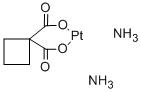
Carboplatin
structure -
-
CAS No:
41575-94-4
-
Formula:
C6H12N2O4Pt
-
Chemical Name:
Carboplatin
-
Synonyms:
PARAPLATIN;1,1-cyclobutanedicarboxylatediammineplatinum(ii);1-cyclobutanedicarboxylato(2-)-o,o’)-diammine((sp-4-2)-platinu;1-cyclobutanedicarboxylato)diammine-(cis-platinum(ii;DIAMMINE(1,1-CYCLOBUTANEDICARBOXYLATO)PLATINUM(II);CARBOPLATIN;CARBOPLATINUM;CIS-DIAMINE(1,1-CYCLOBUTANEDICARBOXYLATO)PLATINUM
- Categories:
-
CAS No:
Description
Carboplatin (NSC 241240) is a DNA synthesis inhibitor which binds to DNA, inhibits replication and transcription and induces cell death. Carboplatin (NSC 241240) is a derivative of cisplatin and a potent anti-cancer agent.
Carboplatin is an intravenously administered platinum coordination complex and alkylating agent which is used as a chemotherapeutic agent for the treatment of various cancers, mainly ovarian, head and neck and lung cancers. Carboplatin therapy is associated with a low rate of transient serum aminotransferase elevations and with rare instances of clinically apparent liver injury.|An organoplatinum compound that possesses antineoplastic activity.
Carboplatin (Brand name: Paraplatin) is a kind of chemotherapy medication used for the treatment of a series of cancers. It can be used for the treatment of various kinds of cancers including ovarian cancer, lung cancer, head and neck cancer, brain cancer, and neuroblastoma. Moreover, it may also be used for treating some types of testicular cancer. Carboplatin belongs to a kind of alkylating agent. It takes effect through three major mechanisms: (1) Attach the alkyl groups to the DNA bases, further causing DNA fragmentation so that DNA replication is inhibited; (2) Cause DNA damage through inducing the formation of cross-links which prevents DNA from being separated for synthesis or transcription; (3) Induce mispairing of the nucleotides leading to mutations.
Carboplatin is a second generation, platinum-containing antineoplastic agent with significantly reduced nephro-, neuro-, and ototoxicity in comparison to cisplatin. It is effective in the treatment of advanced ovarian carcinoma of epithelial origin and small cell carcinoma of the lung.
White Crystals
Carboplatin Basic Attributes
371.25
371.044495
255-446-0
758182|241240|201345
DTXSID3046742
white
L - Antineoplastic and immunomodulating agents
28439000
Characteristics
76.6
white crystal
228-230°C
189.6ºC
Soluble in water.
Store at RT
LD50 in mice (mg/kg): 150 i.p., 140 i.v.; in rats (mg/kg): 85 i.v. (Lelieveld)
Incompatible with aluminum|Because of an interaction occurring between carboplatin & the metal aluminum, resulting in precipitate formation & loss of potency, only administration equipment such as needles, syringes, catheters, & sets that contain no aluminum should be used for this drug.
2-8°C
Safety Information
2811
3
T
53-22-26-36/37/39-45
TP2300000
T
+4°C
Stable. Incompatible with strong oxidizing agents.
P201-P261-P280-P308 + P313
46-61-20/21/22-42/43-20/21
SRP: At the time of review, criteria for land treatment or burial (sanitary landfill) disposal practices are subject to significant revision. Prior to implementing land disposal of waste residue (including waste sludge), consult with environmental regulatory agencies for guidance on acceptable disposal practices.
Judson I, Kelland LR; Drugs 59 Suppl 4: 29-36 (2000). New developments and approaches in the platinum arena.|Giaccone G; Drugs 59 Suppl 4:9-17 (2000). Clinical perspectives on platinum resistance. The platinum compounds cisplatin and carboplatin are widely used in the treatment of a number of solid malignancies.
2811
|Danger|H302+H312+H332 (66.1%): Harmful if swallowed, in contact with skin or if inhaled [Warning Acute toxicity, oral; acute toxicity, dermal; acute toxicity, inhalation]|P201, P202, P260, P261, P263, P264, P270, P271, P272, P280, P281, P285, P301+P312, P302+P352, P304+P312, P304+P340, P304+P341, P305+P351+P338, P308+P313, P312, P321, P322, P330, P332+P313, P333+P313, P337+P313, P342+P311, P362, P363, P405, and P501|Aggregated GHS information provided by 59 companies from 14 notifications to the ECHA C&L Inventory. Each notification may be associated with multiple companies.
Employees should be provided with and required to use impervious clothing, face shields (eight-inch minimum), and other appropriate protective clothing necessary to prevent repeated or prolonged skin contact with soluble platinum salts or liquids containing soluble platinum salts, where skin contact may occur. ... Employees should be provided with and required to use dust- and splash-proof safety goggles where soluble platinum salts or liquids containing soluble platinum salts may contact the eyes. /Soluble platinum salts/|Recommendations for respirator selection. Max. concn for use: 4 mg/cu m. Any supplied-air respirator that has a full facepiece and is operated in a pressure-demand or other positive-pressure mode. /Platinum (soluble salts as Pt)/|Recommendations for respirator selection. Max. concn for use: 0.1 mg/cu m. Any air-purifying, full-facepiece respirator with a high-efficiency particulate filter.; Any self-contained breathing apparatus with a full facepiece.; Any supplied-air respirator with a full facepiece. /Platinum (soluble salts as Pt)/|Recommendations for respirator selection. Max. concn for use: 0.05 mg/cu m. Any supplied-air respirator operated in a continuous-flow mode. Substance causes eye irritation or damage; eye protection needed. /Platinum (soluble salts as Pt)/|For more Personal Protective Equipment (PPE) (Complete) data for CARBOPLATIN (6 total), please visit the HSDB record page.
In fire fighting, the minimum respiratory protection required above 0.002 mg/cu m is a self-contained breathing apparatus with a full facepiece operated in pressure-demand or other positive pressure mode. /Soluble platinum salts/
Persons not wearing protective equipment and clothing should be restricted from areas of spills until cleanup has been completed. If soluble platinum salts or liquids containing soluble salts are spilled, the following steps should be taken: 1. Ventilate area of spill; 2. Collect spilled material in the most convenient and safe manner for reclamation or for disposal in a secured sanitary landfill. Liquids containing soluble platinum salts should be absorbed in vermiculite, dry sand, earth, or a similar material, /Soluble platinum salts/
Eating and smoking should not be permitted in areas where soluble platinum salts or liquids containing soluble platinum salts are handled, processed, or stored. Employees who handle soluble platinum salts or liquids containing soluble platinum salts should wash their hands thoroughly before eating, smoking, or using toilet facilities. /Soluble platinum salts/|Respirators may be used when engineering and work practice controls are not technically feasible, when such controls are in the process of being installed, or when they fail and need to be supplemented. ... If the use of respirators is necessary, the only respirators permitted are those that have been approved by the Mine Safety and Health Admin (formerly Mining Enforcement & Safety Admin) or by the National Institute for Occupational Safety & Health. In addition to respirator selection, a complete respiratory protection program should be instituted which includes regular training, maintenance, inspection, cleaning, and evaluation. /Soluble platinum salts/|Control can only be achieved by preventing the release of the soluble complex platinum salts to the atmosphere of the workshop. Good exhaust ventilation is necessary in platinum refineries. Chemical procedures which may generate these salts should be carried out in ventilated fume cupboards. Open centrifuges should not be used. Good personal hygiene is important. /Platinum compounds/|Workers whose clothing may have become contaminated should change into uncontaminated clothing before leaving the work premises. /Platinum sol salts, as Pt/|For more Preventive Measures (Complete) data for CARBOPLATIN (9 total), please visit the HSDB record page.
The dusts of soluble platinum salts cause a burning sensation in the eyes, lacrimation, and conjunctival hyperemia, sometimes associated with photophobia, which suggests that the corneal epithelium may be involved. /Soluble platinum salts/|Inhalation of the dust of sol platinum salts is irritating. /Platinum/
Toxicity
Mild and transient elevations in serum aminotransferase levels are found in up to one-third of patients taking carboplatin. However, clinically apparent acute liver injury from carboplatin is extremely rare and the characteristics of such injury have not been well defined. In addition, carboplatin has been used in combination with other alkylating agents in high doses in conditioning regimens in preparation of hematopoietic cell transplantation which may be associated with instances of sinusoidal obstruction syndrome, which can be severe and lead to acute liver failure. Onset of sinusoidal obstruction syndrome is generally within 10 to 20 days of transplantation and presents with right upper quadrant pain, hepatic tenderness, weight gain, edema and ascites, followed by jaundice. The role of carboplatin in causing these cases of sinusoidal obstruction syndrome has not been well defined.
High-dose cisplatin regimens have been shown to be highly active in advanced melanoma patients but are associated with unacceptable side effects. In order to increase the platinum dose but avoid severe side effects, we treated 15 dacarbazine (DTIC)-resistant metastatic melanoma patients with a combination regimen of cisplatin (100 mg/sq m) and carboplatin (200 mg/sq m), two platinum analogues with a similar mode of action but a different toxicity pattern. After a mean follow-up period of 10.7 months (range 4-18 months), two patients (13.3%) achieved complete remission and two patients (13.3%) showed partial remission, giving an overall response rate of 26.4% (95% confidence interval [CI] 4.2-49%). Furthermore, three patients (20%; 95% CI 0-40.2%) experienced stable disease. The median duration of response was 7.1 months (95% CI 4.2-10.0 months), and the median overall survival was 12.5 months (95% CI 5.8-19.2 months), with eight patients still alive. The main side effects were haematological (leukopenia/thrombocytopenia World Health Organization [WHO] grade I-IV; anaemia WHO grade I-III), gastrointestinal (WHO grade I-III), neurological (WHO grade I-II) and renal (WHO grade I) toxicity. Nevertheless, except in one patient, side effects did not result in discontinuation of therapy. Despite the small number of patients treated in this preliminary study, we believe that combining cisplatin and carboplatin represents a novel, active and well-tolerated therapeutic option as second-line chemotherapy in DTIC-resistant advanced melanoma patients.|The nephrotoxic effects of different platinum compounds based combination chemotherapies were compared. Chemotherapy consisted of either cisplatin fractionated over 5 days (5 x 20 mg/sq m) or given as a single-day infusion (1 x 50 mg/sq m) plus ifosfamide (4 g/cu m) or high-dose chemotherapy was applied including carboplatin (3 x 500 mg/sq m) and ifosfamide (3 x 4 g/sq m) fractionated over three consecutive days. Conventional parameters such as serum creatinine and glomerular filtration rate (GFR), as well as urinary protein excretion of N-acetyl-beta-D-glucosaminidase (NAG)) and alpha 1-micro-globulin were assessed in 52 patients. Fractionation over 5 days without adding other nephrotoxic agents, ie ifosfamide, prevented decreases in glomerular filtration rate following cisplatin, whereas the combination of conventional dose cisplatin and ifosfamide, given as a single-day infusion, and high-dose carboplatin/ifosfamide yielded a pronounced fall of glomerular filtration rate. All groups showed increases in the urinary excretion levels of serum derived proteins and N-acetyl-beta-D-glucosaminidase, but with significant differences; about 2 to 3-fold for 5-days cisplatin, 3 to 5-fold for single-day cisplatin/ifosfamide, and 20 to 35-fold for high-dose chemotherapy. Thus, conventional approaches can reduce but not prevent the nephrotoxicity of cisplatin-based chemotherapy. In particular, high-dose chemotherapy regimens including carboplatin and ifosfamide are associated with comparable or even higher nephrotoxicity to single-day cisplatin/ifosfamide.|Tumor necrosis factor related apoptosis inducing ligand (TRAIL) is one of the tumor necrosis factor ligand families and it selectively induces apoptosis against cancer cells. Several cytotoxic anticancer drugs also mediate apoptosis and may share the common intracellular pathways leading to apoptosis. We reasoned that combination treatment of cancer cells with TRAIL and drugs may overcome this resistance. ... Treatment of T24 cells with a combination of TRAIL and cisplatin resulted in a synergistic cytotoxic effect. Synergy was also achieved in the cisplatin resistant T24 line (T24/CDDP), 2 other bladder cancer lines and 3 freshly derived bladder cancer cells. The combination of TRAIL and carboplatin resulted in a synergistic cytotoxic effect on T24 cells. However, the combination of TRAIL and trans-diamminedichloroplatinum (II) resulted in an antagonistic cytotoxic effect. The synergy achieved in cytotoxicity with TRAIL and cisplatin was also achieved in apoptosis. Treating T24 cells with cisplatin enhanced the expression of bax but not bcl-2. Incubation of T24 cells with TRAIL increased the intracellular accumulation of cisplatin. CONCLUSIONS: This study demonstrates that combination treatment of bladder cancer cells with TRAIL and cisplatin overcomes their resistance. The sensitization obtained with established cisplatin resistant and freshly isolated bladder cancer cells required low subtoxic concentrations of cisplatin, supporting the in vivo potential application of a combination of TRAIL and cisplatin for treating TRAIL resistant and cisplatin resistant bladder cancer.
LD50 Rat oral 343 mg/kg|LD50 Rat sc 72 mg/kg|LD50 Rat iv 61 mg/kg|LD50 Mouse ip 118 mg/kg|LD50 Mouse iv 89,360 ug/kg
Drug Information
Drug: Carboplatin|Drug: Carboplatin-taxol|Drug: Cem|Drug: Cev|Drug: Ice|Drug: Jeb|Drug: R-ice
Carboplatin is an intravenously administered platinum coordination complex and alkylating agent which is used as a chemotherapeutic agent for the treatment of various cancers, mainly ovarian, head and neck and lung cancers. Carboplatin therapy is associated with a low rate of transient serum aminotransferase elevations and with rare instances of clinically apparent liver injury.
Antineoplastic Agents, Alkylating Agents
Recently, the cisplatin analog, carboplatin, has been approved for use in the treatment of recurrent ovarian cancer. Carboplatin exhibits less toxic side effects than cisplatin but possesses comparable efficacy.|A potential way to improve the results obtained with the standard carboplatin/cisplatin (CDDP)-paclitaxel treatment regimen in advanced ovarian cancer is to incorporate a modulating agent such as lonidamine (LND). In fact, LND has been shown to revert the resistance to cisplatin and to potentiate cisplatin activity experimental models and in clinical studies. 35 consecutive patients with advanced ovarian cancer, not previously treated with chemotherapy were treated with paclitaxel at a dose of 135 mg/m(2) intravenously (i.v.) on day 1 (in a 3 h infusion) and cisplatin at a dose of 75 mg/sq m iv on day 2 plus LND orally (p.o.) at a dose of 450 mg/die for 6 consecutive days starting two days before chemotherapy, every 3 weeks for six cycles. Complete plus partial responses were observed in 8 (80%) out of the 10 women with measurable disease. In the 25 patients with evaluable disease, only four clinical progressions were observed (16%). Median progression-free survival (PFS) and overall survival (OS) were 28.5 (95% confidence interval (CI) 22.2-34.8) and 46.5 (95% CI 32.4-60.00) months respectively. Grade 3-4 neutropenia was observed in 9 (26%) patients. Alopecia, nausea and vomiting (Grade 3) were observed in 33 (94%) and 5 (14%) patients, respectively. In conclusion, the combination of CDDP/paclitaxel plus LND is active and tolerable in the treatment of advanced ovarian cancer.|We performed a dose-escalation study of carboplatin combined with a fixed dose of intraperitoneal cisplatin and G-CSF in patients with epithelial ovarian cancer, and analyzed the progression-free and overall survival. Six of the patients who entered the study with stage IC and II disease are still alive with no evidence of disease. The five-year survival rate was 61% for the 18 patients with stage III and IV disease; progression-free survival over 5 years was 32%. Our results show this to be an effective treatment regimen for epithelial ovarian cancer. Prognosis is good with this combined carboplatin/cisplatin/G-CSF therapy, especially for those patients with microscopic or no residual disease.|... In an attempt to increase survival, ... a prospective trial of high-dose cisplatin-paclitaxel-cyclophosphamide with granulocyte colony-stimulating factor (G-CSF) for three cycles followed by carboplatin-paclitaxel for three cycles after cytoreduction of primary advanced epithelial ovarian cancer /was conducted/. ... Thirty consecutive women with Stage 3 or 4 invasive primary epithelial ovarian cancer were treated with cytoreductive surgery. Postoperatively patients received 100 mg/sq m of cisplatin, 200 mg/sq m of paclitaxel, and 500 mg/sq m of cyclophosphamide IV q 21 days x 3 cycles with 300 microg of G-CSF daily x5 beginning the first day following chemotherapy. This was followed by carboplatin AUC-5 and 135 mg/sq m of paclitaxel IV q 21 days x3. All administration was outpatient and paclitaxel was administered over 3 hr. Eighty percent of tumors were Stage 3C, 77% were serous, and 60% were Grade 3. Maximum cytoreduction to <2 cm was performed in 96%. Median follow-up is 30 months. Sixty-three percent of patients developed recurrence. Currently 50% of patients are alive with no evidence of disease. Estimated mean survival is 61 months and estimated mean progression-free survival is 29 months. No patient developed thrombocytopenia, neutropenic sepsis, significant neuropathy, or renal toxicity. ... This treatment regimen resulted in minimal toxicity and, following aggressive cytoreduction, produced good progression-free and overall survival.|/This study was conducted/ to determine the side effects and feasibility of cisplatin and carboplatin each in combination with paclitaxel as front-line therapy in advanced epithelial ovarian cancer. ... Patients were randomly allocated to receive paclitaxel 175 mg/sq m intravenously as a 3-hour infusion followed by either cisplatin 75 mg/sq m or carboplatin (area under the plasma concentration-time curve of 5), both on day 1. The schedule was repeated every 3 weeks for at least six cycles. Women allocated to paclitaxel-cisplatin were admitted to the hospital, whereas the carboplatin regimen was administered to outpatients. ... A total of 208 eligible patients were randomized. Both regimens could be delivered in an optimal dose and without significant delay. Paclitaxel-carboplatin produced significantly less nausea and vomiting (P:0 <.01) and less peripheral neurotoxicity (P: =0.04) but more granulocytopenia and thrombocytopenia (P: <0.01). The overall response rate in 132 patients with measurable disease was 64% (84 of 132 patients), and in patients with elevated CA 125 levels at start, it was 74% (132 of 178 patients). With a median follow-up time of 37 months, the median progression-free survival time of all patients was 16 months and the median overall survival time was 31 months. The small number of patients entered onto the study caused wide confidence intervals (CIs) around the hazards ratio for progression-free survival of paclitaxel-carboplatin compared with paclitaxel-cisplatin (hazards ratio, 1.07; 95% CI, 0.78 to 1.48) and did not allow conclusions about efficacy. ... Paclitaxel-carboplatin is a feasible regimen for outpatients with ovarian cancer and has a better toxicity profile than paclitaxel-cisplatin.
Carboplatin is well tolerated & does not induce nephrotoxicity.
Substances that inhibit or prevent the proliferation of NEOPLASMS. (See all compounds classified as Antineoplastic Agents.)|Reagents with two reactive groups, usually at opposite ends of the molecule, that are capable of reacting with and thereby forming bridges between side chains of amino acids in proteins; the locations of naturally reactive areas within proteins can thereby be identified; may also be used for other macromolecules, like glycoproteins, nucleic acids, or other. (See all compounds classified as Cross-Linking Reagents.)
A higher percentage of a dose of carboplatin is excreted in the urine than cisplatin & most of the dose is excreted during the initial 24 hr after injection.
Ultrafilterable (non-protein bound) platinum in carboplatin has a much longer half-life (170 vs. 30 min) compared with cisplatin.
Basic treatment: Establish a patent airway. Suction if necessary. Watch for signs of respiratory insufficiency and assist ventilations if needed. Administer oxygen by nonrebreather mask at 10 to 15 L/min. Monitor for pulmonary edema and treat if necessary ... . Monitor for shock and treat if necessary ... . Anticipate seizures and treat if necessary ... . For eye contamination, flush eyes immediately with water. Irrigate each eye continuously with normal saline during transport ... . Do not use emetics. For ingestion, rinse mouth and administer 5 ml/kg up to 200 ml of water for dilution if the patient can swallow, has a strong gag reflex, and does not drool ... . Cover skin burns with dry sterile dressings after decontamination ... . /Poison A and B/|Advanced treatment: Consider orotracheal or nasotracheal intubation for airway control in the patient who is unconscious, has severe pulmonary edema, or is in respiratory arrest. Positive pressure ventilation techniques with a bag valve mask device may be beneficial. Monitor cardiac rhythm and treat arrhythmias as necessary ... . Start an IV with D5W /SRP: "To keep open", minimal flow rate/. Use lactated Ringer's if signs of hypovolemia are present. Watch for signs of fluid overload. Consider drug therapy for pulmonary edema ... . For hypotension with signs of hypovolemia, administer fluid cautiously. Watch for signs of fluid overload ... . Treat seizures with diazepam (Valium) ... . Use proparacaine hydrochloride to assist eye irrigation ... . /Poison A and B/
Acute toxicity: nausea & vomiting. Delayed toxicity: Bone marrow depression; peripheral neuropathy (uncommon); hearing loss; transient cortical blindness; hemolytic anemia. /From table/|... Carboplatin, cis-diammine(cyclobutane-1, 1-dicarboxylato)platinum(II) has been shown to be an active agent for acute myeloid leukemia. This second-generation platinum drug has less nephrotoxicity and ototoxicity but more myelotoxicity than does the first-generation platinum drug cisplatin. The study was designed to elucidate whether their myelosuppressive activities equal their antileukemic effects. ... Cisplatin and carboplatin were used to treat four leukemic cell lines (CEM, HL60, K562 and U937), blast cells from 10 leukemic patients and hematopoietic progenitors from five umbilical cord blood samples. ... The mean IC50 of leukemic cell lines was 0.4 and 6.2 ug/ml, the mean IC50 of patients' leukemic blasts was 2.0 and 22.4 ug/ml and the mean IC50 of hematopoietic progenitors (BFU-E, CFU-E and CFU-GM) was 1.8 and 1.7 ug/ml for cisplatin and carboplatin, respectively. ... Carboplatin required a 10 times higher drug concentration than cisplatin to induce a similar degree of growth inhibition on leukemic cells. However, the hematopoietic progenitors responded equally to cisplatin and carboplatin at the same drug concentration. The results suggest that the myelosuppressive activity of carboplatin is greater than its antileukemic effect.|Telomerase is a ribonucleoprotein enzyme which is involved in the maintenance of chromosome ends. Telomerase activity is frequently associated with malignant phenotypes, and it can be considered a ubiquitous tumor marker. In this study we describe an approach for developing in vitro chemosensitivity assays based on the assessment of telomerase activity in squamous cell carcinoma to treatment with anticancer drugs. ... A431/CDDP1 and A431/CDDP2, two previously established cisplatin (CDDP)-resistant A431 sublines /were used/. These cell lines were not multidrug resistant but specifically resistant to the CDDP drug family. The telomeric repeat amplification protocol (TRAP assay) was used to measure telomerase activity in CDDP-resistant cell lines and to examine the effect of CDDP and other anticancer drugs on enzyme levels. We next analyzed the relations between telomerase activity and cytotoxic effects of CDDP in human squamous cell carcinoma (HSC2, HSC3, HSC4 and KB cell lines). RESULTS: The telomerase activity of A431/CDDP1 and A431/CDDP2 was significantly higher than that of the parent A431 cell (A431/P) treated with CDDP and carboplatin at IC(50). On the other hand, telomerase activity in these cell lines was not influenced by treatment with 5-fluorouracil, bleomycin, Adriamycin or taxol. The regression line derived from the quantitative analysis of the telomeric ladder versus IC(50) of CDDP concentrations was analyzed. Telomerase activity was found to be positively correlated with the IC(50) values for CDDP. ... The results of the present studies on in vitro squamous cell carcinoma cell lines indicate that telomerase activity inhibition can be used as a marker of tumor cell killing by CDDP. Therefore, the present investigation provides a rational basis for an in vitro chemosensitivity assay based on telomerase activity evaluation.|We have previously confirmed the in vitro activity of cisplatin and carboplatin against human melanoma cell lines. Both drugs are important components in the chemotherapy used in our service for advanced metastatic melanoma. In this communication we report the in vitro activity of oxaliplatin against human melanoma cell lines in comparison with cisplatin and carboplatin. Oxaliplatin was found to be active against C32 and G361 cell lines with IC50 values of 49.48 and 9.07 microM (1 hr exposure), 9.47 and 1.30 uM (4 h exposure), and 0.98 and 0.14 microM (24 hr exposure), respectively. The cytotoxic activity of oxaliplatin in this in vitro system appears to be significantly superior to that of carboplatin. Its activity becomes comparatively closer to that of cisplatin as exposure time increases. Indeed at a 24 h exposure oxaliplatin appears to be significantly more active than cisplatin against the G361 cell line (p=0.0343). Oxaliplatin merits evaluation in the clinic both as a single agent and in combination with other drugs active against melanoma.|For more Human Toxicity Excerpts (Complete) data for CARBOPLATIN (6 total), please visit the HSDB record page.
Blastocarb
Carboplatin Use and Manufacturing
Potassium chloroplatinate reacts with hydrazine hydrochloride and potassium iodide to obtain cisplatin. Cisplatin can be purified by recrystallization from a mixture of dimethylformamide and ethanol. Add cisplatin to water, slowly add silver sulfate, and react at 20~25℃ for 2~3h. Filter out insoluble materials, slowly add 1, 1-cyclobutane dicarboxylic acid barium (from 1, 1-cyclobutane dicarboxylic acid and barium hydroxide reaction) to the filtrate, react at room temperature for 3 to 4 hours, static Set for more than 12h, filter and evaporate the filtrate. The resulting solid was washed with water and 95% ethanol, respectively. Carboplatin is obtained after drying at about 60℃. The yield was 87.5%.
Analog of Cisplatin with reduced nephrotoxicity. Antineoplastic
Carboplatin is a second-generation platinum compound analog with established activity against a broad spectrum of solid tumors including brain tumors, neuroblastoma, rhabdomyosarcoma, and germ cell tumors. It is commonly used for pediatric cancer and approximately one-third of children with solid tumor are estimated to receive carboplatin at some point during their treatment.
antitumor agent,
Data on carboplatin production have not been found. Carboplatin is used in chemotherapy to treat cancer, and more particularly to treat cancer of ovary, embryonal carcinoma of the testis, microcellular carcinoma of the lung, neuroblastoma, and squamous cell carcinomas of the head and neck.
Human drugs -> Rare disease (orphan)|Human Drugs -> FDA Approved Drug Products with Therapeutic Equivalence Evaluations (Orange Book) -> Active Ingredients
Drug Function and Efficacy
This product is a cyclic non-specific anticancer drug that acts directly on DNA, mainly cross-linking between and within the chains of cell DNA, destroying DNA and inhibiting tumor growth.
Registered Holders
-
HETERO LABS LTD
Active![United States]() United States
United States
-
HERAEUS PRECIOUS METALS GMBH AND CO KG
Active![United States]() United States
United States
-
VERANOVA LP
Active![United States]() United States
United States

Recommended Suppliers of Carboplatin
-
![China]() CN
CN
5 YRS
Business licensed Certified factoryManufactory Supplier of D-Biotin,Tobramycin base,L(-)-Carnitine base,Polymyxin B sulfate USP,Kanamycin sulfate monohydrate,Finasteride 99% USP -
![China]() CN
CN
3 YRS
Business licensedTrader Supplier of Estradiol,Progesterone,GS441524,4-Butylresorcinol,DeoxyArbutin,Coenzyme Q10,Piracetam,Pregabalin,Ketoprofen,omeprazole,Fullerene C60,Melatonin,Nicotinamide riboside chloride,lactoferrin,Tylosin tartrate,Gentamycin Sulfate,Levamisole HCl,Praziquantel,Ivermectin,GA3,Pepsin,MT2,5 amino 1MQ,selank,semaxInquiryCAS No.: 41575-94-4Grade: Pharmaceutical GradeContent: 99% -
![China]() CN
CN
5 YRS
Business licensed Certified factoryManufactory Supplier of Terbinafine hydrochloride,Carboplatin,Pramipexole dihydrochloride Monohydrate,Cisatracurium Besylate,Rivaroxaban,Lenvatinib,Febuxostat,Pemetrexed,Capecitabine,Oxaliplatin,Cisplatin,Ezetimibe,Mitiglinide Calcium,Lapatinib,Dasatinib,Osimertinib,Olaparib,Palbociclib,Lenalidomide,Bortezomib,Enzalutamide,Pemetrexed disodium heptahydrate,Ropivacaine HCL,Atracurium Besylate,Racecadotril,Apremilast,Vonoprazan Fumarate,Crisaborole,RimegepantInquiryCAS No.: 41575-94-4Grade: Industrial GradeContent: 99% -
![China]() CN
CN
2 YRS
Business licensedTrader Supplier of Tetrachloroethylene -
![China]() CN
CN
3 YRS
Business licensedTrader Supplier of Fine chemicals and intermediatesInquiryCAS No.: 41575-94-4Grade: Pharmaceutical GradeContent: 99%

Learn More Other Chemicals
-
[3,4-diacetyloxy-5-(4-amino-2-oxo-1,3,5-triazin-1-yl)oxolan-2-yl]methyl acetate
10302-78-0
-
Atomoxetine Related Compound C (10 mg) (N-methyl-3-phenyl-3-(p-tolyloxy)propan-1-amine hydrochloride)
873310-31-7
-
(3S)-4-Chloro-1,3-butanediol
139013-68-6
-
5-chloro-N-(4-nitrophenyl)pentanamide Formula
1039914-85-6
-
6-AMino-5-azacytidine Formula
105331-00-8
-
Amoxicillin Related Compound D (50 mg) ((4S)-2-{[(R)-2-amino-2-(4-hydroxyphenyl)acetamido](carboxy)methyl}-5,5-dimethylthiazolidine-4-carboxylic acid, monosodium salt) Formula
68728-47-2
-
4-AMINO-6-METHYL-1,3,5-TRIAZIN-2-OL Structure
16352-06-0
-
Littorine Structure
21956-47-8
-
What is 10βH-Guai-11(13)-en-12-oic acid,3α,4:10,14-diepoxy-2β,5,6α,8β-tetrahydroxy-,12,6-lactone,8-(2-methylcrotonate),(Z)-
20071-54-9
-
What is 2-(R)-[1-(S)-(3,5-Bis(trifluoromethyl)phenyl)ethoxy]-3-(S)-fluorophenylmorpholine
170729-79-0