




Active Pharmaceutical Ingredients
- • Respiratory Drugs (114)
- • Hormones and the Endocrine System (279)
- • Antipyretic Analgesics (171)
- • Antiallergic Drugs (103)
- • Antiparasitic Drugs (130)
- • Antibiotics (545)
- • Antineoplastic Agents (294)
- • Anesthetic Agents (79)
- • Urinary System Drugs (52)
- • Other Chemical Drugs (947)
- • Synthetic Anti-infective Drugs (599)
- • Nervous System Drugs (349)
- • Fluid, Electrolyte, and Acid-base Balance (48)
- • Vitamins and Minerals Medicines (106)
- • Digestive System Drugs (197)
- • Blood System Drugs (85)
- • Circulatory System Drugs (426)
- • Diagnostic Agents (58)
- • Specialty Drugs (107)
- • Drug Metabolism (23)
- • Feed Additive (22)
- • Anti-stress Drugs (1)
- • Drugs Influencing Immune Function (14)
- • Veterinary Raw Materials (24)
- • Inhibitor Drugs (81)
Related News
-
At the API China 2024 Spectacle: A Grand Recap!
2024-10-18 -
The 89th API China & The 27th CHINA-PHARM Exhibition Opened
2024-06-05 -
Overview of China's API industry in 2023
2023-02-01 -
Global Analysis of Active Pharmaceutical Ingredient (API)
2023-01-28 -
Professional and technical dry goods: a brief discussion on the selection of starting materials for chemical synthesis APIs
2022-11-18 -
In 2021, India's Ibuprofen API Export Volume and Price will Fall
2022-06-20


Antiparasitic Drugs Featured Products

Antiparasitic Drugs
Levamisole hydrochloride
(16595-80-5)2. Antifungal
-

Pharmaceutical Grade / 99%
-

Pharmaceutical Grade / 99%
-

Pharmaceutical Grade / 99%
-

Pharmaceutical Grade / 99%
$20-25/KG FOB


Levamisole
(14769-73-4)Hookworm infection
Levamisole has been used in rheumatoid arthritis and some other conditions that are said to respond to its immunomodulatory activity.The l-isomer of tetramisole, available as the monohydrochloride. The d-isomer has no anthelmintic activity. It is very soluble in water and is stable in the dry state. Levamisole has been used in dogs as a microfilaricide to treat Dirofilaria immitis infection in the past, but is rarely u
-

Pharmaceutical Grade / -
-

Pharmaceutical Grade / 99%
$32-40/KG FOB
-

Pharmaceutical Grade / 99%
-

Pharmaceutical Grade / 99%


Request for quotation , get quotes from more suppliers.
Lumefantrine
(82186-77-4)-

Pharmaceutical Grade / 99%
$6-7/MT FOB
-

Pharmaceutical Grade / 99%
-

Pharmaceutical Grade / 99%
-
")
Pharmaceutical Grade / 99%



Request for quotation , get quotes from more suppliers.
Lasalocid sodium
(25999-20-6)-

Industrial Grade, Feed Grade, Food Grade, Pharma Grade / 99%
-

Industrial Grade / pharmaceutical grade / 99%
$1/MT EXW
-

Industrial Grade / 100%
-

industrial Grade / 98%
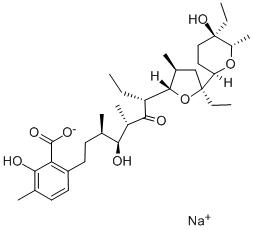

Request for quotation , get quotes from more suppliers.
Lycorine
(476-28-8)Request for quotation , get quotes from more suppliers.
Source Antiparasitic Drugs Raw Materials by Region


Frequently Asked Questions
Antiparasitic drugs are medications designed to treat infections caused by parasites, including protozoa, helminths (worms), and ectoparasites like lice and mites. These drugs work by either killing the parasites or inhibiting their growth and reproduction. Common conditions treated with antiparasitics include malaria, giardiasis, schistosomiasis, and scabies. Choosing the right antiparasitic depends on the specific parasite involved and the patient’s health profile.
To choose a reliable supplier of antiparasitic drugs, consider the following criteria:1. Regulatory compliance—ensure the supplier holds certifications such as WHO-GMP, FDA approval, or ISO standards.2. Quality assurance—verify that they conduct rigorous testing for purity, potency, and stability.3. Manufacturing transparency—reputable suppliers provide documentation on sourcing, synthesis, and batch records.4. Global distribution experience—especially important for bulk buyers needing consistent supply chains.Evaluating these factors helps ensure safe, effective, and compliant antiparasitic products.
Antiparasitic medications are broadly categorized based on the type of parasite they target:1. Antiprotozoals (e.g., metronidazole, chloroquine) for protozoan infections like malaria and trichomoniasis.2. Anthelmintics (e.g., albendazole, ivermectin) for worm infestations such as roundworms and tapeworms.3. Ectoparasiticides (e.g., permethrin, lindane) for external parasites like lice and scabies mites.Each class has distinct mechanisms of action and is selected based on accurate diagnosis and treatment guidelines.
Yes, generic antiparasitic drugs are generally as effective as their branded counterparts when they are approved by recognized regulatory authorities such as the FDA or EMA. Generics must demonstrate bioequivalence—meaning they deliver the same active ingredient at the same rate and concentration in the body. However, quality can vary among manufacturers, so it’s essential to source generics from certified, reputable suppliers with strong quality control systems.
Antiparasitic drugs must comply with international pharmaceutical quality standards to ensure safety and efficacy. Key requirements include:1. Adherence to Good Manufacturing Practices (GMP) as defined by the WHO or relevant national agencies.2. Compliance with pharmacopeial standards (e.g., USP, EP, BP) for identity, assay, impurities, and dissolution.3. Stability testing under ICH guidelines to guarantee shelf life.4. Proper labeling and documentation for traceability.Meeting these standards is critical for both human and veterinary antiparasitic formulations.