




Cosmetic Ingredient
- • Abrasive (124)
- • Absorbent (84)
- • Anticaking (66)
- • Anticorrosive (25)
- • Antifoaming (19)
- • Antimicrobials (291)
- • Antioxidant Ingredient (393)
- • Antiperspirant (20)
- • Antiplaque (48)
- • Anti-seborrheic (38)
- • Anti-sebum (38)
- • Antistatic (457)
- • Astringent (162)
- • Binding Agent (171)
- • Bleaching Agent (53)
- • Buffering (190)
- • Bulking (109)
- • Chelating (122)
- • Cleansing (680)
- • Cosmetic Colorant (212)
- • Cosmetic Preservative (158)
- • Denaturant (45)
- • Deodorant (98)
- • Depilatory (27)
- • Dissolving Agent (297)
- • Emollient (795)
- • Emulsifying Agent (481)
- • Emulsion Stabilising (153)
- • Exfoliating (19)
- • Film Forming (299)
- • Flavouring (72)
- • Foam Boosting (161)
- • Foaming (101)
- • Fragrance Ingredient (732)
- • Gel Forming (19)
- • Hair Conditioning (672)
- • Hair Dyeing (363)
- • Hair Fixing (36)
- • Hair Waving or Straightening (45)
- • Humectant (281)
- • Hydrotrope (92)
- • Keratolytic (20)
- • Light Stabilizer (77)
- • Moisturising Agent (50)
- • Nail Conditioning (42)
- • Occlusive (20)
- • Opacifying (119)
- • Oral Care (123)
- • Oxidising (19)
- • Perfuming (2106)
- • Plasticiser (98)
- • Propellant (19)
- • Reducing (51)
- • Refatting (12)
- • Refreshing (27)
- • Skin Cleansing (387)
- • Skin Conditioning (1747)
- • Skin Humectant (21)
- • Skin Protecting (281)
- • Smoothing (32)
- • Soothing (72)
- • Tonics (155)
- • UV Filter (33)
- • Viscosity Controlling (530)
Chemicals as Skincare Ingredients
Related News
-
FDA Lifts Administrative Stay, Restoring Red No. 3 Ban Timeline for Food and Ingested Drugs
2026-08-07 -
Low Inventory and Reduced Supply Trigger Price Hikes for Acrylonitrile in the Off-Season in China
2026-08-08 -
Premium Global Chemical Sourcing Requests (20-22July, 2026)
2026-08-05 -
Cost Values and Demand-Side Game: PP Prices Consolidate After Rising in July
2026-08-02 -
Premium Global Chemical Sourcing Requests (30 July-2Aug, 2026)
2026-08-05 -
Premium Global Chemical Sourcing Requests (6-9Aug, 2026)
2026-08-10


Antistatic
Antistatic
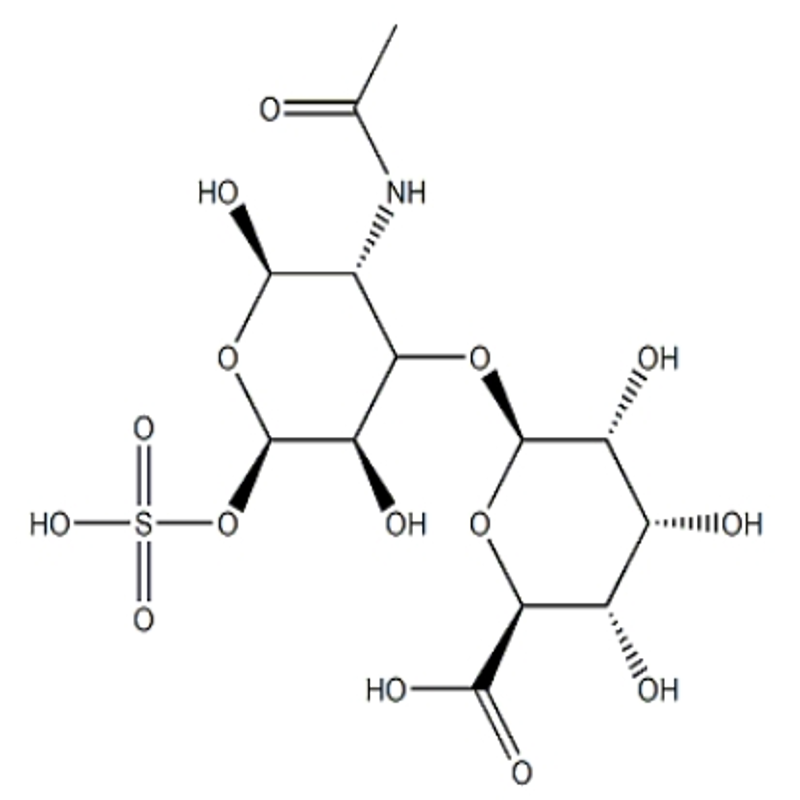
Chondroitin sulfate
(9007-28-7)-

- / 99%
$30-38/KG FOB
-

Pharmaceutical Grade / 99%
-

Food Grade / 99%
-

Food Grade / 99%


Request for quotation , get quotes from more suppliers.
Casein
(9000-71-9)-

Chemical Grade / 99%
$19/KG FOB
-
")
Industrial Grade / 99%
-

- / 0.00%
-

- / 99.00%


Request for quotation , get quotes from more suppliers.
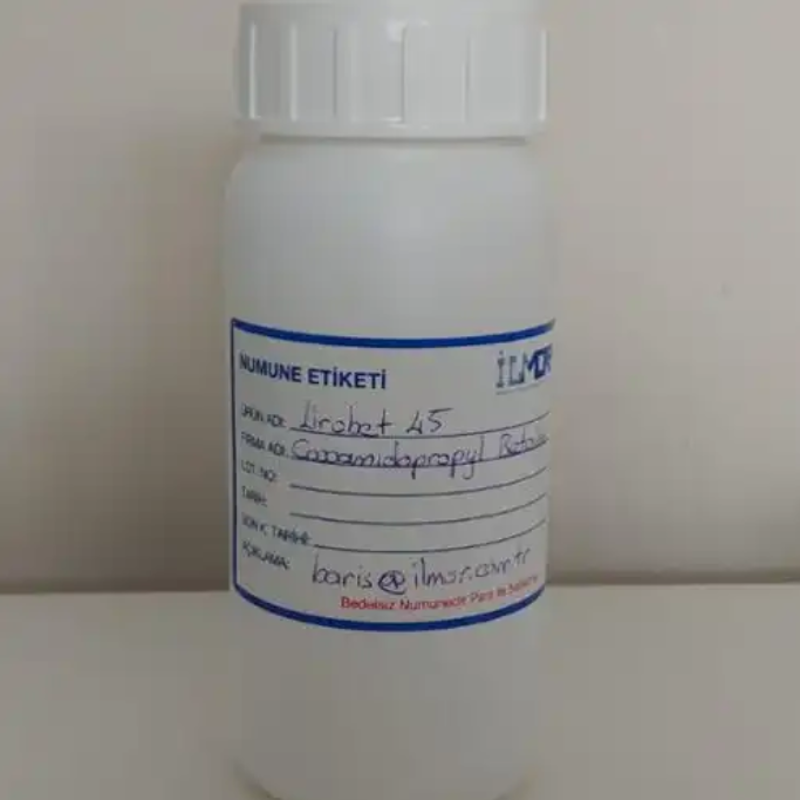
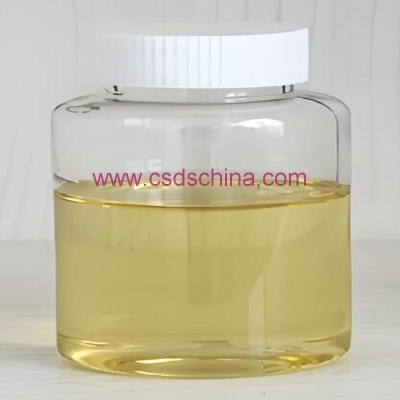
Cocamidopropyl betaine
(61789-40-0)-
 CAS NO: 61789-40-0")
Cosmetics Grade / 35%
-

Cosmetics Grade / 35%
-

Cosmetics Grade / 45%
-

Cosmetics Grade / 35%
$600-730/MT FOB


Request for quotation , get quotes from more suppliers.
Cetylpyridinium chloride
(123-03-5)The cetyl derivative is the most active of a series ofalkylpyridinium compounds. It is used as a general antisepticin concentrations of 1:100 to 1:1,000 for intact skin,1:1,000 for minor lacerations, and 1:2,000 to 1:10,000 forthe irrigation of mucous membran
-

Chemical Grade / 99%
$1/G FOB
-

-

- / 99.00%
-

Pharmaceutical Grade / 99%


Request for quotation , get quotes from more suppliers.
COCAMIDOPROPYL BETAINE
(83138-08-3)-

Industrial Grade / 99.00%
-

Industrial Grade / 99%
-

-
-N,")
Industrial Grade or Medical grade / 99%

Request for quotation , get quotes from more suppliers.
Source Antistatic Products Supply
Cetylpyridinium chloride monohydrate
(6004-24-6)-

Cosmetics Grade / 99%
-

Industrial Grade / 99%
-

-

- / 99.00%



Request for quotation , get quotes from more suppliers.
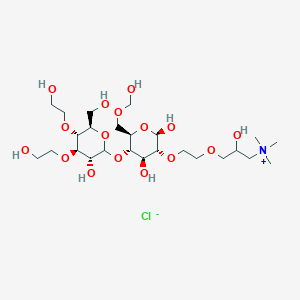
Cellulose, ether with α-[2-hydroxy-3-(trimethylammonio)propyl]-ω-hydroxypoly(oxy-1,2-ethanediyl), chloride
(68610-92-4)-

Cosmetics Grade / 99%
-

Cosmetics Grade / 95%
-

Cosmetics Grade / 99%
-

Cosmetic Raw Materials / 99%


Request for quotation , get quotes from more suppliers.
Cetyldimethylethylammonium bromide
(124-03-8)-

- / 99.00%
-

Industrial Grade / 99%
-

Industrial Grade / 99.0%
-




Request for quotation , get quotes from more suppliers.
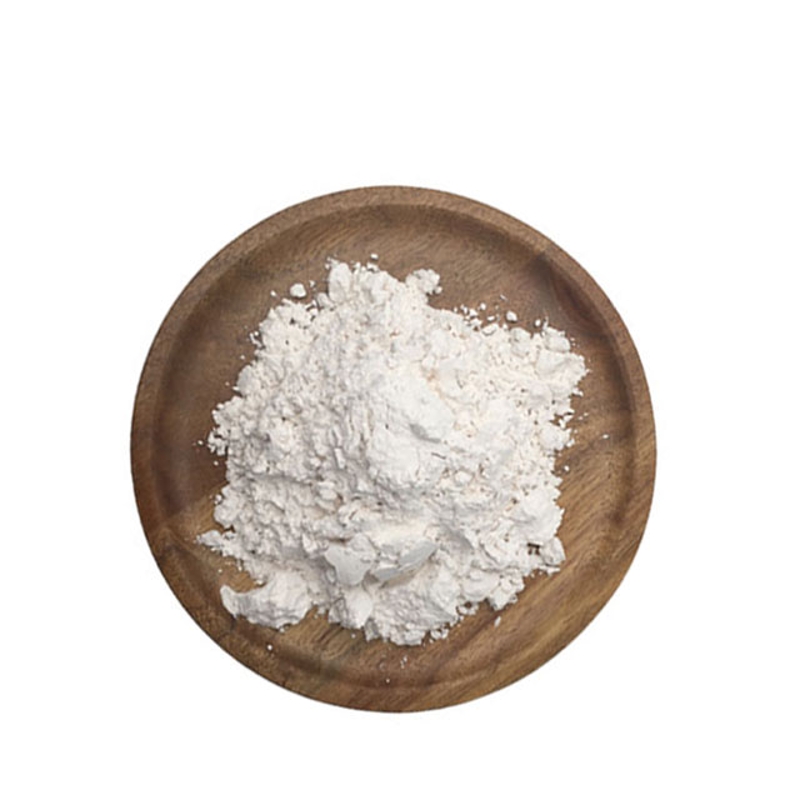
Collagens, hydrolyzates
(92113-31-0)-

Cosmetic Grade / 0.9%
$180/KG EXW
-

Cosmetics Grade / 99%
$1/KG EXW
-

Pharmaceutical Grade / 99%
-

- / 99.00%

Request for quotation , get quotes from more suppliers.
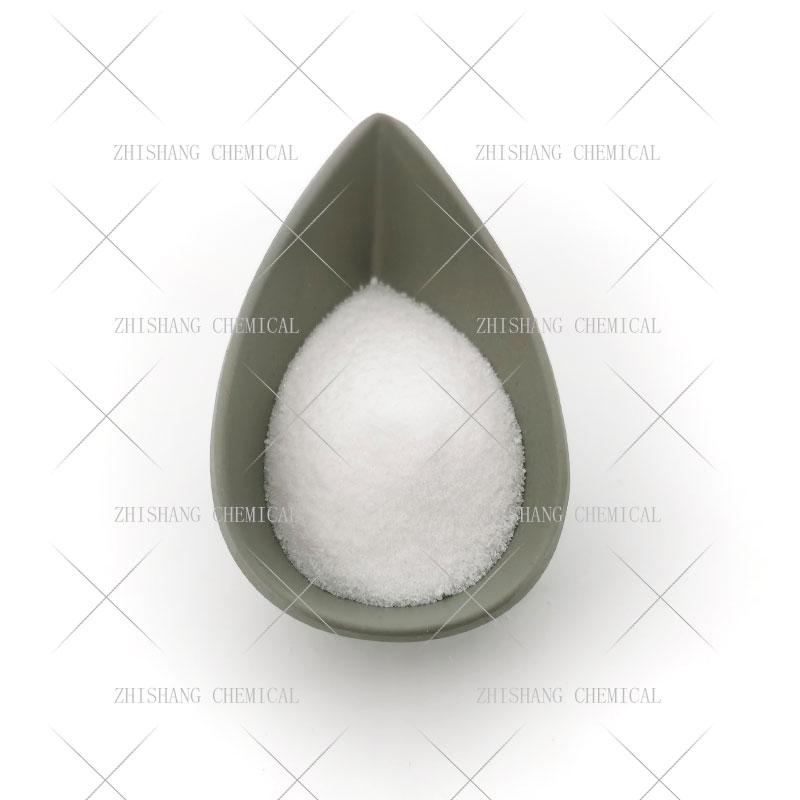
Ceresin
(8001-75-0)-

Industrial Grade / 99%
-

Industrial Grade / 99%
-

Industrial Grade / 99.9%
-

Industrial Grade / 99%
$1600-1900/MT FOB


Request for quotation , get quotes from more suppliers.
More Information
Static control is crucial in manufacturing and the performance of materials, and an antistatic agent is required for this purpose. Its function is to minimize the static charges that are a problem when handling sensitive materials by increasing the surface conductivity. Antistatic additives are efficient in several formulations giving the needed protection from static electricity in numerous uses. This provides a safer process, non-attraction of dust, and better product quality in industries where static is an issue.
Common applications of antistatic agents include:
Plastic manufacturing
Electronics assembly
Packaging materials
Automotive components
Medical equipment
Textile production
Frequently Asked Questions
Antistatic agents are chemical additives used to reduce or eliminate static electricity buildup on surfaces, particularly in plastics, textiles, and electronic components. They work by increasing surface conductivity, allowing static charges to dissipate more quickly. These agents can be internal (mixed into the material during production) or external (applied as a topical treatment). Understanding how antistatic agents function helps in selecting the right type for specific industrial applications.
Antistatic products are widely used across multiple industries:1. Electronics manufacturing – to protect sensitive components from electrostatic discharge (ESD).2. Packaging – especially for food, pharmaceuticals, and electronics where static can attract dust or damage contents.3. Textiles – to prevent cling and improve comfort in synthetic fabrics.4. Plastics processing – to avoid issues like dust adhesion or jamming during production.Selecting the appropriate antistatic solution depends on the material and end-use environment.
Choosing the right antistatic additive involves considering several factors:1. Compatibility with your base material (e.g., polyethylene, polyester, PVC).2. Required duration of antistatic effect – temporary vs. long-lasting.3. Regulatory compliance, especially for food contact or medical-grade materials.4. Processing conditions such as temperature and method (injection molding, extrusion, etc.).Consulting technical data sheets and working with certified suppliers ensures optimal performance and safety.
Yes, certain antistatic agents are approved for use in food packaging by regulatory bodies such as the U.S. FDA and EFSA in Europe. These food-grade antistats are non-toxic, odorless, and comply with strict migration limits to ensure they do not contaminate food. Always verify that the product carries relevant certifications (e.g., FDA 21 CFR compliance) and is explicitly labeled for food-contact applications.
While often confused, these terms describe different levels of electrical resistance:- Antistatic materials prevent static buildup but don’t necessarily dissipate existing charges quickly (surface resistivity: 10⁹–10¹² Ω/sq).- Conductive materials rapidly transfer charges (resistivity <10⁵ Ω/sq).- ESD-safe (electrostatic discharge-safe) materials fall in between (10⁵–10⁹ Ω/sq), offering controlled dissipation to protect electronics.Choosing the correct category depends on your application’s sensitivity to static electricity.