




Pharmaceutical Intermediates
- • Analgesics (59)
- • Anesthetics (52)
- • Anti-Addiction Agents (8)
- • Antibacterials (118)
- • Anticonvulsants (20)
- • Antidementia Agents (23)
- • Antidepressants (35)
- • Antiemetics (24)
- • Antifungals (24)
- • Antigout Agents (9)
- • Anti-inflammatory Agents (28)
- • Antimigraine Agents (21)
- • Antineoplastics (430)
- • Antiparasitics (11)
- • Antiparkinson Agents (28)
- • Antipsychotics (54)
- • Antispasticity Agents (12)
- • Antivirals (146)
- • Anxiolytics (16)
- • Blood Glucose Regulators (106)
- • Blood Products (61)
- • Cardiovascular Agents (179)
- • CNS Agents (22)
- • Dental and Oral Agents (8)
- • Dermatological Agents (19)
- • Electrolytes (15)
- • Gastrointestinal Agents (63)
- • Genetic/Enzyme Disorder (12)
- • Genitourinary Agents (47)
- • Immunological Agents (36)
- • Metabolic Bone Disease (6)
- • Ophthalmic Agents (477)
- • Respiratory Tract (51)
- • Skeletal Muscle Relaxants (5)
- • Sleep Disorder Agents (28)
- • Oled Material Intermediate (333)
- • Heterocyclic Compound (9773)
- • Bulk Drug Intermediates (17915)
Related News
-
India's PV Community Comes Together at the 6th Edition Drug Safety Symposium 2026 – India Chapter to Shape the Future of Patient Safety
2026-07-23 -
6th Drug Safety Symposium 2026 to Focus on “Beyond Algorithms & Assumptions, What Actually Matters in Pharmacovigilance”
2026-05-07 -
Roche Acquires Carmot for $3.1 Billion to Enter Obesity Drug Market
2023-12-06 -
Two departments issued a document to guidethe strengthening of drug cases investigation and handling
2022-10-24 -
National Health Care Commission: 50% of thecountry's public hospitals above the second level have carried out appointmentdiagnosis and treatment services
2022-10-24 -
India starts testing a pharmaceuticalcompany's exports of cough syrup
2022-10-24


Sort Bulk Drug Intermediates Alphabetically
Bulk Drug Intermediates
Get Bulk Drug Intermediates Raw Materials by Region5-Fluoro-1,3-dihydroindol-2-one
(56341-41-4)-

Pharmaceutical Grade / 99%
-

Pharmaceutical Grade / 99%
-

Pharmaceutical Grade / 99%
-

pharmaceutical grade / 98%


Request for quotation , get quotes from more suppliers.
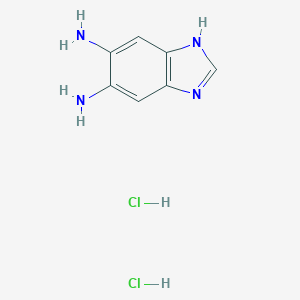
5,6-DiaminobenzimidazoleDihydrochloride
(90000-54-7)-

Industrial Grade / 95%
-

Industrial Grade / 99%
-

-


Request for quotation , get quotes from more suppliers.
-

Pharmaceutical Grade / 99%
-

Pharmaceutical Grade / 99%
-

pharmaceutical grade / 99.9%
-

pharmaceutical grade / 98%
$100/KG EXW


Request for quotation , get quotes from more suppliers.
5-Amino-1-methylquinolinium chloride
(42464-96-0)-

Pharmaceutical Grade / 99%
-

Pharmaceutical Grade / 99%
$60-65/UNIT FOB
-

Pharmaceutical Grade/ Food grade / 99%
$4-5/G FOB
-

Pharmaceutical Grade / 99%
$35-36/MT EXW

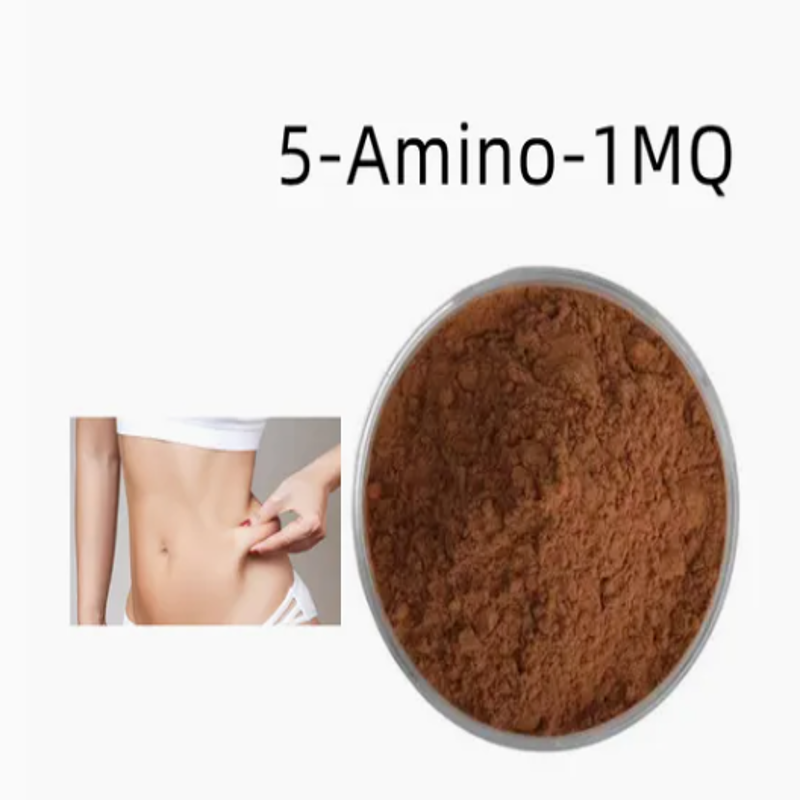
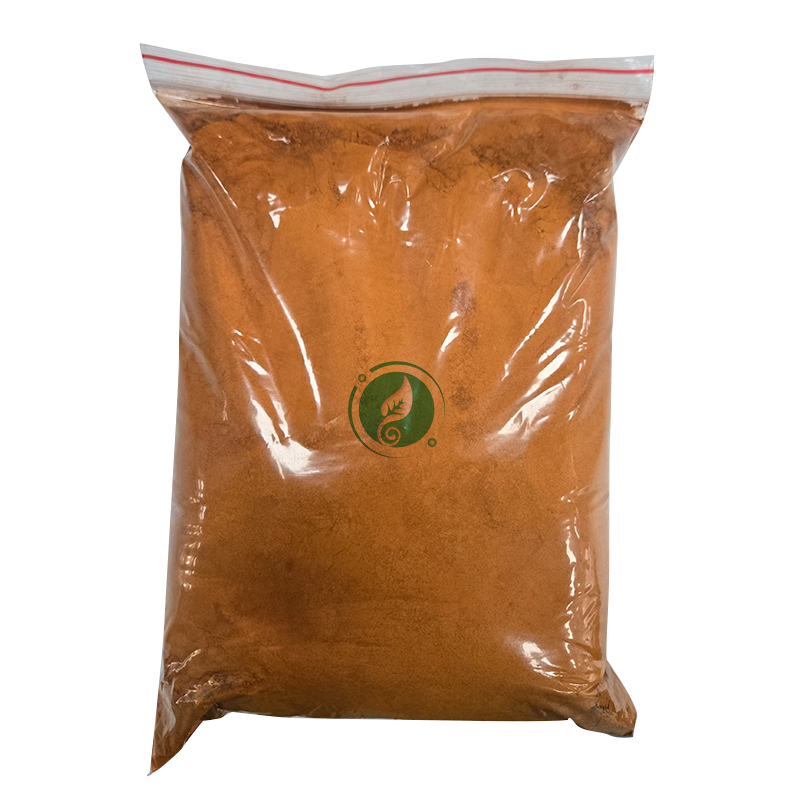
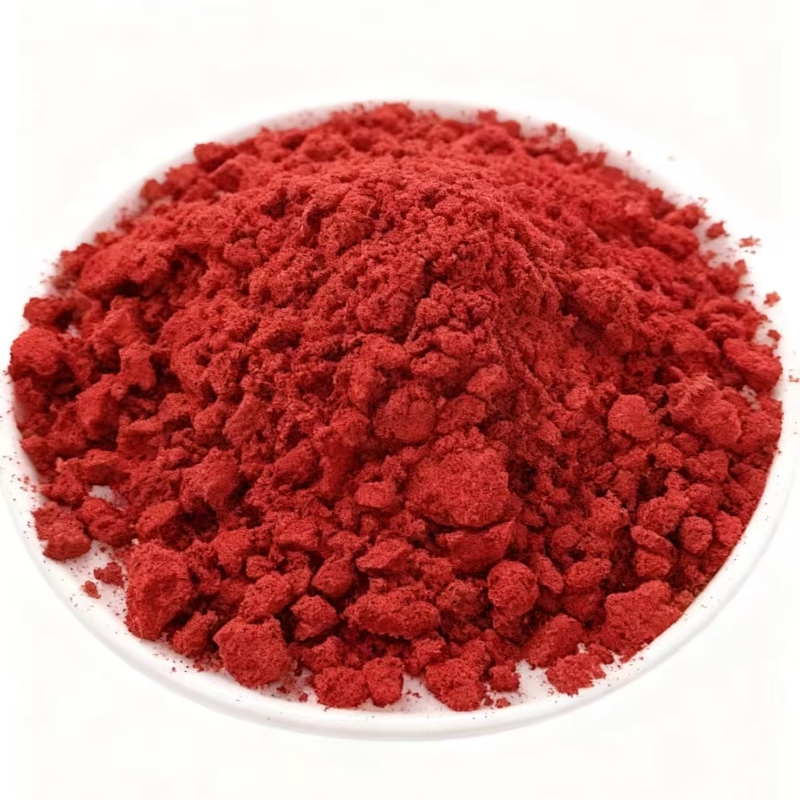
Request for quotation , get quotes from more suppliers.
-

Pharmaceutical Grade / 99%
-

Pharmaceutical Grade / 99%
-

Pharmaceutical Grade / 98%
-

Pharmaceutical Grade / 99%

Request for quotation , get quotes from more suppliers.
Source Bulk Drug Intermediates Products Supply
- 3,4,5-Trihydroxybenzaldehyde suppliers
- 4-Methyl-3-(trifluoromethyl)aniline suppliers
- N-Ethyl-2(or 4)-methylbenzenesulfonamide suppliers
- 3-Methyl-4-nitro-1H-pyrazole suppliers
- 2-Fluoro-5-iodopyridine suppliers
- 2-Piperidinecarboxylic acid, 5-[(phenylmethoxy)amino]-, phenylmethyl ester, (2S,5R)-, ethanedioate (1:1) suppliers
-

Pharmaceutical Grade / 99%
$100/KG EXW
-

pharmaceutical grade / 98%
-

Pharmaceutical Grade / 99%
-

pharmaceutical Grade / 99%

Request for quotation , get quotes from more suppliers.
5-Chloroindole
(17422-32-1)-

Pharmaceutical Grade / 99%
-

Industrial Grade / pharmaceutical grade / 99%
-

pharmaceutical grade / 98%
-



Request for quotation , get quotes from more suppliers.
5-Methoxytryptamine
(608-07-1)-

Pharmaceutical Grade / 99.99%
$33-34/G FOB
-

Pharmaceutical Grade / 99%
-

Pharmaceutical Grade / 98%
-

Pharmaceutical Grade / 99%


Request for quotation , get quotes from more suppliers.
5-Fluoroindole
(399-52-0)-

Pharmaceutical Grade / 99%
-

pharmaceutical grade / 98%
-

Pharmaceutical Grade / 99%
-

Industrial Grade / pharmaceutical grade / 99%


Request for quotation , get quotes from more suppliers.
5-Nitroindole
(6146-52-7)-

Industrial Grade / pharmaceutical grade / 99%
-

- / 99.00%
-

- / 99%
$1/KG EXW
-

industrial Grade / 98%


Request for quotation , get quotes from more suppliers.
More Information
Intermediates are unavoidable products of chemical reactions and are widely used in pharmaceuticals, materials, chemicals, and other industries.
In the pharmaceutical industry, an active pharmaceutical ingredient (API) is a product of a synthesis process that has been completed and is used in the manufacture of bulk drugs and intermediates are some chemical raw materials or chemical products used in the synthesis process of APIs.
The application industries of pharmaceutical intermediates mainly include antibiotics, anticancer drugs, cardiovascular drugs, neurological drugs, hormone drugs, and immunosuppression.
Functions of intermediates
Intermediates serve a variety of responsibilities in the drug production process.
● They can serve as a link between the API and the finished medicine. The drug production process can be broken down into multiple steps using intermediates, each requiring a different chemical.
● They can modify reaction conditions and synthesis pathways, increasing drug synthesis efficiency and yields.
● They can be employed to modify the purification, crystallization, and solid characteristics of medicines.
Frequently Asked Questions
Bulk Drug Intermediates are chemical compounds produced during the multi-step synthesis of Active Pharmaceutical Ingredients (APIs). They are not yet the final API but play a critical role in the manufacturing process. These intermediates must meet strict quality and purity standards to ensure the safety and efficacy of the final drug product. Understanding their function helps pharmaceutical manufacturers maintain compliance and optimize production efficiency.
While both Bulk Drug Intermediates and Active Pharmaceutical Ingredients (APIs) are essential in drug manufacturing, they serve different roles. Intermediates are precursor molecules formed during synthesis steps before the final API is created. APIs are the biologically active components responsible for the therapeutic effect in a medication. Intermediates typically undergo further chemical transformation, whereas APIs are formulated directly into dosage forms like tablets or injections.
Bulk Drug Intermediates must comply with stringent regulatory guidelines, including Good Manufacturing Practices (GMP), especially if they are used in the production of regulated pharmaceuticals. Key quality parameters include identity, purity, assay, residual solvents, and impurity profiles. Reputable suppliers provide comprehensive Certificates of Analysis (CoA) and often adhere to ICH Q7 guidelines to ensure consistency, safety, and traceability throughout the supply chain.
Selecting a trustworthy supplier for Bulk Drug Intermediates involves evaluating several factors:1. Regulatory compliance—verify GMP certification and audit history.2. Analytical capabilities—ensure they offer full documentation like CoA, MSDS, and stability data.3. Scalability and reliability—assess their production capacity and on-time delivery record.4. Technical support—look for suppliers with experienced chemists who can assist with process optimization or regulatory queries.Partnering with an established, audited supplier minimizes risk and ensures consistent intermediate quality.
Bulk Drug Intermediates are primarily used in the stepwise synthesis of APIs for a wide range of medications, including antibiotics, antivirals, cardiovascular drugs, and oncology treatments. They enable modular and efficient production by allowing manufacturers to isolate and purify compounds at each reaction stage. Additionally, custom intermediates support the development of novel drug candidates during R&D and clinical trials, making them indispensable in both generic and innovative drug pipelines.