




Cosmetic Ingredient
- • Abrasive (124)
- • Absorbent (84)
- • Anticaking (66)
- • Anticorrosive (25)
- • Antifoaming (19)
- • Antimicrobials (291)
- • Antioxidant Ingredient (392)
- • Antiperspirant (20)
- • Antiplaque (48)
- • Anti-seborrheic (38)
- • Anti-sebum (38)
- • Antistatic (457)
- • Astringent (162)
- • Binding Agent (171)
- • Bleaching Agent (53)
- • Buffering (190)
- • Bulking (109)
- • Chelating (122)
- • Cleansing (680)
- • Cosmetic Colorant (212)
- • Cosmetic Preservative (158)
- • Denaturant (45)
- • Deodorant (98)
- • Depilatory (27)
- • Dissolving Agent (297)
- • Emollient (795)
- • Emulsifying Agent (481)
- • Emulsion Stabilising (153)
- • Exfoliating (19)
- • Film Forming (299)
- • Flavouring (72)
- • Foam Boosting (161)
- • Foaming (101)
- • Fragrance Ingredient (732)
- • Gel Forming (19)
- • Hair Conditioning (672)
- • Hair Dyeing (363)
- • Hair Fixing (36)
- • Hair Waving or Straightening (45)
- • Humectant (281)
- • Hydrotrope (92)
- • Keratolytic (20)
- • Light Stabilizer (77)
- • Moisturising Agent (50)
- • Nail Conditioning (42)
- • Occlusive (20)
- • Opacifying (119)
- • Oral Care (123)
- • Oxidising (19)
- • Perfuming (2106)
- • Plasticiser (98)
- • Propellant (19)
- • Reducing (51)
- • Refatting (12)
- • Refreshing (27)
- • Skin Cleansing (387)
- • Skin Conditioning (1747)
- • Skin Humectant (21)
- • Skin Protecting (281)
- • Smoothing (32)
- • Soothing (72)
- • Tonics (155)
- • UV Filter (33)
- • Viscosity Controlling (530)
Chemicals as Skincare Ingredients
Related News
-
U.S. Imposes 12.5% Additional Tariff! Nutritional Ingredients Including Creatine, Taurine, and Glucosamine Included in New Section 301 Tariff List
2026-07-30 -
FDA Lifts Administrative Stay, Restoring Red No. 3 Ban Timeline for Food and Ingested Drugs
2026-08-07 -
Premium Global Chemical Sourcing Requests (20-22July, 2026)
2026-08-05 -
Cost Values and Demand-Side Game: PP Prices Consolidate After Rising in July
2026-08-02 -
Premium Global Chemical Sourcing Requests (30 July-2Aug, 2026)
2026-08-05 -
China NMPA Issues Priority Review Pathway for Four Categories of Chemical Active Pharmaceutical Ingredients, Effective August 1, 2026
2026-07-31


Cleansing
Cleansing
Dodecylbenzenesulphonic acid
(27176-87-0)-

Cosmetics Grade / 96%
-

Cosmetics Grade / 96%
$800-900/MT FOB
-

Industrial Grade / 96%
-

Industrial Grade / -
$750-900/MT FOB


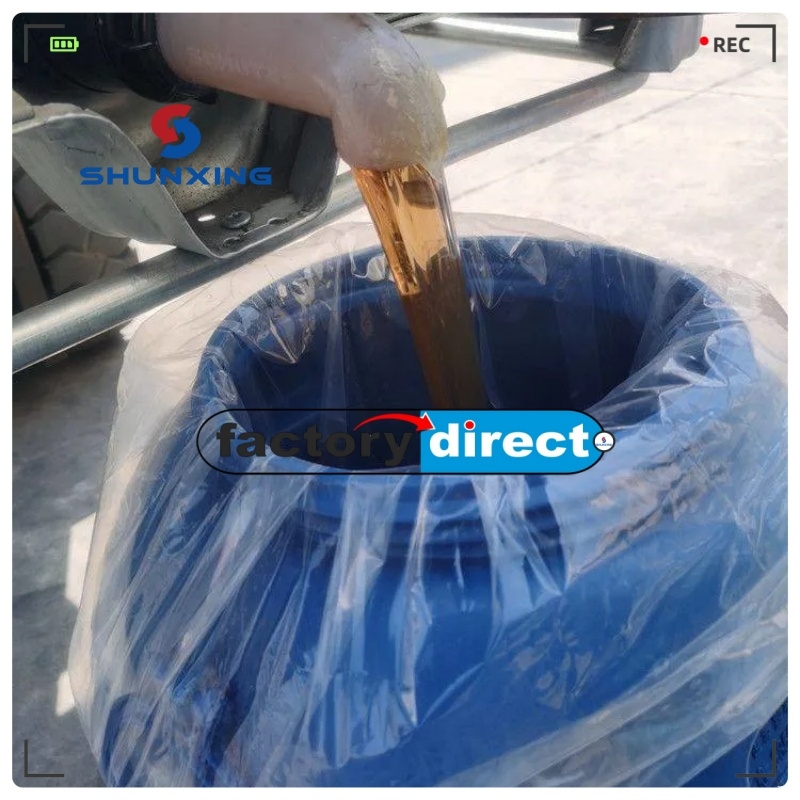

Request for quotation , get quotes from more suppliers.
Decanoic acid
(334-48-5)Pharmaceuticals
Decanoate salts and esters of various drugs are available. Since decanoic acid is a fatty acid, forming a salt or ester with a drug will increase its lipophilicity and its affinity for fatty ti
-

Chemical Grade / 99%
$1/KG FOB
-

- / 99.00%
-

- / 99%
-



Request for quotation , get quotes from more suppliers.
-

Cosmetics Grade / 99%
-

Cosmetics Grade / 70%
$1000-1300/MT EXW
-

Cosmetics Grade / 99%
$1/KG EXW
-

Industrial Grade / 99%
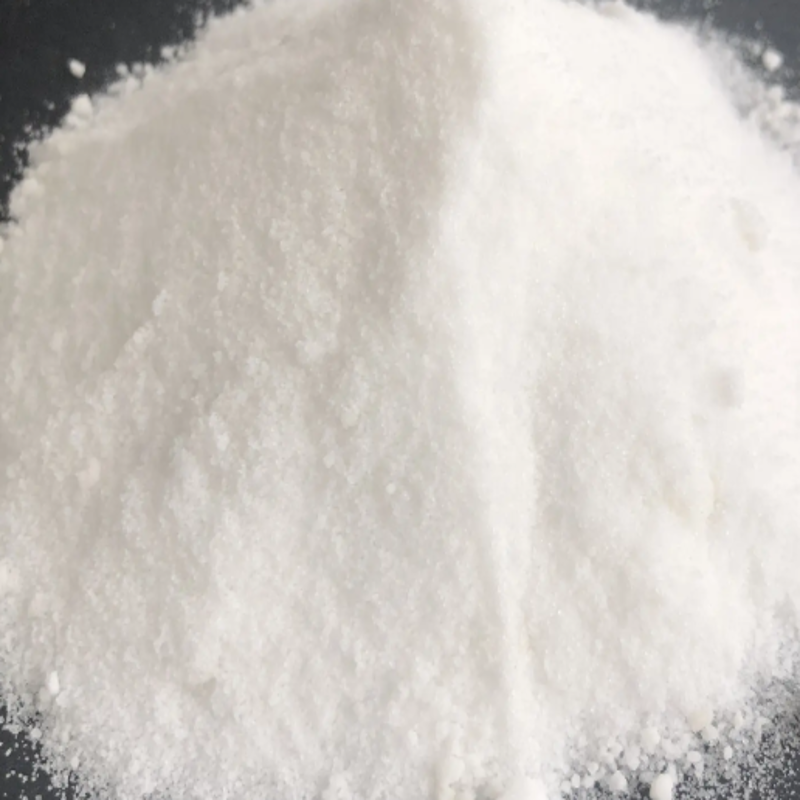


Request for quotation , get quotes from more suppliers.
Didecyldimethylammonium chloride
(7173-51-5)-

- / 0.00%
-

- / 99.00%
-

Industrial Grade / 80%
-





Request for quotation , get quotes from more suppliers.
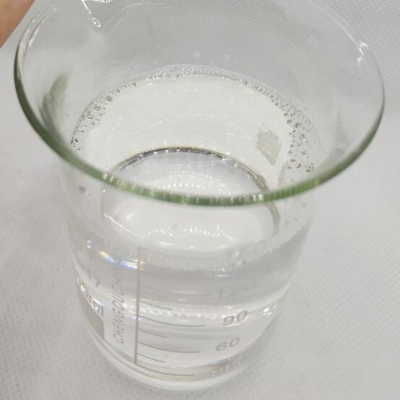
Dodecyldimethylamine oxide
(1643-20-5)-

Cosmetics Grade / 30%
$1.2-1.56/MT FOB
-

Pharmaceutical Grade / 99%
-

Industrial Grade / 30%
-

- / 0.00%


Request for quotation , get quotes from more suppliers.
Source Cleansing Products Supply
Dispersant NNO
(9084-06-4)-
![buy Sodium poly[(naphthaleneformaldehyde)sulfonate]]( "Sodium poly[(naphthaleneformaldehyde)sulfonate]")
Industrial Grade / 99%
-
![buy Sodium poly[(naphthaleneformaldehyde)sulfonate] 99% prower aly-9084-06-4 lk]( "Sodium poly[(naphthaleneformaldehyde)sulfonate] 99% prower aly-9084-06-4 lk")
Industrial Grade / 99%
-
![buy Sodium poly[(naphthaleneformaldehyde)sulfonate], CAS:9084-06-4]( "Sodium poly[(naphthaleneformaldehyde)sulfonate], CAS:9084-06-4")
Chemical Grade / 99%
$11-13/KG FOB
-

Industrial Grade / 98%
![buy Sodium poly[(naphthaleneformaldehyde)sulfonate]](https://file.echemi.com/fileManage/upload/cas/821/8614e8a0-dd46-11eb-89d6-0255ac100033.png "Sodium poly[(naphthaleneformaldehyde)sulfonate]")
![buy Sodium poly[(naphthaleneformaldehyde)sulfonate] 99% prower aly-9084-06-4 lk](https://file.echemi.com/fileManage/upload/goodpicture/20230613/m20230613083929949.jpg "Sodium poly[(naphthaleneformaldehyde)sulfonate] 99% prower aly-9084-06-4 lk")
![buy Sodium poly[(naphthaleneformaldehyde)sulfonate], CAS:9084-06-4](https://file.echemi.com/fileManage/upload/goodpicture/20230906/625-84-3_b20230906150402904.png "Sodium poly[(naphthaleneformaldehyde)sulfonate], CAS:9084-06-4")

Request for quotation , get quotes from more suppliers.
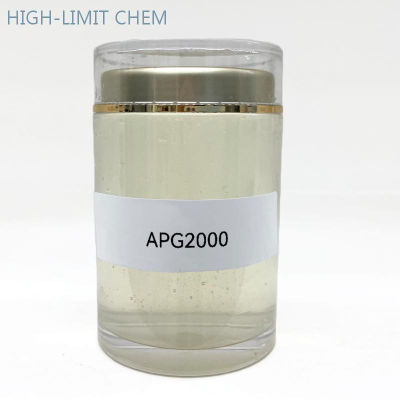
D-Glucopyranose, oligomeric, decyl octyl glycosides
(68515-73-1)-

Cosmetics Grade / 50%
-

Cosmetics Grade / 60%
-
 colorless to yellowish liquid APG 2000 EASTHEALTH")
Cosmetics Grade / -
-

Cosmetics Grade / -



Request for quotation , get quotes from more suppliers.
Docosanoic acid
(112-85-6)-

Industrial Grade / 99%
-

- / 99.00%
-

Pharmaceutical Grade / 92%
-

Pharmaceutical Grade / 99%



Request for quotation , get quotes from more suppliers.
D-Glucopyranose, oligomeric, C10-16-alkyl glycosides
(110615-47-9)-

Cosmetics Grade / 50%
-

Cosmetics Grade / 99%
-

Cosmetics Grade / 99%
$1/KG EXW
-

cosmetic grade / -
$114/KG EXW


Request for quotation , get quotes from more suppliers.
-

cosmetic grade / -
$114/KG EXW
-

Industrial Grade / 99%
-

- / 99.00%
-


Request for quotation , get quotes from more suppliers.
Source Cleansing Raw Materials by Region


More Information
The mechanism of cleansing agents involves their ability to interact with both water and oil-based substances. Surfactants, the primary active ingredients in cleansing formulations, possess hydrophilic (water-attracting) and lipophilic (oil-attracting) properties. When applied to the skin or hair, surfactants lower the surface tension of water, allowing it to penetrate and wet the surface while simultaneously attracting and binding to oils and other hydrophobic substances.
As surfactants bind to oil and dirt particles, they form micelles, tiny structures that encapsulate the impurities, making them easier to rinse away. Additionally, cleansing agents may contain emollients and conditioning agents to help maintain the skin's natural moisture barrier and prevent dryness or irritation.
Common ingredients found in cleansing products include:
● Sodium lauryl sulfate (SLS) and sodium laureth sulfate (SLES)
● Cocamidopropyl betaine
● Glycerin and other humectants
Frequently Asked Questions
Cleansing in skincare refers to the process of removing dirt, oil, makeup, pollutants, and impurities from the skin’s surface. It is the foundational step in any skincare routine and helps maintain skin health, prevent clogged pores, and prepare the skin for subsequent treatments like serums or moisturizers. Effective cleansing supports overall skin clarity and can reduce the risk of acne and irritation.
Dermatologists generally recommend cleansing your face twice daily—once in the morning and once at night. Morning cleansing removes sweat and oil accumulated overnight, while evening cleansing eliminates makeup, sunscreen, and environmental pollutants. Over-cleansing (more than twice a day) may strip natural oils and disrupt the skin barrier, especially for those with dry or sensitive skin types.
The ideal cleanser depends on your skin type:- Oily skin: Gel or foaming cleansers with salicylic acid or tea tree oil help control excess sebum.- Dry skin: Cream or milky cleansers with hydrating ingredients like glycerin or ceramides are gentle and nourishing.- Sensitive skin: Fragrance-free, hypoallergenic formulas with minimal ingredients reduce irritation risk.- Combination skin: Balanced, pH-neutral cleansers work well across different zones.Always patch-test new products and avoid harsh sulfates if you have reactive skin.
Yes, improper cleansing can lead to skin irritation. Using overly aggressive cleansers, hot water, or excessive scrubbing may damage the skin barrier, causing redness, dryness, or sensitivity. Ingredients like high concentrations of alcohol, synthetic fragrances, or strong surfactants (e.g., sodium lauryl sulfate) are common irritants. To minimize risk, choose gentle, dermatologist-tested cleansers suited to your skin type and use lukewarm water with soft motions during cleansing.
Cleansing removes surface-level impurities like dirt, oil, and makeup, while exfoliating targets dead skin cells on the skin’s surface or within pores. Cleansing should be done daily, whereas exfoliation is typically recommended 1–3 times per week depending on skin tolerance. Over-exfoliating can compromise the skin barrier, so it’s important to distinguish between the two steps and use appropriate products for each purpose in a balanced skincare regimen.