




Biochemical Engineering
- • Amino Acids and Proteins (229)
- • Nucleic Acid Drugs (17)
- • Enzymes and Coenzymes Drugs (115)
- • Inhibitors (1095)
- • Biological Response Modifiers (15)
- • Fat Medicines (8)
- • Amino Acids and Derivatives (4202)
- • Saccharides (2379)
- • Biochemical Reagents (344)
- • Nucleoside Drugs (346)
- • Condensing Agent (40)
- • Polypeptide (767)
- • Biosynthetic Natural Products (108)
- • Plant Extracts (826)
- • Chinese Herbs (354)
- • Microbiology Reagents (11)
- • Protein Research (34)
- • Lipids (281)
- • Inflammation Mediators (128)
Related News


Nucleoside Drugs
Nucleoside Drugs
Adenosine monophosphate
(61-19-8)-

Industrial Grade / 99%
-

-

- / 99.00%
-

Food grade / 99%



Request for quotation , get quotes from more suppliers.
-

- / 99.00%
-

-

Pharmaceutical Grade / 99%
-

Chemical Grade / 99%

Request for quotation , get quotes from more suppliers.
-

- / 99.00%
-

Pharmaceutical Grade / -
-

Industrial Grade / 90%
-

Industrial Grade / 99%


Request for quotation , get quotes from more suppliers.
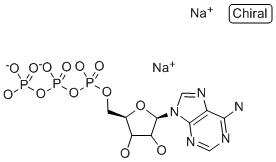
Adenosine 5'-triphosphate disodium salt
(51963-61-2)-
, disodiuM salt, trihydrate (9CI) 99% white powder zy-51963-61-2 zhishang-zy-51963-61-2")
Pharmaceutical Grade / 99%
-

- / 99.00%
-

Industrial Grade / 98%
-
, disodiuM salt, trihydrate (9CI) 99% white powder 51963-61-2")
Pharmaceutical Grade / 0%


Request for quotation , get quotes from more suppliers.
Adenosine 5′-monophosphate disodium
(4578-31-8)-

-

-

Pharmaceutical Grade / 99%
-

- / 99.00%



Request for quotation , get quotes from more suppliers.
Source Nucleoside Drugs Products Supply
Adenosine, N-(1-oxobutyl)-, cyclic 3′,5′-(hydrogen phosphate) 2′-butanoate, sodium salt (1:1)
(16980-89-5)-

- / 99.00%
-

Pharmaceutical Grade / 99%
-

Pharmaceutical Grade / 99%
-



Request for quotation , get quotes from more suppliers.
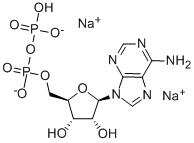
Adenosine 5′-(trihydrogen diphosphate), sodium salt (1:2)
(16178-48-6)-

Reagent Grade / 99%
$1/KG EXW
-

- / 99.00%
-

Top Product / 98%
-

Pharmaceutical Grade / 99%



Request for quotation , get quotes from more suppliers.
Adenosine, 5′-(4-methylbenzenesulfonate)
(5135-30-8)-

-

Pharmaceutical Grade / 99%
-

Pharmaceutical Grade / 99%
-

Pharmaceutical Grade / 99%


Request for quotation , get quotes from more suppliers.
Adenine, monohydrochloride
(2922-28-3)-

- / 99.00%
-

Chemical Grade / 99%
$10/G EXW
-

Industrial Grade / 99%
-



Request for quotation , get quotes from more suppliers.
-

- / 99.00%
-

Pharmaceutical Grade / 99%
-
benzonitrile 98% Purity CAS 149022-20-8 High Purity Pyridine Building Block for Ligand Synthesis, Pharmaceutical Research,")
Reagent Grade / 99%
-

Industrial Grade / 99.0%


Request for quotation , get quotes from more suppliers.
Source Nucleoside Drugs Raw Materials by Region


Frequently Asked Questions
Nucleoside Drugs are a class of antiviral or anticancer medications that mimic natural nucleosides—the building blocks of DNA and RNA. Once inside the body, they are metabolized into active forms that interfere with viral replication or cancer cell proliferation by inhibiting key enzymes like reverse transcriptase or DNA polymerase. Common examples include acyclovir for herpes viruses and gemcitabine for certain cancers.
Nucleoside Analogues are widely used in treating viral infections such as HIV (e.g., tenofovir, lamivudine), hepatitis B and C (e.g., entecavir), and herpes simplex virus (e.g., valacyclovir). They are also employed in oncology to treat cancers like leukemia, pancreatic cancer, and lymphoma (e.g., cytarabine, fludarabine). Their mechanism involves disrupting nucleic acid synthesis in rapidly dividing cells or viruses.
To ensure quality and purity when sourcing Nucleoside Drug intermediates, verify that the supplier complies with Good Manufacturing Practice (GMP) standards and provides comprehensive Certificates of Analysis (CoA). Look for suppliers with ISO certification, robust quality control systems, and experience in pharmaceutical-grade synthesis. Third-party testing data and regulatory audit reports further validate reliability.
When selecting a Nucleoside Drugs manufacturer, consider: 1. Regulatory compliance (e.g., FDA, EMA, or WHO-GMP certification).2. Technical expertise in nucleoside chemistry and scalable synthesis routes.3. Consistent batch-to-batch quality and impurity profiling.4. Intellectual property clearance to avoid patent infringement.5. Supply chain transparency and on-time delivery performance.Choosing a reputable partner minimizes risk in drug development and commercial production.
Yes, many Nucleoside-based pharmaceuticals are sensitive to moisture, light, and temperature. They often require storage under controlled conditions—typically 2–8°C for liquid formulations or desiccated environments for solids—to prevent degradation. Stability studies (ICH guidelines Q1A–Q1E) should guide shelf-life determination. Always follow manufacturer-recommended storage protocols to maintain potency and safety.