




Biochemical Engineering
- • Amino Acids and Proteins (229)
- • Nucleic Acid Drugs (17)
- • Enzymes and Coenzymes Drugs (115)
- • Inhibitors (1095)
- • Biological Response Modifiers (15)
- • Fat Medicines (8)
- • Amino Acids and Derivatives (4190)
- • Saccharides (2379)
- • Biochemical Reagents (344)
- • Nucleoside Drugs (346)
- • Condensing Agent (40)
- • Polypeptide (767)
- • Biosynthetic Natural Products (108)
- • Plant Extracts (826)
- • Chinese Herbs (354)
- • Microbiology Reagents (11)
- • Protein Research (34)
- • Lipids (281)
- • Inflammation Mediators (128)
Related News


Polypeptide
Polypeptide
(4S)-(+)-4-Benzyl-3-propionyl-2-oxazolidinone
(101711-78-8)-
-(+)-4-Benzyl-3-propionyl-2-oxazolidinone cas 101711-78-8")
Chemical Grade / 99%
$200/G EXW
-
-(+)-4-Benzyl-3-propionyl-2-oxazolidinone")
-
-(+)-4-Benzyl-3-propionyl-2-oxazolidinone")
-
-(+)-4-Benzyl-3-propionyl-2-oxazolidinone")
Industrial Grade / 99%


Request for quotation , get quotes from more suppliers.
GLYX 13
(117928-94-6)-

Pharmaceutical Grade / 99%
-

- / 99.00%
-

Pharmaceutical Grade / 99%
-


Request for quotation , get quotes from more suppliers.
Dynorphin A (1-13)
(72957-38-1)-
 raw material 99% purity, CAS 72957-38-1 offered at the best market price")
Pharmaceutical Grade / 99%
-
, porcine")
Research and Industrial Grade / 98.00%
-
 CAS 72957-38-1 High Purity for Research")
Research Grade / 99.0%
$150-170/G FOB
-
, porcine white powder")
Pharmaceutical Grade / 99%
$1/UNIT FOB


Request for quotation , get quotes from more suppliers.
L-Arginyl-L-phenylalanine
(2047-13-4)-

Industrial Grade, Feed Grade, Food Grade, Pharma Grade / 99%
-

-

- / 98%
-


Request for quotation , get quotes from more suppliers.
(4S,5R)-(-)-4-METHYL-5-PHENYL-2-OXAZOLIDINONE
(16251-45-9)-
-(-)-4-methyl-5-phenyl-2-oxazolidinone")
Pharmaceutical Grade / 98%
-
-(-)-4-METHYL-5-PHENYL-2-OXAZOLIDINONE, CAS:16251-45-9")
Reagent Grade / 99%
$12-15/KG FOB
-

Pharmaceutical Grade / 99%
-
-(-)-4-Methyl-5-phenyl-2-oxazolidinone Chiral Auxiliary CAS 16251-45-9 lab use")
Reagent Grade / 99%


Request for quotation , get quotes from more suppliers.
Acetyl tetrapeptide 15
(928007-64-1)-

Pharmaceutical Grade / 99%
-

Pharmaceutical Grade / 99%
$12-14/MT FOB
-

- / 99%
$10/KG EXW
-

Food grade / 99%


Request for quotation , get quotes from more suppliers.
PGLU-HIS-PROAMIDEACETATESALT
(40216-95-3)-

Industrial Grade / 99%
-
![buy acetic acid,(2S)-N-[(2S)-1-[(2S)-2-carbamoylpyrrolidin-1-yl]-3-(1H-imidazol-5-yl)-1-oxopropan-2-yl]-5-oxopyrrolidine-2-carboxamide]( "acetic acid,(2S)-N-[(2S)-1-[(2S)-2-carbamoylpyrrolidin-1-yl]-3-(1H-imidazol-5-yl)-1-oxopropan-2-yl]-5-oxopyrrolidine-2-carboxamide")
-

-

Industrial Grade / 99%

![buy acetic acid,(2S)-N-[(2S)-1-[(2S)-2-carbamoylpyrrolidin-1-yl]-3-(1H-imidazol-5-yl)-1-oxopropan-2-yl]-5-oxopyrrolidine-2-carboxamide](https://file.echemi.com/fileManage/upload/cas/5/07a28c4d-768a-4db4-b840-ee5e47fa366d.gif "acetic acid,(2S)-N-[(2S)-1-[(2S)-2-carbamoylpyrrolidin-1-yl]-3-(1H-imidazol-5-yl)-1-oxopropan-2-yl]-5-oxopyrrolidine-2-carboxamide")
Request for quotation , get quotes from more suppliers.
(R)-(-)-4-BENZYL-3-PROPIONYL-2-OXAZOLIDINONE
(131685-53-5)-
-(-)-4-BENZYL-3-PROPIONYL-2-OXAZOLIDINONE 99% 131685-53-5")
Chemical Grade / 99%
$200/G EXW
-
-(-)-4-Benzyl-3-propionyl-2-oxazolidinone")
- / 99.00%
-
-(-)-4-Benzyl-3-propionyl-2-oxazolidinone")
-
-(-)-4-Benzyl-3-propionyl-2-oxazolidinone")
Industrial Grade / 99%


Request for quotation , get quotes from more suppliers.
Albumins, blood plasma
(68551-06-4)-

-

Industrial Grade or Medical grade / 99%
-

- / 0.99%
-



Request for quotation , get quotes from more suppliers.
Avidins
(1405-69-2)-

- / 99.00%
-

Reagent Grade / 99%
$20-25/G FOB
-

-
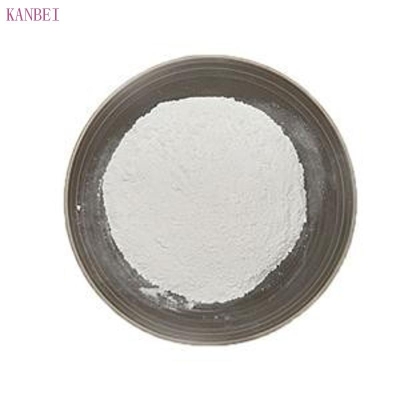
 99% white powder kanbei")
Industrial Grade / 99%

Request for quotation , get quotes from more suppliers.
Source Polypeptide Raw Materials by Region


More Information
Application of polypeptide
With recent advancements in biotechnology, polypeptides have found increasing use as therapeutic agents. They can serve in diagnostic, curative, and preventative applications and can be synthesized artificially to meet clinical demands.
Due to their unique properties, polypeptides combine the characteristics of both small molecule drugs and protein-based therapies, making them a highly researched class of molecules. Insulin, for example, was the first polypeptide drug introduced, and since then, over 80 polypeptide-based drugs have been commercialized. These include peptide vaccines, anti-cancer peptides, antiviral peptides, cardiovascular peptides, cytokine mimetic peptides, antimicrobial peptides, and diagnostic peptides.
One of the major advantages of polypeptide drugs is their reduced likelihood of inducing drug resistance. However, they also pose significant challenges, such as higher toxicity and lower stability compared to other drug types. The immunogenicity and instability of polypeptide drugs are often attributed to chemical reactions like deamidation, oxidation, hydrolysis, and the formation of incorrect structures.
Frequently Asked Questions
A polypeptide is a chain of amino acids linked by peptide bonds, typically shorter than a full protein but longer than a dipeptide or tripeptide. In pharmaceuticals, polypeptides are widely used as active pharmaceutical ingredients (APIs) in peptide-based drugs for treating conditions such as diabetes, cancer, and hormonal disorders. Their high specificity and biocompatibility make them valuable in targeted therapies and biologic drug development.
Synthetic polypeptides for medical applications are primarily produced through solid-phase peptide synthesis (SPPS) or recombinant DNA technology. SPPS allows precise control over sequence and purity, making it ideal for short to medium-length peptides. Recombinant methods are preferred for longer polypeptides. Both processes require strict adherence to Good Manufacturing Practices (GMP) to ensure safety, efficacy, and regulatory compliance.
The quality and stability of polypeptide active pharmaceutical ingredients (APIs) depend on several factors, including amino acid sequence, purity level, moisture content, storage temperature, and exposure to light or oxygen. Impurities from synthesis (e.g., deletion sequences or racemization) can impact biological activity. Proper lyophilization, cold-chain logistics, and formulation with stabilizers are commonly used to enhance shelf life and maintain therapeutic integrity.
When selecting a polypeptide supplier, consider their regulatory certifications (e.g., FDA, EMA, or GMP compliance), experience in custom peptide synthesis, analytical capabilities (HPLC, MS, NMR), scalability from lab to commercial production, and documentation support (e.g., DMFs). A trustworthy supplier should also offer stringent quality control, batch-to-batch consistency, and technical consultation throughout the development process.
Polypeptides play critical roles in biotechnology and medicine, including use as therapeutic agents (e.g., insulin, glucagon-like peptide-1 analogs), vaccine components, diagnostic tools, and drug delivery carriers. They are also employed in research for studying protein-protein interactions, enzyme substrates, and cell signaling pathways. Their versatility supports innovation in precision medicine, regenerative therapies, and personalized treatment approaches.