




Biochemical Engineering
- • Amino Acids and Proteins (230)
- • Nucleic Acid Drugs (17)
- • Enzymes and Coenzymes Drugs (115)
- • Inhibitors (1101)
- • Biological Response Modifiers (15)
- • Fat Medicines (8)
- • Amino Acids and Derivatives (4214)
- • Saccharides (2385)
- • Biochemical Reagents (349)
- • Nucleoside Drugs (355)
- • Condensing Agent (40)
- • Polypeptide (770)
- • Biosynthetic Natural Products (108)
- • Plant Extracts (829)
- • Chinese Herbs (354)
- • Microbiology Reagents (11)
- • Protein Research (34)
- • Lipids (281)
- • Inflammation Mediators (128)
Related News
-
In 2023, the international food price index fell nearly 14% YoY , and only the price index of sugar and rice rose
2024-01-10 -
Shanghai Takes the Lead in Curbing Sugary Beverage Consumption with Innovative Health Warning Labels
2023-10-19 -
Bulgaria plans to introduce regulations on sugar consumption requirements
2022-12-23 -
High sugar prices in Bangladesh show no signs of abating
2022-12-14 -
Detect Sugar In Your Food: New Reagent To Test For Starch Is Here!
2022-10-24 -
Is anti-sugar makeup out of market?
2022-10-21


Saccharides
Saccharides
Get Saccharides Raw Materials by Region2-Deoxyglucose
(154-17-6)-

Pharmaceutical Grade / 99%
-

-

- / 0.00%
-

- / 99.00%


Request for quotation , get quotes from more suppliers.
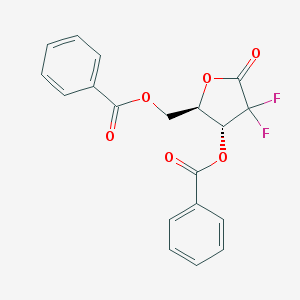
2-Deoxy-2,2-difluoro-D-erythro-pentonic acid γ-lactone 3,5-dibenzoate
(122111-01-7)-

-

- / 99.00%
-

Pharmaceutical Grade / 99%
-

industrial Grade / 98%


Request for quotation , get quotes from more suppliers.
-

- / 99.00%
-

Pharmaceutical Grade / 99%
-

Pharmaceutical Grade / 99%
-

- / 99%


Request for quotation , get quotes from more suppliers.
2-(3,4-Dihydroxyphenyl)-3,5,7-trihydroxy-1-benzopyrylium
(13306-05-3)-

Food Grade / 25%
-
 Elderberry Extract")
Feed Grade / 99%
-

Pharmaceutical Grade / -
-

National Grade / -


Request for quotation , get quotes from more suppliers.
-

- / 99.00%
-

Industrial Grade / 99.0%
-

-


Request for quotation , get quotes from more suppliers.
Source Saccharides Products Supply
-

-

Pharmaceutical Grade / 99%
-

- / 99.00%
-

Pharmaceutical Grade / 99%
$11.88-12.87/KG FOB



Request for quotation , get quotes from more suppliers.
2'-C-Methyluridine
(31448-54-1)-

industrial Grade / 98%
-

Pharmaceutical Grade / 99%
-

Industrial Grade / 99.00%
-


Request for quotation , get quotes from more suppliers.
-

Cosmetics Grade / 99%
-

-

- / 99.00%
-

Pharmaceutical Grade / 99%


Request for quotation , get quotes from more suppliers.
-

- / 99.00%
-

Industrial Grade / 98%
$100/Unit EXW
-

industrial Grade / 98%
-

Pharmaceutical Grade / 99%


Request for quotation , get quotes from more suppliers.
2′-Deoxycytidine-5′-monophosphate
(1032-65-1)-

- / 99.00%
-

Pharmaceutical Grade / 99%
$10.78-11.76/KG FOB
-

Pharmaceutical Grade / 99%
-


Request for quotation , get quotes from more suppliers.
Frequently Asked Questions
Saccharides, also known as carbohydrates, are organic compounds composed of carbon, hydrogen, and oxygen. They are classified based on the number of sugar units: monosaccharides (e.g., glucose, fructose), disaccharides (e.g., sucrose, lactose), oligosaccharides (3–10 units), and polysaccharides (e.g., starch, cellulose). Understanding saccharide classification is essential for applications in food, pharmaceuticals, and biotechnology.
Saccharides are widely used across multiple industries:1. In food and beverage production as sweeteners, thickeners, and stabilizers.2. In pharmaceuticals as excipients, drug delivery agents, or active ingredients.3. In cosmetics for moisturizing and skin-conditioning properties.4. In biotechnology as fermentation substrates for producing biofuels and enzymes.Their versatility makes them critical raw materials in many manufacturing processes.
Selecting a reliable saccharide supplier involves evaluating several key factors:1. Compliance with international quality standards such as ISO, GMP, or FCC.2. Purity and consistency of the saccharide products offered.3. Certifications for food-grade, pharmaceutical-grade, or technical-grade materials as needed.4. Supply chain reliability, including packaging, logistics, and scalability.5. Technical support and documentation (e.g., COA, MSDS).Partnering with a certified and experienced supplier ensures product safety and process efficiency.
Reducing saccharides have a free aldehyde or ketone group that can act as a reducing agent in chemical reactions—common examples include glucose and maltose. Non-reducing saccharides, like sucrose, lack a free reactive group because their anomeric carbons are involved in glycosidic bonds. This distinction affects their reactivity in analytical tests (e.g., Benedict’s test) and their behavior in food processing or pharmaceutical formulations.
Natural and synthetic saccharides may not always be interchangeable due to differences in purity, stereochemistry, regulatory status, and functional performance. For example, naturally derived lactose is commonly used in tablets as a filler, while synthetic alternatives might not meet pharmacopeial standards. Always verify compatibility with your application requirements, regulatory guidelines (e.g., USP, EP), and end-user safety before substitution.