




Cosmetic Ingredient
- • Abrasive (124)
- • Absorbent (84)
- • Anticaking (66)
- • Anticorrosive (25)
- • Antifoaming (19)
- • Antimicrobials (291)
- • Antioxidant Ingredient (393)
- • Antiperspirant (20)
- • Antiplaque (48)
- • Anti-seborrheic (38)
- • Anti-sebum (38)
- • Antistatic (457)
- • Astringent (162)
- • Binding Agent (171)
- • Bleaching Agent (53)
- • Buffering (190)
- • Bulking (109)
- • Chelating (122)
- • Cleansing (680)
- • Cosmetic Colorant (212)
- • Cosmetic Preservative (158)
- • Denaturant (45)
- • Deodorant (98)
- • Depilatory (27)
- • Dissolving Agent (297)
- • Emollient (795)
- • Emulsifying Agent (481)
- • Emulsion Stabilising (153)
- • Exfoliating (19)
- • Film Forming (299)
- • Flavouring (72)
- • Foam Boosting (161)
- • Foaming (101)
- • Fragrance Ingredient (732)
- • Gel Forming (19)
- • Hair Conditioning (672)
- • Hair Dyeing (363)
- • Hair Fixing (36)
- • Hair Waving or Straightening (45)
- • Humectant (281)
- • Hydrotrope (92)
- • Keratolytic (20)
- • Light Stabilizer (77)
- • Moisturising Agent (50)
- • Nail Conditioning (42)
- • Occlusive (20)
- • Opacifying (119)
- • Oral Care (123)
- • Oxidising (19)
- • Perfuming (2106)
- • Plasticiser (98)
- • Propellant (19)
- • Reducing (51)
- • Refatting (12)
- • Refreshing (27)
- • Skin Cleansing (387)
- • Skin Conditioning (1747)
- • Skin Humectant (21)
- • Skin Protecting (281)
- • Smoothing (32)
- • Soothing (72)
- • Tonics (155)
- • UV Filter (33)
- • Viscosity Controlling (530)
Chemicals as Skincare Ingredients
Related News
-
EAEU Initiates Review of Anti-Dumping Measures on Chinese Titanium Dioxide, Suspends Duties During Investigation
2026-08-14 -
Pakistan Launches Successive Anti-dumping Investigations against Chinese Products, Involving Soda Ash, Ibuprofen and Other Raw Materials
2026-08-10 -
Premium Global Chemical Sourcing Requests (6-9Aug, 2026)
2026-08-10 -
Premium Global Chemical Sourcing Requests (17-19Aug, 2026)
2026-08-20 -
Premium Global Chemical Sourcing Requests (13-16Aug, 2026)
2026-08-17 -
US Tariff Pressure on Canada Raises Risks for North American Chemical Supply Chains
2026-08-22


Skin Cleansing
Skin Cleansing
Cocamidopropyl betaine
(61789-40-0)-
 CAS NO: 61789-40-0")
Cosmetics Grade / 35%
-

Cosmetics Grade / 35%
-

Cosmetics Grade / 45%
-

Cosmetics Grade / 35%
$600-730/MT FOB


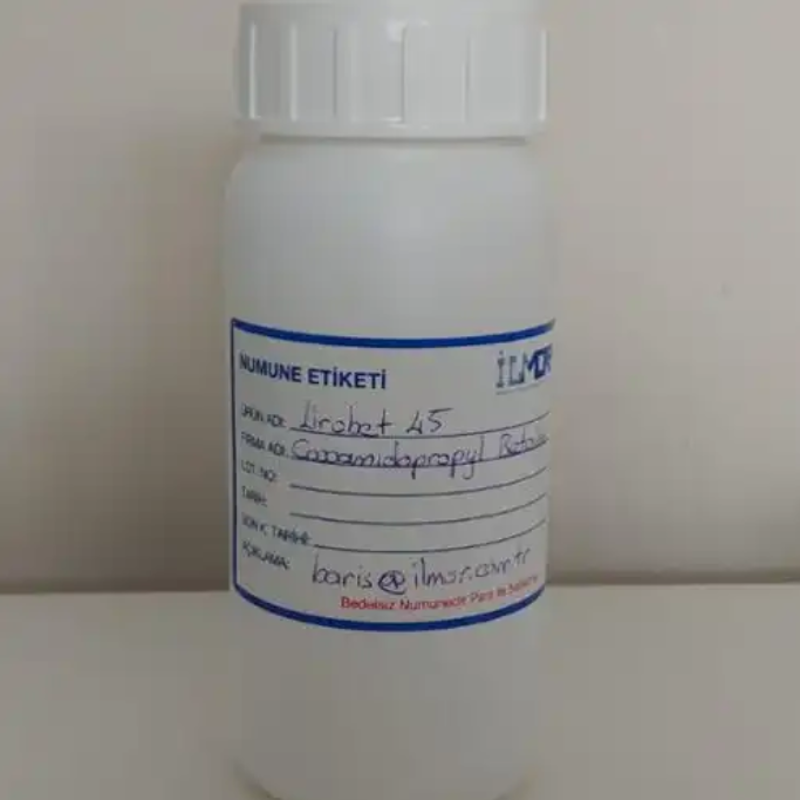
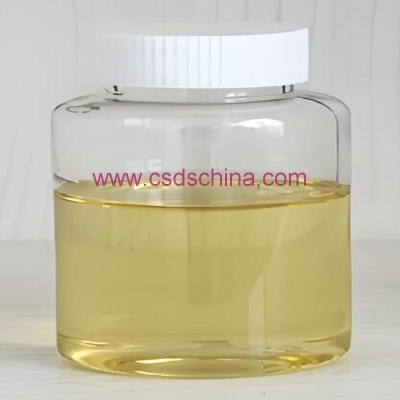
Request for quotation , get quotes from more suppliers.
-

Cosmetics Grade / 99%
-

Cosmetics Grade / 70%
$1000-1300/MT EXW
-

Cosmetics Grade / 99%
$1/KG EXW
-

Industrial Grade / 99%


Request for quotation , get quotes from more suppliers.
Polyoxyethylene sorbitan monooleate
(9005-65-6)-

Cosmetics Grade / 99%
-

Cosmetics Grade or Food Grade / 99%
-

Cosmetics Grade / 99%
-

Food grade,Feed grade, Industrial grade, pharmaceutical grade, cosmetical grade / 100%
$2.1-2.5/KG EXW


Request for quotation , get quotes from more suppliers.
Sodium dodecyl sulfate
(151-21-3)-

Cosmetics Grade / 99%
-

Cosmetics Grade / 99%
-

Cosmetics Grade / 93%
-

Cosmetics Grade / 93%


-

Pharmaceutical Grade / 99%
-
![buy Ethanol, 2-(2-ethoxyethoxy)-, 2''-[(C12-15-branched and linear alkyl)oxy] derivs., hydrogen sulfates, sodium salts]( "Ethanol, 2-(2-ethoxyethoxy)-, 2''-[(C12-15-branched and linear alkyl)oxy] derivs., hydrogen sulfates, sodium salts")
Industrial Grade / 99%
-
![buy Ethanol, 2-(2-ethoxyethoxy)-, 2''-[(C12-15-branched and linear alkyl)oxy] derivs., hydrogen sulfates, sodium salts]( "Ethanol, 2-(2-ethoxyethoxy)-, 2''-[(C12-15-branched and linear alkyl)oxy] derivs., hydrogen sulfates, sodium salts")
-
![buy Ethanol, 2-(2-ethoxyethoxy)-, 2''-[(C12-15-branched and linear alkyl)oxy] derivs., hydrogen sulfates, sodium salts]( "Ethanol, 2-(2-ethoxyethoxy)-, 2''-[(C12-15-branched and linear alkyl)oxy] derivs., hydrogen sulfates, sodium salts")
Industrial Grade / 99%

![buy Ethanol, 2-(2-ethoxyethoxy)-, 2''-[(C12-15-branched and linear alkyl)oxy] derivs., hydrogen sulfates, sodium salts](https://file.echemi.com/fileManage/upload/category/ac71ac0d-8ef6-11ec-89e5-fa163ed06441.png "Ethanol, 2-(2-ethoxyethoxy)-, 2''-[(C12-15-branched and linear alkyl)oxy] derivs., hydrogen sulfates, sodium salts")
![buy Ethanol, 2-(2-ethoxyethoxy)-, 2''-[(C12-15-branched and linear alkyl)oxy] derivs., hydrogen sulfates, sodium salts](https://static-www.echemi.com/static_v3/images/common/defaultGoodsPicSize200_vb7108c.jpg "Ethanol, 2-(2-ethoxyethoxy)-, 2''-[(C12-15-branched and linear alkyl)oxy] derivs., hydrogen sulfates, sodium salts")
Request for quotation , get quotes from more suppliers.
Ethylene oxide-propylene oxide copolymer
(9003-11-6)-
")
Cosmetics Grade / 99%
-

Food Grade / 99%
-

-



-

Pharmaceutical Grade / 99%
-

Reagent Grade / 99%
$7-8/KG FOB
-

- / 95%
-

- / 99.00%


Request for quotation , get quotes from more suppliers.
Myristic acid
(544-63-8)-

Cosmetics Grade / -
-

Cosmetics Grade / 99%
-

Industrial Grade / 99%
-

- / 0.00%



Request for quotation , get quotes from more suppliers.
COCAMIDOPROPYL BETAINE
(83138-08-3)-

Industrial Grade / 99.00%
-

Industrial Grade / 99%
-

-
-N,")
Industrial Grade or Medical grade / 99%

Request for quotation , get quotes from more suppliers.
Polyethylene glycol lauryl ether
(9002-92-0)-

- / 99%
-

Industrial Grade / 99%
-
 CAS 9002-92-0 Nonionic Surfactant & Emulsifier")
Industrial Grade / 99%
-

Industrial Grade / 99%


More Information
There are various types of skin cleansing products, commonly including foaming cleansers, cleansing creams, makeup removers (oil-based), exfoliating scrubs, and peeling gels. Each type of skin cleansing product has its unique characteristics, and the choice depends on specific needs.
For exfoliating cleansers, they effectively remove dirt and dead corneocytes from the skin surface through the friction of fine particles. Targeted cleansers for dry skin, on the other hand, use gentle sugar-based or amino acid-based facial cleansers.
Types of skincare cleansers:
● Foaming Cleansers: Based on soap or other surfactants.
● Emulsion-Based Cleansers: Mainly composed of an emulsion system, incorporating a small amount of cleansing surfactants to form an emulsifying cleansing product.
● Oil-Based Cleansers: Composed of oily ingredients, with added moisturizers, alcohol, or other solvents for cleansing purposes.
Frequently Asked Questions
Skin cleansing is the process of removing dirt, oil, makeup, pollutants, and dead skin cells from the surface of the skin. It is a fundamental step in any skincare routine because it helps prevent clogged pores, acne, and dullness. Proper cleansing also prepares the skin to better absorb serums, moisturizers, and treatments applied afterward.
Dermatologists generally recommend cleansing your skin twice daily—once in the morning to remove overnight oils and once at night to clear away makeup, sunscreen, and environmental impurities. However, over-cleansing or using harsh formulas can strip natural oils, so it’s important to choose a gentle cleanser suited to your skin type.
Common types of skin cleansers include gel, foam, cream, oil-based, micellar water, and exfoliating cleansers. The best choice depends on your skin type:- Oily or acne-prone skin: Gel or foaming cleansers with salicylic acid.- Dry or sensitive skin: Cream or hydrating cleansers with ceramides or glycerin.- Combination skin: Balanced, pH-neutral formulas.- Makeup wearers: Oil-based or micellar cleansers for effective removal without irritation.
Yes, if the wrong product is used or if cleansing is done too aggressively. Harsh surfactants like sodium lauryl sulfate (SLS), hot water, or excessive scrubbing can disrupt the skin barrier, leading to redness, tightness, or flaking. To avoid this, use lukewarm water, gentle circular motions, and fragrance-free, non-comedogenic cleansers formulated for your specific skin concerns.
Look for skin-friendly ingredients such as hyaluronic acid (for hydration), niacinamide (to soothe and brighten), glycerin (a humectant that retains moisture), and mild surfactants like cocamidopropyl betaine. Avoid alcohol denat, synthetic fragrances, and strong sulfates if you have sensitive or reactive skin. For acne-prone skin, consider cleansers with benzoyl peroxide or tea tree oil—but always patch-test first.