What is the Chemical Formula of Aluminium Oxide?
Are you looking up the chemical formula aluminium oxide online? Also referred to as aloxide or alumina, this useful and abundant chemical compound is primarily used in many industries, particularly the ceramics industry. That said, here's everything you need to know about aluminum oxide, including its chemical formula and other information about it in this article.
Chemical Formula Aluminum Oxide: What is it?
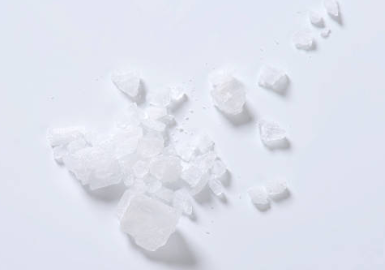
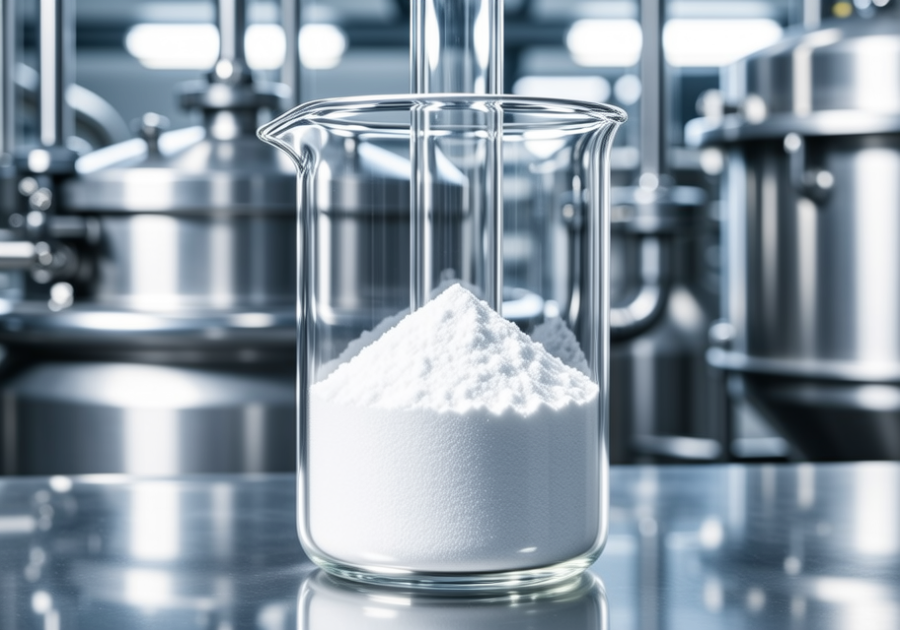
So, what is the chemical formula of aluminium oxide? Its chemical formula happens to be Al2O3. It is a white, unscented, and crystalline powder substance. Furthermore, this substance is known for being an amphoteric material. This means that this substance cannot be dissolved in water.
Aluminum oxide is present in several minerals like bauxite and corundum. And because of its fantastic chemical, mechanical, and thermal properties, many manufacturers utilize aluminum oxide for a wide variety of purposes. Moreover, due to its atmospheric properties, aluminum oxide forms a reaction with acids and basxes.
How is Aluminum Oxide Formed?
This chemical compound can be prepared using a wide variety of methods. However, the method used in making aluminum oxide can provide varied crystalline alterations. That said, aluminum oxide is primarily made using Bayer's method, a process that involves removing bauxite's impurities to create alumina as an end product.
Bayer's method begins by crushing and washing bauxite. The bauxite will then be dried up before it is combined with caustic soda. The mixture will then be subjected to high temperatures before it undergoes the filtering process. In the filtering phase, the mixture's red-colored mud, which is considered the mixture's impure substance, will be taken out.
After removing the impurities in the mixture, the filtered mixture will then be poured into precipitator machines to undergo the cooling and seeding processes. These processes will allow the mixture to solidify into crystals.
Any residual caustic soda is removed from the formed aluminium hydroxide crystals. Afterward, the crystals then undergo more filtering processes before being heated again to take out any remaining moisture. Lastly, the substance will undergo a cooling process before it is transformed into a chemical compound in the form of a white powdery substance.
Uses of Aluminum Oxide
You now know the chemical formula of aluminium oxide. So, what are the uses of aluminum oxide? As previously mentioned, aluminum oxide is widely used in the ceramics industry. After all, alumina is easily attainable and is known for its high hardness levels, making it the perfect substance to use in making ceramic parts.
Besides the ceramics industry, aluminum oxide is also used in the following industries below:
- Electrical Manufacturing: Aluminum oxide's strong dielectric strength and high electrical resistance (even at high temperatures) make as a suitable material to use for spark plugs, heatsink insulators, and more.
- Food Manufacturing: Aluminum oxide serves as an indirect substance utilized in food contact substances.
- Industry Manufacturing: This chemical compound's excellent thermal conductivity and high hardness levels make it the perfect material for thermocouple sheaths, cutting equipment, machine parts, piping parts, and the like.
- Medical Field: Once again, aluminum oxide's hardness and abundance make it the perfect material for creating dental implants and crowns. Outside the dental field, alumina is also used to manufacture prostheses, bionic parts, prosthetic eyeballs, tissue reinforcements, lab tools, and more.
- Protective Equipment Manufacturing: Despite aluminum oxide's hardness, this substance is known for its lightweight quality. That said, aluminum oxide is also used in making body, transportation, and aircraft armor.
That said, if you're planning to use this chemical compound for your creation, you have to make sure that the chemical compound you use has a material grade suited for the product you're making. For instance, you should ensure that you use high-quality pharmacy-grade aluminium oxide when making pharmacy products.
Chemical Formula Aluminium Oxide: Conclusion
With the help of this article, you now know the chemical formula of aluminium oxide. Once again, aluminum oxide has a chemical formula of Al2O3. Although you may be unfamiliar with this substance's chemical formula, it is actually present in a lot of everyday items found in your home.
And when purchasing aluminum oxide to use for your products, make sure to only purchase from reliable distributors. That way, you can guarantee that your products will be of excellent quality.
Looking for chemical products? Let suppliers reach out to you!
You May Interested In


Glow70/KLOW80 99% China Peptides Warehouse Direct Delivery Lyophilized Powder in Stock
$169/UNIT FOB


2026-10-18
Trade Alert
Delivering the latest product trends and industry news straight to your inbox.
(We'll never share your email address with a third-party.)

Related News
-
Sodium Nitrate: Fertilizer, Food Curing, and Explosive History
-
Aluminum Oxide (Al2O3): Abrasive Uses, Ceramic Applications, and Safety
-
Uses and Properties of Copper Acetate
-
Thymol Gel Wins EPA Approval for Beekeepers
-
Sodium Hypochlorite: Uses, Concentration Guide, and Critical Safety Hazards
-
Isopropyl Alcohol (IPA) vs Ethanol: Which Solvent or Disinfectant is Better?
-
Potassium Hydroxide (KOH): Soap Making, Batteries, and Safety
-
Sulfuric Acid (H2SO4): Properties, Battery Uses, and Extreme Safety Hazards
-
What is Trametenolic Acid? (Structure, Sources & Research)
-
Uses and Benefits of Sodium Selenite
Recommend Reading
-
![Sodium Chloride (NaCl): Food Grade vs Industrial Grade Uses & Safety Data]()
Sodium Chloride (NaCl): Food Grade vs Industrial Grade Uses & Safety Data
-
![EDTA (Ethylenediaminetetraacetic acid): Chelation Therapy & Industrial Uses]()
EDTA (Ethylenediaminetetraacetic acid): Chelation Therapy & Industrial Uses
-
![Chemical Raw Materials: How to Source Quality Suppliers & Understand Grades]()
Chemical Raw Materials: How to Source Quality Suppliers & Understand Grades
-
![Magnesium Stearate in Supplements: Is it Safe? (Vegan Status & Function)]()
Magnesium Stearate in Supplements: Is it Safe? (Vegan Status & Function)
-
![Polystyrene (PS): Properties, Foam Applications, and Recycling Challenges]()
Polystyrene (PS): Properties, Foam Applications, and Recycling Challenges
-
![Shandong n-butanol market to see price increase in early September]()
Shandong n-butanol market to see price increase in early September
-
![Business Society September 22, 2026 Palm Oil Trend Analysis: Volatility]()
Business Society September 22, 2026 Palm Oil Trend Analysis: Volatility
-
![Business Society’s September 3, 2026 Adipic Acid Market Outlook: Deep Correction]()
Business Society’s September 3, 2026 Adipic Acid Market Outlook: Deep Correction
-
![Polyester Bottle Flakes in January Show Initial Weakness, Then Strengthen, Climbing to a Peak at Month’s End Before Reversing]()
Polyester Bottle Flakes in January Show Initial Weakness, Then Strengthen, Climbing to a Peak at Month’s End Before Reversing
-
![Business Society’s Market Outlook for Epichlorohydrin on September 4, 2026: Volatile]()
Business Society’s Market Outlook for Epichlorohydrin on September 4, 2026: Volatile