Magnesium Stearate in Supplements: Is it Safe? (Vegan Status & Function)
If you have ever turned over a supplement bottle and noticed magnesium stearate in the ingredient list, you may have wondered whether it is harmful, synthetic “filler,” or incompatible with a vegan lifestyle. The short answer: magnesium stearate is a widely used manufacturing lubricant that plays a technical role in tablet production, is generally recognized as safe at approved levels, and may be either plant- or animal-derived depending on sourcing.
Concerns about absorption, toxicity, or so-called “anti-caking coating” effects are common online, but these claims often lack context. Below is a practical, evidence-informed explanation based on pharmaceutical manufacturing standards and toxicological evaluations from regulatory authorities such as the U.S. Food and Drug Administration (FDA) and the European Food Safety Authority (EFSA).
What Is Magnesium Stearate?
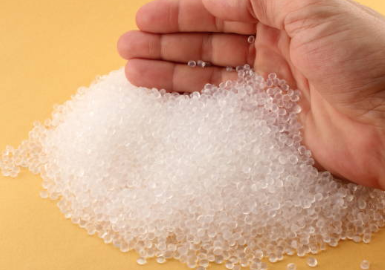
Magnesium stearate is the magnesium salt of stearic acid, a long-chain saturated fatty acid naturally found in foods such as cocoa, palm oil, and animal fats. Chemically, it is produced by combining stearic acid with magnesium, resulting in a fine, white, water-insoluble powder.
In practical terms, its main role is as a lubricant during tablet and capsule manufacturing. Without it, powdered ingredients would stick to machinery, leading to inconsistent tablet weight, surface defects, and production inefficiencies.
Among common magnesium stearate uses are:
- Tablet and capsule lubrication
- Powder flow enhancement
- Prevention of ingredient adhesion to equipment
- Consistency in dosage form manufacturing
In most finished products, magnesium stearate in supplements appears at concentrations typically below 2% of total weight.
The “Anti-Caking” Myth
A frequent claim online suggests magnesium stearate forms a harmful “coating” in the digestive tract, blocking nutrient absorption. This interpretation misunderstands its physical behavior.
Magnesium stearate functions primarily as a manufacturing lubricant, not as a digestive barrier. It reduces friction between powder particles and industrial equipment during compression. Once ingested, it dissociates into magnesium and stearic acid components.
Stearic acid itself is a naturally occurring fatty acid regularly consumed in the diet. Scientific evaluations have not demonstrated meaningful impairment of nutrient absorption at the small amounts used in supplements. In fact, pharmaceutical development studies specifically test dissolution rates to ensure tablets release active ingredients appropriately.
If excessive amounts were used during production, dissolution could theoretically be affected. However, good manufacturing practice (GMP) standards strictly control excipient levels to maintain product performance.
Vegan Concerns: Is Magnesium Stearate Vegan?
One of the most practical consumer questions is whether magnesium stearate vegan status can be guaranteed. The answer depends on the source of the stearic acid.
Stearic acid may be derived from:
- Plant sources (such as palm or coconut oil)
- Animal fats
Chemically, the final magnesium stearate molecule is identical regardless of origin. However, from an ethical or dietary standpoint, sourcing matters. Many supplement manufacturers now specify plant-derived stearic acid to meet vegan and vegetarian labeling standards.
Consumers who follow strict vegan diets should look for products labeled “vegan” or contact the manufacturer directly to confirm raw material sourcing.
| Aspect | Key Information |
|---|---|
| Primary Function | Lubricant in tablet/capsule manufacturing |
| Typical Use Level | Usually <2% of total formulation |
| Source Variability | Plant-based or animal-derived stearic acid |
| Regulatory Status | Generally recognized as safe at approved levels |
Digestibility and Absorption
Concerns about digestibility often focus on whether magnesium stearate interferes with nutrient uptake. From a biochemical perspective, stearic acid is metabolized like other dietary fatty acids. It is broken down during digestion and absorbed or utilized as energy.
The magnesium contribution from magnesium stearate is nutritionally negligible due to its small quantity. Studies examining magnesium stearate side effects at typical supplemental exposure levels have not identified clinically significant risks in healthy individuals.
As with any excipient, extremely high intake far beyond standard manufacturing use could pose concerns, but such levels are not encountered in properly formulated dietary supplements.
Safety Overview
Regulatory authorities have evaluated magnesium stearate for decades. It is widely used in both pharmaceutical and dietary supplement industries globally. Safety assessments consider toxicology data, metabolic breakdown, and long-term exposure patterns.
Current consensus among regulatory agencies supports its safety when used within established manufacturing limits. For individuals with specific medical conditions or multiple supplement use, consulting a healthcare professional is always advisable.
Conclusion
Magnesium stearate serves a technical and necessary role in supplement production. It is not a filler designed to dilute potency, nor does credible evidence support claims that it blocks nutrient absorption at standard levels.
For most consumers, the primary consideration is sourcing rather than safety. Those following vegan diets should verify plant-based origin, while others can be reassured that regulatory bodies recognize its safety under controlled use.
Is magnesium stearate harmful in supplements?
At typical manufacturing levels, magnesium stearate is considered safe by regulatory authorities. It is used in small amounts to improve tablet production and does not pose known health risks in healthy individuals.
Does magnesium stearate affect nutrient absorption?
Scientific evidence does not support meaningful interference with nutrient absorption when used at standard supplement concentrations.
Is magnesium stearate vegan?
Magnesium stearate can be either plant- or animal-derived. Consumers seeking vegan products should confirm that the stearic acid source is plant-based.
Looking for chemical products? Let suppliers reach out to you!
You May Interested In


Glow70/KLOW80 99% China Peptides Warehouse Direct Delivery Lyophilized Powder in Stock
$1.8E+2/UNIT FOB


2026-09-02
Trade Alert
Delivering the latest product trends and industry news straight to your inbox.
(We'll never share your email address with a third-party.)

Related News
-
What Is The Chemical Formula For Magnesium Stearate
-
Silver Nitrate: Medical Uses, Photography History, and Staining Properties
-
Phosphoric Acid: Uses in Cola, Rust Removal, and Fertilizers Explained
-
Cocamidopropyl Betaine: Uses, Benefits, and Safety
-
Potassium Carbonate: Properties, Uses, and Applications
-
Calcium Sulfate: Properties, Construction Applications & Safety Tips
-
Hydrobromic Acid: Properties, Uses, and Safety
-
Dimethyl Carbonate: Properties and Industrial Applications
-
Applications of Caesium Iodide
-
Potassium Bicarbonate Uses: Baking, Industrial Applications & Tips
Recommend Reading
-
![Polyvinyl Acetate Uses: Adhesives, Industrial Applications & Safety]()
Polyvinyl Acetate Uses: Adhesives, Industrial Applications & Safety
-
![Chemical Properties and Uses of Tetraetil]()
Chemical Properties and Uses of Tetraetil
-
![Fipronil: Uses, Safety, and Environmental Impact]()
Fipronil: Uses, Safety, and Environmental Impact
-
![Ethylene Glycol: Production, Uses, and Safety]()
Ethylene Glycol: Production, Uses, and Safety
-
![PVEF Polymer: Structure, Properties, and Industrial Applications]()
PVEF Polymer: Structure, Properties, and Industrial Applications
-
![Supply Eases, Acrylonitrile Market Continues to Decline in China]()
Supply Eases, Acrylonitrile Market Continues to Decline in China
-
![Lido Limited: Polyethylene Operates Weakly]()
Lido Limited: Polyethylene Operates Weakly
-
![This Week's PVC Market Stabilizes in China (10.20-24)]()
This Week's PVC Market Stabilizes in China (10.20-24)
-
![This week, the polyester bottle chip market in China showed a trend of first declining then rising (10.20-24)]()
This week, the polyester bottle chip market in China showed a trend of first declining then rising (10.20-24)
-
![Cost-Side Impact: Asphalt Market Shows Slight Recovery After Prolonged Decline]()
Cost-Side Impact: Asphalt Market Shows Slight Recovery After Prolonged Decline