World food prices fell in December 2022

You May Interested In


High Quality β-Nicotinamide adenine dinucleotide CAS 53-84-9 NADwith ready stock and best price
$3/UNIT FOB


2026-10-08
Trade Alert
Delivering the latest product trends and industry news straight to your inbox.
(We'll never share your email address with a third-party.)

Related News
-
From Feedmill to Food System: VIV Europe 2026 Addresses the Industry's Most Critical Challenges
-
Do You Know the Food Zero Additives?
-
Acrylamide Alert: 59 Coffees in Fuzhou Show Trace Amounts, Sparks Consumer Concern
-
Colombia introduces tax on ultra-processed foods
-
Warnings Raised About 'Eco' Cups Containing Toxic Resin
-
Australian Health Bodies Call for Removal of 'Low Sugar' Labels on Alcohol
-
Exploring the Promise of a New Animal-Free Fat for Plant-Based Meats: Does It Deliver the Real Taste of Chicken?
-
Nutritional Psychiatry Researcher Felice Jacka Addresses the Impact of Ultra-Processed Foods on Brain Health
-
Updates to Maximum Residue Limits for Agricultural and Veterinary Chemicals in Australia and New Zealand
-
Shanghai Takes the Lead in Curbing Sugary Beverage Consumption with Innovative Health Warning Labels
Recommend Reading
-
![Lilly Bets Bigger on China]()
Lilly Bets Bigger on China
-
![Cracking Europe: When the Chemical Empire Loses Its Heat]()
Cracking Europe: When the Chemical Empire Loses Its Heat
-
![Hormuz Closure Raises Cold-Chain Risk]()
Hormuz Closure Raises Cold-Chain Risk
-
![Middle East Conflict Hits China Seafood Trade]()
Middle East Conflict Hits China Seafood Trade
-
![US Tariff Refunds Could Reshape Seafood Trade]()
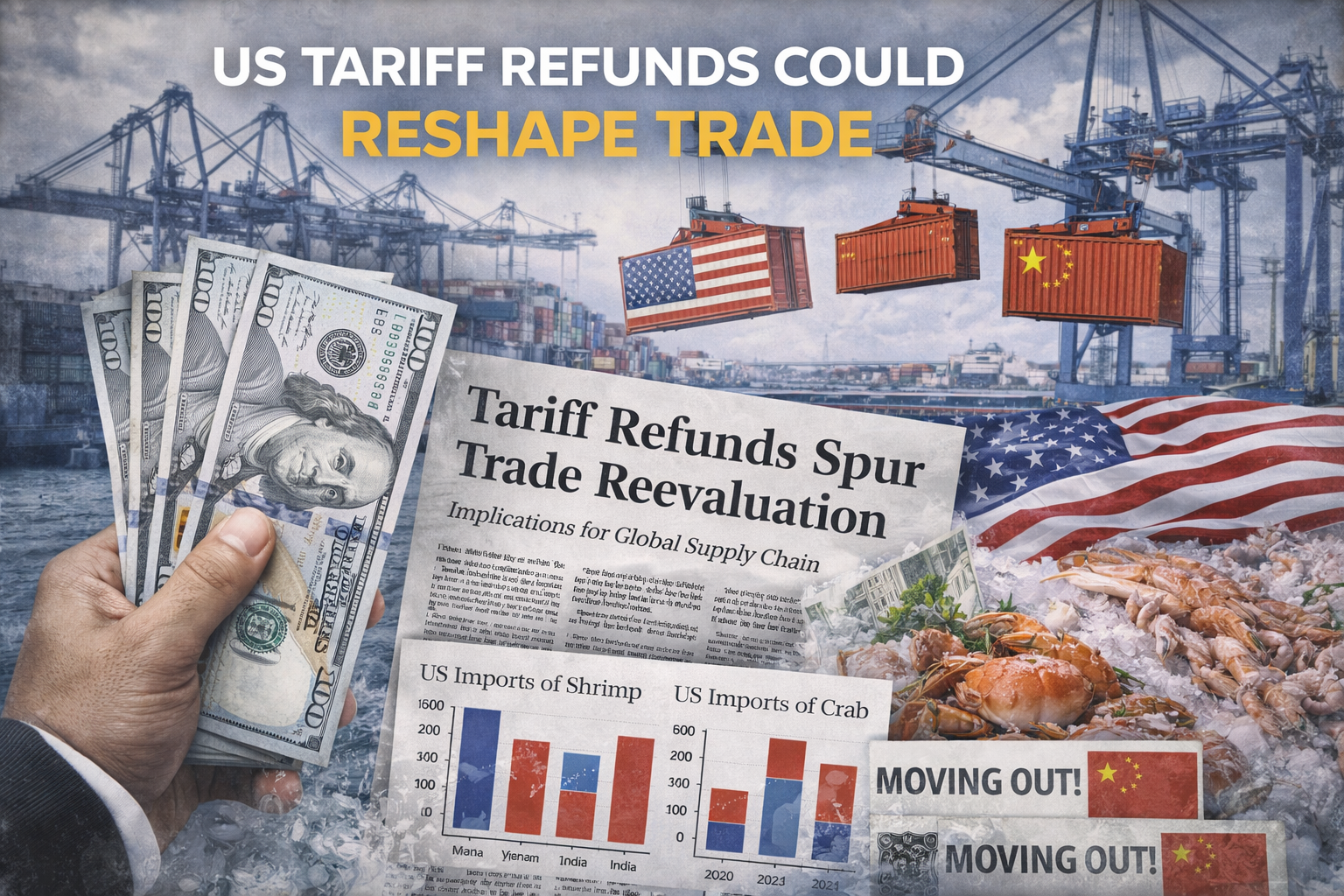
US Tariff Refunds Could Reshape Seafood Trade
-
![Entering the Off-Season for Consumption, ABS Prices Continue to Fall in May]()
Entering the Off-Season for Consumption, ABS Prices Continue to Fall in May
-
![Supply and Demand Boost Formic Acid Prices Gradually in China]()
Supply and Demand Boost Formic Acid Prices Gradually in China
-
![May China Maleic Anhydride Market Trend Fluctuates and Rises]()
May China Maleic Anhydride Market Trend Fluctuates and Rises
-
![Business Society’s Trend Analysis for Fuel Oil 180CST on September 18, 2026: Fluctuating with a Tendency to Strengthen]()
Business Society’s Trend Analysis for Fuel Oil 180CST on September 18, 2026: Fluctuating with a Tendency to Strengthen
-
![This Round of Retail Oil Prices Achieves]()
This Round of Retail Oil Prices Achieves "Five Consecutive Increases"