




Inventory of FDA-approved ADC drugs
Antibody-drug conjugates (ADCs) are the use of specific linkers to link antibodies and small molecule cytotoxic drugs, and their main components include antibodies, linkers, and small molecule cytotoxic drugs.
Antibody molecules mainly play the role of targeted transmission, while small molecule drugs play the role of therapeutic effect.
However, some antibodies also have anti-tumor effects.
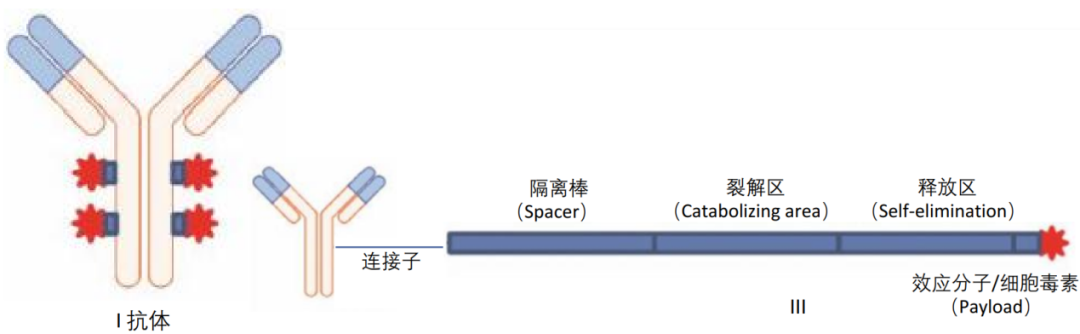
Figure 1 ADC drug structure
Image source: Toupanther Research Institute report
Compared to other chemotherapy drugs, ADC drugs greatly improve the specificity of administration through specific binding of antigens and antibodies.
The antibody binds to a specific antigen on the tumor cell membrane and induces endocytosis, allowing the antibody and cytotoxic small molecule drugs attached to it to enter the cell and then undergo lysosomal degradation.
Small molecule drugs are released into cells to induce apoptosis through DNA insertion or inhibition of microtubule synthesis.
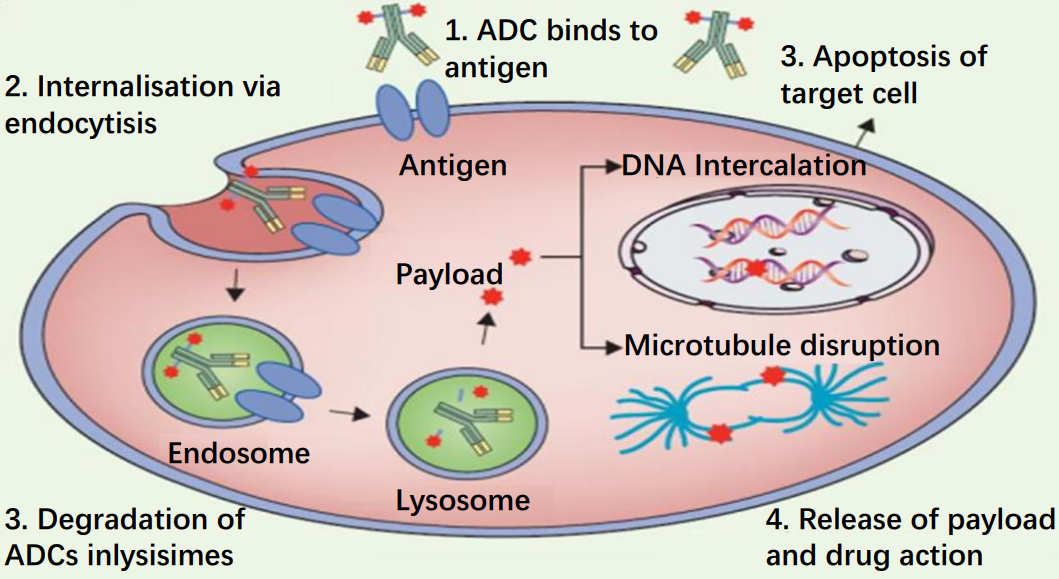
Figure 2 Mechanism of action of ADC drugs
Image source: Toupanther Research Institute report
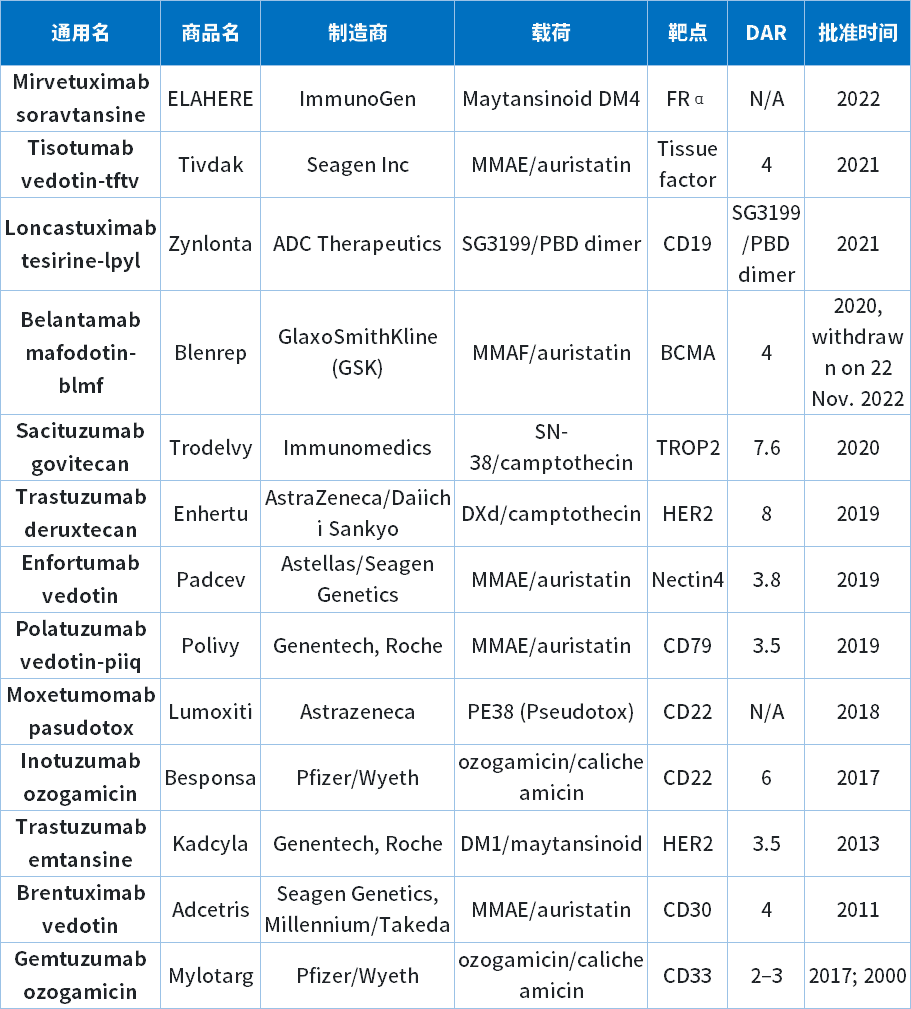
As the hottest research topic, ADC technology aims to target and kill only cancer cells without harming healthy cells. After more than 10 years of development, at present, the FDA has approved a total of 13 ADC drugs (Table 1).
Table 1 FDA-approved ADC drugs
In 2022
The FDA approves only one ADC drug
In 2022, the FDA approved only 1 ADC drug, ELAHERE (Mirvetuximab soravtansine-gynx).
The drug was developed by ImmunoGen, Inc., a U.S. partner of Hangzhou Sino-American Huadong Pharmaceutical Co., Ltd., a wholly-owned subsidiary of Huadong Pharmaceutical Co., Ltd., and is the world's first ADC drug for the treatment of platinum-resistant ovarian cancer.
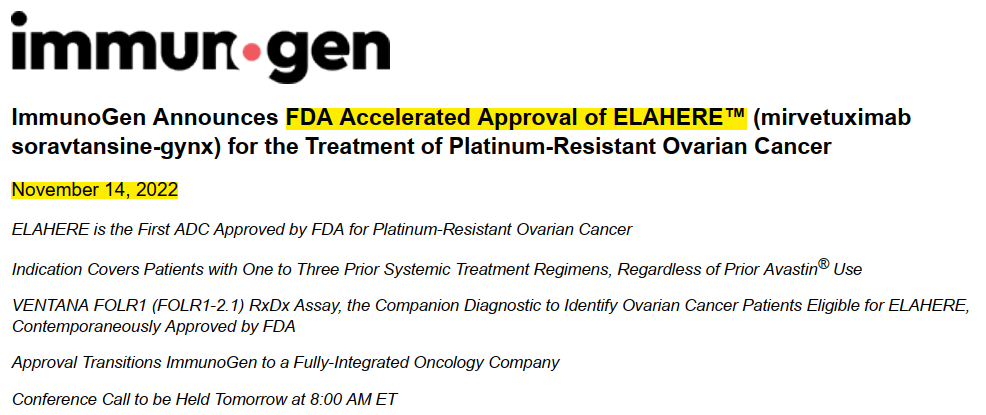
Figure 3 ELAHERE received accelerated FDA approval
Image credit: Immunogen
The FDA's accelerated approval of Elahere is primarily based on Study 0417 (NCT04296890). This is a single-arm trial involving 106 patients with FRα-positive, platinum-resistant epithelial ovarian, fallopian tube, or primary peritoneal cancer. Patients are allowed to receive up to three lines of systemic therapy. All patients require bevacizumab.
The trial enrolled patients whose tumors were determined to be positive for FRα expression. Patients receive ELAHERE 6 mg/kg (based on adjusted ideal body weight) intravenously every three weeks until disease progression or unacceptable toxicity. Tumor response assessments were performed every 6 weeks for the first 36 weeks and every 12 weeks thereafter.
The results showed that in a population (104 patients) with evaluable efficacy to platinum-resistant drugs, measurable disease, and at least one treatment, the confirmed overall response rate (ORR) was 31.7% (95% CI: 22.9, 41.6) and the median duration of response (DOR) was 6.9 months (95% CI: 5.6, 9.7).
The most common (≥20%) adverse effects of ELAHERE include visual disturbance, fatigue, increased aspartate aminotransferase, nausea, increased alanine aminotransferase, keratopathy, abdominal pain, lymphopenia, peripheral neuropathy, diarrhea, decreased albumin, constipation, increased alkaline phosphatase, dry eye, decreased magnesium, leukopenia, neutropenia, and decreased hemoglobin.
Development of ADC drugs in China
In 2021, the global ADC drug market size was approximately $5.2 billion; China's ADC drug market size was about RMB4.2 billion in 2020 and is expected to reach RMB9.25 billion in 2025, with an expected growth rate of 17.1% from 2021 to 2025.
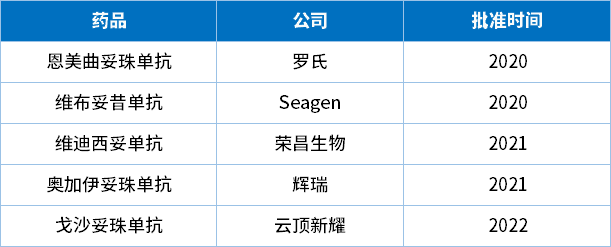
Since the approval of the first ADC product, enmetrastuzumab, in January 2020, China has approved 11 indications of 5 ADC products in more than two years.
At present, there are also ADC candidates with multiple targets in the phase III stage, and the overall pipeline is rich.
Table 2 ADC drugs approved in China
However, the target and indication layout of China's ADC drug industry has appeared obvious clustering, and the competition is significant.
In terms of indications, it is mainly concentrated in the field of tumor treatment, and about 95.2% (nearly 500 products) of pipeline layout indications are tumors, followed by autoimmune diseases, accounting for about 10 items in preclinical conditions.
In terms of targets, it mainly focuses on HER2 targets, accounting for about 38.4%, and the cumulative number of products has reached about 60 products; EGFR targets accounted for about 11.9%, reaching about 20 product projects. None of the remaining targets exceed 10%.
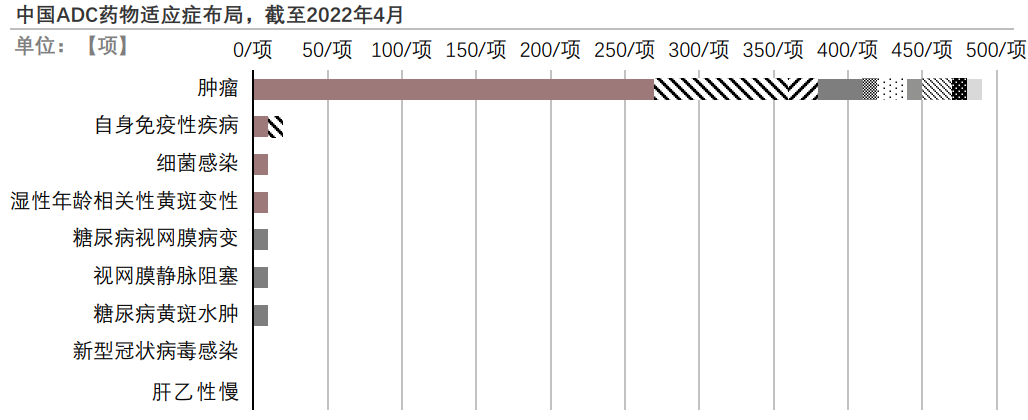
Figure 4 ADC drug layout in China
Image source: Toupanther Research Institute report
ADC drug development difficulties
It has been more than 100 years since the concept of ADC was proposed, but there are still few varieties on the market, and most of the varieties being studied are still in their early stages.
The main reason is that the development of ADC drugs is difficult and the technical barriers are high. After the ADC drug enters the human body, it needs to go through multiple steps to be effective, and each step has technical difficulties to overcome.
Despite the increasing number of approved ADCs, challenges remain for ADCs that demonstrate superior safety and efficacy in the clinic.
An unexpected problem that many developers face during clinical evaluation is that ADCs do not show benefit compared to controls, such as Rovalpitumab tesirine (RovA-T). Phase I trials reported an 18% ORR that could be assessed in patients and 38% ORR in patients with high expression of DLL3.
However, because the results of the phase II trial TRINITY (NCT02674568) raised safety and efficacy questions, the trial did not meet the primary endpoint and reported high toxicity rates. The most common event in patients was pleural effusion, which is thought to be toxic associated with PBDE dimers. Ultimately, the results of the Phase 3 trials TAHOE (NCT03061812) and MERU (NCT03033511) led AbbVie to completely stop the development of RovA-T due to the lack of survival advantage compared to the control group.
Another challenge with ADCs is off-target toxicity, which is caused by the premature release of cytotoxic small molecules into the bloodstream. Antibodies are a clumsy means of transport that makes it difficult to get into tumor tissue, with an estimated 0.1% of drugs reaching tumor tissue. To ensure that the other 99 percent of highly toxic warheads do not introduce systemic toxicity, the chemical connection between the warhead and the antibody must be sufficiently stable. However, in order to release the warhead in the cell without being very stable, this obviously poses a problem for drug design.
In addition, ADCs are easy to aggregate. Aggregation of ADCs leads to modifications, reducing their ability to bind antigens. Protein aggregation is a major obstacle to ADC development. It can occur at every stage as well as during transportation and long-term storage. Aggregation is immunogenic. In addition, protein aggregation can lead to product loss. Overall, any chemical or physical degradation leads to structural changes in the ADC and leads to excessive aggregation of proteins.
In addition to the above problems, ADC drugs also face the problems of drug resistance and immunogenicity.
Despite many challenges, this is an era of innovative drugs, the update and iteration of different technologies, and ADCs need wider clinical coverage and confirmation as more problems are deeply studied.
In the future, ADC drugs will have great potential in the anti-tumor market.

You May Interested In


SS-31 Cosmetic peptides, discounted price improving cognitive impairment factory supply
$8E+1/UNIT FOB


2026-09-19
Trade Alert
Delivering the latest product trends and industry news straight to your inbox.
(We'll never share your email address with a third-party.)

Related News
-
Egyptian Pharmaceutical Market Research
-
CPHI China 2023 | At the Heart of Pharma
-
A Guide Into What the Pharmaceutical Use of Hexamine Is
-
In line with the 8201, Hengrui Pharmaceutical plans the HER2 ADC in this way
-
$50 billion in products were 'returned' to rationalize those blockbuster BD deals
-
Tronsound long-acting IL-36R antibody obtained FDA clinical IND
-
Dapagliflozin is approved in the EU for the treatment of symptomatic chronic heart failure
-
The FDA accepted Zuranolone's NDA application and granted it priority review rights for the treatment of MDD and PDD
-
Asia Hong Pharma announced that it has co-developed an innovative tumor therapy based on AI+RNA technology route with ReviR
-
Ribo Biologics announced that the world's first FIH application for a siRNA drug targeting FXI has been successfully approved by HREC in Australia
Recommend Reading
-
![Japan Tightens the Rules—Then Loosens Them: A Surprising Shift in Food Additive Policy]()
Japan Tightens the Rules—Then Loosens Them: A Surprising Shift in Food Additive Policy
-
![The End of Hype: Europe’s Bio-stimulant Industry Faces a Science-First Reckoning by 2030]()
The End of Hype: Europe’s Bio-stimulant Industry Faces a Science-First Reckoning by 2030
-
![A Fake Email Drains RMB 12 Million: Asia’s Waterproof Giant’s Overseas ‘Payment Heist’ Exposes the Fatal Blind Spot of Chinese Corporate Globalization]()
A Fake Email Drains RMB 12 Million: Asia’s Waterproof Giant’s Overseas ‘Payment Heist’ Exposes the Fatal Blind Spot of Chinese Corporate Globalization
-
![FDA Orders Removal of “Suicidality Warning”: Are Weight-Loss Blockbusters Finally Cleared—or Is Regulators Giving the Market a Reality Check?]()
FDA Orders Removal of “Suicidality Warning”: Are Weight-Loss Blockbusters Finally Cleared—or Is Regulators Giving the Market a Reality Check?
-
![FDA Names Veteran Oncology Regulator Pazdur as Director of Drug Review Center]()
FDA Names Veteran Oncology Regulator Pazdur as Director of Drug Review Center
-
![Polyethylene Probes Bottom and Recovers, Sustainability Remains Uncertain]()
Polyethylene Probes Bottom and Recovers, Sustainability Remains Uncertain
-
![Polyester Bottle Flakes Show Intraday Volatility and Strength on the 23rd, Closing Higher at Late Trading Hours]()
Polyester Bottle Flakes Show Intraday Volatility and Strength on the 23rd, Closing Higher at Late Trading Hours
-
![Costs Strongly Support, China's Gasoline and Diesel Prices Surge]()
Costs Strongly Support, China's Gasoline and Diesel Prices Surge
-
![Sulfuric Acid (H2SO4): Properties, Battery Uses, and Extreme Safety Hazards]()
Sulfuric Acid (H2SO4): Properties, Battery Uses, and Extreme Safety Hazards
-
![Insufficient Demand, Cyclohexane Market Maintains Stable Operation Overall in China]()
Insufficient Demand, Cyclohexane Market Maintains Stable Operation Overall in China









- Hot Searches
- phenol price
- emulsifiers for cosmetics
- tirzepatide 60mg peptide
- where can i get retatrutide peptide
- retatrutide buy usa
- who sells the best peptides
- reta peptides where to buy
- sds calcium carbide
- ammonium nitrate fertilizer price
- dapagliflozin propanedio
- formic acid price
- bioglutide buy online