What is the reason why limestone reacts when mixed with HCL?
You might be thinking: why does limestone react with hcl acid? What does it have that makes this reaction happen? These may be some of the questions that you have in your mind. It's fascinating to see what happens when limestone is mixed with hydrogen chloride.
Perhaps you are all too familiar with the term "limestone." It is present all around us. Similarly, we all know that we have encountered HCL in our lives at least once. And when the two came into contact with each other, a scientific change could surely be observed. This article will help you learn more about these two materials and why does limestone react with hcl acid.
Limestone: Getting to know your rock.
Rock has three classifications: igneous, sedimentary, and metamorphic. Among this classification, limestone belongs to the second one, which is sedimentary.
Sedimentary rocks are formed from accumulating materials from other rocks that undergo erosion and are transformed when compacted with heat and pressure. Sedimentary rock may also contain remains of previously alive animals.
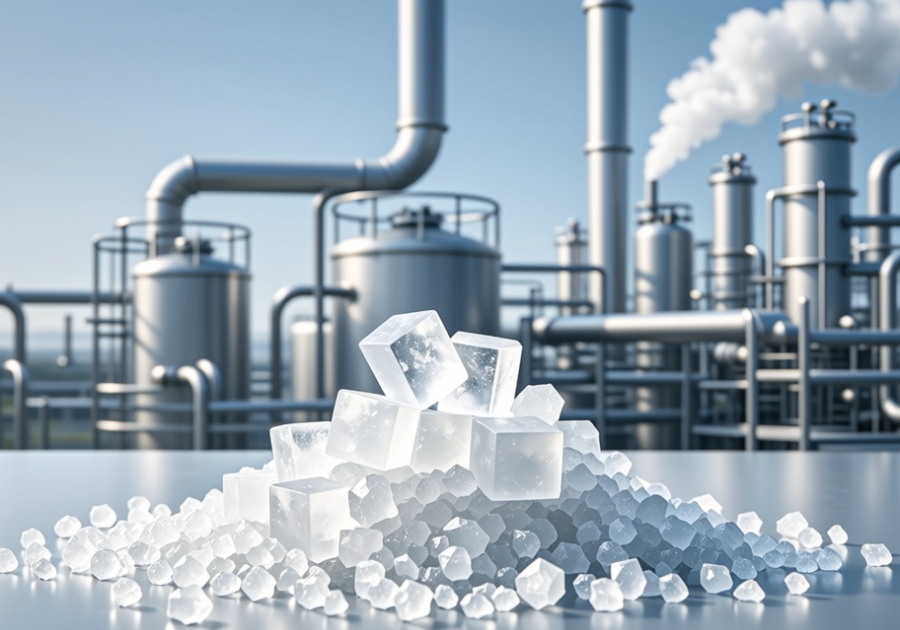
This is where limestone belongs. It is made from previous rocks made from the chemical calcium carbonate. CaCO3 is its chemical formula. This type of rock is commonly located in clear and warm waters, which makes rock texture a little coarse.
If you are not too familiar with it, you've probably come across of it. It is commonly used in architecture and art. Since it is an excellent source of calcium oxide, it is also used in creating steel, paper, plastic, and glass. It can also be used in mining, agriculture, and water treatment.
In names, it can also be tagged as calcium carbonate rocks with varieties under it, such as tufa, chalk, micrite, caliche, and travertine.
Reintroducing HCL: The Acid
Hydrochloric Acid, or HCL for short, is a type of acid that is colorless and corrosive. It is commonly known in the name muriatic acid. It has one atom of hydrogen and one atom of chlorine when combined causes the creation of the acid.
HCl is popular and has been used in many industries for bleaching, alkaline agents, food, metal, textiles, cleaning, and many more.
Mixing Limestone and Hydrochloric Acid: Its Effect
For the common question, wwhy does limestone react with hcl acid? It is because of their chemical composition.
As mentioned, limestone is made from calcium carbonate. And if you don't know, calcium carbonate is considered as metal. That is why limestone is helpful for steel production.
Any metal mixed with acid, like hydrochloric acid, will create a fizzling reaction. As the limestone slowly dissolves, the chemical reaction produces carbon dioxide gas.
Dissolving Limestone with HCL
You can watch firsthand how the chemical reaction takes place. All you need is a couple of materials and chemicals, and you can experiment by yourself. To do this, you have to have the following:
Limestone (can be marble)
Hydrochloric acid or muriatic acid
Spatula
Test tube
Cylinder
beaker
weighing scale
timer
gloves
googles
Now that you have the materials, you can experiment. Here are the steps you can follow:
Set up a test tube.
Using the weighing scale, measure 1g of limestone.
Using a cylinder, measure 5 mL of HCL and place it in the beaker.
Put the limestone in the test tube.
Add the HCL.
Wait for the reaction to take place.
Experiment preparation: Where to Buy?
If you don't know where to purchase this chemical, then we can help you. You can search for hundreds of chemicals to use in your experiment on echimi.com. As a chemical industry business, they specialize in selling these chemicals and have high standards for keeping and delivering these materials. Here are some of the chemicals you can find here.
Calcium Carbonate: As limestone is made of calcium carbonate, you can find it here. The product sold comprises 99.8% of its content in powder form. The product is sold in a 25 kg bag at $12. In appearance, it is powder white and odorless.
This colorless yet pungent-smelling acid is sold in drams and cans at a price between $90 and $117-an inorganic material with a density of 1.18 and category 3 toxicity.
Now that you've learned why calcium carbonate rock reacts when mixed with muriatic acid, you can teach this knowledge to other people. Be careful when using this acid as a cleaning agent, or your walls or floors, which might be made from limestone, may dissolve.
Product
2. https://www.echemi.com/produce/pr2204091161-hydrochloric-acid-33-white-to-off-yellow.html
Looking for chemical products? Let suppliers reach out to you!
You May Interested In


Glow70/KLOW80 99% China Peptides Warehouse Direct Delivery Lyophilized Powder in Stock
$169/UNIT FOB


2026-10-22
Trade Alert
Delivering the latest product trends and industry news straight to your inbox.
(We'll never share your email address with a third-party.)

Related News
Recommend Reading
-
![Premium Global Chemical Sourcing Requests (5-9 Jan, 2026)]()
Premium Global Chemical Sourcing Requests (5-9 Jan, 2026)
-
![Premium Global Chemical Sourcing Requests (3-7 Nov 2025)]()
Premium Global Chemical Sourcing Requests (3-7 Nov 2025)
-
![Change Rate Remains Positive, This Round of Refined Oil Retail Prices in China Is About to Increase]()
Change Rate Remains Positive, This Round of Refined Oil Retail Prices in China Is About to Increase
-
![Vendor Shipment Surge Halts Mid-October PC Price Increase]()
Vendor Shipment Surge Halts Mid-October PC Price Increase
-
![Ammonium Sulfate Market Shows Strong Increase (1.5-1.12)]()
Ammonium Sulfate Market Shows Strong Increase (1.5-1.12)