Cleaner And Cheaper Energy: Limestone And Hydrochloric Acid
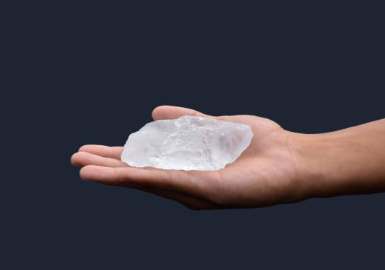
Cleaner and cheaper energy has always been achievable through limestone and hydrochloric acid. The two substances have been used for centuries to produce energy, and their effectiveness is still being researched today. The byproducts of these processes are both environmentally friendly and cost-effective. Limestone is a sedimentary rock that originates from the Earth's surface. It is composed of calcium carbonate, which makes it an excellent source of raw materials for the production of cement, glass, and other products. Hydrochloric acid is produced when water interacts with limestone. This reaction produces HCl gas, which can be used to generate electricity or thermal energy. The byproducts of these processes are both environmentally friendly and cost-effective. Limestone is a sedimentary rock that originates from the Earth's surface.
How limestone can be used to produce cleaner and cheaper energy
Limestone is a crucial ingredient in the production of cleaner and cheaper energy. Limestone can be used to produce both electricity and petrol, making it an essential part of the global energy mix. Extracting limestone from the ground produces carbon dioxide, but this gas can be captured and used to produce power. This makes lime an environmentally friendly way to have energy. Additionally, using limestone to generate power reduces reliance on fossil fuels.
Meanwhile, hydrochloric acid is a common chemical used in many industries to clean and disinfect surfaces. Using limestone to produce hydrochloric acid involves crushing the rock until it breaks down into small pieces. The small pieces then release the hydrochloric acid when contacted with water. In addition, hydrochloric acid can be used to create energy by breaking down natural gas or oil into molecules that are easier to burn.
This process has several benefits over traditional methods of producing energy. First, it is clean and environmentally friendly. Second, it is more cost-effective than other methods of producing energy due to the lower cost of limestone.
Cleaner and cheaper energy: What is limestone?
Cleaner and cheaper energy are possible with the use of limestone. This natural resource is high in calcium and magnesium, essential for producing hydrochloric acid. This chemical is a significant component of most cleaning solutions, and its production creates little environmental impact. Therefore, using limestone to produce hydrochloric acid can create a cleaner environment without spending excessive money on energy resources. Additionally, this process is environmentally friendly as it does not rely on fossil fuels.
What are the benefits of using limestone and hydrochloric acid to clean energy resources?
Limestone is a naturally occurring substance abundant in many areas of the world. It has been used to clean oil refineries and other industrial sites for many years. Hydrochloric acid is also a naturally occurring substance, and it is used to clean water supplies. Both senses effectively remove oil, grease, dirt, and other debris from energy resources.
What are the benefits of using limestone in energy production?
The use of limestone in energy production has several benefits. It can be used to produce both electric and thermal energy, and it is environmentally friendly because it does not produce emissions. Additionally, extraction from the ground is relatively easy, which means that it can be used in places where other forms of energy are not possible or desirable.
As the world's leading producer of limestone, China has played an essential role in developing energy production using this resource. Hydrochloric acid is a byproduct of the mining and processing of limestone, and its widespread use in energy production can be traced back to the late 19th century. Today, hydrochloric acid is a standard tool in the environmental engineering arsenal. It can clean up oil spills, neutralize hazardous pollutants, and even break down carbon dioxide into harmless compounds.
The primary benefit of using limestone in energy production is its ability to produce powerful acids. Hydrochloric acid is a potent oxidizer and can break down crude oil into molecules that are easier to remove from water bodies. Moreover, hydrochloric acid can also clean up environmental pollution such as sulfur dioxide and nitrogen oxide.
How is limestone used to produce energy?
Hydrochloric acid is a common acid used in many industrial processes and cleaning. It is also used to make limestone, then turned into building materials like cement and plaster. Limestone is mined from the Earth and contains a lot of calcium carbonate, which can be turned into lime by adding water. This makes hydrochloric acid necessary to break down the calcium and carbon dioxide bonds in the limestone, releasing energy in the form of hydrogen gas.
Conclusion
In conclusion, both limestone and hydrochloric acid have the potential to be cheaper and more environmentally friendly sources of energy. These two elements offer cleaner and cheaper energy. Limestone is a renewable resource that can be used to produce electricity, while hydrochloric acid is a chemical made from natural gas. Additionally, it is essential to note that not all types of limestone are equal in their ability to produce energy. It is also essential to consider the environmental impact of using these methods of energy production. Both elements have their advantages and disadvantages, but they could provide a more sustainable and affordable energy source for the future.
Looking for chemical products? Let suppliers reach out to you!
You May Interested In


2026-10-10
Trade Alert
Delivering the latest product trends and industry news straight to your inbox.
(We'll never share your email address with a third-party.)

Related News
-
Is HCL an Acid or Base? | Explained with Theory
-
What is the reason why limestone reacts when mixed with HCL?
-
How to make hydrochloric acid stronger enough
-
Calcium Carbonate and Hydrochloric Acid Products: The Connection
-
How to make a comparison between Sulfuric Acid vs Hydrochloric Acid
-
What is Another Name for Hydrochloric Acid
-
Get to Know About Two Uses of Hydrochloric Acid
-
Knowing and Understanding How to Make Hydrochloric Acid is Important
-
Muriatic Acid vs Hydrochloric Acid: What's the Difference?
-
BayiChem is seized, and domestic production of nitrochlorobenzene will drop
Recommend Reading
-
![Aluminum Sulfate: Industrial and Water Treatment Applications]()
Aluminum Sulfate: Industrial and Water Treatment Applications
-
![Uses of Sodium Citrate Dihydrate in Food Industry]()
Uses of Sodium Citrate Dihydrate in Food Industry
-
![What are Acetoglycerides? (Definition & Food Industry Uses)]()
What are Acetoglycerides? (Definition & Food Industry Uses)
-
![What is Aconitic Acid? (Chemistry & Occurrence)]()
What is Aconitic Acid? (Chemistry & Occurrence)
-
![Chemical Properties and Uses of Caesium Fluoride]()
Chemical Properties and Uses of Caesium Fluoride
-
![Business Society’s Market Outlook for MIBK on September 2, 2026: Fluctuating Trend]()
Business Society’s Market Outlook for MIBK on September 2, 2026: Fluctuating Trend
-
![Business Society September 11, 2026 MIBK Trend Analysis: Clearly Upward]()
Business Society September 11, 2026 MIBK Trend Analysis: Clearly Upward
-
![April China MIBK Market Maintains High Stability]()
April China MIBK Market Maintains High Stability
-
![U.S. and China Reach Consensus on More Favorable Tariff Treatment for $30 Billion of Goods Each Way]()
U.S. and China Reach Consensus on More Favorable Tariff Treatment for $30 Billion of Goods Each Way
-
![Business Society’s Market Outlook for Lithium Carbonate on September 2, 2026: Volatile]()
Business Society’s Market Outlook for Lithium Carbonate on September 2, 2026: Volatile