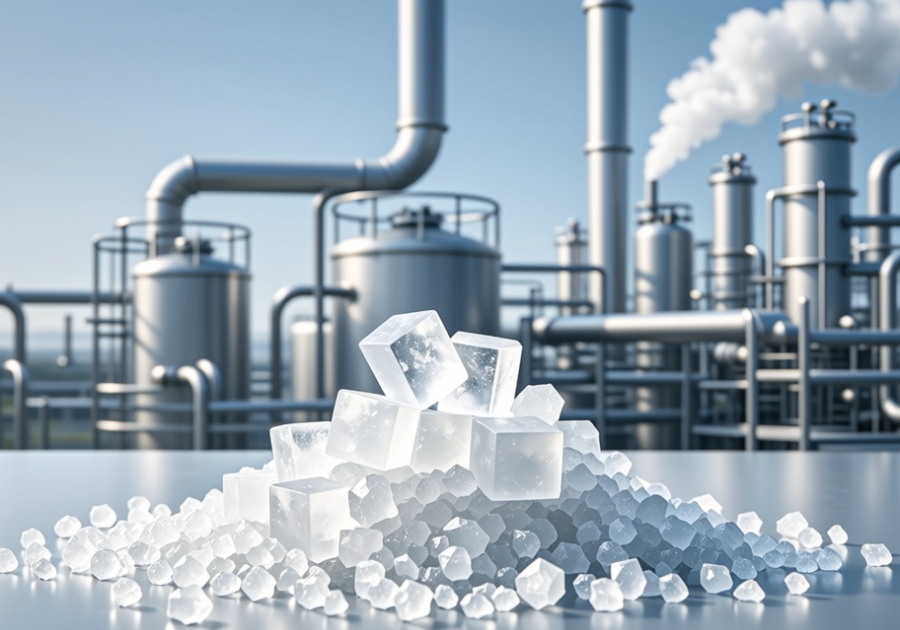
Zinc and Zinc Glycinate: Definition, Uses, Benefits & Differences
Are you curious about the benefits of zinc and zinc glycinate? Zinc is a vital mineral that plays a crucial role in various bodily functions, while zinc glycinate is a chelated form of zinc that has unique advantages. Let's explore the differences between the two and what they can do for your health and wellness.
Zinc: What Is It and What Can It Do?
Zinc is a chemical element with the symbol Zn and atomic number 30. It is a bluish-white metal with a low melting point and a moderately reactive nature. It is an essential mineral required for various physiological functions in the body. And it is also a vital micronutrient required for the normal growth, development, and maintenance of the body.
Zinc plays a crucial role in many enzymatic reactions in the body and helps regulate gene expression. It is necessary for proper immune system function, wound healing, and cell division. Zinc can act as an antioxidant, protecting the body from harmful free radicals, too.
Uses of Zinc
- Galvanization: Galvanization is a widely used process in various industries such as construction, transportation, and more. The process involves coating iron or steel with zinc to protect against corrosion. Zinc acts as a sacrificial anode, which corrodes before the iron or steel underneath, thereby protecting the underlying metal.
- Alloys: Zinc is often combined with other metals to create alloys, which have unique properties such as increased strength, ductility, and resistance to corrosion. Some common zinc alloys include brass and nickel silver.
- Dietary Supplement: Zinc is an essential mineral that is important for maintaining good health. It is often used as a dietary supplement to treat zinc deficiencies and improve immune function.
- Skin Health: Zinc has been shown to have benefits for skin health, including reducing inflammation and improving wound healing. It can be used in topical creams or ointments to treat skin conditions such as acne and eczema.
Benefits of Zinc to our Body
- Immune Support: Zinc plays a crucial role in immune function, helping to regulate the production and function of immune cells. Studies have shown that zinc supplements can help reduce the duration and severity of colds and other respiratory infections.
- Wound Healing: Zinc is important for wound healing, as it helps to promote cell growth and repair. It is used in topical treatments for burns, cuts, and other injuries.
- Skin Health: As mentioned earlier, zinc has benefits for skin health, including reducing inflammation and improving wound healing. It can also help to reduce the appearance of fine lines and wrinkles.
- Digestive Health: Zinc is important for maintaining healthy digestion, as it helps to regulate the production of stomach acid and enzymes. It has also been shown to have benefits for treating conditions such as diarrhea and ulcerative colitis.
Zinc Glycinate: What Is It and What Can It Do?
Zinc glycinate is a chelated form of zinc, which means it is bound to an amino acid. This binding process makes it easier for the body to absorb and utilize zinc.
Uses of Zinc Glycinate
- Zinc glycinate supplements are available in various forms, including capsules, tablets, and powders.
- It is often used as a dietary supplement to help meet daily zinc needs.
- Zinc glycinate may also be used in topical products, such as skincare formulations.
Benefits of Zinc Glycinate to our Body
- Improved absorption: The chelation process makes zinc glycinate easier for the body to absorb compared to other forms of zinc.
- Reduced gastrointestinal side effects: Some forms of zinc can cause gastrointestinal discomfort, but zinc glycinate is less likely to do so.
- Potential immune system support: Zinc is important for immune system function, and some research suggests that zinc glycinate may be particularly effective at supporting the immune system.
- May improve sleep: There is some evidence that zinc glycinate can help improve sleep quality.
Zinc and Zinc Glycinate: Main Differences between the Two
Zinc and zinc glycinate are both forms of the essential mineral zinc, but there are some important differences between the two. Here are the main ones:
- Absorption: Zinc glycinate is a more bioavailable form of zinc, meaning that it is better absorbed by the body than other forms of zinc. Glycine, the amino acid that is chelated to zinc, helps to transport the mineral across the intestinal wall and into the bloodstream.
- Dosage: Because zinc glycinate is more readily absorbed, it can be taken in lower dosages than other forms of zinc. So, it’s easier to get the recommended daily amount of zinc without experiencing negative side effects from too much supplementation.
- Cost: Zinc glycinate is typically more expensive than other forms of zinc due to the additional processing required to chelate the mineral with glycine. However, the increased bioavailability and lower required dosages may make it a more cost-effective option in the long run.
- Benefits: While both forms of zinc provide similar health benefits, zinc glycinate may have some additional advantages due to its higher absorption rate. These benefits include improved immune function, wound healing, and skin health, as well as potential improvements in mood and cognitive function.

You May Interested In


Glow70/KLOW80 99% China Peptides Warehouse Direct Delivery Lyophilized Powder in Stock
$169/UNIT FOB


2026-10-14
Trade Alert
Delivering the latest product trends and industry news straight to your inbox.
(We'll never share your email address with a third-party.)

Related News
-
Nano Zinc Oxide Enhances Rice's Resistance to Rice Blast Fungus, Study Finds
-
The common uses of zinc that you didn't know about
-
How is zinc chloride made and its properties.
-
How does zinc reacts with hydrogen chloride to form zinc chloride?
-
Explain how is zinc used in industry?
-
China丨Zhejiang Xinnong Chemical: Overseas business of Zinc thiazole formulation is still in its infancy
-
What are the the interesting info about Zinc and benefits?
-
Supply Shortage Worries Push Zinc Prices to New Highs
-
What Are 10 Fun Facts About Zinc You Need To Know?
-
Shenlong Zinc Industry has been awarded Top 10 Influential Fillers Suppliers
Recommend Reading
-
![Trump Places Glyphosate Under the Defense Production Act, Turning Bayer from a Corporation into a “National Asset”]()
Trump Places Glyphosate Under the Defense Production Act, Turning Bayer from a Corporation into a “National Asset”
-
![Trump Places Glyphosate Under the Defense Production Act, Turning Bayer from a Corporation into a “National Asset”]()
Trump Places Glyphosate Under the Defense Production Act, Turning Bayer from a Corporation into a “National Asset”
-
![Huafon Chemical Plans RMB 6.85 Billion Acquisition to Expand Its TPU and PU Resin Portfolio]()
Huafon Chemical Plans RMB 6.85 Billion Acquisition to Expand Its TPU and PU Resin Portfolio
-
![Dongyue Silicon Materials' Net Profit Expected to Increase More Than 190-Fold]()
Dongyue Silicon Materials' Net Profit Expected to Increase More Than 190-Fold
-
![Syensqo Launches AI-Developed Coffee Peptide for Scalp Care]()
Syensqo Launches AI-Developed Coffee Peptide for Scalp Care
-
![Short-term Costs and Demand Both Driving Melamine Prices to Stay Stable and Improve]()
Short-term Costs and Demand Both Driving Melamine Prices to Stay Stable and Improve
-
![Formic Acid Prices Sideways; Future Plant Maintenance Plans Scheduled]()
Formic Acid Prices Sideways; Future Plant Maintenance Plans Scheduled
-
![Cyclohexane market prices mainly remain stable in China]()
Cyclohexane market prices mainly remain stable in China
-
![February Ammonium Sulfate Market Continues to Rise in China]()
February Ammonium Sulfate Market Continues to Rise in China
-
![Post-holiday China 180CST fuel oil prices slightly increase]()
Post-holiday China 180CST fuel oil prices slightly increase