Anhydrous Milk Fat Meaning Explained and the Properties, Use of It
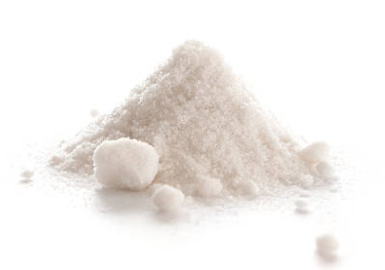
Understanding the anhydrous milk fat meaning is important for those who work in the dairy industry and want to create high-quality products with consistent fat content. Also called butter oil, anhydrous milk fat is essentially pure milk fat with no water or non-fat solids.
It has the same buttery taste and texture as regular butter. It can be used for many purposes, such as making ice cream, chocolate, baked goods, cheese, and other dairy products that need recombination.
How is Anhydrous Milk Fat Made
There are various techniques for producing anhydrous milk fat, but they all require the elimination of nearly all water and non-fat solids from butter or cream using physical methods like centrifugation, evaporation, or vacuum drying.
The final product, which should be made from fresh cream or butter, must contain a minimum of 99.8% milk fat. Moreover, it's possible to fractionate anhydrous milk fat into different parts with distinct melting points, such as olein and stearin, to obtain desired characteristics.
What are Its Benefits
After outlining the definition of anhydrous milk fat and the methods used to produce it, we will spell out its benefits. First of all, it has the ability to enhance the flavor of prepared meals by providing a creamy taste. It's also ideal for high-temperature cooking methods like frying, grilling, and roasting, as it doesn't splatter.
Furthermore, it provides a pleasant mouthfeel and smooth melting characteristics when used in chocolate, confectionery, and ice cream. It additionally has a lengthy shelf life and can be stored without refrigeration.
Finally, it can be fractionated into various parts with distinct melting points, allowing for customized fat products tailored to specific applications.
Is It Healthy
The effect of anhydrous milk fat on health can be influenced by various factors. These may include the quantity and regularity of consumption, the origin and standard of the milk fat, the existence of other nutrients and bioactive components, and an individual's overall health and genetic composition.
Broadly speaking, anhydrous milk fat contains energy, vitamins A, D, E, and K, and certain bioactive compounds like conjugated linoleic acid (CLA) and vaccenic acid (VA), which have been linked to a range of health benefits.
However, anhydrous milk fat is also known to have a significant concentration of saturated fatty acids (SFAs), which have been associated with a higher likelihood of developing cardiovascular diseases. For this reason, it's important to exercise moderation and maintain a balanced approach while consuming anhydrous milk fat or any other form of fat.
Recent research has indicated that combining anhydrous milk fat with vegetable oils could enhance its composition of fatty acids and promote better health indicators.
Some Products That Use Anhydrous Milk Fat
Below are some products that use anhydrous milk fat:
· Ice cream
· Chocolate, chocolate fillings, and praline
· Bakery products, such as bread, pastries, yeast-raised pastries, small baked goods, cookies, butter, shortcakes, and pound cakes
· Processed cheese and cheese milk extension
· Confectionery products, such as toffee, caramel, and desserts
· Butter crème, cream fillings, and whipped masses
· Recombined dairy products, such as cream, butter, and milk powder
· Ready meals
The Shelf Life of Anhydrous Milk Fat
The duration for which anhydrous milk fat remains suitable for consumption is determined by the storage conditions, including factors like temperature, light exposure, and oxygen exposure. In general, anhydrous milk fat can be stored for several months without spoilage when kept at a low temperature (around +4℃).
When stored in a suitable protective environment, anhydrous milk fat can also maintain its quality for up to 24 months. However, over time, it may experience a decline in flavor and overall quality as a result of oxidation.
Looking for chemical products? Let suppliers reach out to you!
You May Interested In


Glow70/KLOW80 99% China Peptides Warehouse Direct Delivery Lyophilized Powder in Stock
$169/UNIT FOB

SS-31 Cosmetic peptides, discounted price improving cognitive impairment factory supply
$78/UNIT FOB


2026-10-24
Trade Alert
Delivering the latest product trends and industry news straight to your inbox.
(We'll never share your email address with a third-party.)

Related News
-
Discover Your Next Japanese Product at "JAPAN'S FOOD" EXPORT FAIR Winter 2026
-
From Feedmill to Food System: VIV Europe 2026 Addresses the Industry's Most Critical Challenges
-
Do You Know the Food Zero Additives?
-
Acrylamide Alert: 59 Coffees in Fuzhou Show Trace Amounts, Sparks Consumer Concern
-
Colombia introduces tax on ultra-processed foods
-
Warnings Raised About 'Eco' Cups Containing Toxic Resin
-
Australian Health Bodies Call for Removal of 'Low Sugar' Labels on Alcohol
-
Exploring the Promise of a New Animal-Free Fat for Plant-Based Meats: Does It Deliver the Real Taste of Chicken?
-
Nutritional Psychiatry Researcher Felice Jacka Addresses the Impact of Ultra-Processed Foods on Brain Health
-
Updates to Maximum Residue Limits for Agricultural and Veterinary Chemicals in Australia and New Zealand
Recommend Reading
-
![What is a Surfactant? (Definition, Types, and How They Work)]()
What is a Surfactant? (Definition, Types, and How They Work)
-
![Oxalic Acid: Acidity (pKa), Sources, and Kidney Stone Risk]()
Oxalic Acid: Acidity (pKa), Sources, and Kidney Stone Risk
-
![Sulfuric Acid (H2SO4): Properties, Battery Uses, and Extreme Safety Hazards]()
Sulfuric Acid (H2SO4): Properties, Battery Uses, and Extreme Safety Hazards
-
![What is Trametenolic Acid? (Structure, Sources & Research)]()
What is Trametenolic Acid? (Structure, Sources & Research)
-
![Ammonia Chemical Formula: NH3 Structure & Properties]()
Ammonia Chemical Formula: NH3 Structure & Properties
-
![Business Society’s Market Outlook for Methanol on August 25, 2026: Volatile Consolidation]()
Business Society’s Market Outlook for Methanol on August 25, 2026: Volatile Consolidation
-
![Strong Supply and Weak Demand & Cost Regression: PC Prices First Decline Then Rise in July in China]()
Strong Supply and Weak Demand & Cost Regression: PC Prices First Decline Then Rise in July in China
-
![After 5 consecutive months of price increases exceeding 60%, the current round of butadiene rubber price hikes in China may come to an end]()
After 5 consecutive months of price increases exceeding 60%, the current round of butadiene rubber price hikes in China may come to an end
-
![Business Society’s Market Outlook for Methanol on August 24, 2026: High-Range Fluctuations]()
Business Society’s Market Outlook for Methanol on August 24, 2026: High-Range Fluctuations
-
![Supply-Demand Gap Widens, Lithium Carbonate Prices Approach Year-to-Date High]()
Supply-Demand Gap Widens, Lithium Carbonate Prices Approach Year-to-Date High