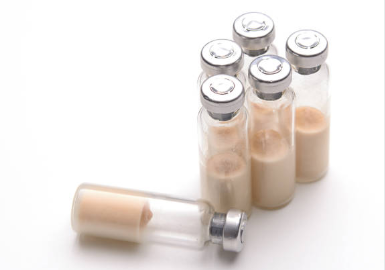
The 20 Amino Acids List and The Explanation of Their Benefits
Studies show that about 500 amino acids are acknowledged, but only 20 types of amino acids appear in the human genetic code so far. In this article, we will talk about the 20 amino acids list. What are they, how do they benefit the human body, and how do you obtain them correctly? Let’s find out.
The 20 Amino Acids Checklist
The following list of 20 amino acids will help you recognize each one's name and its classification.
It is worth mentioning that the supply of dispensable amino acids has an impact on the demand for indispensable amino acids. For example, tyrosine in the body can be transformed from phenylalanine, and cysteine can be transformed from methionine. Therefore, when the diet is rich in cysteine and tyrosine, the body does not need to consume the two indispensable amino acids to convert them into tyrosine and cysteine. At the same time, the demands for the two indispensable amino acids will also be brought down. In order to satisfy the metabolic demand, the dietary protein must contain adequate and digestible amounts of indispensable amino acids, and sufficient dispensable amino acids. A lack of amino acids in the human body may lead to diseases and even death.
How do 20 amino acids benefit the human body?
Now that we have an elementary knowledge of the 20 amino acids, let's look at how they benefit the human body in various ways. The functions of the 20 amino acids are listed below.
Leucine: reduces sensitivity to pain and relieves anxiety and tension
Lysine: reduces symptoms of chemical imbalance in the body caused by alcohol
Threonine: reduces triglyceride levels in the blood to prevent cardiovascular diseases
Methionine: can fight against certain liver diseases
Phenylalanine: suppresses appetite to lose weight
Valine: makes the muscle grow faster under recommended dosages
Tryptophan: increases melatonin and improves sleep quality
Histidine: protects gut cells and helps wounds heal
Alanine: sometimes can be used to treat certain chronic pains including back pain, migraines, and toothaches
Asparagine: accelerates the healing of skin wounds
Arginine: good for sperm and often used by men to prepare for pregnancy
Glutamic acid: improves brain functions including speech, learning, and memorizing
Aspartic acid: reduces the levels of nitrogen and carbon dioxide in the blood and eliminates fatigue
Cysteine: acts as an antioxidant and eliminates free radicals
Glutamine: improves the intestinal digestive system
Proline: makes teeth stronger and more elastic
Glycine: has a calming effect on the brain, which helps you relax and fall asleep quickly
Tyrosine: effective in reducing emotional and physical stress
Serine: promotes fat metabolism
Isoleucine: can prevent and treat harm caused by toxic metals to the human body
How to obtain the amino acids?
Starting at 28, the human body begins to lose amino acids, so how do you get the amino acids supplement? Generally, you can obtain the amino acids you need from daily food and dietary supplementation. Here are further explanations on how you can get the nutrients effectively and correctly from these two aspects.
The nine essential amino acids exist in animal and plant proteins. Both of them can mutually promote the body's absorption of the amino acids. That means you should adjust your diet structure to a combination of meat, vegetables, refined grains, and whole grains so that you can improve the absorption of various amino acids. For instance, soy products contain a relatively large amount of lysine, while grains are much lower in it. If you ingest soybeans and rice together, you can absorb all the amino acids more effectively. In addition, you can consume whole-protein foods such as shrimp and cheese. Whole-protein foods contain a full range of indispensable amino acids in high amounts. In general, by keeping a well-balanced diet, you can obtain all the indispensable amino acids to the maximum.
However, maintaining a well-balanced diet can sometimes be difficult for some people. If you fail to acquire enough indispensable amino acids through your daily diet, you may consider an intake of amino acid supplements based on the list of 20 amino acids’ functions. It is of the utmost importance to recognize that excessive supplementation of amino acids (with or without whole-protein supplementation) also has its problems, such as the possibility of toxicity resulting from consuming very large volumes of amino acids. Furthermore, it should be mentioned that these supplements should not be applied for certain medical conditions such as diabetes and hypertension. Therefore, you should consult your doctor first before taking the supplements.
Conclusion:
Do you now have a comprehensive understanding of the 20 amino acids list? They are classified as indispensable and dispensable. Each one of them is crucial to the human organism and has diverse physiological effects on the body. Normally, by eating correctly, you can obtain all the indispensable amino acids to keep your body healthy. If you are in need of amino acid supplements, please follow the doctor’s advice.
Looking for chemical products? Let suppliers reach out to you!
You May Interested In


Glow70/KLOW80 99% China Peptides Warehouse Direct Delivery Lyophilized Powder in Stock
$169/UNIT FOB


2026-10-24
Trade Alert
Delivering the latest product trends and industry news straight to your inbox.
(We'll never share your email address with a third-party.)

Related News
-
Calcium Sulfate: Properties, Uses, and Applications
-
Sodium Hypochlorite: Uses, Concentration Guide, and Critical Safety Hazards
-
Isopropyl Alcohol (IPA) vs Ethanol: Which Solvent or Disinfectant is Better?
-
Chemical Properties and Uses of Caesium Fluoride
-
Sodium Metabisulfite: Properties, Uses, and Safety
-
Uses and Properties of Chromium Oxide
-
Uses of Sodium Citrate Dihydrate in Food Industry
-
What are Acetoglycerides? (Definition & Food Industry Uses)
-
What is Aconitic Acid? (Chemistry & Occurrence)
-
Understanding Reactions Between Silver and Chloride
Recommend Reading
-
![Key Properties and Applications of Para-Nitrophenol]()
Key Properties and Applications of Para-Nitrophenol
-
![Potassium Nitrate Reactions & Uses (KNO3)]()
Potassium Nitrate Reactions & Uses (KNO3)
-
![L-Alanine: Amino Acid Profile, Sports Nutrition, and Metabolic Role]()
L-Alanine: Amino Acid Profile, Sports Nutrition, and Metabolic Role
-
![Cytosine: Structure, DNA Pairing, and Role in Genetics]()
Cytosine: Structure, DNA Pairing, and Role in Genetics
-
![Bovine Serum Albumin (BSA): Role in Cell Culture & Laboratory Applications]()
Bovine Serum Albumin (BSA): Role in Cell Culture & Laboratory Applications
-
![June China Urea Market Fluctuates]()
June China Urea Market Fluctuates
-
![December Phosphate Market Trends Fluctuate and Decline in China]()
December Phosphate Market Trends Fluctuate and Decline in China
-
![Business Society September 23, 2026 Methanol Trend Analysis: Slightly Bullish with Volatility]()
Business Society September 23, 2026 Methanol Trend Analysis: Slightly Bullish with Volatility
-
![2025 Titanium Dioxide Market Review and 2026 Outlook]()
2025 Titanium Dioxide Market Review and 2026 Outlook
-
![Business Society October 12, 2026 Polyester Staple Fiber Trend Analysis: Volatility]()
Business Society October 12, 2026 Polyester Staple Fiber Trend Analysis: Volatility