What are the advantages of almond oil?
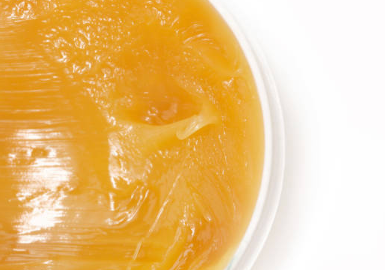
The color of almond oil is a bit yellow and clear, and it smells good. It has many uses. Not only edible, but also can be a lubricating oil for machinery. You may not imagine it as a raw material for cosmetics and soap. It is rich in unsaturated fatty acids, inorganic salts, and dietary fiber. Here are the advantages of almond oil.
The advantages of almond oil
Most people like almond oil because of the following advantages.
1. Prevention of constipation: It contains fat and dietary fiber structure, which can lubricate the intestines, promote bowel movements, and prevent toxins from accumulating in the body after consumption.
2. Beauty, skincare, and hair care: It contains rich vitamins and has the effect of beauty, skincare, and hair care. Massage the skin with almond oil dipped in aloe gel to help reduce wrinkles and melanin deposition. Many cosmetics take it as one of the ingredients because of the advantages of almond oil. Using it for hair care can effectively reduce dandruff and prevent dry and yellow hair tips.
3. Eye care and protection: It contains rich carotenoids, which the human body will absorb and convert into vitamin A. Vitamin A and protein can combine to form rhodopsin, which is an important substance in retinal rod cells that senses weak light. Therefore, eating more almond oil can improve vision, and prevent eye diseases such as presbyopia and cataracts. Because vitamin A can also cause epithelial cells to secrete mucus, it plays a significant role in protecting the eyes.
4. Softening blood vessels: Eating it can remove garbage, impurities, and excess fat from the blood vessel wall, increase blood vessel elasticity, and prevent the formation of blood clots. Therefore, it plays a role in preventing cardiovascular and cerebrovascular diseases.
How to eat almond oil in daily life?
Almond oil has so many advantages for the human body, then how should we eat it in our daily lives? There are three ways to for your reference.
Firstly, you can use it like a kind of oil just like the way you use walnut oil and sesame oil. You can use it to fry beef or mushrooms, but you should remember not to fry for more than 5 minutes. Otherwise, it will destroy the nutritional material.
Secondly, you can use it when preparing some cold dishes like salad. The almond oil will bring a special taste that most people would love it very much.
Finally, if you think the previous two ways are wasting time, there is also a convenient way to eat it. When you are drinking with milk or honey, you can put some almond oil in it and that would be the easiest way to eat it.
Precautions of almond oil
Although there are many advantages of almond oil, some people should not eat almond oil. Firstly, people who are allergic to almond oil should never eat it because it may cause serious allergic reactions like throat swelling and respiratory arrest. Besides, people who are suffering from diarrhea symptoms should not eat it because it can make diarrhea worse and might lead to dehydration.
At last, because almond oil contains toxic substances, and can affect nerve and brain development, pregnant women and infants should not eat it. Otherwise, it might cause irreversible damage to infants and young children.
Storage of almond oil
You should store almond oil in a sealed jar or box, and then put it in a cool environment. It will extend the storage time of almond oil. It is better to store the almond oil in the refrigerator because it can maintain its nutritional value and prevent spoilage. And it is important to pay attention to the temperature inside the refrigerator.
If you need to store almond oil in the refrigerator, you can also put it in a closed container and pour the oil into it to extend the storage time.
Besides, everyone should pay attention to a healthy diet and avoid consuming expired food. If you consumed the expired almond oil by accident, you should go to the hospital and seek medical help in case of food poisoning.
Conclusion
This article mainly talks about the advantages of almond oil, its consumption, and its storage method. What’s more, people with diarrhea, pregnant women, and infants should not consume it. I hope this article is helpful to you.
Looking for chemical products? Let suppliers reach out to you!
You May Interested In


Glow70/KLOW80 99% China Peptides Warehouse Direct Delivery Lyophilized Powder in Stock
$169/UNIT FOB


2026-10-25
Trade Alert
Delivering the latest product trends and industry news straight to your inbox.
(We'll never share your email address with a third-party.)

Related News
-
Understanding Titanium Oxide: Properties and Uses
-
Vanillin: Properties, Uses, and Safety
-
Sodium Nitrate: Fertilizer, Food Preservative, and Chemical Properties
-
What is Sodium Hipoklorit? (Definition, Uses & Safety)
-
Glycopyrronium: Pharmaceutical Applications, Mechanism, and Chemical Specs
-
Methanol Methyl Alcohol vs Ethanol: Toxicity, Fuel Uses, and Industrial Solvent Safety
-
Sodium Hypochlorite: Uses, Concentration Guide, and Critical Safety Hazards
-
Isopropyl Alcohol (IPA) vs Ethanol: Which Solvent or Disinfectant is Better?
-
HNO2 (Nitrous Acid): Properties, Uses, and Safety
-
Heptane: Properties, Uses, and Industrial Applications
Recommend Reading
-
![Key Reactions of Cobalt Chloride]()
Key Reactions of Cobalt Chloride
-
![Chemical Properties and Applications of Cyclopropen]()
Chemical Properties and Applications of Cyclopropen
-
![Sodium Hydroxide (Caustic Soda): Soap Making, Cleaning, and pH Control Guide]()
Sodium Hydroxide (Caustic Soda): Soap Making, Cleaning, and pH Control Guide
-
![Paraffin Wax vs. Beeswax: Candles, Cosmetics, and Industrial Applications]()
Paraffin Wax vs. Beeswax: Candles, Cosmetics, and Industrial Applications
-
![Lanolin: Benefits for Skin, Cosmetic Uses, and Allergy Risks]()
Lanolin: Benefits for Skin, Cosmetic Uses, and Allergy Risks
-
![Business Society’s BDO Trend Analysis on September 11, 2026: Volatile Consolidation]()
Business Society’s BDO Trend Analysis on September 11, 2026: Volatile Consolidation
-
![This Week's Isopropanol Market Sees Significant Increase (9.7-9.11) in China]()
This Week's Isopropanol Market Sees Significant Increase (9.7-9.11) in China
-
![Raw Material Prices Surge, Phthalic Anhydride Price Exceeds 10,000 Yuan per Ton in September in China]()
Raw Material Prices Surge, Phthalic Anhydride Price Exceeds 10,000 Yuan per Ton in September in China
-
![Business Society’s Trend Analysis for Propylene Oxide on September 11, 2026: Clearly Upward]()
Business Society’s Trend Analysis for Propylene Oxide on September 11, 2026: Clearly Upward
-
![Business Society’s Trend Analysis for Epichlorohydrin on September 11, 2026: Fluctuating]()
Business Society’s Trend Analysis for Epichlorohydrin on September 11, 2026: Fluctuating