Is salicylic acid soluble in water? How to improve its solubility?
Quick Answer: Solubility of Salicylic Acid
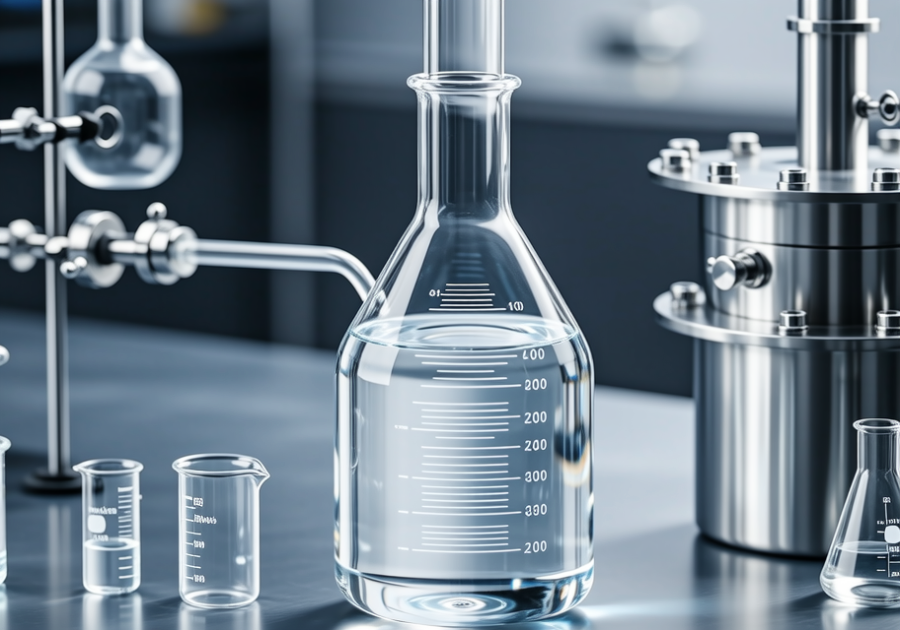
If you’ve ever tried to dissolve salicylic acid (C7H6O3) in water at room temperature, you probably noticed it doesn’t go far. In fact, its solubility is less than 1 gram per 100 mL below 20°C, so you’ll often find undissolved powder at the bottom of the glass. However, heating the water helps, and using ethanol or acetone works even better.
How to Make Salicylic Acid More Soluble
- Use hot water: Higher temperatures increase solubility, so try dissolving it in freshly boiled water.
- Make a sodium salt: Neutralizing salicylic acid with sodium hydroxide gives sodium salicylate, which dissolves easily in water.
- Add a solubilizer: Some surfactants or borate salts can help, but be aware they might change how the compound acts in your formula.
Practical Applications
| Field | Example Use |
|---|---|
| Skincare & Cosmetics | Acne treatments, toners, exfoliants |
| Pharmaceuticals | Aspirin (acetylsalicylic acid), sodium salicylate |
| Industry | Dyes, rubber processing, preservatives |
| Food and Fragrance (rarely) | Flavors, shelf-life extension (tiny amounts) |
How Is Salicylic Acid Made?
Most salicylic acid is produced by the Kolbe-Schmitt reaction, where sodium phenolate reacts with carbon dioxide, then is acidified to yield salicylic acid. This method is efficient and used globally for pharmaceutical production.
Safety and Handling Tips
Salicylic acid is generally safe in low concentrations, as found in over-the-counter products. However, it can irritate skin and eyes, and should not be ingested or used undiluted. At high temperatures, it’s flammable and releases harmful gases, so keep it away from open flames and always use in a ventilated area. These precautions are recommended by sources like the NIH and standard chemical safety guidelines.
Bottom Line
Salicylic acid is only slightly soluble in water at room temperature, but you can improve its solubility by heating or using other solvents. Its versatility makes it a staple in medicine, skincare, and industry—just be sure to use it safely and appropriately for your needs.
References
- NIH PubChem Compound Summary: Salicylic Acid
- Occupational Safety and Health Administration (OSHA) Chemical Safety
- Standard Organic Chemistry Texts
Looking for chemical products? Let suppliers reach out to you!
You May Interested In


Glow70/KLOW80 99% China Peptides Warehouse Direct Delivery Lyophilized Powder in Stock
$169/UNIT FOB


2026-10-25
Trade Alert
Delivering the latest product trends and industry news straight to your inbox.
(We'll never share your email address with a third-party.)

Related News
Recommend Reading
-
![Cost Relaxation, Butylenes Market in Downward Trend]()
Cost Relaxation, Butylenes Market in Downward Trend
-
![Melamine Prices Surge Over 10% as Upstream and Downstream Competition Intensifies in China]()
Melamine Prices Surge Over 10% as Upstream and Downstream Competition Intensifies in China
-
![Business Society September 28, 2026 n-Butanol Trend Analysis: Bearish Oscillations]()
Business Society September 28, 2026 n-Butanol Trend Analysis: Bearish Oscillations
-
![Methylamine: Chemical Properties, Synthesis, and Industrial Applications]()
Methylamine: Chemical Properties, Synthesis, and Industrial Applications
-
![Business Society September 28, 2026 Acrylic Acid Trend Analysis: Strong Rebound]()
Business Society September 28, 2026 Acrylic Acid Trend Analysis: Strong Rebound