




Analyzing the Factors Influencing Cetostearyl Alcohol Price in the Market
By understanding the dynamics of the cetostearyl alcohol price, manufacturers, suppliers, and consumers can make informed decisions and navigate the market effectively.
Cetostearyl alcohol, a widely used ingredient in various industries, is subject to pricing influenced by several factors. This article highlights the whole term "cetostearyl-alcohol-price," emphasizing its significance in the market. By exploring these factors, stakeholders can gain insights into the pricing dynamics and its implications on the industry.
1.Factors Influencing Cetostearyl Alcohol Price - Raw Material Costs:
The cost of raw materials is a primary determinant of cetostearyl alcohol price. As cetostearyl alcohol is derived from natural sources, fluctuations in the prices of feedstock, such as fatty acids and alcohols, can impact its overall cost. Changes in the availability and demand-supply dynamics of these raw materials can influence the pricing of cetostearyl alcohol.
2. Factors Influencing Cetostearyl Alcohol Price - Manufacturing Process and Scale:
The manufacturing process and scale of production also impact the price of cetostearyl alcohol. Large-scale production facilities can often achieve economies of scale, leading to lower production costs and competitive pricing. On the other hand, specialized manufacturing processes or smaller production volumes may result in higher production costs and subsequently higher prices for cetostearyl alcohol.
3.Factors Influencing Cetostearyl Alcohol Price - Market Demand and Competition:
The demand for cetostearyl alcohol in various industries, such as cosmetics, pharmaceuticals, and personal care, can influence its price. Increased demand typically leads to higher prices due to supply-demand dynamics. Additionally, competition among manufacturers and suppliers can impact the pricing strategy, with competitive markets often experiencing price fluctuations to gain market share.
4.Factors Influencing Cetostearyl Alcohol Price - Quality and Specifications:
The quality and specifications of cetostearyl alcohol can affect its price. Higher purity, adherence to specific standards, and specialized formulations may command a premium price. Additionally, certifications, such as those related to sustainability or organic sourcing, can influence pricing, as these factors add value to the product.
5.Factors Influencing Cetostearyl Alcohol Price - Economic Factors:
Macro-economic factors, such as inflation, currency exchange rates, and overall market conditions, can impact the pricing of cetostearyl alcohol. For instance, inflationary pressures or currency fluctuations can affect the cost of production and transportation, leading to price adjustments in the market.
The cetostearyl alcohol price is influenced by various factors, including raw material costs, manufacturing processes, market demand, competition, quality, and economic conditions. Understanding these factors enables stakeholders to navigate the market effectively and make informed decisions regarding the procurement and pricing of cetostearyl alcohol. By staying aware of the dynamics surrounding cetostearyl alcohol price, manufacturers, suppliers, and consumers can adapt to market fluctuations and optimize their strategies accordingly.
Looking for chemical products? Let suppliers reach out to you!

You May Interested In


2026-06-18
Trade Alert
Delivering the latest product trends and industry news straight to your inbox.
(We'll never share your email address with a third-party.)

Related News
-
Suave Brands and Elida Beauty Complete Merger to Form Personal Care Giant Evermark with Annual Retail Sales Near $1.9 Billion
-
Rising Naphtha Prices in Japan Drive Up Costs for Diapers, Sanitary Products, and Cosmetics
-
Unilever Sells Kate Somerville Brand to Rare Beauty Brands
-
IMCD Acquires Dong Yang FT, Entering the Korean Beauty Sector
-
L Catterton to Acquire Minority Stake in Perfume Company EX NIHILO
-
Nouryon Opens New Customer Experience and Innovation Center in Brazil
-
SkinCeuticals Unveils AGE Interrupter Ultra Serum to Target Skin Laxity
-
Beiersdorf Invests 139 Million Euros in New Innovation Center in Hamburg
-
Léa Nature Acquires Berdoues to Enter the Fragrance Market
-
Estée Lauder Companies Announces $1.14 Billion in Restructuring Charges
Recommend Reading
-
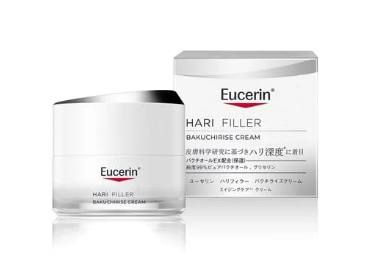
Beiersdorf Launches Eucerin Skincare Brand in Japan
-
BASF Personal Care Launches Ameriflor Calm
-

Kering Sees 16% Revenue Decline in H1 2025, But Beauty Shows Resilience
-

Symrise Opens New Production Unit in Granada to Ensure Safer Supply of Bio-Based Pentylene Glycol
-

BASF Launches Global Expansion Plan for Aroma Ingredients
-

Indorama Corporation Acquires 100% Stake in Anyang Zhongying Fertilizer
-

Rising Costs and Tightened Supply Lead to a Sharp Increase in Phthalic Anhydride Prices
-
Upstream and Downstream Continue to Play a Game; Acrylic Market Remains Stable
-

“Anti-Overcapacity” Backfires: China’s Chemical Industry Trapped in a Hell of Its Own Making—and Global Pushback
-

Key Reactions of Cobalt Chloride