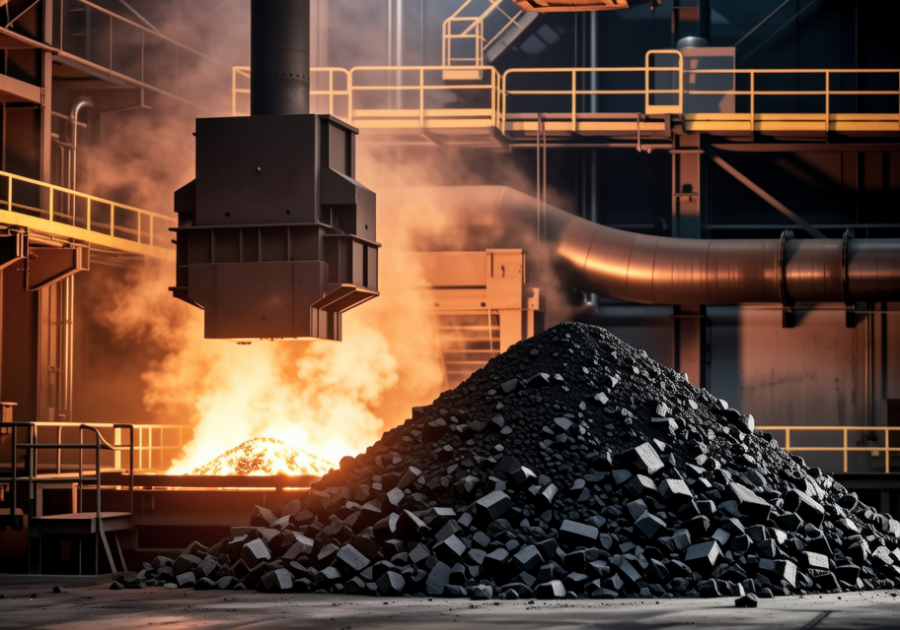
Venezuela’s Moron Petrochemical Complex has begun restarting after earthquakes disrupted operations.
The site is the country’s second-largest operating petrochemical complex.
According to Reuters, the facility had been placed under a preventive shutdown after infrastructure damage from the quakes, then began restarting after assessments.
A storage tank leak was also found during inspections.
This is not the biggest global price story of the week.
But it reminds the chemical market of a basic risk: petrochemical supply is threatened not only by war and prices, but also by natural disasters and asset safety.
Petrochemical Plants Do Not Restart Instantly
Chemical plants are continuous industrial systems.
Once they stop, they cannot simply restart with one switch.
Equipment, pipelines, tanks, power supply, fire systems, safety controls and environmental facilities all need to be checked.
After an earthquake, structural damage and secondary risks must also be assessed.
The preventive shutdown at Moron was a typical response.
Stop first.
Inspect first.
Then decide whether restart is safe.
For petrochemicals, safety comes before operating rates.
The Tank Leak Matters
One important detail in the report was the storage tank leak.
For chemical producers, tanks are not just supporting equipment.
They are part of the supply chain.
Feedstocks, intermediates, finished products and hazardous chemicals all depend on storage systems.
If a tank is damaged, the impact is not limited to one unit.
It may affect feedstock intake, product shipment, inventory safety and regional supply.
After earthquakes, fires or floods, tanks and pipelines are often among the most important risk points.
Restarting a plant depends on production equipment. Moving material safely also depends on storage and logistics systems.
Regional Supply Can Be Hit Quickly
Venezuela is not the world’s largest petrochemical supplier.
But the Moron complex still matters to local and regional markets.
When a key regional facility stops, the impact can quickly reach downstream users, port schedules, inventory transfers and import needs.
If the shutdown is brief, the market can absorb it.
If it lasts longer, local supply can tighten.
These events are easy for the global market to overlook because they may not immediately move global prices.
But for regional buyers, the impact can be direct.
Global chemical supply chains are not shaped only by major countries and mega-plants. Smaller regional disruptions can also change market rhythm.
Natural Disasters Are Becoming Supply-Chain Variables
Chemical market analysis traditionally focuses on crude oil, demand, capacity, margins and trade policy.
Natural disasters now deserve more attention.
Earthquakes, hurricanes, floods, heatwaves and cold snaps can affect chemical parks, power systems, ports, refineries and storage assets.
Older plants and weaker infrastructure are especially hard to assess after a disaster.
This makes supply diversification more important for buyers.
Price is not the only issue.
Buyers also need to consider supply stability, port reliability, plant safety and emergency response capability.
Cheap supply can become expensive if it is unstable.
The restart of Venezuela’s Moron Petrochemical Complex may look like a regional event.
But the message for the global chemical industry is clear.
Supply-chain weak points do not always appear on price charts.
They may sit in tanks, pipelines, power systems, ports and safety infrastructure.
When natural disasters hit, a local plant issue can become a regional supply problem.
The real question for chemical buyers is not only whether material is cheap, but whether it can be supplied safely and steadily.