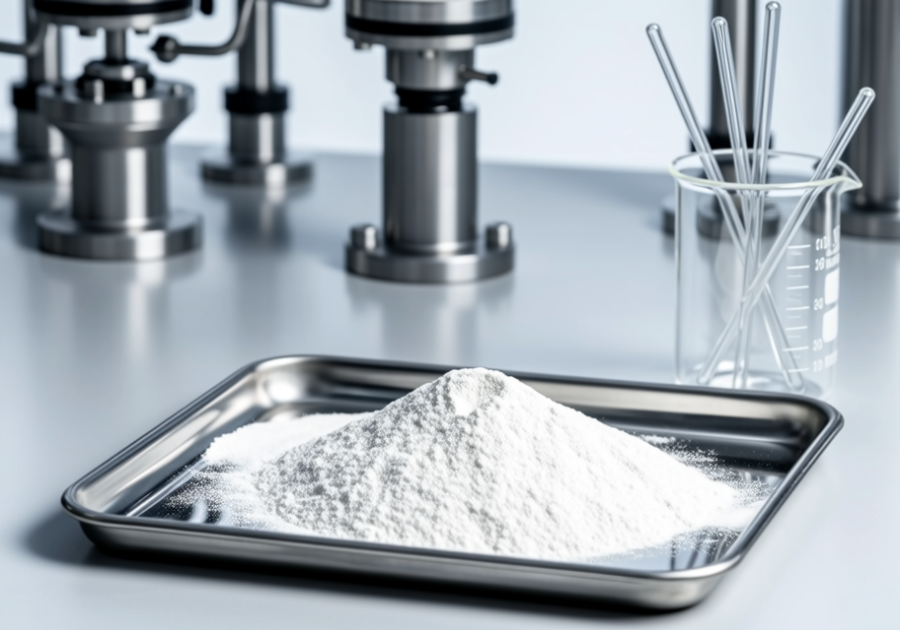
How to use fertilizer urea 46-0-0?
No matter which chemical fertilizer or other type of fertilizer you use, you must understand the basic properties and usage of the fertilizer before using it. This time we mainly focus on fertilizer urea 46-0-0. Urea is a commonly used nitrogen fertilizer because it has a relatively high nitrogen content of 46%. But it also has a disadvantage, that is, ammonia is easy to volatilize, reducing fertilizer efficiency. So what is the correct usage of fertilizer urea 46-0-0? Regarding the use of fertilizer urea 46-0-0, in a broad sense, it can be used as base fertilizer, topdressing and foliar fertilization.
① Use of fertilizer urea 46-0-0 as base fertilizer
When using fertilizer urea 46-0-0 as base fertilizer, it is necessary to test the soil for a formula, that is, to see whether the soil contains nitrogen, phosphorus, potassium, and its nutrient elements. The above operation will be more accurate for the amount of urea applied. The amount of urea used is not the more the better. Because urea is also a gas fertilizer, using too much will cause waste in the early stage. Generally speaking, the amount of urea used as base fertilizer accounts for 30% of the total amount, and the remaining 70% of nitrogen fertilizer is used for topdressing in different growth periods. which is the best effect. The specific method of using urea as base fertilizer is relatively simple. That is, before turning the soil, sprinkle urea evenly on the surface of the soil. Then turn the soil over, so that urea can be evenly mixed in the soil. Generally, it can be completed 3-5 days before planting, otherwise the fertilizer effect will be greatly reduced.
② Topdressing
The understanding of topdressing is relatively simple, that is, topdressing during several key periods of crop growth. It can be simply understood as replenishing nutrients immediately when vegetation needs them. Regarding the amount of urea topdressing, potassium fertilizer and phosphorus fertilizer factors also need to be considered. Because if the amount of nitrogen fertilizer is too much, it will affect the absorption of potassium. And different crops also have a limit value for the absorption of nitrogen and phosphorus fertilizers. Generally, topdressing is mainly carried out during seedling growth, flowering, fruiting, and swelling. For example, urea is applied to corn, usually when the seedlings grow to 20-30 cm, to promote the growth of taller and stronger straw.
Fertilizer urea 46-0-0 topdressing method: deep burial method, when applying urea, first dig a pit, then put the urea into the pit, and finally cover it with soil. This is the most effective form, because it can prevent water from washing away fertilizers and ammonia from volatilizing.
③ Foliar fertilization
Foliar fertilization refers to fertilizing without applying fertilizer to the root system. Traditionally, both base fertilizer and topdressing are applied on the soil. This method is foliar fertilization. Fertilizer urea 46-0-0 is easily soluble in water and has strong diffusivity. It has a macromolecular structure and is easily absorbed by the leaves. The appropriate concentration does not harm the leaves. If there are problems with the root system of the vegetation or aging, foliar topdressing of urea is also very effective.
Fertilizer urea 46-0-0 is used as a foliar fertilizer. It is necessary to pay attention to different crops, and the concentration of urea spraying is also different: 0.3% for solanaceous fruits, 0.5-1% for leafy vegetables, 1-2% for cereals, and 0.5% for fruit trees. It is recommended to spray foliar fertilizer after 4 pm on a sunny day, because during this period, the transpiration of the leaves is relatively small, and the stomata on the leaves are open, which makes it easier for urea solution to be absorbed.
In summary, fertilizer urea 46-0-0 is widely used in agricultural planting as a representative of nitrogen fertilizer. The correct use of urea can not only reduce fertilizer waste, but also reduce soil pollution. I hope this article can help you.
Looking for chemical products? Let suppliers reach out to you!
You May Interested In


Glow70/KLOW80 99% China Peptides Warehouse Direct Delivery Lyophilized Powder in Stock
$169/UNIT FOB


2026-10-23
Trade Alert
Delivering the latest product trends and industry news straight to your inbox.
(We'll never share your email address with a third-party.)

Related News
Recommend Reading
-
![Vendor Shipment Surge Halts Mid-October PC Price Increase]()
Vendor Shipment Surge Halts Mid-October PC Price Increase
-
![Change Rate Remains Positive, This Round of Refined Oil Retail Prices in China Is About to Increase]()
Change Rate Remains Positive, This Round of Refined Oil Retail Prices in China Is About to Increase
-
![Soda Ash Market Trends Remain Stable]()
Soda Ash Market Trends Remain Stable
-
![Premium Global Chemical Sourcing Requests (3-7 Nov 2025)]()
Premium Global Chemical Sourcing Requests (3-7 Nov 2025)
-
![Ammonium Sulfate Market Trend in October Shows a Strong Increase in China]()
Ammonium Sulfate Market Trend in October Shows a Strong Increase in China