Explore peg 40 hydrogenated castor oil function in cosmetics
PEG 40 hydrogenated castor oil is an excellent modified castor oil raw material product. It is easy to decompose in nature and will not leave any residue. The product performance is slightly different depending on the epoxy (PEG-40, PEG-60, PEG-80). The starting material comes from natural plants-hydrogenated castor oil, which is biodegradable in nature and suitable for pesticides, coatings, daily chemicals, water-based inks, textiles, printing and dyeing, papermaking, cosmetics and other industries. This article mainly explores peg 40 hydrogenated castor oil function in cosmetics.
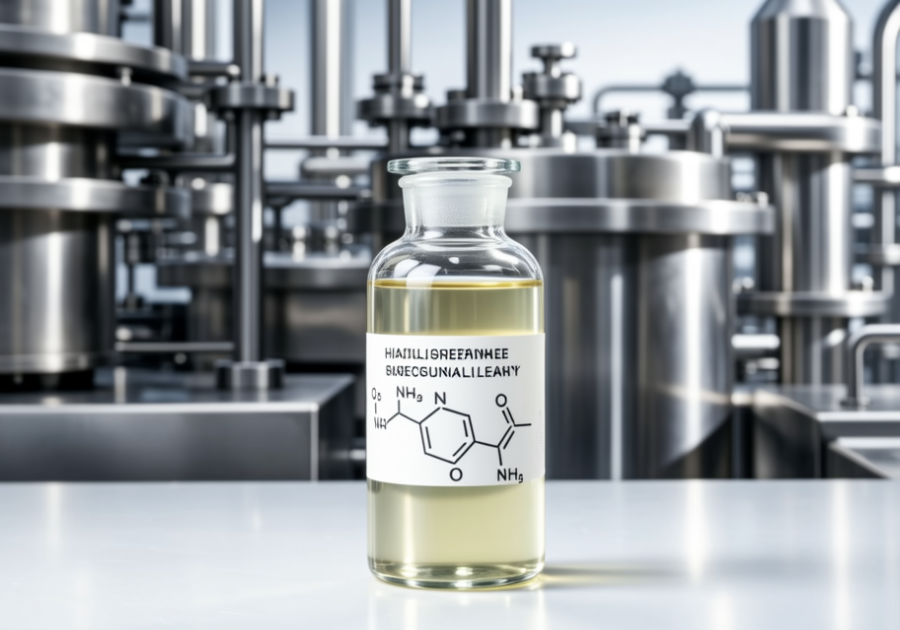
PEG-40 hydrogenated castor oil (abbreviated as: CO40) is a commonly used high-efficiency solubilizer. It is yellow, has a mild smell, is semi-solid, almost like a paste, soluble in water and oil, and can evenly disperse oily substances such as flavors and essential oils into water to form a stable and transparent solution.
How much do you know about peg 40 hydrogenated castor oil function in cosmetics?
PEG-40 hydrogenated castor oil is a plant-based solubilizer that is generally used as a detergent and surfactant. It is also designed to be used as an emulsifier in aqueous formulations containing a large water phase. After being added, lotion products will be smoother and even have considerable foaming properties.
As a popular additive, people can find PEG-40 hydrogenated castor oil in various cosmetic and personal care formulas, including products such as facial cleansers, serums, toners, moisturizers, cleansers, shampoos and conditioners. The weight and size of this ingredient are too large to penetrate beyond the surface of the skin, but that's okay - this emollient needs to be used on the surface to minimize water loss and provide a soft feel.
peg 40 hydrogenated castor oil function in cosmetics.
PEG-40 hydrogenated castor oil is a very effective ingredient in the cosmetic industry. Therefore, it can be used in many personal care and cosmetic products.
Skin care: It is a good emollient added to skin care products to make the skin smooth and soft. Over time, this ingredient can help restore the skin's natural moisture for healthier-looking skin;
Hair care: It treats dull and damaged hair by providing deep hydration to the hair shaft. It also mixes oil and water together to easily rinse the hair, leaving it clean;
Cosmetics: It acts as a surfactant, reducing the surface tension of the formula and stabilizing the product. It also improves the texture and feel of the product and allows it to spread evenly.
How safe is peg 40 hydrogenated castor oil?
PEG-40 hydrogenated castor oil is made by reacting synthetic polyethylene glycol with natural hydrogenated castor oil. It is made in a lab through an ethoxylation process, which means that 40 ethylene glycol molecules are added to the castor oil.
PEG-40 hydrogenated castor oil is considered non-sensitizing and safe for use in cosmetics in concentrations determined to range from 0.00007% to 22%. Safety assessments show that it does not cause irritation even at higher concentrations. PEG-40 hydrogenated castor oil is safe for use in cosmetics. There are concerns that PEG-40 hydrogenated castor oil may contain 1,4-dioxane (a carcinogen) because it is ethoxylated during the manufacturing process. However, since 1,4-dioxane has been purified from the final ingredients, there is no need to worry. In addition, it is non-comedogenic and does not cause acne. It is also halal and vegetarian.
In summary, peg 40 hydrogenated castor oil function in cosmetics is very extensive and is a popular additive in products such as facial cleansers, serums, toners, moisturizers, cleansers, shampoos and conditioners. As a plant-based solubilizer, it can be safely used in products.

You May Interested In


High Quality β-Nicotinamide adenine dinucleotide CAS 53-84-9 NADwith ready stock and best price
$3/UNIT FOB


2026-10-18
Trade Alert
Delivering the latest product trends and industry news straight to your inbox.
(We'll never share your email address with a third-party.)

Related News
-
Is India’s “Luck” Finally Here? HPCL’s 10-Year LNG Deal Is a High-Stakes Bet on National Destiny
-
Kemira Acquires AquaBlue
-
End of an Era: KDC/One to Close 150-Year-Old Somerset Cosmetics Factory as Production Shifts to Scotland
-
South Korea Tests Arctic Commercial Route as Asian Exporters Seek New Logistics Alternatives
-
Korea’s First Petrochemical Restructuring Approved, LDPE Market Concentration Surges to 82%
-
Hormuz Traffic Remains 90% Below Pre-Conflict Levels as Limited Tanker Access Offers Partial Relief
-
India Swings the Tariff Axe at Made-in-China: Epoxy Resins Are Just the Beginning—The Road for Chinese Chemicals Abroad Is No Longer Smooth
-
Why Did Chemical Raw Materials Unexpectedly Escape the Latest Round of U.S. 301 Tariffs on 60 Economies?
-
Honeywell Acquires Johnson Matthey Catalyst Business at a Discount, Cutting £475 Million from the Price
-
Wanhua's BorsodChem Restarts 650,000 T/Y of MDI and TDI Capacity in Europe
Recommend Reading
-
![Major Fire Hits China-Russia Joint 2.7 Million T/Y Polyolefins Project, Killing 6 Chinese Nationals and Injuring 152 People]()
Major Fire Hits China-Russia Joint 2.7 Million T/Y Polyolefins Project, Killing 6 Chinese Nationals and Injuring 152 People
-
![Keshun Enters Industrial Coatings: Waterproofing Leader Seeks Growth Beyond Real Estate]()
Keshun Enters Industrial Coatings: Waterproofing Leader Seeks Growth Beyond Real Estate
-
![Iran's Only MDI/TDI Plant Attacked, Middle East Supply Nearly Zero, Global Gap Widens]()
Iran's Only MDI/TDI Plant Attacked, Middle East Supply Nearly Zero, Global Gap Widens
-
![Japan Begins Construction of the World’s Largest Commercial Liquid Hydrogen Receiving Terminal]()
Japan Begins Construction of the World’s Largest Commercial Liquid Hydrogen Receiving Terminal
-
![China’s Acrylic Emulsion Leaders Raise Prices by Up to 15% as Monomer Costs Surge]()
China’s Acrylic Emulsion Leaders Raise Prices by Up to 15% as Monomer Costs Surge
-
![Premium Global Chemical Sourcing Requests (17 - 22 Jan, 2026)]()
Premium Global Chemical Sourcing Requests (17 - 22 Jan, 2026)
-
![Business Society September 20, 2026 BDO Trend Analysis: Volatile Consolidation]()
Business Society September 20, 2026 BDO Trend Analysis: Volatile Consolidation
-
![Business Society’s August 17, 2026 View on Isooctanol Market Trends: Deep Correction Points to a Bearish Outlook]()
Business Society’s August 17, 2026 View on Isooctanol Market Trends: Deep Correction Points to a Bearish Outlook
-
![Downstream Demand Insufficient, Cyclohexane Market Negotiation Focus Shifts Lower]()
Downstream Demand Insufficient, Cyclohexane Market Negotiation Focus Shifts Lower
-
![Ammonium Sulfate Market Prices Continue to Rise (9.14-9.20)]()
Ammonium Sulfate Market Prices Continue to Rise (9.14-9.20)