What are the Functions of Calcium Silicate in Food?
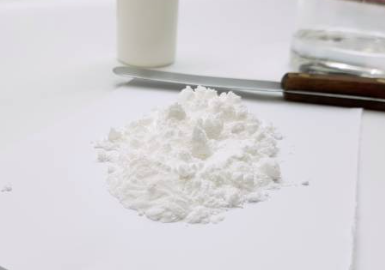
Calcium silicate is a common food additive with the chemical formula CaSiO3. It is an inorganic compound composed of calcium, silicon, and oxygen. Calcium silicate is mainly used to adjust the pH and stability of food, often added to food in the form of powder. Next, the role and safety of calcium silicate in food are introduced in detail.
What are the functions of calcium silicate in food?
1. Calcium silicate can be used as food seasoning
Calcium silicate can improve the acidity and taste of food, which is often used to flavor tea, coffee, chocolate, and other beverages to make them more rich and mellow.
2. Calcium silicate can be used to adjust the solubility
Calcium silicate in food can adjust the PH so that it maintains a stable pH value. It can be used in yogurt, juice, jam, and other foods to extend the shelf life of food and avoid food deterioration and corruption.
3. It can be used as an anticaking agent
Calcium silicate can prevent solid particles from caking in food because of its good anti-caking function. So it is popular in the production process of flour, chocolate, and puffed food to make food easier to process and preserve.
4. Calcium silicate in food can increase the nutritional value
Calcium silicate can increase the content of trace elements such as calcium, silicon, and potassium in food, thereby increasing the nutritional value of food. Especially for children, the elderly, and other people who are prone to calcium deficiency, adding an appropriate amount of calcium silicate to the food is conducive to supplementing calcium, which can supplement the nutrients required for bone growth and development, and promote the development of bones. Meanwhile, it can prevent and treat osteoporosis.
5. Calcium silicate in food has a good anti-precipitation ability
In food processing, precipitation is formed due to the interaction of some ingredients in the food, which affects the quality and taste of the food. Calcium silicate can form a stable complex that prevents these ingredients from combining, thereby maintaining food quality.
Is calcium silicate in food safe?
1. Pay attention to the usage amount of calcium silicate
Calcium silicate in food is safe within the range of usage specified in the national food safety standards. According to the stipulation of FAO/WHO, the maximum use of calcium silicate for dried whey powder and whey products is 10 g/kg, and the maximum use for powdered sugar and powdered glucose is 15 g/kg. Therefore, calcium silicate should be used in strict accordance with the usage standard in the food processing process to ensure human health and safety.
2. The safety is related to the form of calcium silicate
Its crystalline form also has a great influence on its safety. If the crystalline form is not good, calcium silicate will accumulate in the gastrointestinal tract, causing stomach upset and absorption disorders. Therefore, it is necessary to strictly control the crystalline form to ensure no harm to the human body in the production process.
3. The source of calcium silicate has an impact on its safety
If its source is the waste of toxic substances, it will harm the human body. Therefore, we should ensure the source of calcium silicate is safe without any toxic substances in the process of production.
In short, calcium silicate itself is a non-toxic, harmless substance. There are no obvious side effects on the human body if we use it under control and follow the stipulation. The amount of calcium silicate used should meet the safe limit, not exceeding 20% of the total silicon content in food. It will cause a certain burden on the liver and kidneys if taking calcium silicate for a long time and a large amount. In general, the content of calcium silicate in food is very low and will not cause adverse effects on human health.
Conclusion
Finally, we would like to give a conclusion on the topic of “What are the functions of calcium silicate in food”. It is an inorganic salt with good stability and caking resistance. So it is commonly used as a food additive to prevent food caking and deterioration in the process of production and storage. In addition, calcium silicate can also be used to adjust the pH value of food, increase the hardness of food, and enhance the stability and nutrition of food.
Looking for chemical products? Let suppliers reach out to you!
You May Interested In


Glow70/KLOW80 99% China Peptides Warehouse Direct Delivery Lyophilized Powder in Stock
$169/UNIT FOB


2026-10-13
Trade Alert
Delivering the latest product trends and industry news straight to your inbox.
(We'll never share your email address with a third-party.)

Related News
-
Understanding Titanium Oxide: Properties and Uses
-
SiO2: Properties, Uses, and Applications
-
Isopropyl Alcohol (IPA) vs Ethanol: Which Solvent or Disinfectant is Better?
-
Sodium Hypochlorite: Uses, Concentration Guide, and Critical Safety Hazards
-
Chemical Reactions and Uses of Stilbene
-
Uses of Dithiothreitol in Laboratories
-
What is HCO3? (Bicarbonate Ion Function & Normal Levels)
-
PEG (Polyethylene Glycol): Uses in Pharma, Cosmetics, and PEGylation
-
Applications of Diphenyl Cyanide
-
Chemical Properties of Dibenzylideneacetone
Recommend Reading
-
![Microcrystalline Cellulose: Applications in Pharmaceuticals]()
Microcrystalline Cellulose: Applications in Pharmaceuticals
-
![Calcium Acetate: Medical and Industrial Applications]()
Calcium Acetate: Medical and Industrial Applications
-
![Carbon Tetrachloride: Uses, Hazards, and Industrial Applications]()
Carbon Tetrachloride: Uses, Hazards, and Industrial Applications
-
![Chemical Properties and Applications of Cyclopropen]()
Chemical Properties and Applications of Cyclopropen
-
![Key Reactions of Cobalt Chloride]()
Key Reactions of Cobalt Chloride
-
![Acetic Acid Market Prices Show Strong Upward Trend]()
Acetic Acid Market Prices Show Strong Upward Trend
-
![Game Theory Does Not Change Stability, China's Acrylic Acid Market Operates with Balanced Supply and Demand]()
Game Theory Does Not Change Stability, China's Acrylic Acid Market Operates with Balanced Supply and Demand
-
![Business Society’s Market Outlook for Maleic Anhydride on August 28, 2026: Volatile]()
Business Society’s Market Outlook for Maleic Anhydride on August 28, 2026: Volatile
-
![Business Society October 8, 2026 Palm Oil Trend Analysis: Volatility]()
Business Society October 8, 2026 Palm Oil Trend Analysis: Volatility
-
![August Activated Carbon Prices Fluctuate and Rise]()
August Activated Carbon Prices Fluctuate and Rise