Uses of Dithiothreitol in Laboratories
Dithiothreitol (DTT) is a small-molecule chemical widely utilized in biochemical and molecular biology laboratories. Its unique chemical structure allows it to maintain protein function and prevent oxidation during experiments. Understanding dithiothreitol lab uses, its dithiothreitol chemical properties, and necessary dithiothreitol safety precautions is essential for researchers to achieve reliable experimental results.
What is Dithiothreitol?
Dithiothreitol is a reducing agent primarily used to break disulfide bonds in proteins. Its molecular formula is C4H10O2S2, and it possesses two thiol groups that can reduce oxidized cysteine residues, restoring proteins to their functional forms. This property makes it indispensable in studies involving protein structure, enzymatic activity, and nucleic acid stabilization.
Dithiothreitol Lab Uses
DTT has numerous applications in laboratories. Some of the most common dithiothreitol lab uses include:
- Protein Denaturation and Refolding: DTT reduces disulfide bonds in proteins, allowing researchers to study protein folding mechanisms.
- RNA and DNA Protection: It inhibits ribonucleases and other enzymes that degrade nucleic acids by maintaining a reducing environment.
- Enzyme Activity Preservation: Many enzymes lose activity under oxidative conditions. DTT helps maintain their active thiol groups.
- Sample Preparation for Electrophoresis: It is often included in loading buffers for SDS-PAGE to ensure complete protein denaturation.
Dithiothreitol Chemical Properties
Understanding dithiothreitol chemical properties is vital for safe and effective use:
| Property | Value |
|---|---|
| Molecular Formula | C4H10O2S2 |
| Molecular Weight | 154.25 g/mol |
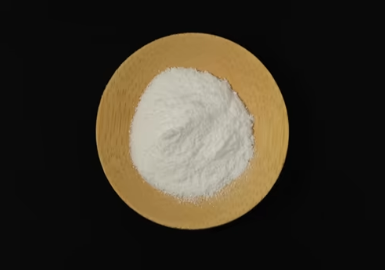
| Appearance | White crystalline solid |
| Solubility | Highly soluble in water |
| Reducing Potential | Strong reducing agent for disulfide bonds |
Dithiothreitol Safety Precautions
While DTT is extremely useful, observing proper dithiothreitol safety precautions is critical:
- Handling: Wear gloves, lab coat, and eye protection to prevent skin and eye contact.
- Storage: Store in a cool, dry place away from oxidizing agents to prevent degradation.
- Waste Disposal: Dispose of DTT-containing solutions according to institutional hazardous waste guidelines.
- Ventilation: Use DTT under a fume hood if handling large quantities to avoid inhalation exposure.
Practical Tips for Laboratory Use
Based on research and laboratory experience, here are some practical tips for using DTT effectively:
- Always prepare fresh DTT solutions as it oxidizes quickly in aqueous environments.
- Use the minimum effective concentration to reduce unwanted chemical interference in experiments.
- Combine DTT with other stabilizers, such as EDTA, for long-term storage of sensitive proteins.
- Document batch numbers and storage conditions to maintain reproducibility in research studies.
Conclusion
Dithiothreitol is a versatile reagent in modern laboratories. Its ability to reduce disulfide bonds, protect nucleic acids, and maintain enzyme activity makes it indispensable for protein chemistry and molecular biology. By understanding dithiothreitol lab uses, dithiothreitol chemical properties, and dithiothreitol safety precautions, researchers can maximize its benefits while maintaining laboratory safety.
Looking for chemical products? Let suppliers reach out to you!
You May Interested In


Glow70/KLOW80 99% China Peptides Warehouse Direct Delivery Lyophilized Powder in Stock
$169/UNIT FOB


2026-10-22
Trade Alert
Delivering the latest product trends and industry news straight to your inbox.
(We'll never share your email address with a third-party.)

Related News
-
A New Weapon Against Spider Mites: Canada Moves to Approve Novel Miticide for Greenhouse Growers
-
SiO2: Properties, Uses, and Applications
-
Chemical Properties and Uses of Caesium Fluoride
-
PEG (Polyethylene Glycol): Uses in Pharma, Cosmetics, and PEGylation
-
Uses and Properties of Chromium Oxide
-
What is HCO3? (Bicarbonate Ion Function & Normal Levels)
-
Uses of Sodium Citrate Dihydrate in Food Industry
-
Acetonitrile: Properties, Uses, and Safety
-
Acetophenone: Properties, Uses, and Applications
-
Tert Butylate: Properties and Applications
Recommend Reading
-
![What is Serine? (Amino Acid Function & Sources)]()
What is Serine? (Amino Acid Function & Sources)
-
![Sulfuric Acid Reactions: With Sugar (Dehydration), Water, and Metals]()
Sulfuric Acid Reactions: With Sugar (Dehydration), Water, and Metals
-
![HNO2 (Nitrous Acid): Properties, Uses, and Safety]()
HNO2 (Nitrous Acid): Properties, Uses, and Safety
-
![Heptane: Properties, Uses, and Industrial Applications]()
Heptane: Properties, Uses, and Industrial Applications
-
![Melamine: Toxicity, Industrial Resin Uses, and Food Safety Scandals]()
Melamine: Toxicity, Industrial Resin Uses, and Food Safety Scandals
-
![Business Society’s Methanol Trend Analysis for September 16, 2026: Weak Rebound]()
Business Society’s Methanol Trend Analysis for September 16, 2026: Weak Rebound
-
![Ammonium Sulfate Market Optimistic in 2025, Exports Remain Core Growth Driver in 2026]()
Ammonium Sulfate Market Optimistic in 2025, Exports Remain Core Growth Driver in 2026
-
![MTBE Market Trends Show Weak Fluctuations in China]()
MTBE Market Trends Show Weak Fluctuations in China
-
![China’s 15th Five-Year Plan Sets New Priorities for Pharmaceutical Innovation and Supply Chains]()
China’s 15th Five-Year Plan Sets New Priorities for Pharmaceutical Innovation and Supply Chains
-
![Supply Benefits Fade, Melamine Market Stabilizes After the Holiday in China]()
Supply Benefits Fade, Melamine Market Stabilizes After the Holiday in China