




EPA to grapple with TSCA 'unique identifier' CBI requirement
The US EPA has asked for feedback on implementing a provision of the new TSCA regarding the application of a 'unique identifier' for substances protected as confidential business information (CBI).
As amended by the Lautenberg Act, section 14 of the new TSCA requires the EPA to assign a so-called unique identifier when it approves a CBI claim that protects a substance's chemical identity.
This identifier is distinct from currently used accession numbers. It is intended "to provide a specific reference identifier that protects the confidentiality claim to the specific chemical identity for the duration of the claim, while providing a way for the public to identify other filings pertaining to that substance."
More specifically, the identifier must be applied "consistently to all information relevant to" the protected chemical, including to non-confidential information.
For any confidentiality claim that subsequently expires, is withdrawn, or is denied by the agency, the EPA must "clearly link" the specific chemical to its unique identifier on any information that has been made public.
But in a Federal Register notice, the EPA has outlined issues with the new law's requirements that "do not appear to be completely reconciled in the statute".
These include the fact that having a single unique identifier publicly applied to all information about a specific chemical may cause the release of CBI information to other parties. For example, if two manufacturers are producing the same confidential chemical and submit documents to the EPA that it then labels with the same unique identifier, each company may be able to tell that a competitor is also making the substance.
The agency has outlined two possible approaches to "meaningfully inform the public without compromising trade secrets". It is also accepting feedback on additional approaches.
The EPA has convened a public meeting in Washington, DC, on 24 May to discuss the issue and hear oral testimony. It will accept written comments until 7 July.

Demand for Green Chemicals Has Increased
You May Interested In






2026-08-04
Trade Alert
Delivering the latest product trends and industry news straight to your inbox.
(We'll never share your email address with a third-party.)

Related News
-
Plant Omega-3 Gets a New Argument
-
EPA releases draft Biological Opinion of Methomyl: 82 species may be threatened
-
The U.S. EPA adjusted the concentration limit for Atrazine to 9.7µg/L for aquatic organisms
-
The US EPA issued new regulations for Chlorpyrifos, and Corteva and Gharda voluntarily canceled many products
-
The US EPA intends to register a new herbicide active ingredient, Glufosinate-P
-
The U.S. Environmental Protection Agency (EPA) has proposed to ban Acephate and keep it for injectable use only in trees
-
Federal Appeals Court Overturns EPA Ban on Chlorpyrifos for Food Crops
-
U.S. Regulators Review Chemical Found in Tires That Harms Salmon, Prompting Calls for Ban
-
Court rules EPA must regulate Perchloate
-
Basf's herbicides Beyond and Raptor will be sold in the U.S. under the brand name Beyond Xtra
Recommend Reading
-

South Korea Expands Mandatory GMO Labeling to Highly Processed Foods
-

Bayer and Syngenta Score Consecutive Regulatory and Legal Wins in the U.S.
-

FDA Orders Removal of “Suicidality Warning”: Are Weight-Loss Blockbusters Finally Cleared—or Is Regulators Giving the Market a Reality Check?
-

MENA Pharmaceutical Regulatory Updates 2026: Key Compliance Changes for Global Pharma Companies
-

FDA Warning Letters Put GMP Back in Focus
-

March 10th Pure Benzene Market Prices Significantly Reduced in China
-
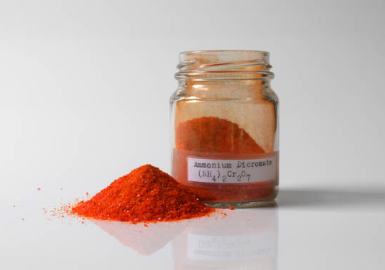
Reactions and Uses of Ammonium Dichromate
-

This week, the mainstream price of propylene oxide in the Chinese market has exceeded the 10,000 yuan mark (3.9-3.10)
-

Raw Material Side Shows Resilience—PTA Prices Surge Over 3% in a Single Day
-

Costs Rise, Hydrogen Peroxide Market Prices See an Increase