Sumitomo Chemical Launches Pilot Plant for Ethanol-to-Propylene Production
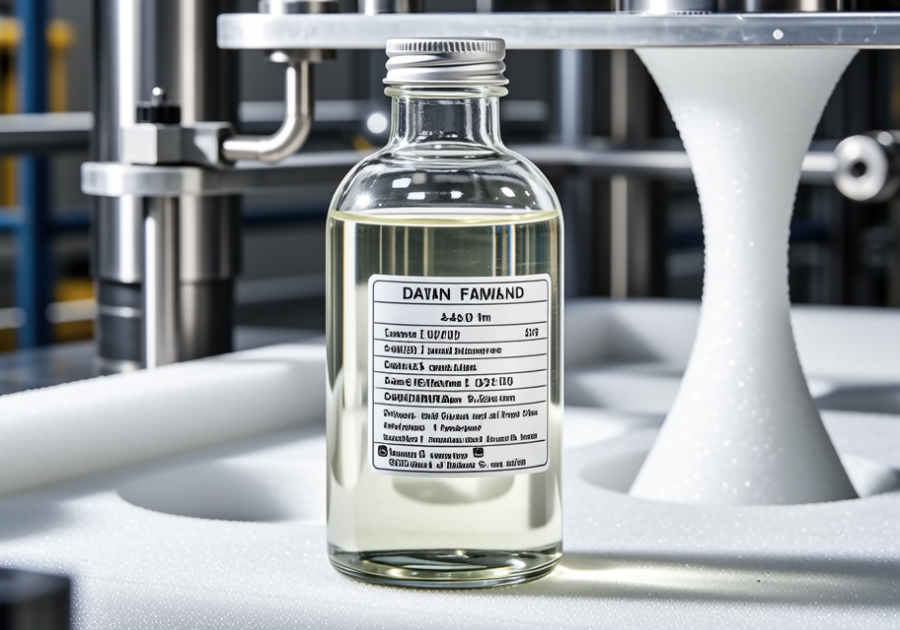
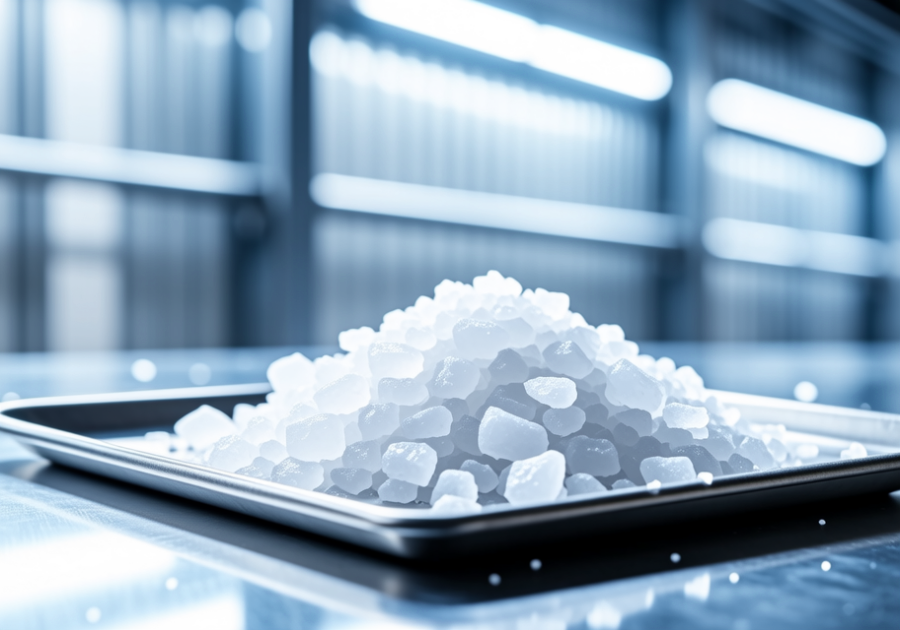
Sumitomo Chemical has constructed and begun operating a pilot facility at its Sodegaura site within the Chiba Works to test a proprietary process that produces propylene directly from ethanol.
This breakthrough technology, supported by Japan’s NEDO Green Innovation Fund, is expected to play a pivotal role in the petrochemical sector’s shift toward alternative feedstocks. The company aims to accelerate demonstration projects, with the goal of commercializing the process and licensing it to other firms in the early 2030s.
Propylene is an essential chemical used worldwide and in Japan is predominantly derived from naphtha, a fossil-based feedstock. By contrast, ethanol can be produced from renewable biomass such as sugarcane and corn, as well as non-food resources like pulp. In recent years, advances in large-scale ethanol production from combustible waste have moved close to industrial application, reinforcing ethanol’s potential as a sustainable alternative to fossil-derived basic chemicals.
Sumitomo Chemical’s newly developed method produces propylene directly from ethanol in a single step—without passing through intermediates such as ethylene, which other ethanol-based processes require. This unique advantage is expected to lower production costs. Moreover, the process also generates hydrogen as a byproduct. When bioethanol is used, the hydrogen produced is bio-based, offering an additional benefit.
Going forward, the company will focus on gathering the technical and operational data necessary for industrial-scale adoption, while actively promoting polypropylene made from this new propylene. Its long-term target is to achieve commercialization and widespread licensing of the technology in the early 2030s.

You May Interested In


High Quality β-Nicotinamide adenine dinucleotide CAS 53-84-9 NADwith ready stock and best price
$3/UNIT FOB


2026-10-18
Trade Alert
Delivering the latest product trends and industry news straight to your inbox.
(We'll never share your email address with a third-party.)

Related News
-
Aramco Acquires Sumitomo’s Stake for $702 Million, Boosting Control of Petro Rabigh to 60% — What Global Ambitions Does This Move Reveal?
-
Japan’s Three Major Chemical Companies Join Forces to Weather Challenges in the Plastics Industry
-
Sumitomo Chemical Acquires Syensqo's Liquid Crystal Polymer Pure Resin Business Assets
-
Brazil Expands Chemical Tax Breaks as India’s Crop Protection Industry Warns of a 25% Cost Increase
-
25 Companies Raise Prices Three Times Within a Month: China’s Titanium Dioxide Industry Shifts from “Price Wars” to a “Pricing Alliance”
-
High Crude Prices Are Passing Through the Coatings Chain as More Than 20 Companies Launch Price Increases
-
Behind the Three Consecutive Titanium Dioxide Price Hikes, Sulfur and Sulfuric Acid Costs Are Rewriting the Pricing Floor
-
When the Skin of Ships Gets More Expensive: A 30% Price Shock Is Quietly Rewriting the Cost Floor of Global Shipping
-
EU Finalizes Anti-Dumping Duties on Chinese Adipic Acid as Chemical Trade Enters a Rule-Intensive Phase
-
EU Biocidal Data Protection Extension Raises the Stakes for Chemical Market Entry
Recommend Reading
-
![U.S. Chemical Tariff Deadline Nears as the Industry Faces Cost Repricing and Supply-Chain Adjustment]()
U.S. Chemical Tariff Deadline Nears as the Industry Faces Cost Repricing and Supply-Chain Adjustment
-
![Chinese Urea Producers Receive a Timely Boost as Second Round of 2026 Export Quotas Nears 2 Million Tons]()
Chinese Urea Producers Receive a Timely Boost as Second Round of 2026 Export Quotas Nears 2 Million Tons
-
![EU Plans Broader Quotas and Tariffs on China, With Chemicals Clearly Named]()
EU Plans Broader Quotas and Tariffs on China, With Chemicals Clearly Named
-
![Trump’s Steel, Aluminum and Copper Tariff Changes Pull Chemical Manufacturing Into the Impact Zone]()
Trump’s Steel, Aluminum and Copper Tariff Changes Pull Chemical Manufacturing Into the Impact Zone
-
![API Supplier Audits Move to the Center of Pharma Supply Resilience]()
API Supplier Audits Move to the Center of Pharma Supply Resilience
-
![Business Society September 22, 2026 Phthalic Anhydride Trend Analysis: Clear Decline]()
Business Society September 22, 2026 Phthalic Anhydride Trend Analysis: Clear Decline
-
![Business Society, September 21, 2026: Propylene Oxide Trend Analysis — Decline Confirmed]()
Business Society, September 21, 2026: Propylene Oxide Trend Analysis — Decline Confirmed
-
![Recent Weakness in China's Propylene Oxide Market]()
Recent Weakness in China's Propylene Oxide Market
-
![This Week's TDI Market Rises to a High Level (3.23-3.27) in China]()
This Week's TDI Market Rises to a High Level (3.23-3.27) in China
-
![This week, caustic soda prices remain firm (3.23-3.27)]()
This week, caustic soda prices remain firm (3.23-3.27)