Hydrobromic Acid: Properties, Uses, and Safety
If you are researching Hydrobromic Acid (HBr) and wondering how it differs from other acids or aqueous solutions of hydrogen bromide, this article provides a complete overview. We’ll discuss its chemical properties, its uses in industry and laboratories, and essential hydrobromic acid safety considerations to ensure proper handling and application.
1. What is Hydrobromic Acid?
Hydrobromic Acid is a strong, corrosive acid formed by dissolving hydrogen bromide gas (HBr) in water. It is a colorless to pale-yellow solution with a sharp, pungent odor. Chemically, it is one of the primary sources of bromide ions and plays a crucial role in both organic and inorganic synthesis.
| Property | Typical Value / Note |
|---|---|
| Chemical formula | HBr (aqueous) |
| Concentration | Typically 48% by weight in commercial grade |
| Boiling point | 122 °C (for 47.6% solution) |
| Density | About 1.49 g/mL at 20 °C |
| pH | Below 1 (very acidic) |
These Hydrobromic Acid chemical properties explain why it is widely used as a strong acid reagent and bromine source. Its high reactivity and solubility make it suitable for diverse applications, particularly in organic synthesis.
2. Hydrobromic Acid uses in industry and research
Hydrobromic Acid uses span across chemical manufacturing, pharmaceuticals, and laboratory research. Below are the main industrial and laboratory applications:
- Organic synthesis: Hydrobromic Acid is used to produce alkyl bromides via substitution reactions, serving as intermediates for pharmaceuticals, agrochemicals, and flame retardants.
- Inorganic bromide production: It is essential in forming metal bromides like zinc bromide or sodium bromide, which have uses in drilling fluids and photography.
- Catalyst and reagent: Acts as a reducing agent in certain reactions, and as a catalyst in organic transformations such as alkylation or dehydration.
- Laboratory applications: Hydrobromic Acid in labs is commonly used for chemical analysis, reagent preparation, and controlled bromination reactions.
Overall, Hydrobromic Acid uses demonstrate its versatility, particularly where a strong but selective brominating acid is needed.
3. Hydrobromic Acid vs HBr solution: key differences
The terms “Hydrobromic Acid” and “HBr solution” are often used interchangeably, but they have subtle differences worth understanding:
| Aspect | Hydrobromic Acid | HBr Solution |
|---|---|---|
| Definition | Aqueous solution of hydrogen bromide gas (typically 48%) | Can refer to any solution of HBr in water, sometimes lower concentration |
| Reactivity | Strong acid, fully dissociated in water | Similar acidity, but may vary slightly with concentration |
| Applications | Used in chemical synthesis and industrial processing | Mainly for lab-scale reactions or as analytical reagent |
This comparison between Hydrobromic Acid vs HBr solution clarifies that while chemically similar, the terminology may depend on concentration, purity, and intended use. In industrial contexts, “Hydrobromic Acid” generally refers to standardized high-concentration solutions.
4. Hydrobromic Acid safety and handling
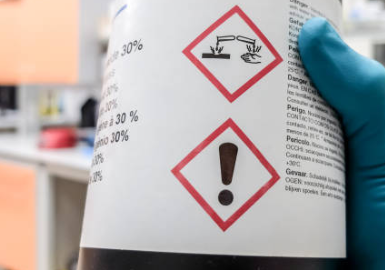
Because of its strong acidity and corrosive nature, Hydrobromic Acid safety is crucial in both industrial and lab settings. Key precautions include:
- Personal protective equipment (PPE): Always use acid-resistant gloves, eye protection, and lab coats. For concentrated solutions, face shields and fume hoods are recommended.
- Ventilation: Work in well-ventilated areas or fume hoods to avoid inhalation of vapors.
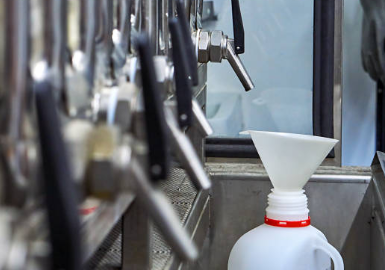
- Storage: Keep in tightly sealed glass or polyethylene containers away from oxidizing agents and metals.
- Spill management: Neutralize small spills with sodium bicarbonate and wash with plenty of water.
According to industrial safety data and recommendations from institutions such as OSHA and NIOSH, Hydrobromic Acid exposure should be minimized to prevent burns, respiratory irritation, or corrosion of materials. Proper training and hazard labeling are mandatory in workplaces handling the acid.
5. Summary and outlook
Hydrobromic Acid remains an indispensable reagent across multiple sectors due to its strong acidity and ability to act as a bromide source. Understanding its properties, safe handling, and how Hydrobromic Acid vs HBr solution differ can ensure effective and responsible usage. With stricter chemical safety regulations and increased demand for precision synthesis, HBr will continue to play a vital role in research, industrial chemistry, and analytical science.
Frequently Asked Questions
- Q1: What is the difference between Hydrobromic Acid and HBr gas?
- A: Hydrobromic Acid is the aqueous solution of HBr gas. Pure HBr gas is anhydrous and much more reactive, while Hydrobromic Acid is stabilized in water.
- Q2: Is Hydrobromic Acid dangerous to handle?
- A: Yes. It is highly corrosive to skin, eyes, and respiratory tissue. Use appropriate PPE and ventilation when handling.
- Q3: What are typical Hydrobromic Acid uses?
- A: Common uses include alkyl bromide synthesis, metal bromide preparation, and laboratory reactions involving bromination.
- Q4: How should Hydrobromic Acid be stored?
- A: Store in a cool, ventilated area in corrosion-resistant containers. Keep away from bases, metals, and oxidizers.
Looking for chemical products? Let suppliers reach out to you!
You May Interested In


Glow70/KLOW80 99% China Peptides Warehouse Direct Delivery Lyophilized Powder in Stock
$169/UNIT FOB


2026-10-25
Trade Alert
Delivering the latest product trends and industry news straight to your inbox.
(We'll never share your email address with a third-party.)

Related News
-
Polystyrene (PS): Properties, Foam Applications, and Recycling Challenges
-
Magnesium Stearate in Supplements: Is it Safe? (Vegan Status & Function)
-
Sodium Chloride (NaCl): Food Grade vs Industrial Grade Uses & Safety Data
-
Chemical Raw Materials: How to Source Quality Suppliers & Understand Grades
-
Barium Sulfide: Properties, Uses, and Safety
-
Uses and Properties of Copper Acetate
-
Understanding Titanium Oxide: Properties and Uses
-
Isoascorbic Acid: Uses and Safety
-
Silver Nitrate: Medical Uses, Photography History, and Staining Properties
-
Phosphoric Acid: Uses in Cola, Rust Removal, and Fertilizers Explained
Recommend Reading
-
![Sodium Nitrate: Fertilizer, Food Curing, and Explosive History]()
Sodium Nitrate: Fertilizer, Food Curing, and Explosive History
-
![Aluminum Oxide (Al2O3): Abrasive Uses, Ceramic Applications, and Safety]()
Aluminum Oxide (Al2O3): Abrasive Uses, Ceramic Applications, and Safety
-
![Understanding PCl5: Compound Name and Uses]()
Understanding PCl5: Compound Name and Uses
-
![Glycopyrronium: Pharmaceutical Applications, Mechanism, and Chemical Specs]()
Glycopyrronium: Pharmaceutical Applications, Mechanism, and Chemical Specs
-
![Methanol Methyl Alcohol vs Ethanol: Toxicity, Fuel Uses, and Industrial Solvent Safety]()
Methanol Methyl Alcohol vs Ethanol: Toxicity, Fuel Uses, and Industrial Solvent Safety
-
![Optimistic Expectations for US-Iran Talks Lead to Sharp Drop in Oil Prices, Long-term Supply and Demand Dynamics Remain Uncertain]()
Optimistic Expectations for US-Iran Talks Lead to Sharp Drop in Oil Prices, Long-term Supply and Demand Dynamics Remain Uncertain
-
![Formic Acid Stabilizes First in May, Then Rises, and Remains Stable After the Rise]()
Formic Acid Stabilizes First in May, Then Rises, and Remains Stable After the Rise
-
![Business Society’s Palm Oil Market Outlook on September 4, 2026: Bullish]()
Business Society’s Palm Oil Market Outlook on September 4, 2026: Bullish
-
![Cost Benefits Support PTA Market’s “Strong Start”]()
Cost Benefits Support PTA Market’s “Strong Start”
-
![Melamine Market Stabilizes Temporarily; a Definitive Bottom in the Short Term Has Basically Been Established]()
Melamine Market Stabilizes Temporarily; a Definitive Bottom in the Short Term Has Basically Been Established