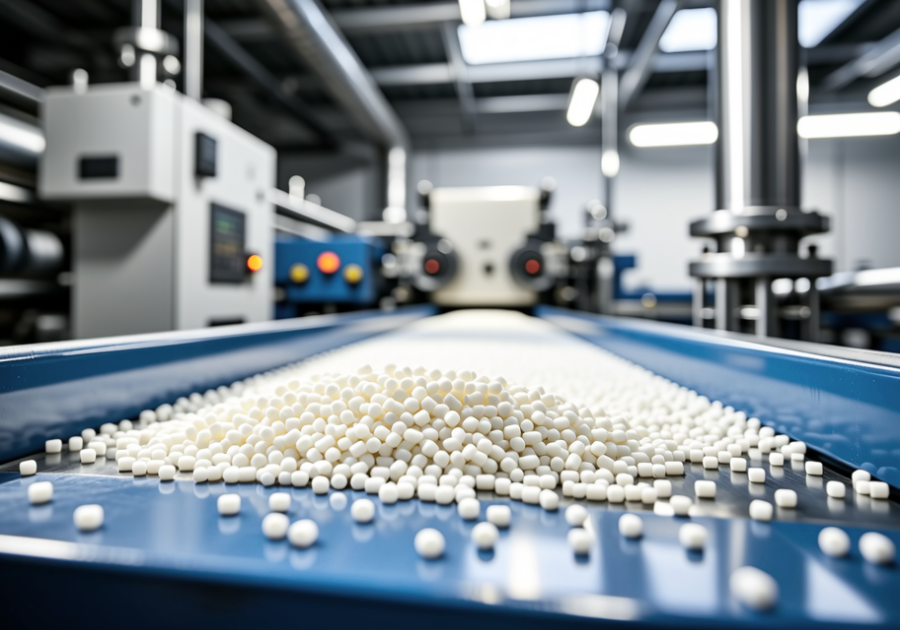
Pesticide Market in Limbo: Prices Plunge Amid Weak Demand and Overcapacity—Only a Few Hold Firm
The global pesticide market has entered a period of stagnation and downward pressure, with weak demand and oversupply pushing most active ingredients into a prolonged correction phase. Last week’s trading environment mirrored the previous one, marked by lackluster sentiment, minimal new orders, and persistent bearish momentum across key segments.
While most products traded in narrow ranges at historically low levels, a few high-profile commodities saw sharp declines, signaling deeper structural challenges in the agricultural chemicals sector. The dominant theme remains supply-side excess meeting sluggish downstream absorption, especially as farmers delay purchases amid uncertain crop outlooks and tighter margins.
In the herbicide segment, 95% glyphosate technical grade (TC) dropped 200 RMB/ton, settling at 26,000 RMB/ton—a price point that reflects not just weak demand but also aggressive producer competition in China’s dominant export-driven supply chain. Despite stable logistics and consistent output, buyers remain cautious, delaying bulk purchases and favoring spot transactions.
Even more dramatic was the collapse in insecticides. 98% fenoxycarb TC plunged by a staggering 100,000 RMB/ton, now priced at 400,000 RMB/ton. This steep fall underscores a market-wide loss of confidence, likely triggered by excess inventory, reduced crop protection needs, and increased production capacity from both domestic and international players. Fenoxycarb, once a specialty product for greenhouse and ornamental crops, is now caught in a wave of commoditization.
On the fungicide front, 97% pyraclostrobin TC declined by 1,000 RMB/ton to 141,000 RMB/ton, continuing its slow descent after earlier gains. While still considered a premium product, it too is vulnerable to seasonal slowdowns and reduced application rates in major grain-producing regions.
Yet not all news is bad. A small group of products defied the trend, holding firm due to tight inventories and limited production capacity. These include propiconazole, flutriafol, and chlorothalonil, where low开工 rates and supply constraints have kept prices relatively stable—even slightly resilient—amid broader weakness.
Looking ahead, no immediate catalysts are expected to reverse the current downtrend. With no significant policy support, weather-driven demand spikes, or supply disruptions on the horizon, the market is likely to remain range-bound and volatile in the near term. Analysts predict limited upside potential for most pesticides unless there’s a sudden shift in agricultural planting patterns or a resurgence in export demand from Latin America and Southeast Asia.
For now, the message is clear: the era of easy profits in agrochemicals is over. Producers face a stark choice—cut costs, consolidate, or risk being squeezed out. As prices continue to erode margins, the industry may finally see a long-overdue consolidation wave—one that could reshape the competitive landscape for years to come.

You May Interested In


2026-09-23
Trade Alert
Delivering the latest product trends and industry news straight to your inbox.
(We'll never share your email address with a third-party.)

Related News
-
FDA Reopens the Raw Manure Debate
-
FDA and NIH Launch a New Nutrition Science Partnership
-
FDA Sharpens the Dietary Supplement Ingredient Debate
-
Colombia Makes Preliminary Ruling in Anti-Dumping Investigation into Chinese DOP Imports
-
EU Set to Seek Import Quotas on PET, Epoxy Resins and Fibreglass as Trade Curbs Reach Chemicals
-
US Tariff Pressure on Canada Raises Risks for North American Chemical Supply Chains
-
U.S. Delays Mandatory GRAS Notification Proposal, Pushing Food-Additive Overhaul to Year-End
-
FDA Names Veteran Oncology Regulator Pazdur as Director of Drug Review Center
-
关于加强防范钓鱼邮件的通知 Notification on Strengthening Anti-Phishing Measures
-
Canada Issues Non-Compliance Notice to Dr. Reddy’s on Semaglutide Generic
Recommend Reading
-
![Trump Urges Ukraine to Halt Russian Refinery Strikes as Diesel Shortage Becomes a Global Policy Issue]()
Trump Urges Ukraine to Halt Russian Refinery Strikes as Diesel Shortage Becomes a Global Policy Issue
-
![EFSA Reviews Clodinafop Risk]()
EFSA Reviews Clodinafop Risk
-
![FDA Revokes Orange B Authorization and Proposes Removing Citrus Red No. 2]()
FDA Revokes Orange B Authorization and Proposes Removing Citrus Red No. 2
-
![South Korea and Japan Launch Energy Supply Chain Cooperation as Hormuz Risks Grow]()
South Korea and Japan Launch Energy Supply Chain Cooperation as Hormuz Risks Grow
-
![India Approves ₹30.3 Billion Chemical-Park Scheme to Build Three Mega Industrial Hubs]()
India Approves ₹30.3 Billion Chemical-Park Scheme to Build Three Mega Industrial Hubs
-
![Supply Recovery Limited & Cost Decline: PP Market Shakes and Faces Potential Drop]()
Supply Recovery Limited & Cost Decline: PP Market Shakes and Faces Potential Drop
-
![Business Society’s Trend Analysis for Dichloromethane on September 14, 2026: Strong Consolidation]()
Business Society’s Trend Analysis for Dichloromethane on September 14, 2026: Strong Consolidation
-
![Supply Tightens, Demand Holds Strong—Hydrogen Peroxide Prices Soar]()
Supply Tightens, Demand Holds Strong—Hydrogen Peroxide Prices Soar
-
![Business Society September 14, 2026 MIBK Trend Analysis: Strong Consolidation]()
Business Society September 14, 2026 MIBK Trend Analysis: Strong Consolidation
-
![Business Society’s Acrylonitrile Trend Analysis for September 14, 2026: Anti-Depreciation Alert]()
Business Society’s Acrylonitrile Trend Analysis for September 14, 2026: Anti-Depreciation Alert