“No Artificial Colors” Gets Redefined—Why FDA’s Labeling Shift Is Roiling the Food Additive World
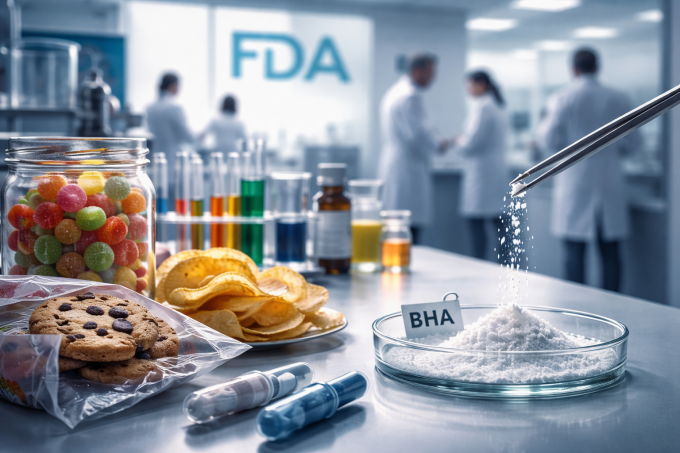
A simple phrase on a package—“no artificial colors”—just got a major U.S. regulatory makeover. In early February 2026, the FDA announced a new enforcement approach that lets companies use “no artificial colors” claims even if they add plant-based color additives, so long as those colors meet the agency’s stated criteria.
At the same time, FDA actions moved to expand color options derived from natural sources, including beetroot red as a color additive exempt from certification, with an effective date later in March 2026.
Taken together, the message is loud: America’s food color playbook is being rewritten—fast.
What changed—and why it matters
Historically, consumers tended to read “no artificial colors” as no added color at all, or at least no additives used primarily to color the food. Under FDA’s updated approach, a company may still make the claim while using certain plant-based color additives—a shift that could accelerate reformulation away from petroleum-based certified colors, but also reshape consumer expectations about what the claim truly guarantees.
This isn’t just semantics. In the real world, the label drives:
-
Retail acceptance (some buyers filter products by claim language)
-
Reformulation budgets (natural colors can be costlier and harder to stabilize)
-
Supplier selection (more demand for botanical pigments, more QA pressure)
-
Litigation risk (label claims are a common target)
The “natural dye” green light: beetroot red moves forward
The FDA’s Federal Register action to list beetroot red as a color additive exempt from certification is a big technical unlock: it expands the palette of non-certified colors companies can use across foods under good manufacturing practice (GMP) conditions.
For product teams, that means a more viable path to replace certain certified dyes—especially in categories where consumers strongly prefer “clean label” optics.
But it also introduces new operational questions:
-
Color stability under heat, light, and pH
-
Batch-to-batch variability (common with botanical sources)
-
Supply security and crop-linked cost volatility
-
Allergen/processing notes for specific extracts (depending on source and manufacturing)
Why critics say the new label standard could confuse shoppers
Not everyone is cheering. Reporting around the shift notes a central concern: a “no artificial colors” claim could still appear on foods containing additives that critics argue consumers would not expect under that wording, depending on how the claim is interpreted.
That tension is at the heart of the controversy:
-
Industry view: the change incentivizes replacement of certified colors and supports a transition to alternatives.
-
Advocate view: the claim risks becoming marketing gloss, unless consumers can easily understand what was used and why.
In other words, FDA’s move may speed up change—but also raise the stakes on transparency.
The bigger trend: states and regulators are tightening ingredient scrutiny
This update lands in a broader U.S. moment where state legislatures and courts are increasingly active on ingredient warnings, bans, and disclosure requirements—often faster than federal timelines.
So even if a company feels comfortable under a federal enforcement approach, it still has to navigate:
-
state-by-state policy momentum
-
retailer-specific standards
-
consumer-advocacy pressure
-
reputational risk if the claim is perceived as “loophole labeling”
What food companies should do next
If you’re in formulation, regulatory, procurement, or brand, here are the practical moves that matter:
-
Audit claims vs. ingredient reality. If you plan to use “no artificial colors,” document the rationale and ensure it aligns with FDA’s stated approach.
-
Stress-test your natural color supply chain. Botanical pigments can introduce variability—plan specs, testing, and backup sourcing early.
-
Prepare for scrutiny anyway. Even compliant claims can become reputational flashpoints if consumers interpret them differently than regulators do.
-
Watch the effective dates. Regulatory actions can have specific implementation timelines (including March 2026 effective dates for certain color-additive listings).
FDA’s February 2026 shift is more than a labeling tweak. It redefines a major consumer trust signal—and in doing so, it may accelerate the move toward plant-based colors while intensifying debates about what “clean” truly means.
In 2026, the hottest food additive battleground may not be a new molecule—it may be the words on the front of the pack.

You May Interested In


2026-09-30
Trade Alert
Delivering the latest product trends and industry news straight to your inbox.
(We'll never share your email address with a third-party.)

Related News
-
关于加强防范钓鱼邮件的通知 Notification on Strengthening Anti-Phishing Measures
-
South Korea’s Largest Petrochemical Hub Moves to Cut Cracker Capacity by 40%
-
South Korea and Japan Launch Energy Supply Chain Cooperation as Hormuz Risks Grow
-
Medicare’s $50 GLP-1 Door Opens: Weight-Loss Drug Demand Just Got Bigger
-
GM Crop Area Reaches 216 Million Hectares
-
China’s Hybio Takes Generic Tirzepatide to FDA: Lilly’s GLP-1 Fortress Gets a Warning Shot
-
FDA Delays Beetroot Red and Spirulina Color Orders
-
GM Crop Area Reaches 216 Million Hectares
-
Refrigerant Prices Peak! Domestic Quotas Tighten, U.S. and U.K. Policies Add Fuel to the Fire
-
FDA Pushes New Approach to “No Artificial Colors” Claims
Recommend Reading
-
![U.S. and China Open New High-Level Trade Talks on Tariffs, Critical Minerals and Pharma Investment]()
U.S. and China Open New High-Level Trade Talks on Tariffs, Critical Minerals and Pharma Investment
-
![UK Opens Formal Review of AkzoNobel–Axalta $25 Billion Merger]()
UK Opens Formal Review of AkzoNobel–Axalta $25 Billion Merger
-
![U.S. Congress Passes Bill Authorizing Tariffs of Up to 100% on Major Buyers of Russian Energy]()
U.S. Congress Passes Bill Authorizing Tariffs of Up to 100% on Major Buyers of Russian Energy
-
![U.S. Formally Imposes Antidumping and Countervailing Duty Orders on Chinese L-Lysine]()
U.S. Formally Imposes Antidumping and Countervailing Duty Orders on Chinese L-Lysine
-
![FDA Reopens BHA Review—Why One Preservative Is Becoming a Global Wake-Up Call for Food Additives]()
FDA Reopens BHA Review—Why One Preservative Is Becoming a Global Wake-Up Call for Food Additives
-
![Business Society September 20, 2026 MTBE Trend Analysis: Volatile Consolidation]()
Business Society September 20, 2026 MTBE Trend Analysis: Volatile Consolidation
-
![Natural Rubber Prices Fluctuated Downward in 2025, Bottom Support Exists in 2026 with a Slight Shift Upward in Price Focus]()
Natural Rubber Prices Fluctuated Downward in 2025, Bottom Support Exists in 2026 with a Slight Shift Upward in Price Focus
-
![In October, the Chinese acetic acid market showed a weak downward trend]()
In October, the Chinese acetic acid market showed a weak downward trend
-
![Business Society September 20, 2026 Petroleum Coke Trend Analysis: Volatility]()
Business Society September 20, 2026 Petroleum Coke Trend Analysis: Volatility
-
![December Epoxy Chloropropane Market First Rises, Then Stabilizes]()
December Epoxy Chloropropane Market First Rises, Then Stabilizes