Can the Manufacturing Sector Withstand Dow’s April Polyethylene Price Doubling?
Starting April 1, 2026, Dow Chemical will double its polyethylene price increase in the U.S. and Canadian markets to 30 cents per pound.
Previously, Dow CEO James Fitterling had announced at last week’s investor meeting a 15-cent-per-pound price increase for April, on top of the 10-cent-per-pound hike in March. However, just days later, Dow abruptly reversed its plan, raising the April increase to 30 cents per pound in a single move.
Almost simultaneously, LyondellBasell also announced consecutive price hikes: after a 10-cent-per-pound increase in March, it plans a 15-cent-per-pound hike in April and another 10-cent-per-pound increase in May. If all these increases are implemented, the cumulative rise from March to May would reach 35 cents per pound. Multiple producers raising prices at the same time reflects growing market uncertainty about future supply.
Shipping disruptions in the Strait of Hormuz have tightened global petrochemical supply, driving polyethylene and polypropylene prices to four-year highs. This shock is putting dual pressure on manufacturing industries in Asia and Europe that rely on imports: soaring costs and tight supply.
Dow Chemical is a global leader in chemicals, materials, and plastics used in packaging, industrial, and consumer goods. The company plays a key role in the global polyethylene market, and the price increase is expected to affect supply chains and product costs across multiple industries.
Actual Production Cuts in Asian Manufacturing
In South Korea, several plastics factories have had to cut production to just 20%–30% of capacity due to raw material shortages. Production lines have stalled or are operating slowly because materials like plastic films are not arriving on time.
Manufacturers in China and South Korea generally report tight supply of packaging materials and plastics, with some companies forced to stockpile heavily or postpone production plans.
Rising Costs in Global Daily Consumer Goods and Food Industries
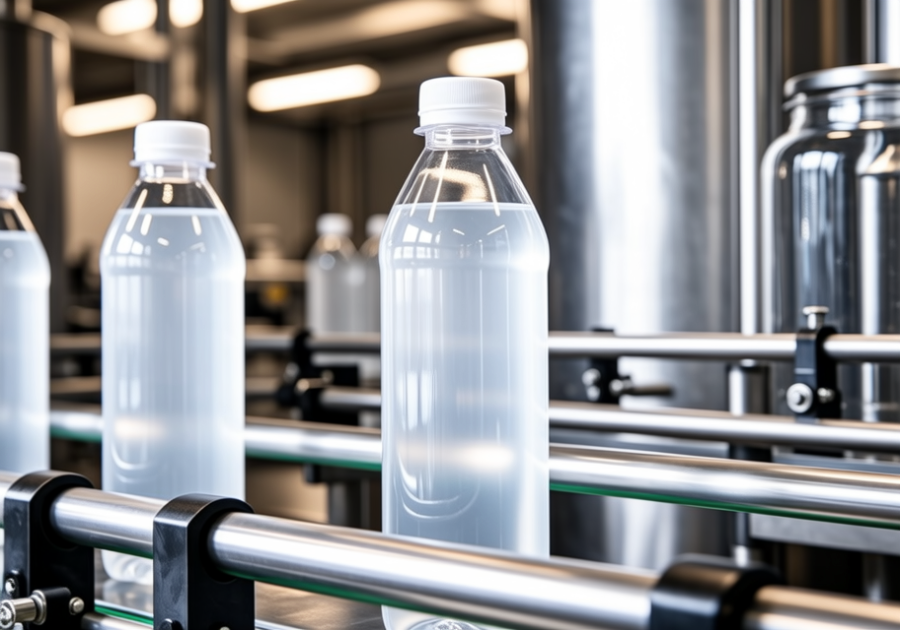
Increases in resin and plastic prices are passing through to the consumer goods and packaging markets—for example, packaging cost hikes are driving up the cost of bottled water and other daily necessities.
Some major food producers have already warned that ongoing raw material shortages could further increase product costs or even cause supply shortages.
Cost Transmission to Appliances, End Products, and Engineering Plastics
Rising crude oil and plastic raw material prices are impacting overall manufacturing: appliance and electric vehicle manufacturers have issued new price increase notices; construction materials such as plastic pipes and films are facing similar price hikes and supply instability. Upstream cost increases combined with rising logistics expenses are putting significant pressure on overall manufacturing costs.
Dow Chemical’s actions are passing upstream costs to downstream industries, ultimately affecting consumers. Whether manufacturers can cope with these changes depends not only on their cost management capabilities but also on how quickly global supply chains recover. Both manufacturers and consumers may need to explore alternative solutions or adjust financial plans accordingly.

You May Interested In


Glow70/KLOW80 99% China Peptides Warehouse Direct Delivery Lyophilized Powder in Stock
$169/UNIT FOB


2026-10-23
Trade Alert
Delivering the latest product trends and industry news straight to your inbox.
(We'll never share your email address with a third-party.)

Related News
-
Dow Closes Three Major European Plants and Lays Off 800 Employees
-
Dow Chemical announces expansion of SAS Chemicals’ high-performance curtain wall industry capabilities
-
Arkema acquires Dow packaging adhesives business
-
BASF Pushes Triple-Action Weed Control
-
BASF Pushes Triple-Action Weed Control
-
LANXESS Raises Global 1,6-Hexanediol Prices by 20% as Cost Pressure Begins to Pass Downstream
-
BorsodChem Raises MDI Prices by €500 as Cost Pressure in Europe’s Polyurethane Chain Continues to Escalate
-
BASF Raises BA and 2-EHA Prices as Acrylic Ester Costs Continue to Move Higher in Asia-Pacific
-
EU Clears Bayer-KWS Sugar Beet Event
-
Lilly Bets US$3 Billion on China While Simultaneously Cracking Down on the Gray Market for Weight-Loss Drugs
Recommend Reading
-
![EU Clears Bayer-KWS Sugar Beet Event]()
EU Clears Bayer-KWS Sugar Beet Event
-
![Novo Nordisk Faces a Compliance Test]()
Novo Nordisk Faces a Compliance Test
-
![Deméter Enters China with a Stress-Focused Pitch]()
Deméter Enters China with a Stress-Focused Pitch
-
![BioNTech’s Founders Turn the Page]()
BioNTech’s Founders Turn the Page
-
![From LANXESS’s 50% to Tire Makers’ 5%: The Rubber Industry Chain Is Experiencing a “Decreasing-Cost Transmission”]()
From LANXESS’s 50% to Tire Makers’ 5%: The Rubber Industry Chain Is Experiencing a “Decreasing-Cost Transmission”
-
![Multiple Drivers: Polyester Bottle Flakes Market Sees a Strong Surge This Week]()
Multiple Drivers: Polyester Bottle Flakes Market Sees a Strong Surge This Week
-
![Costs Plunge Aniline Prices Fall from High Levels]()
Costs Plunge Aniline Prices Fall from High Levels
-
![Cost Transmission DOP “Roller Coaster” Market Conditions]()
Cost Transmission DOP “Roller Coaster” Market Conditions
-
![BDO Market Trends Continue to Rise]()
BDO Market Trends Continue to Rise
-
![EFSA Reviews Clodinafop Risk]()
EFSA Reviews Clodinafop Risk