China Activates Blocking Rules in Response to U.S. Sanctions on Petrochemical Firms
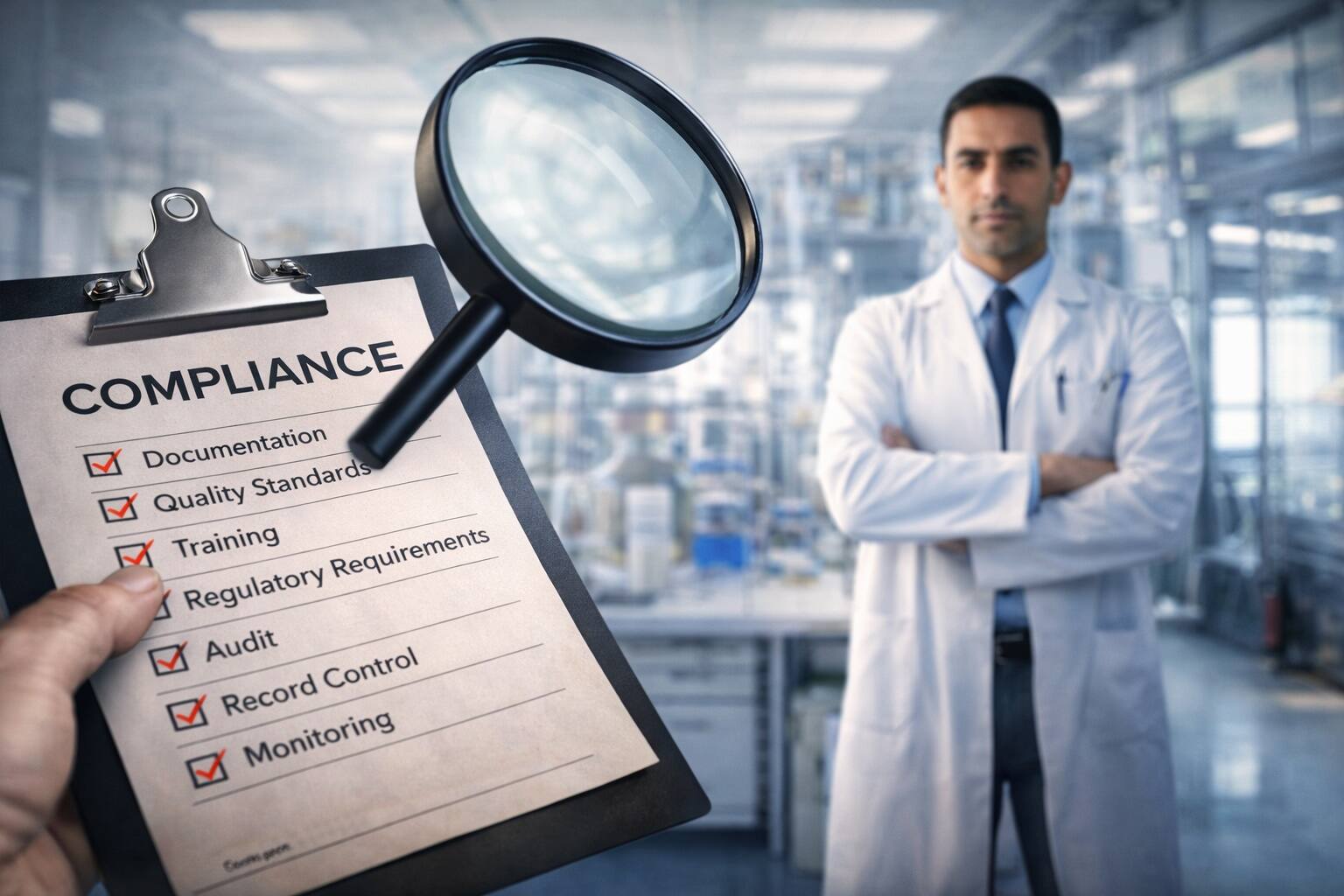
On May 2, 2026, China’s Ministry of Commerce issued Announcement No. 21, formally activating the Rules on Counteracting Unjustified Extraterritorial Application of Foreign Legislation and Other Measures. The move targets U.S. sanctions imposed on Chinese petrochemical companies over alleged involvement in Iranian oil trade, and explicitly requires that organizations and individuals within China must not recognize, comply with, or enforce the relevant U.S. measures. This marks the first time since the rules came into effect in 2021 that they have been applied in a specific case.
The companies placed on the U.S. SDN (Specially Designated Nationals) list include Hengli Petrochemical (Dalian Refining & Chemical Co., Ltd.), Shandong Shouguang Luqing Petrochemical Co., Ltd., Shandong Jincheng Petrochemical Group Co., Ltd., Hebei Xinhai Chemical Group Co., Ltd., and Shandong Shengxing Chemical Co., Ltd. The entities involved are primarily part of China’s private refining sector and regional independent refineries.
Among them, Hengli Petrochemical is the largest in scale. In 2025, the company reported revenue of approximately RMB 200.986 billion and net profit attributable to shareholders of RMB 7.075 billion. It operates an integrated refining capacity of around 20 million tons per year, along with downstream units producing paraxylene and polyolefins, placing it in a key position within China’s private refining industry. In response to the U.S. allegations regarding Iranian crude, the company issued a statement in late April denying any such transactions and stated that its operations remain stable.
Beyond this case, U.S. trade restrictions on China’s chemical sector have continued in recent months. In April 2026, the U.S. Department of Commerce issued a final anti-dumping determination on MDI (methylene diphenyl diisocyanate) imports from China. Wanhua Chemical was assigned a dumping margin of 85.11%, while other Chinese producers faced higher rates. When combined with existing tariffs, export costs to the U.S. have risen significantly, weighing on the competitiveness of related products.
The overlap of corporate sanctions and product-level trade remedies indicates that external pressures are extending from individual transactions to corporate entities. According to data released by the China Council for the Promotion of International Trade, the chemical sector ranks among the industries facing relatively high levels of global trade friction in 2026, with the United States remaining a primary source.
Against this backdrop, the activation of the blocking rules provides a formal legal framework for Chinese companies and reflects a broader use of institutional tools to respond to extraterritorial jurisdiction. The extent of the impact will depend on how companies navigate cross-border settlement, trade execution, and supply chain arrangements. Some analysts note that such targeted countermeasures may help manage tensions while leaving room for further dialogue.

BASF Raises API and Excipient Prices
You May Interested In


2026-09-27
Trade Alert
Delivering the latest product trends and industry news straight to your inbox.
(We'll never share your email address with a third-party.)

Related News
-
Procter & Gamble Posts Higher Profits on Strong Personal Care Sales and Recovery in China
-
China National Salt Industry Corporation Advances 10,000 t/y Sodium Metal Expansion Project, Industry Leader Invests Nearly RMB 100 Million
-
Henkel's Acquisition of Stahl Enters Regulatory Countdown: Will the €2.1 Billion Deal Go Through?
-
BASF Ludwigshafen Workforce Falls Below 30,000, Lowest Level in 72 Years
-
DyStar Becomes a Wholly-Owned Subsidiary of Zhejiang Longsheng Group, Ending Longstanding Shareholder Disputes with a $5 Billion Deal
-
Wanhua Chemical's 240,000-ton/year Iron Phosphate Project Approved
-
Pharmaceutical State-Owned Enterprise Acquires Leading Pesticide Company for RMB 5.656 Billion, Betting on Synthetic Biology Industrialization
-
BASF Brings Biomass-Balance Polyols to North America
-
Henkel to Acquire Olaplex in $1.4 Billion Deal
-
Due to Supply Chain Disruptions, A Major MDI/TDI Facility in the Middle East has Suddenly Shut Down!
Recommend Reading
-
![Novo Nordisk Faces a Compliance Test]()
Novo Nordisk Faces a Compliance Test
-
![BioNTech’s Founders Turn the Page]()
BioNTech’s Founders Turn the Page
-
![BASF Pushes Triple-Action Weed Control]()
BASF Pushes Triple-Action Weed Control
-
![BASF Pushes Triple-Action Weed Control]()
BASF Pushes Triple-Action Weed Control
-
![Merck and Eisai Halt Late-Stage Trial for Liver Cancer Therapy]()
Merck and Eisai Halt Late-Stage Trial for Liver Cancer Therapy
-
![Consumption Fails to Match High Supply, October PP Refutes Peak Season Trend in China]()
Consumption Fails to Match High Supply, October PP Refutes Peak Season Trend in China
-
![Price Cuts and Weak Demand Create Tension as October PC Prices Rise, Then Retreat]()
Price Cuts and Weak Demand Create Tension as October PC Prices Rise, Then Retreat
-
![July Phosphate Market Trend Weakens and Declines in China]()
July Phosphate Market Trend Weakens and Declines in China
-
![Fundamental Factors Fail to Deliver Positive Momentum; October ABS Prices Gradually Decline]()
Fundamental Factors Fail to Deliver Positive Momentum; October ABS Prices Gradually Decline
-
![July Acetic Acid Market First Rises Then Falls in China]()
July Acetic Acid Market First Rises Then Falls in China