Europe is expected to face a jet fuel deficit of approximately 510,000 barrels per day in the fourth quarter of 2026, according to market analysis and shipping data reported on September 21. Disruptions to Middle Eastern supplies since the outbreak of the Iran war have reduced a major source of European imports, forcing buyers to bring in more cargoes from the United States, Canada, Nigeria and increasingly South Korea. Energy Aspects expects the European shortfall to contrast with a small U.S. surplus and a much larger supply surplus in Asia-Pacific.
Middle Eastern producers had previously supplied a substantial share of Europe’s imported jet fuel.
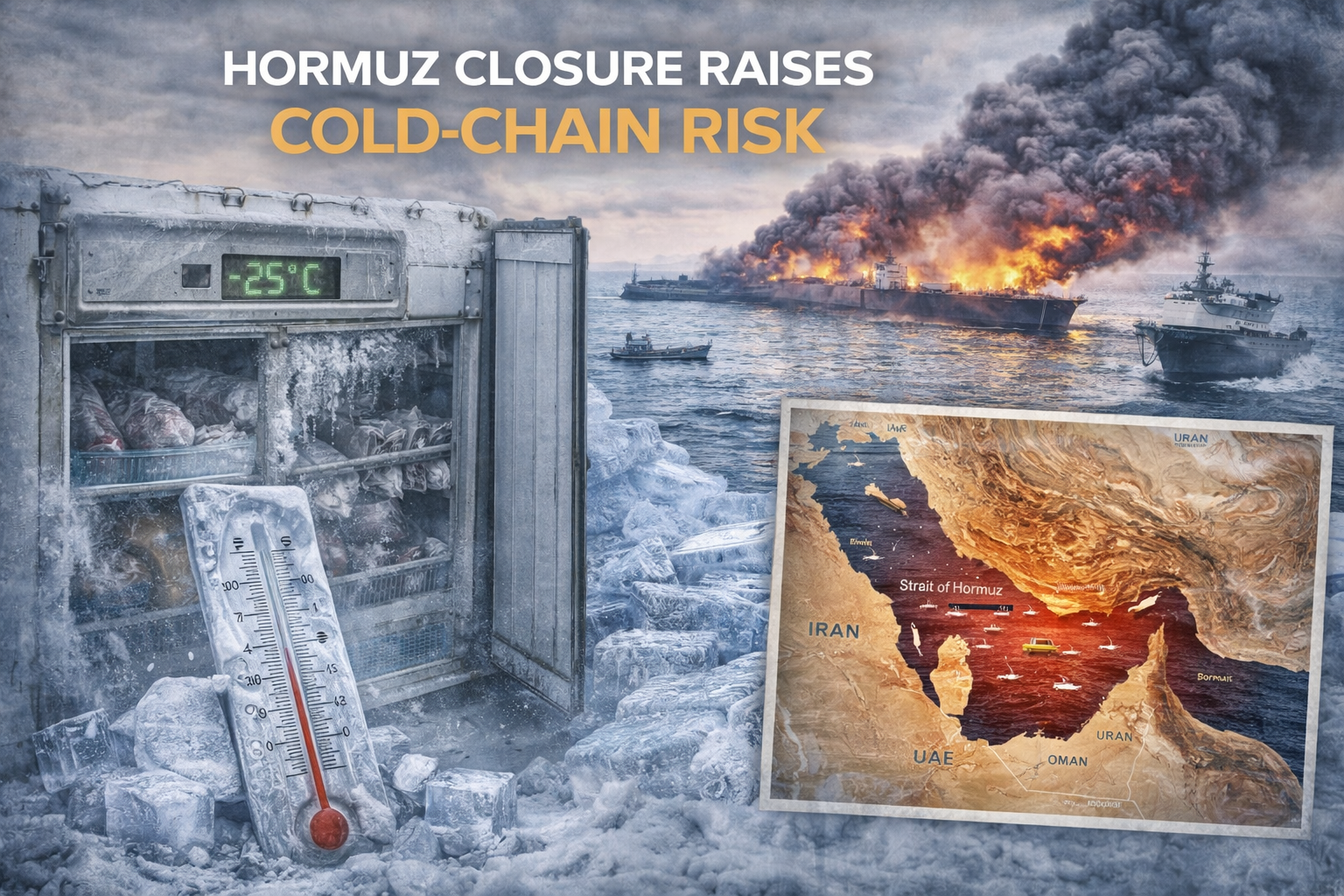
The conflict and associated shipping disruptions have cut around half of Europe’s jet fuel imports from the Middle East, leaving refiners and traders searching for replacement barrels from farther afield.
Transatlantic and West African flows have increased as a result.
The United States, Canada and Nigeria are among the markets supplying additional cargoes, with Nigeria’s Dangote refinery also increasing jet fuel shipments into Europe this year.
Asia is now becoming another important swing supplier.
Shipping data indicate that South Korean jet fuel exports to Europe are expected to reach around 129,000 barrels per day in September, the highest level since October 2022.
Higher refinery output in South Korea and favorable arbitrage economics have made it more attractive to move cargoes westward.
South Korean refineries produced around 13.89 million barrels of jet fuel in July, alongside higher crude-processing and export volumes.
Meanwhile, European inventories have continued to tighten.
Jet fuel stocks in the Amsterdam-Rotterdam-Antwerp hub have fallen to their lowest level in seven years, reducing the buffer available to the region if further disruptions hit incoming supply.
ARA is one of Europe’s most important storage and trading centers for refined petroleum products.
The decline in inventories comes as European buyers are increasingly dependent on longer-distance cargoes.
Shipping jet fuel from Northeast Asia, North America or West Africa requires longer voyages than traditional Middle Eastern supply routes, increasing vessel requirements and extending replacement times.
Refiners are also responding to changing economics between jet fuel and diesel.
Both products sit within the middle-distillate portion of the refining barrel, allowing refiners to adjust yields within technical limits depending on margins.
Price spreads between Asian and European distillate markets have recently encouraged more Asian exports toward Europe.
Energy Aspects estimates that the Asia-Pacific region could hold a jet fuel surplus of around 419,000 barrels per day in the fourth quarter.
The United States is expected to have a much smaller surplus of approximately 18,000 barrels per day.
Europe, by comparison, is projected to remain short by around 510,000 barrels per day.
South Korea is therefore joining the U.S., Canada and Nigeria as a growing source of replacement supply for European buyers.
As of September 21, ARA jet fuel inventories remained at a seven-year low while Middle Eastern supply and shipping flows remained disrupted.