September 29th, according to reports
In September, most segments of the rubber industry moved higher, with only acrylonitrile weakening. Overall, international crude oil prices remained elevated, and with robust raw‑material prices for natural rubber, cost support across the rubber value chain was pronounced. Meanwhile, downstream tire production utilization stayed subdued, and the pass‑through of higher raw‑material costs was hindered, resulting in a market dynamic characterized by rising input prices and downward pressure on end‑users.
| Commodity | September 1 | September 29 | Monthly Change Rate |
|---|---|---|---|
| Carbon Black N220 | 9,142 | 11,692 | 27.89% |
| Styrene | 9,460 | 10,220 | 8.03% |
| Nitrile Rubber | 17,450 | 18,575 | 6.45% |
| Polybutadiene Rubber | 15,180 | 15,890 | 4.68% |
| Styrene-Butadiene Rubber 1502 | 15,266 | 15,841 | 3.77% |
| Natural Rubber SCRWF | 18,125 | 18,425 | 1.66% |
| Butadiene | 13,333 | 13,466 | 1.00% |
| Acrylonitrile | 11,433 | 10,833 | -5.25% |
The most active Shanghai rubber contract briefly probed this year’s highs before retracing amid supply‑demand dynamics, with the market broadly characterized by strong expectations and weak fundamentals. On the supply side, Southeast Asia has entered its seasonal peak production period; however, persistent rainfall in major producing regions has disrupted tapping, leading to a slower-than-expected release of raw rubber. Coupled with aging rubber trees and disease pressures, new‑rubber arrivals have remained subdued, while Qingdao port inventories continue to decline at a gradual pace, providing support to rubber prices at the lower end. In the synthetic‑rubber segment, rising butadiene costs have boosted demand for natural‑rubber substitution, further bolstering market sentiment.
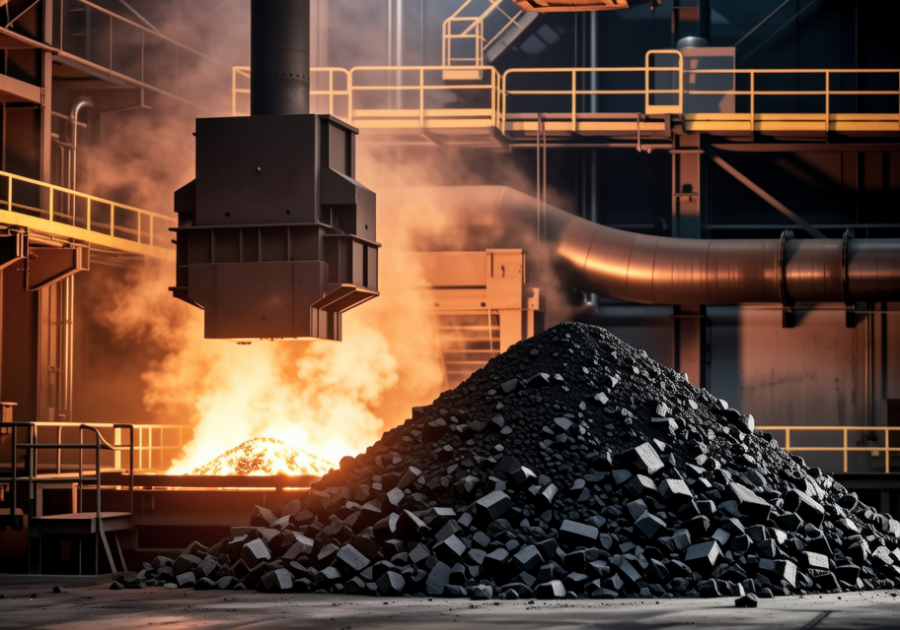
Carbon black ranked first in price increases across the rubber industry chain in September. Reduced production at coking plants tightened the supply of coal tar, pushing up its price; under cost pressures, the carbon black industry’s operating rate fell back to around 65%, while spot inventories remained low, driving a sharp rally in the carbon black market.
Acrylonitrile was the only product in the rubber industry chain that fell in September. In September, the price of acrylonitrile in China first declined significantly and then rebounded slightly, resulting in an overall decline for the month. At the beginning of the month, on one hand, the price of propylene, the raw material, decreased, and on the other hand, the previously shut down acrylonitrile facilities resumed production, along with the expectation of a new facility in Tianjin starting operations, which increased the supply pressure. Under the combined influence, the price of acrylonitrile dropped significantly. Mid-month, the price of propylene rose again, providing some cost support for acrylonitrile. However, the demand for downstream products such as ABS, acrylic fiber, and nitrile rubber remained weak, with only rigid demand procurement, which put some pressure on the acrylonitrile market.
The rubber industry is facing significant pressure on terminal demand. Although it is traditionally the peak "Golden September" season, tire manufacturers have high finished product inventories, and the consumption of commercial and passenger vehicles is weak. As the Double Festival approaches, many tire factories have scheduled concentrated maintenance and reduced production, leading to a lower operating rate compared to the same period last year. Purchasing is mainly focused on replenishing essential stocks, with little interest in large-scale stockpiling. This situation has created a certain negative impact on the raw rubber market.
Outlook: In the short term, supported by cost dynamics and inventory levels, the rubber industry chain is expected to remain at elevated price levels. Going forward, as rainfall in Southeast Asia eases, production during the peak season will gradually pick up, putting upward pressure on natural rubber supply. Meanwhile, if international crude oil prices surge again, synthetic rubber and its feedstock prices are likely to rise further. At the same time, with tire maintenance shutdowns persisting, demand is unlikely to expand rapidly, keeping overall industry-chain demand relatively subdued.