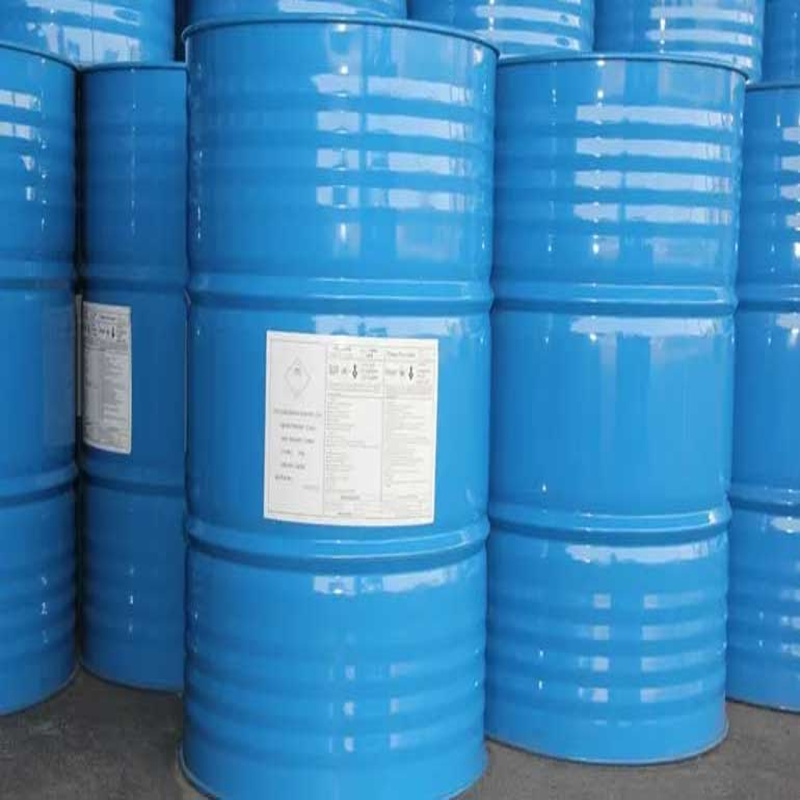
November 9th News
This week, crude oil prices fluctuated repeatedly, with geopolitical news continuously affecting market expectations. Although crude oil saw a small rebound after a period of consecutive declines, it did not form a sustained upward trend, and the cost support remained unstable. As prices continued to fall, traders became cautious, and their quotes followed the market's downward trend. Some downstream buyers made small, opportunistic purchases at lower prices, but these were mostly for immediate needs, and there was little interest in large-scale procurement, resulting in a generally weak trading atmosphere. The spreads related to aromatics continued to narrow, with the price differences between PX and mixed xylene, as well as between pure benzene and toluene, both shrinking. This squeezed the processing profits of downstream industries, further dampening their purchasing enthusiasm. Under the combined influence of cost fluctuations and weak demand, the price of toluene significantly decreased.
According to the Commodity Market Analysis system, from November 2 to November 9, 2026, the Chinese toluene market showed a narrow fluctuation trend. At the beginning of the week on November 2, the average market price was 8,866.67 CNY/ton, and by the end of the week on November 9, the average market price had dropped to 7,600 CNY/ton, with a cumulative weekly decline of 14.29%.
Cost Side:
This week, the movement of crude oil is the core variable for the cost of toluene. During the week, crude oil first fell and then slightly rebounded, but overall, it lacked sustained upward momentum. The cost boost from the phased rebound in crude oil was limited and could not offset the negative impact of the earlier decline in oil prices. As a petrochemical aromatic product, toluene is closely related to crude oil. The downward shift in the focus of crude oil has led to lower cost expectations in the refining sector, putting continuous downward pressure on toluene spot prices. Affected by alternating geopolitical news, crude oil prices have been volatile, and there are significant differences in market expectations for future costs. Traders mainly engage in short-term operations and dare not hold long-term inventory, so the cost side has failed to provide stable support for toluene. As of November 6, the settlement price of the December contract for U.S. WTI crude oil futures was $90.83 per barrel, and the January contract for Brent crude oil futures was $98.32 per barrel.
Supply side:
This week, toluene refinery operations in China have been stable overall, with the industry maintaining a medium-to-high operating rate. There are no plans for large-scale maintenance, and the production of commercial toluene in China remains steady. Foreign shipments have arrived as scheduled, and the supply of goods at the main ports in East China has been orderly. Port inventory is within a neutral range, and there is no significant shortage of overall supply. Only some local areas have experienced temporary tightness in spot supply, providing slight support to local prices, but the regional price differences are limited and insufficient to reverse the generally weak market. As the market continues to decline, the pressure on refineries to sell increases, and some companies are offering discounts to promote transactions. The supply of circulating goods is sufficient, making it difficult for the supply side to provide strong bullish support.
Demand side:
This week, the demand side has been the core factor dragging down the toluene market, with continuously weak overall profitability downstream. The processing spreads for disproportionation and PX units have narrowed, putting pressure on production profits. Downstream units are maintaining routine load operations, and there is a lack of willingness to actively stock up; orders from terminal downstream sectors such as coatings, solvents, and TDI are sluggish, and terminal operations have not shown significant improvement. Purchasing is mainly done on an as-needed basis, with only sporadic low-price restocking during price drop windows, lacking concentrated buying activity. Downstream acceptance of high-priced goods is low, and a generally wait-and-see attitude prevails. In the context of weak spread structures, the buying atmosphere is unlikely to see fundamental improvement, and the demand side lacks the sustained impetus to drive the market.
PX is one of the main downstream directions for toluene. This week, the price difference between PX and mixed xylenes continued to narrow, putting pressure on the processing profit of the facilities. The production enthusiasm of PX enterprises is restricted. The facilities basically maintain their current load, with no significant plans to increase the load. Purchasing of toluene raw materials mostly follows demand, and there is a weak willingness to actively increase purchases or stock up in advance. Only a small amount of replenishment is made as production consumes the material, and this has not formed a sustained demand for raw material procurement, thus having a limited effect on driving the demand for toluene.
Outlook:
The Chinese toluene market is likely to maintain a weak and volatile trend in the short term. The cost side, crude oil, is strongly influenced by geopolitical situations, leading to significant uncertainty in price fluctuations and inconsistent support. On the supply side, there are no concentrated maintenance plans for refineries, and the arrival of ships at ports remains steady, ensuring a loose supply of spot goods, with no obvious signs of tightening. In terms of demand, it will take some time for downstream processing profits to recover, and the expectation for a rebound in end-user orders is weak, making it difficult for concentrated buying to be quickly released. The weak price spread is unlikely to change in the short term. Overall, the struggle between cost disruptions and weak demand will continue, posing significant resistance to toluene's upward movement. Key factors to watch in the future include crude oil price trends, changes in port inventory, the operation of disproportionation and PX units, and the pace of downstream restocking.