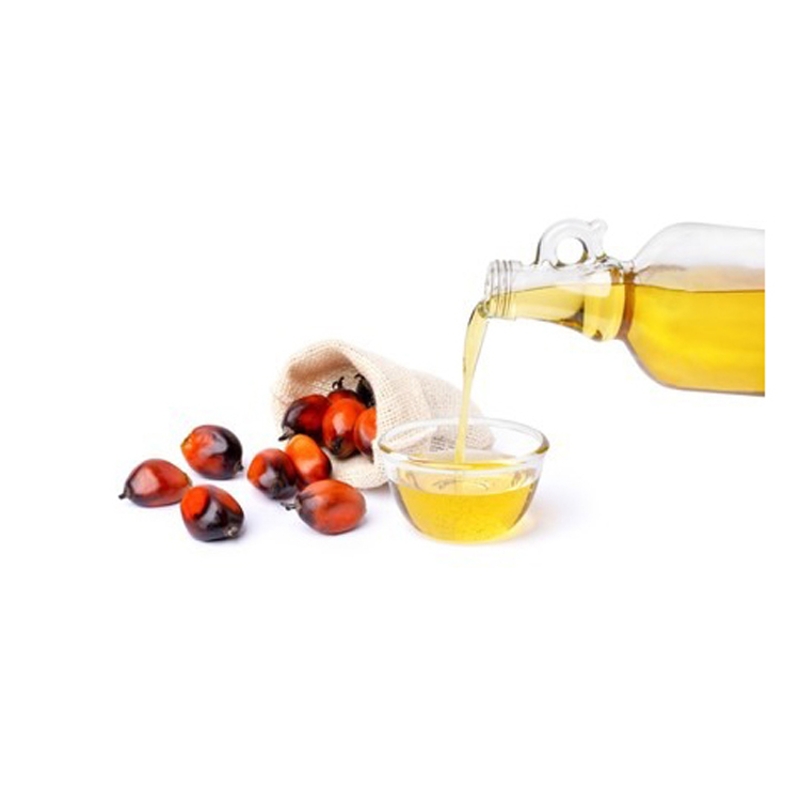
According to SpotCom data: In early November, the palm oil market in China fluctuated and fell. On November 1, the average market price of palm oil was 9,140 CNY/ton, and on November 13, the average market price of palm oil was 8,940 CNY/ton, a decrease of 2.19%.
The main factors driving fluctuations in the palm oil market
Market Price Performance
Market Chart: Weakness persisted in the early part of the month, with a phase low around November 5; the January contract dipped as low as 4,375 MYR/tonne. Following the release of the MPOB report, prices rebounded swiftly, resuming trading in a range between 4,400 and 4,450 MYR.
DCE Palm Oil: Synchronized bottoming out and rebound, with the main contract's low point in the first half of the month near 8600, rebounding to around 8900; the basis is weak and negative, and the spot market is lagging in following the rise. This is a futures recovery driven by expectations, with no strong follow-up in the spot market.
Domestic and international market rhythm: In the first half of the early part of the month, trading was influenced by the bearish factor of "inventory continuing to hit new highs"; in the latter half, it was influenced by the bullish factors of "inventory increase being less than expected + realization of seasonal production cuts in November."
Core Production Data (Malaysia)
MPOB October Monthly Report
Production: 2.1537 million tons, up 1.74% month-on-month
Exports: 1.7087 million tons, a sharp month-on-month increase of 55.75% (mainly due to concentrated restocking ahead of India’s Diwali festival)
Ending Stocks: 3.6212 million tons, up 3.15% month-on-month to a record high, but significantly below the market’s earlier estimate of 3.75 million tons.
High-frequency SPPOMA production data for November 1–10
In early November, Malaysian production fell 26.05% month-on-month compared with the same period in October, with both yield per tree and oil extraction rate declining simultaneously. As Malaysia has officially entered its traditional fourth-quarter production-cutting cycle, expectations of reduced output have been rapidly realized, forming the core rationale behind the rebound.
Early month export frequency
From November 1 to 10, exports fell 1.9%–2.3% month-on-month compared with the same period in October. With pre-holiday restocking in India coming to an end, export momentum has weakened, directly limiting the upside for a rebound—in other words, production has declined, but demand has also fallen, making it difficult to rapidly destock.
Indonesia: Export tariffs were lowered in November, continuing to divert Malaysian orders; Indonesia’s supply remains high, putting downward pressure on overall oil and fat supplies.
Chinese End Situation
port inventory: China's key Palm Oil commercial inventory is around 1.21 million tons, a significant increase (+100%+) compared to the same period last year, and is at a high level over the past two years. The spot pressure in China is a hard constraint, with traders mainly purchasing on an as-needed basis, and there is weak willingness to actively replenish inventory.
Arrivals: November shipment volumes remain relatively high, maintaining ongoing pressure on arrivals; import margins are temporarily in the red, with only a small amount of vessel scrubbing and no large-scale new vessel purchases.
Substitution (Soybean–Palm Oil Spread): As the soybean–palm oil spread narrows, soybean oil’s substitution advantage over palm oil diminishes. However, Chinese food and oil processors lack strong incentives to switch formulations on a large scale, limiting the increase in substitution demand.
Trading: Spot trading was sluggish in the early part of the month; during the rebound, spot prices lagged behind, and basis repair remained weak.
External Linkage Factors
Crude Oil: Crude oil was relatively weak in the early part of the month, as expectations for biodiesel demand cooled, reducing the energy‑related premium on palm oil; biodiesel is a near‑term story with limited near‑month support.
U.S. Soybeans / USDA: The USDA report was relatively neutral; soybean oil lacks a clear directional bias, and the oils and fats complex is generally in a choppy trading range, with palm oil being the weaker performer within the sector.
Palm oil analysts believe that bullish factors in the global market remain, and resilient end‑use demand provides support; as a result, palm oil prices may halt their decline and begin to rise in late November.
(Source: )