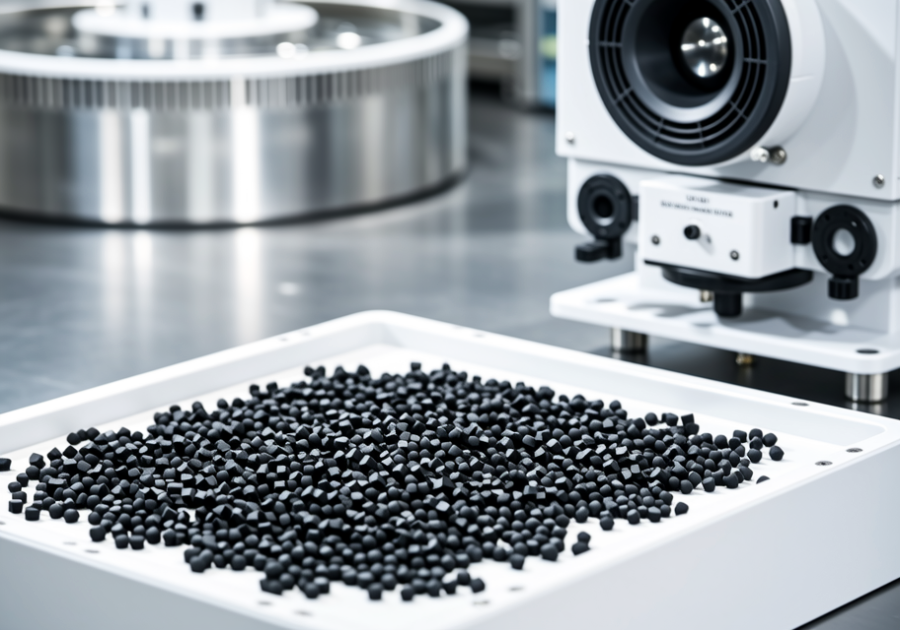
Plant Fibres Could Replace Harmful Plastics in Cosmetics
Waste plant fibres from agriculture and paper manufacturing could replace harmful plastic microbeads in a wide range of products from make-up to house paint, scientists claim. Tiny plastic beads are widely used to roughen products such as toothpaste and face scrubs, causing significant damage to the environment because they can take hundreds of years to breakdown.
Cellulose Now, scientists have hit upon a way of turning cellulose – the tough fibres found in trees and green plants – into biodegrable microbeads that they say provide an effective alternative to the existing plastic ones. Although microbeads are gradually being phased out around the world, the alternative material could accelerate the process – while helping manufactuerers to retain the quality of the products that use them.
“Microbeads were put in for a reason and if we can make renewable versions of them then we can keep using them in the long run,” said Dr Janet Scott, of the University of Bath. Having established that workable sustainable microbeads can be produced in a small-scale laboratory setting, her team is working with a large consumer goods company to bring the innovation to market.
She is hopeful that her cellulose microbeads could start appearing in products within five years. Microbeads are used across in a wide range of toiletries and household products. A single shower involving soap and a bit of scrubbing can release as many as 100,000 of them down through the sink and into the ocean – while the US is estimated to flush 8 trillion a day into its water system. Apart from adding to the mountain of physical waste already entering our rivers and oceans, microbeads pose a health risk. They are highly absorbent, making them magnets for pesticides and other chemicals which leach out of the beads as they pass along the waterways or find their way into any fish or animals that ingest them. Once they are in the food chain, they can potentially even find their way into the fish and meat on our plates.

You May Interested In


2026-09-18
Trade Alert
Delivering the latest product trends and industry news straight to your inbox.
(We'll never share your email address with a third-party.)

Related News
-
COSMOPROF WORLDWIDE BOLOGNA PRESENTS “THE INVISIBLE BEAUTY”, THE PROJECT REVEALING WHAT MAKES BEAUTY POSSIBLE
-
Skin longevity, biotech, fragrance and sensory beauty take centre stage as in-cosmetics Asia returns to Bangkok
-
Skin longevity, biotech, fragrance and sensory beauty take centre stage as in-cosmetics Asia returns to Bangkok
-
COSMOPROF WORLDWIDE BOLOGNA ANNOUNCES 2027 DATES AND UNVEILS A NEW LAYOUT FOR ITS 60TH ANNIVERSARY EDITION
-
in-cosmetics Global launches the first Nutricosmetics Ingredient Index
-
in-cosmetics Global reveals line-up for 2026 programme curated for innovation
-
IN-COSMETICS GLOBAL TO LAUNCH FIRST DEDICATED INNER BEAUTY ZONE FOR NUTRICOSMETIC INNOVATIONS IN 2026
-
Vietnam Drives ASEAN Towards a Modern Economy
-
COSMOPROF WORLDWIDE BOLOGNA 2026: A GLOBAL BEAUTY ECOSYSTEM IN CONTINUOUS EVOLUTION
-
Indonesia Forges a Green Future for Its Highly Dynamic Packaging & Automotive Industries
Recommend Reading
-
![Global Chemical Exports Are Freezing in 2026]()
Global Chemical Exports Are Freezing in 2026
-
![European Chemical Firms Face Pressure on First-Quarter Earnings as the War Shock Continues to Spread]()
European Chemical Firms Face Pressure on First-Quarter Earnings as the War Shock Continues to Spread
-
![Congo Copper and Cobalt Miners Are Being Forced to Cut Chemical Use as Middle East Conflict Hits the New Energy Supply Chain]()
Congo Copper and Cobalt Miners Are Being Forced to Cut Chemical Use as Middle East Conflict Hits the New Energy Supply Chain
-
![Antidumping Pressure Hits the Chemical Chain as Chinese Exports Face Higher Barriers in Europe]()
Antidumping Pressure Hits the Chemical Chain as Chinese Exports Face Higher Barriers in Europe
-
![Major Fire Hits China-Russia Joint 2.7 Million T/Y Polyolefins Project, Killing 6 Chinese Nationals and Injuring 152 People]()
Major Fire Hits China-Russia Joint 2.7 Million T/Y Polyolefins Project, Killing 6 Chinese Nationals and Injuring 152 People
-
![February Activated Carbon Prices Fluctuate and Rise]()
February Activated Carbon Prices Fluctuate and Rise
-
![Ample Supply Leads to Continuous Decline in Dichloromethane Prices in China]()
Ample Supply Leads to Continuous Decline in Dichloromethane Prices in China
-
![February Acetic Acid Market Fluctuates]()
February Acetic Acid Market Fluctuates
-
![Business Society’s Market Outlook for n-Butanol on August 17, 2026: Volatile with a Strongly Bullish and Consolidating Trend]()
Business Society’s Market Outlook for n-Butanol on August 17, 2026: Volatile with a Strongly Bullish and Consolidating Trend
-
![February phosphate market trend shows strong increase in China]()
February phosphate market trend shows strong increase in China