Everything You Should Know About ‘What is a Combustion Reaction?’
What is a combustion reaction? You might ask. A combustion reaction is typically one that results in the production of fire. Combustion happens at a high temperature. It is a redox chemical reaction that produces heat which is exothermic and usually occurs between a fuel and an oxidant. The byproducts are frequently gaseous, and the resulting mixture is commonly referred to as smoke. Oxides are the byproducts of combustion.
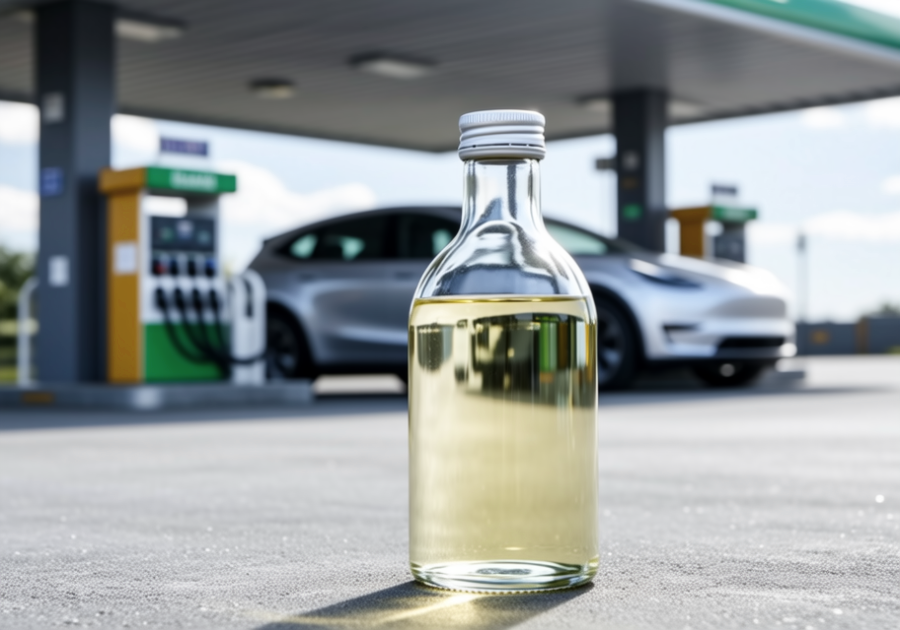
The main ingredient required for combustion to occur is oxygen. Discharge is impossible in the lack of oxygen. So, why doesn't a can of gasoline start to burn if you keep it open in the AIR, which contains oxygen? This occurs because, to create a reaction, we must first overcome its energy barrier. It is accomplished by warming the fuel to its ignition temperature, whereupon the combustion continues flawlessly in the presence of an adequate supply of oxygen.
The Two Types of Combustion Reaction
1. Complete Combustion: Full combustion occurs when a fuel is burnt wholly to generate Carbon Dioxide and warm air in the presence of an adequate oxygen supply.
2. Incomplete Combustion: When there is a constrained or deficient oxygen supply, the fuel is ignited imperfectly, generating carbon monoxide instead of carbon dioxide.
Some examples of combustion reaction include:
It's worth remembering that combustion reactions are difficult to miss because the byproducts have always been carbon dioxide and water. So while oxygen gas is already prevalent as a reactant, the air in the slightly more complicated illustrations comes from another reactant. For you to understand further, here are some examples that you need to know:
- Different vehicles such as trucks, cars, motors, and such have a fuel undergoing the combustion reaction process. It also contains some oxygen to enable the engine.
- Typical burning of materials such as fuels, woods, and materials burnt for winter. Since carbon content is actually included in the wood coal, it will cause a reaction once it releases heat.
- Petroleum gas in a liquefied version that was released from the burner is another example. For the complete combustion, this process makes a blue kind of fire. Meaning, if it has lesser oxygen containment, it may turn sooty and yellowish.
Different Forms of Combustion Reactions
Indeed, combustion reactions have equations that specialists study. A few examples of balanced equations for this are provided below.
- Methane Combustion - CH4(g) + 2 O2(g) → CO2(g) + 2 H2O(g)
- Naphthalene Combustion - C10H8 + 12 O2 → 10 CO2 + 4 H2O
- Ethane Combustion - 2 C2H6 + 7 O2 → 4 CO2 + 6 H2O
- Butane Combustion - 2C4H10(g) +13O2(g) → 8CO2(g) +10H2O(g)
- Methanol Combustion - 2CH3OH(g) + 3O2(g) → 2CO2(g) + 4H2O(g)
- Propane Combustion - 2C3H8(g) + 7O2(g) → 6CO2(g) + 8H2O(g)
Insights Regarding "What is a Combustion Reaction?"
Combustion is not Always Fire.
Combustion is an exothermic process, which means it generates heat, but the reaction can be so slow that a change in temperature is undetectable. Just like a food additive sold by Elchemi, there is always an increase in the conversion of reaction that is way out of its equilibrium. Combustion does not have to result in fire, but if it does, the presence of a fire is a clear indication of the reaction.
While an energy density must be conquered in order to start combustion, the warm air from a fire may give sufficient power to maintain the response.
Oxidation Reaction is equal to Combustion Reaction.
A combustion reaction, as we all know, can't occur in the absence of oxygen. But since oxygen seems to be the only gas that encourages burning, it must be available for combustion or burning to occur. When a substance oxidizes to release the energy, an ignition reaction happens. For example, when methane starts to burn in o2, it creates carbon dioxide as well as water. The structure of co 2 indicates that the carbon existing in gases has been oxidized.
What are the Harmful Effects of Combustion
The chemical power included in the combustible is transformed into light and heat during the combustion process. Combustion is being used to power motors, vehicles, and industrial equipment in industry sectors, among other things. The smoke produced from burning contaminates the environment. The variety of industries is growing with each day. Consequently, the constant combustion of fuels and the emission of smoke from smokestacks and automobile exhausts contribute to the amount of co2 in the atmosphere, altering its original piece.
Now that you know what is a combustion reaction, we hope you will be able to use it in the near future.
Looking for chemical products? Let suppliers reach out to you!
You May Interested In


2026-10-03
Trade Alert
Delivering the latest product trends and industry news straight to your inbox.
(We'll never share your email address with a third-party.)

Related News
-
Business Society, September 23, 2026: Propylene Oxide Trend Analysis — Clearly Downward
-
Business Society’s September 8, 2026 Cyclohexanone Market Outlook: Fluctuating Trends
-
Business Society’s September 3, 2026 Cyclohexanone Market Outlook: Clearly Upward Trend
-
Business Society’s September 1, 2026 Cyclohexanone Market Outlook: Fluctuating Trends
-
Business Society’s Market Outlook for Ethylene Glycol on September 2, 2026: Clearly Upward Trend
-
Business Society’s September 2, 2026 Melamine Market Outlook: Clearly Upward Trend
-
Sodium Metabisulfite Prices Rise This Week (Mar. 16-20)
-
Narrow Increase in Ethyl Acetate Market This Week (9.22-9.28)
-
Prices of China's Chemical Raw Materials and Chemical Products Manufacturing Industry Dropped by 9% in 2023
-
OQ Chemicals Raises Global Prices for N-butanol, Isobutanol and Other Products!
Recommend Reading
-
![What Color Should a Zinc-Copper Couple Be?]()
What Color Should a Zinc-Copper Couple Be?
-
![Why You Should Never Mix Bleach and Vinegar]()
Why You Should Never Mix Bleach and Vinegar
-
![Benzoylecgonine: Detection and Testing Methods]()
Benzoylecgonine: Detection and Testing Methods
-
![Anastrozole Side Effects: What You Need to Know]()
Anastrozole Side Effects: What You Need to Know
-
![Understanding the Arsenate Symbol and Its Uses]()
Understanding the Arsenate Symbol and Its Uses
-
![Recent Chinese Fuel Oil 180CST Prices Continue to Rise]()
Recent Chinese Fuel Oil 180CST Prices Continue to Rise
-
![Business Society’s September 1, 2026 Gasoline Market Outlook: Expected to Trend Stronger]()
Business Society’s September 1, 2026 Gasoline Market Outlook: Expected to Trend Stronger
-
![Business Society’s Market Outlook for Petroleum Coke on August 31, 2026: Volatile]()
Business Society’s Market Outlook for Petroleum Coke on August 31, 2026: Volatile
-
![China's Marine Fuel Market Sees Volatile Rise in September]()
China's Marine Fuel Market Sees Volatile Rise in September
-
![Sudden Turmoil in Middle East Shipping Routes: Multiple Carriers Announce Emergency Navigation and Surcharge Policies]()
Sudden Turmoil in Middle East Shipping Routes: Multiple Carriers Announce Emergency Navigation and Surcharge Policies